
 Nana Muazin
By Cycling News Staff / Analysis by Pro-Cycling Correspondents
The premier off-road cycling calendar in North America is scaling unprecedented financial heights. Organizers of the Life Time Grand Prix presented by Mazda have officially announced a groundbreaking prize purse of $800,000 for the upcoming 2027 season.
The announcement, made on Thursday, represents a massive 36% increase in total financial compensation compared to the previous season and an astonishing three-fold expansion from the series’ inaugural campaign in 2022. As gravel racing and off-road endurance events continue to experience a meteoric rise in popularity, commercial viability, and mainstream
media attention, the Life Time Grand Prix is cementing its status as the most lucrative and competitive arena in the discipline.
Main Facts
The financial restructure for the 2027 Life Time Grand Prix is designed to heavily reward elite-level athletes across a grueling seven-event calendar that spans from April through October.
- Total Prize Pool: A record-shattering $800,000 will be distributed across the 2027 season.
- Overall Series Payout: The grand finale standings will award a combined $400,000 (up from $350,000 in 2026).
- Individual Race Payouts: The remaining $400,000 will be distributed evenly across the seven individual races on the calendar, marking a sharp increase from the $240,000 allocated for per-race event bonuses in previous years.
- Gender Equity: In alignment with the series’ core mission, the prize money is distributed completely equally between the men’s and women’s professional fields.
- Payout Depth: Payouts are structured to reward the top 10 finishers in each individual race as well as the final overall series standings.
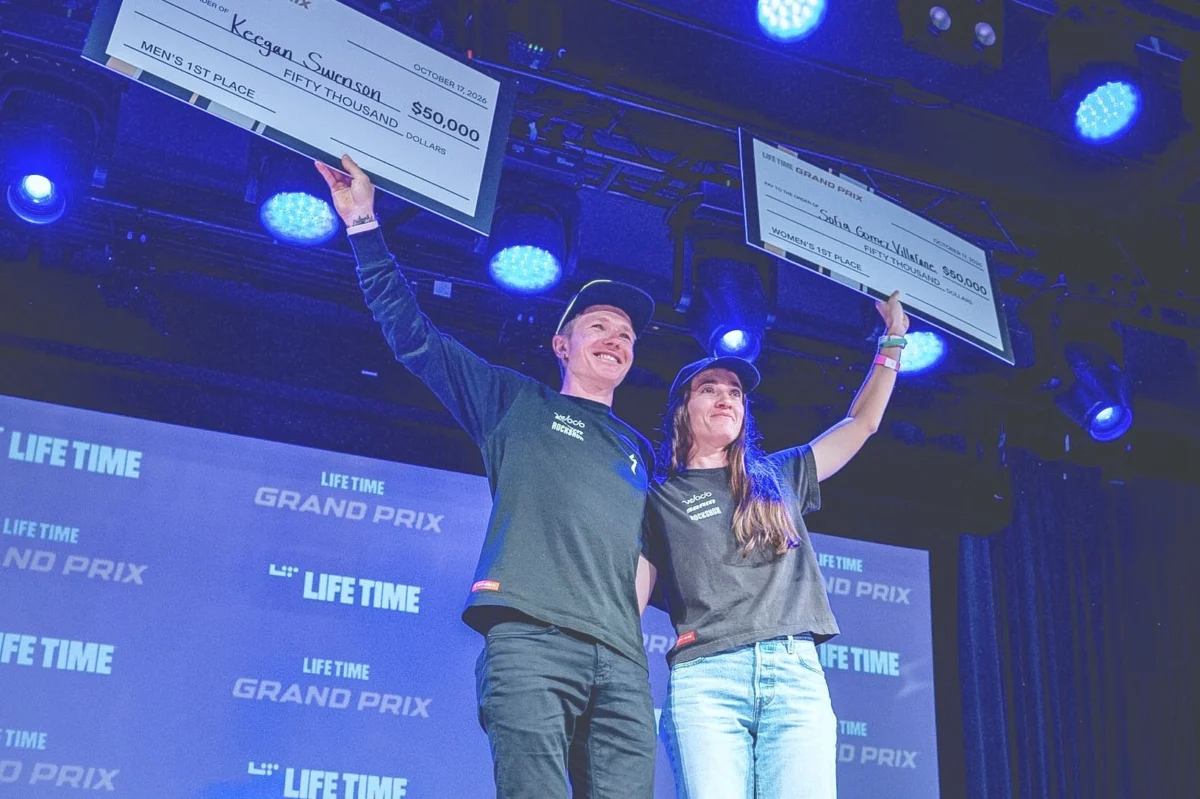
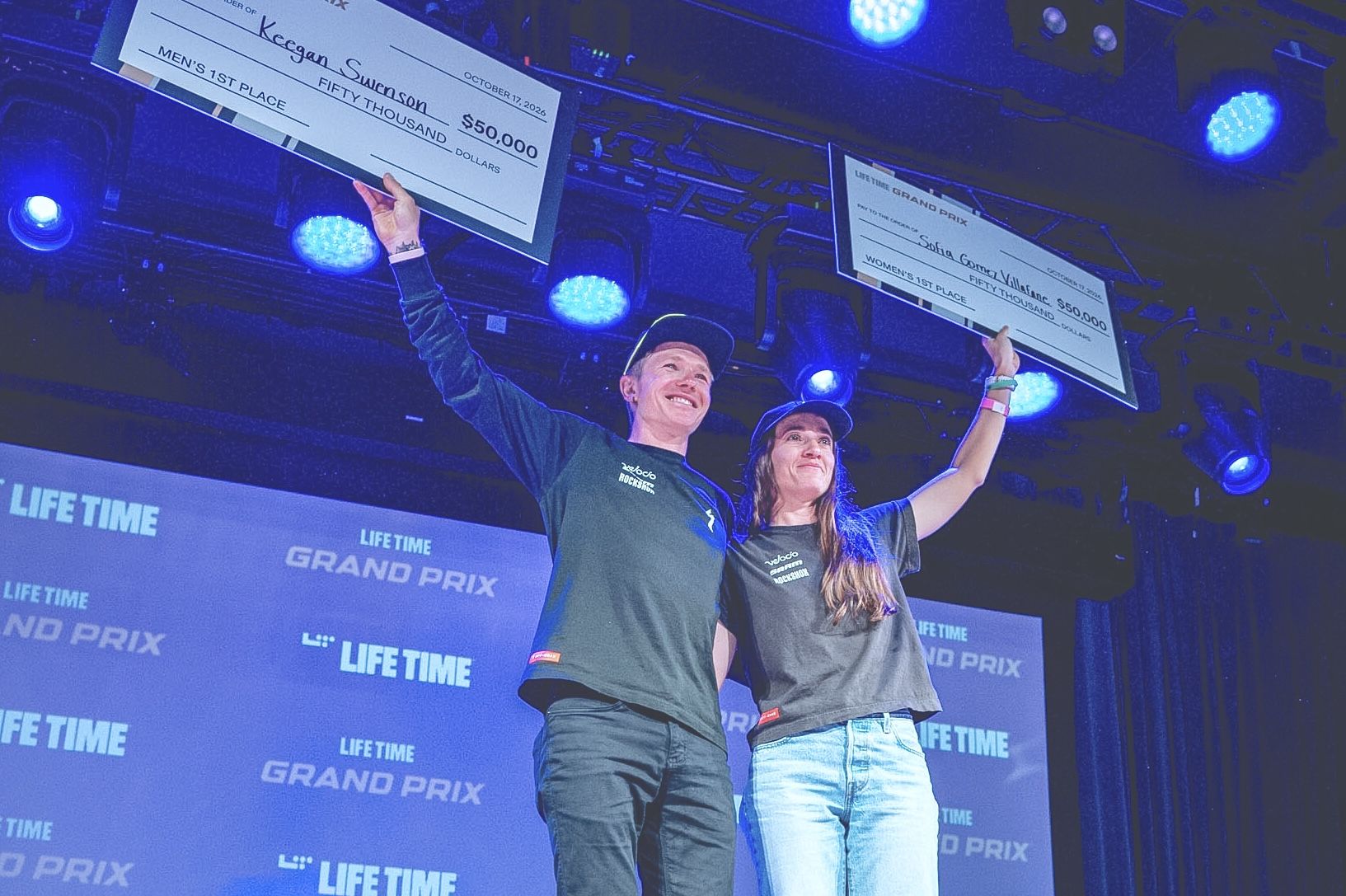
This aggressive fiscal injection follows a dominant 2026 season that saw Specialized Off-road’s powerhouse duo, Keegan Swenson and Sofia Gomez Villafañe, each secure their historic fourth Life Time Grand Prix overall titles. With financial stakes higher than ever, the race for the 2027 jerseys is expected to draw an even more fiercely competitive international and domestic field.
Chronology: The Evolution of the Life Time Grand Prix
To understand the significance of the 2027 financial milestone, it is essential to look at the rapid trajectory of the series since its inception.
2022: The Inception
When Life Time launched the Grand Prix in 2022, it was hailed as a revolutionary concept in American cycling. By combining iconic cross-country mountain bike races and grueling gravel endurance events into a single televised series, organizers created a new path for professional cyclists. The initial prize purse sat at a respectable, yet modest, fraction of today’s total, establishing a proof-of-concept that off-road racing could attract sponsors and mainstream eyeballs.
2023–2025: Rapid Expansion and Rising Stardom
Over the next three years, the series grew exponentially. Riders like Keegan Swenson, Sofia Gomez Villafañe, Haley Smith, Alexey Vermeulen, and Mathew Beers became household names within the cycling community. As broadcast partnerships improved, spectator turnouts swelled, and endemic and non-endemic brands poured money into gravel and off-road tech, Life Time responded by incrementally increasing payouts and refining selection criteria to ensure only the highest-caliber athletes made the start line.
2026: Dominance and Finales
The 2026 season proved to be a watershed moment. Swenson and Gomez Villafañe solidified their legacies by capturing their fourth overall titles, showcasing a level of multi-disciplinary dominance rarely seen in modern cycling. The total series purse for 2026 reached $350,000, setting the stage for the unprecedented fiscal jump planned for the following year.
2027: The $800,000 Era
Entering its sixth year, the Life Time Grand Prix has adjusted its selection rules, welcomed back fan-favorite venues like The RAD Dirt Fest, and committed a historic $800,000 to the athletes. This positions the series not just as a premier North American competition, but as one of the most financially rewarding off-road cycling circuits on the global stage.
Supporting Data and Financial Breakdown
The breakdown of the $800,000 purse highlights a strategic shift by organizers: balancing season-long consistency with single-day performance incentives.
+-----------------------------------------------------------------+
|               2027 LIFE TIME GRAND PRIX PRIZE PURSE             |
+-----------------------------------------------------------------+
| Total Series Payout (Overall Standings):    $400,000            |
| Total Individual Race Payouts (7 Events):   $400,000            |
+-----------------------------------------------------------------+
| GRAND TOTAL:                                $800,000            |
+-----------------------------------------------------------------+
How the Money is Distributed:
-
Per-Race Breakdown ($400,000 total):
With seven events on the calendar, approximately $57,140 is available at each individual race. This sum is split evenly between the men’s and women’s pro fields and paid out strictly to the top 10 finishers. This ensures that riders who specialize in specific terrains (e.g., pure climbers in the mountains or heavy-diesel engines on flat gravel power-line roads) have immediate financial incentives, even if they aren’t chasing the overall series title. -
Overall Series Breakdown ($400,000 total):
The remaining half of the purse rewards the most consistent athletes across the entire multi-month calendar. The cumulative points standings, which require athletes to tally their best finishes across a set number of events, culminate in a massive payday for the ultimate champions and the runners-up in both categories. -
Compared to Inception:
An $800,000 total payout is more than triple the original budget introduced in 2022. This exponential growth mirrors the commercial boom of gravel cycling, which has rapidly transformed from a grassroots subculture into a major driver of the global bicycle industry.
Official Responses and Industry Perspectives
While formal press statements from individual team managers and corporate sponsors continue to roll out following Thursday’s announcement, the sentiment across the pro paddock is overwhelmingly positive.
Industry analysts point out that increasing the per-race payout pool from $240,000 to $400,000 is a direct response to feedback from professional athletes. In past seasons, riders argued that competing in a brutal, high-risk off-road endurance race for a relatively small slice of a per-event purse did not always justify the physical toll and travel expenses, especially for those out of the top five. By enriching the per-race payouts and extending them down to the top 10, Life Time is providing a much stronger safety net for full-time professional privateers and team-contracted riders alike.
"The professionalization of off-road cycling is no longer a distant projection; it is happening right now," noted one prominent sports marketing executive close to the series. "When you offer life-changing money—backed by major sponsors like Mazda—you attract WorldTour-caliber roadies, elite mountain bikers, and specialized gravel racers who can make a legitimate, comfortable living solely from competing in these events."
Broader Implications for the Sport of Cycling
The announcement of an $800,000 prize pool carries deep ramifications for the broader ecosystem of professional cycling:
1. Attracting Global Talent
With road cycling salaries facing compression outside of the absolute top tier of the UCI WorldTour, many seasoned road professionals and elite mountain bikers are looking toward North American gravel and off-road racing as a lucrative alternative. The massive purse ensures that the Life Time Grand Prix will remain a magnet for international racing royalty.
2. The Shift in Privateer Economics
For years, gravel racing prided itself on the "privateer" model—riders who relied on a patchwork of personal sponsors, GoFundMe campaigns, and merchandise sales to fund their travel. While grassroots spirit remains core to gravel culture, the expanding financial rewards of the Life Time Grand Prix mean that professional off-road racing is shifting firmly into a structured, high-stakes athletic profession. Securing a spot in the Grand Prix top 10 can now secure a rider’s annual training and living budget.
3. Media, Broadcasting, and Fan Engagement
Bigger purses correlate directly with higher production values, intense media coverage, and heightened fan engagement. As more eyes tune in to watch the battles unfold between legendary veterans and hungry newcomers, the commercial flywheel spins faster, promising an even brighter financial future for the sport as it marches toward the 2027 season opener in April.

 Ali Ikhwan
 Ammar Sabilarrohman

 Nana
 Asro
 Lina Irawan
 Raul Delapena Setiawan

 Iffa Jayyana