Ali Ikhwan
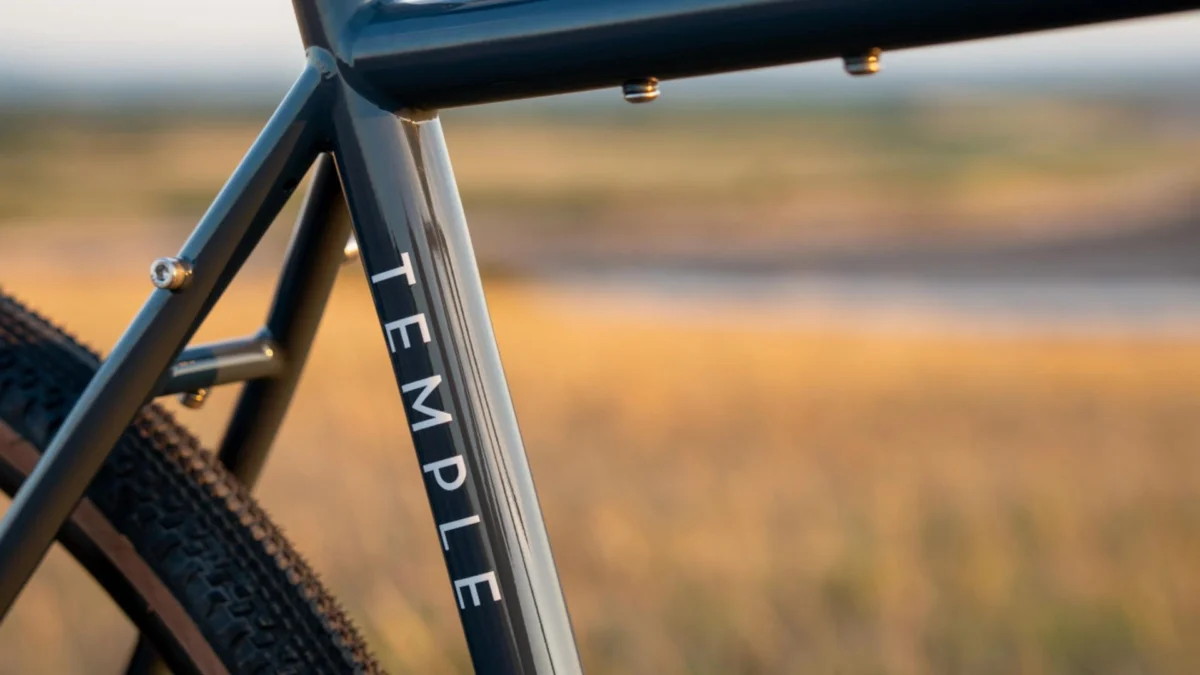
BRISTOL, UK — In a sobering blow to the British independent cycling industry, Temple Cycles has officially ceased trading after more than a decade of operations. The Bristol-based bicycle manufacturer, celebrated for its classic steel-framed urban and touring bikes, has shuttered its doors, liquidating its assets and permanently closing its physical retail spaces in Bristol and London.
The closure marks the end of a 12-year journey for the boutique brand, which had carved out a dedicated niche in the market by offering handcrafted, repairable, and aesthetically timeless bicycles designed to resist the disposable trends of the modern cycling industry. However, severe macroeconomic headwinds, post-pandemic market normalization, and soaring operational costs have ultimately forced the company to fold.
Main Facts
Temple Cycles has officially wound down its operations, bringing an abrupt end to a brand that has been a staple of the British bespoke bicycle scene since its inception in 2012.
- The Business: Founded by mechanical engineer Matt Mears, Temple Cycles specialised in traditional steel-framed bicycles, component design, and accessories. The brand championed sustainability, longevity, and classic styling.
- The Scale: Operating primarily as a direct-to-consumer (D2C) brand with a robust e-commerce platform, Temple also maintained brick-and-mortar storefronts in its home city of Bristol and the capital, London.
- Current Status: Both physical retail locations have been permanently closed, and the company’s official business listings and online channels indicate that trading has completely ceased.
- The Impact: The liquidation leaves a distinct gap in the UK market for locally designed, steel-framed commuters and touring bikes, while also raising fresh concerns regarding the stability of independent, small-to-medium-sized bike brands across Europe.
Chronology: The Rise and Fall of Temple Cycles
To understand the sudden collapse of Temple Cycles, it is necessary to retrace the company’s trajectory from a passion project in a Bristol workshop to a recognized name in British cycling.
2012–2015: Foundation and Craftsmanship
Temple Cycles was founded in 2012 by Matt Mears, who leveraged his background in mechanical engineering to design bicycles that prioritized durability, simplicity, and classic aesthetics. Frustrated by the planned obsolescence and overly complex carbon-fiber machinery dominating the market, Mears sought to revive the ride quality and repairability of traditional steel tubing. Operating initially on a boutique scale, the brand gained traction among urban commuters and touring enthusiasts who appreciated bespoke detailing and reliable daily-driver performance.
2016–2019: Scaling Up and Establishing Retail Roots
As demand grew, Temple successfully transitioned from a micro-manufacturer to a more visible commercial entity. The company launched successful crowdfunding campaigns to scale production and expand its product line, introducing models tailored for adventure touring, urban commuting, and lightweight road riding. Crucially, Temple established its flagship presence in Bristol, followed later by a London retail outpost. These shops served not merely as points of sale, but as community hubs where cyclists could test rides, receive servicing, and immerse themselves in the brand ethos.
2020–2021: The Pandemic Boom
Like much of the global cycling industry, Temple Cycles experienced an unprecedented surge in demand during the COVID-19 pandemic. Lockdowns and a cultural shift toward outdoor recreation, solo commuting, and active travel created a massive boom. E-commerce sales skyrocketed, and bicycle inventories vanished almost as quickly as they could be replenished. For many independent brands, this period felt like a golden era of permanent expansion.
2022–2023: The Supply Chain Crunch and Economic Whiplash
The post-pandemic hangover hit the cycling industry with staggering velocity. As global supply chains untangled, brands that had over-ordered components to combat shortages suddenly found themselves sitting on mountains of overstocked inventory. Simultaneously, consumer spending power plummeted amid soaring inflation, rising energy costs, and the cost-of-living crisis. For a small business like Temple Cycles, profit margins were squeezed from both sides: component and shipping costs remained artificially inflated, while consumer demand for discretionary luxury items—such as premium commuter bikes—contracted sharply.
Late 2023–2024: Final Struggles and Liquidation
Despite efforts to restructure, pivot marketing strategies, and optimize inventory, the financial pressures proved insurmountable. Rumours of financial distress circulated within the UK cycling community as stock levels dwindled and customer communication slowed. Ultimately, management made the decision to cease trading, shuttering the Bristol and London storefronts and placing the company into liquidation.
Supporting Data: The Wider Crisis in the Bicycle Industry
The demise of Temple Cycles does not occur in a vacuum. It is part of a broader, systemic shakeout affecting the global and domestic bicycle manufacturing sectors following the unprecedented volatility of the 2020–2024 period.
- The Inventory Glut: Industry analysts note that the "pandemic bicycle boom" created a false economy. Major manufacturers and independent brands alike ordered record numbers of bikes and parts to meet surging demand. When consumer habits normalized, the market was flooded with excess inventory, triggering aggressive discounting wars that crushed the margins of smaller brands unable to compete on volume.
- Boutique Vulnerability: While multinational giants like Specialized, Trek, and Giant possess the capital reserves to weather multi-year downturns, boutique and independent makers operate on razor-thin cash flows. Without external venture capital backing, small-scale British bike brands are acutely vulnerable to localized economic shocks, Brexit-related trade frictions, and rising commercial rents.
- Inflationary Pressures in the UK: Operating physical retail spaces in high-rent urban centres like London and Bristol became financially untenable as commercial energy tariffs, business rates, and minimum wage requirements spiked over the past twenty-four months.
Official Responses and Industry Reaction
As news of the closure reverberated across cycling forums and social media, industry peers, former employees, and loyal customers expressed profound disappointment.
In statements shared through industry networks, cycling advocates highlighted the loss of a brand that championed sustainable manufacturing principles. Unlike mass-market producers who rely on disposable components and proprietary parts designed for quick replacement, Temple Cycles had built its reputation on standard, serviceable hardware designed to last a lifetime.
"It’s a heartbreaking day for British cycling," noted one independent Bristol-based bike mechanic and industry observer. "Temple was one of the few modern brands genuinely trying to do things the right way—making bikes that could be repaired, maintained, and loved for decades. Their absence leaves a real void in the local cycling ecosystem."
Customers who had placed recent orders or were awaiting servicing have faced uncertainty regarding warranties and outstanding parts. Consumer rights organizations have advised affected individuals to check their payment protection methods (such as Section 75 for credit cards) should they have unresolved financial claims against the company.
Implications for the Future of Independent Cycling Brands
The liquidation of Temple Cycles serves as a cautionary tale and a stark indicator of the structural challenges facing independent manufacturing in the post-pandemic era.
1. The Survival Test for Direct-to-Consumer (D2C) Models
The D2C model, once hailed as the future of retail because it bypassed traditional distributor markups, has proven exceptionally fragile during economic downturns. Without the cushion of wholesale distribution to brick-and-mortar bike shops across the country, brands relying entirely on their own e-commerce and flagship stores bore 100% of the overhead burden when consumer confidence dipped.
2. The High Cost of Local Manufacturing and Assembly
While consumers increasingly express a desire for ethically produced, locally sourced, and sustainable goods, the economic reality often reflects a different priority. When faced with a cost-of-living crisis, the vast majority of consumers gravitate toward mass-market price points. Boutique brands struggling to compete with heavily discounted inventory from major global players find it nearly impossible to achieve the economies of scale required for long-term survival.
3. A Shrinking Retail Landscape
The closure of Temple’s physical shops in Bristol and London reduces the physical touchpoints available to urban cyclists seeking alternatives to car travel. Independent bike shops and boutique makers form the cultural bedrock of cycling communities; each closure diminishes the local infrastructure that encourages new riders to take up cycling.
Conclusion
Temple Cycles’ 12-year run demonstrated that there is a passionate appetite for well-crafted, timeless steel bicycles in the UK. However, the convergence of pandemic-era supply chain imbalances, soaring operational overheads, and a brutal post-pandemic retail market proved too steep a mountain to climb. As the dust settles on the liquidation of its Bristol and London premises, the industry is left to ponder how future independent makers can navigate the turbulent economic road ahead.


 Ammar Sabilarrohman

 Evan Lee Salim

 Pevita Pearce

 Asro

 Nana Wu

 Raul Delapena Setiawan