
 Raul Delapena Setiawan
By the Motorsport.com Editorial Team
Main Facts: The 2026 SportsPro Marketability Rankings
In the high-stakes world of Formula 1, success is measured not only by podium finishes, fastest laps, and championship trophies, but also by commercial weight and global brand equity. In this arena, the landscape of driver marketability has undergone a dramatic shift.
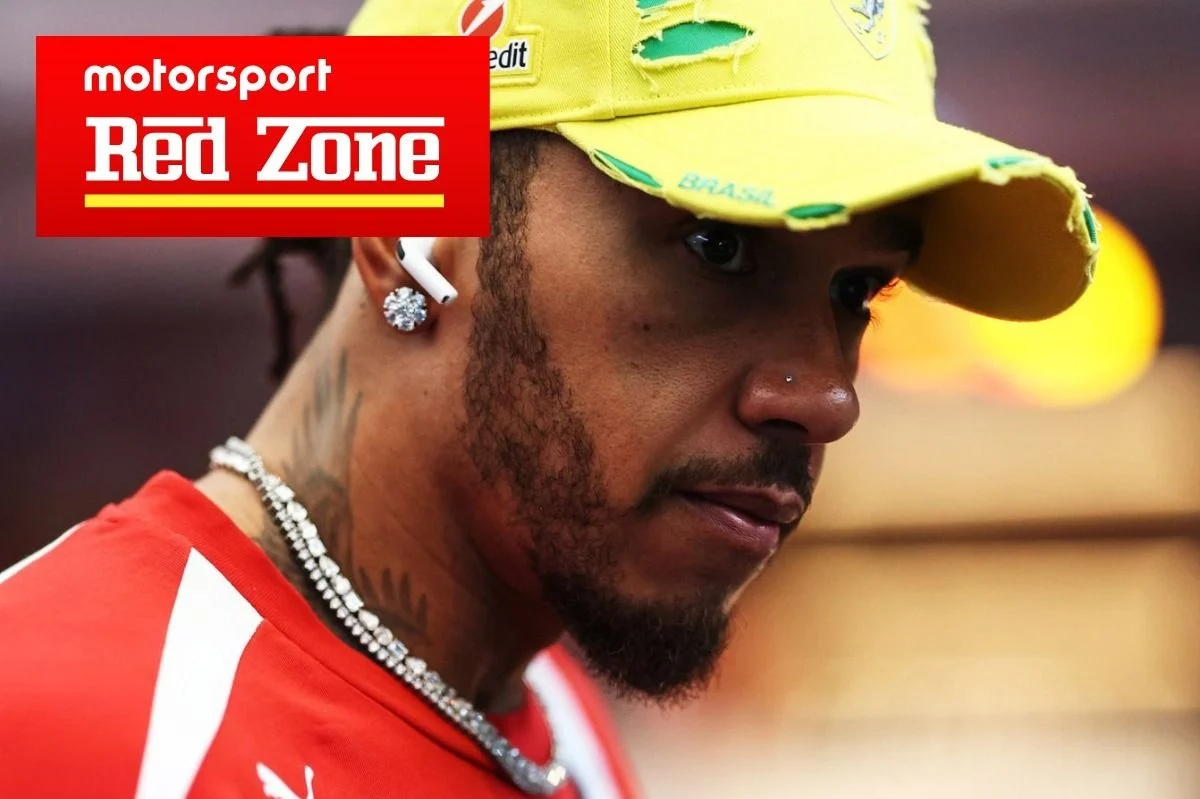
Lewis Hamilton, the legendary seven-time Formula 1 world champion, has relinquished his grip at the very top of the sport’s commercial hierarchy. Last year, Hamilton claimed the number one spot on SportsPro’s prestigious annual list of the 50 Most Marketable Athletes. However, the data—compiled in partnership with NorthStar Solutions Group for the 2026 edition—tells a vastly different story. Hamilton has tumbled down the standings to 22nd overall.
Worse still for the Briton, he has been eclipsed by his own Scuderia Ferrari teammate. Charles Leclerc has surged into the global top 10, capturing ninth place overall to cement his status as Formula 1’s most marketable driver. Leclerc’s rise is accompanied by a score of 71.12 out of 100, comfortably ahead of Hamilton, whose marketability score plummeted from an elite 96.03 last year down to 66.63.
Beyond the Ferrari garage, the rest of the F1 grid experienced mixed fortunes in the commercial metrics. Max Verstappen remains the only other driver to crack the elite top 50, steadily climbing from 81st to 48th. Meanwhile, a look further down the rankings into the top 100 reveals intriguing intra-team battles and surprising anomalies, including Oscar Piastri outranking his McLaren teammate, and newly crowned world champion Kimi Antonelli narrowly sneaking into the top 150.
Chronology: The Window of Measurement and Recent Trajectories
To understand how these rankings materialized, one must examine the specific timeline evaluated by SportsPro and NorthStar Solutions Group. The assessment window covers a strict 12-month period running from 1 July 2025 to 30 June 2026.
This chronological boundary is vital for contextualizing the scores, as it directly mirrors the turbulent transitional phase of Hamilton’s career. During this specific evaluation window, Hamilton was enduring a bruising maiden campaign with Ferrari—a season characterized by significant car development hurdles, intense media scrutiny, and an uncharacteristic lack of grand prix podium finishes.
Conversely, the timeline captures a period where Leclerc maximized his consistency and brand appeal within the red car, capitalizing on his long-term ties to Maranello.
Fast-forwarding to the present day outside of the data window, the narrative has shifted once more. Hamilton’s current season with Ferrari has been a revelation compared to his difficult start. Throughout the early rounds of the current racing calendar, the Briton was a permanent fixture near the top of the drivers’ standings, frequently sitting second. With just three races remaining in the current championship battle, Hamilton occupies fourth place overall and remains heavily embroiled in a fierce multi-driver fight to secure runner-up honors in the standings.
However, because the evaluation window for the 2026 marketability list closed in mid-2026, Hamilton’s on-track resurgence arrived too late to rescue his tumbling score in this specific index. Similarly, Kimi Antonelli’s stunning world championship triumph—sealed in Mexico earlier this month—fell entirely outside the data-gathering window, explaining why the F1 rookie sensation only scrapes into the extended list down in 126th place.
Supporting Data: Breaking Down the Numbers Across the Grid
The SportsPro 50 Most Marketable Athletes list is not a mere popularity contest based on social media follower counts. Rather, these scores are constructed using a sophisticated tripartite matrix comprising brand equity, current momentum, and room for commercial growth.
The Global Leaders
While Formula 1 drivers command massive global audiences, the overall 2026 list is topped by Belarusian tennis star Aryna Sabalenka. Rounding out the absolute upper echelon of global sport are freestyle skiing icon Eileen Gu, NBA powerhouse Giannis Antetokounmpo, football goal-scoring machine Erling Haaland, and tennis phenom Carlos Alcaraz.
The F1 Top 50 Breakdown
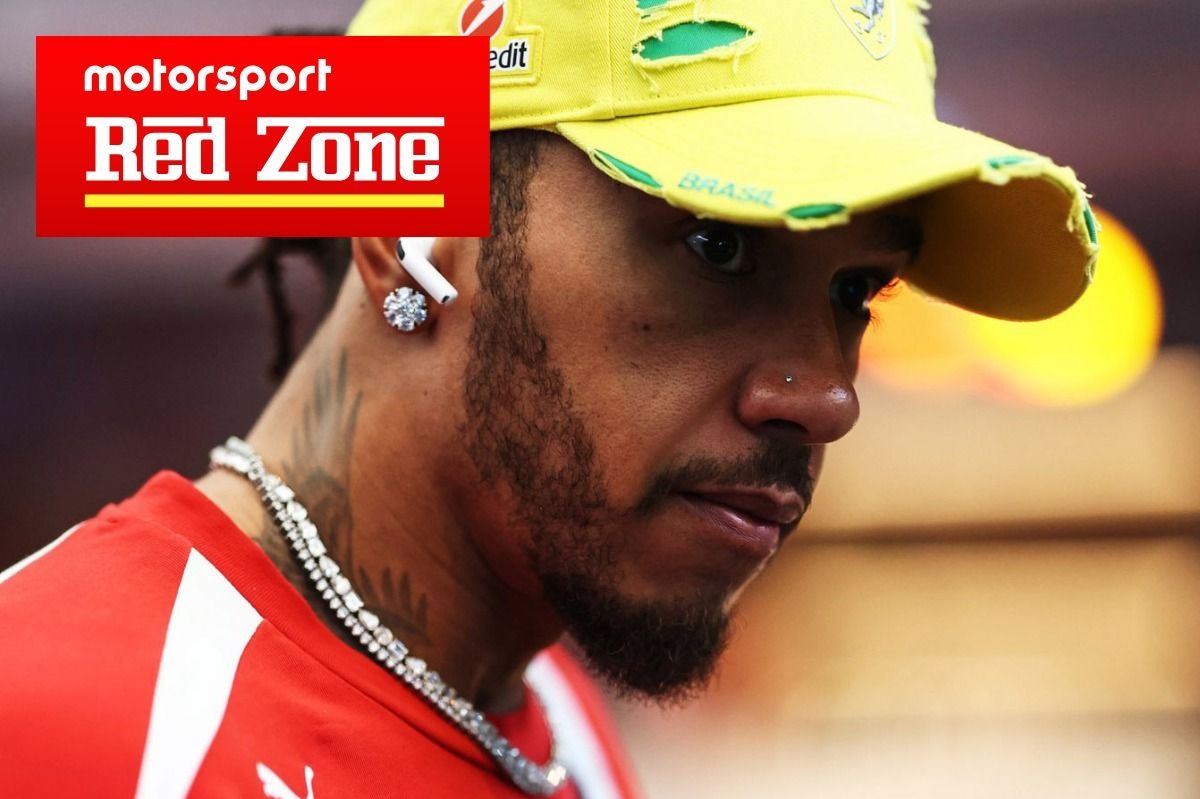
Within motorsport, only two drivers managed to pierce the elite top 50 of the 2026 index:
- Charles Leclerc (Ferrari): Ranked 9th globally (Score: 71.12 / Previous: 25th). Leclerc’s rise reflects his growing maturity, strong demographic appeal, and the enduring global allure of the Ferrari brand.
- Lewis Hamilton (Ferrari): Ranked 22nd globally (Score: 66.63 / Previous: 1st). Despite the steep numerical drop, ranking 22nd among all athletes globally still places him in rare air.
- Max Verstappen (Red Bull Racing): Ranked 48th globally (Previous: 81st). The Dutch driver’s commercial stock has risen significantly, driven by his continued dominance on the asphalt and expanding global fanbase.
Expanding the Lens: The Top 100 and Beyond
Venturing beyond the premier 50 spots unveils a fascinating snapshot of Formula 1’s changing generation:
- Oscar Piastri (McLaren): Placed 56th globally, marking a major milestone for the young Australian driver’s commercial footprint.
- Lando Norris (McLaren): Slipped significantly from 41st down to 78th globally, sitting surprisingly behind his teammate Piastri despite securing the 2025 drivers’ championship during the broader competitive cycle.
- Kimi Antonelli (Mercedes): Positioned at 126th globally. As noted, his low placement is a byproduct of the strict data collection window, which missed his explosive title-winning moments late in the year.
Official Perspectives: Analyzing the Drivers’ Broader Commercial Footprints
While numerical indexes provide a snapshot of a 12-month commercial window, industry experts point out that raw metrics fail to capture the full scope of an athlete’s economic influence.
In Lewis Hamilton’s case, his brand equity extends far beyond the confines of a Formula 1 paddock. Over the past decade, the seven-time champion has consciously cultivated a multi-disciplinary empire spanning high fashion, film production, music, and social activism. His partnerships with luxury global fashion houses, his attendance at major Met Gala and Paris Fashion Week events, and his involvement in Hollywood film projects (such as the upcoming F1 feature film starring Brad Pitt) mean his commercial viability is decoupled from a single season’s worth of race results.
Marketing analysts suggest that while Hamilton’s score took a predictable hit due to his winless stretch during his debut Ferrari season (July 2025–June 2026), his foundational value as a cultural icon remains virtually unmatched in motorsport history.
At the same time, Charles Leclerc’s ascension to the top of the F1 marketability ladder highlights a generational changing of the guard. Leclerc appeals heavily to younger digital demographics, luxury watch brands, and high-end lifestyle sponsors. His deep-rooted association with Ferrari—having weathered the team’s rebuilding phases—has solidified his status as a loyal, long-term asset for corporate partners looking to tap into motorsport’s booming popularity among Gen-Z and millennial audiences.
Implications: What This Means for F1 Teams and Sponsors
The shifting marketability rankings carry profound implications for Formula 1 teams, commercial rights holders, and global brands looking to invest in the sport.
1. The Ferrari Dual-Threat Dynamics
For Scuderia Ferrari, having both Leclerc and Hamilton inside the global top 25 represents an unprecedented commercial coup. No other constructor on the grid boasts such powerful drawing power within a single driver lineup. However, the internal dynamic introduces intriguing challenges for brand partners. While Leclerc currently holds the upper hand in digital momentum and marketability scores, Hamilton’s cultural reach offers cross-industry opportunities that few athletes on earth can replicate. Sponsors looking to target luxury fashion, lifestyle, and social advocacy will continue to gravitate toward Hamilton, while tech, performance automotive, and premium watch brands will lean into Leclerc.
2. The Vulnerability of Champions to Short-Term Slumps
The drastic drop in Hamilton’s score—from first to 22nd—serves as a cautionary tale regarding how heavily algorithmic marketability indexes weigh short-term sporting momentum. A single difficult season or a transitional year with a new team can artificially depress an athlete’s commercial score, even if their underlying cultural capital remains pristine. This realization may prompt sports management agencies to work more closely with data analytics firms like NorthStar Solutions Group to better insulate elite athletes from the volatility of single-season sporting dips.
3. The Rising Value of the F1 Midfield and Next-Gen Stars
The notable climbs of Max Verstappen and Oscar Piastri, alongside the future spike expected for Kimi Antonelli, underscore the commercial decentralization of Formula 1. Sponsors are no longer banking solely on legacy names. The explosive growth of F1’s global audience—fueled by the Drive to Survive effect and expanded race calendars in key markets like the United States—means that young, hungry drivers competing at the sharp end of the grid are rapidly capturing global market share.
As the Formula 1 circus heads into the final races of the season, the battle lines are drawn not just on the timing screens, but in corporate boardrooms worldwide. While the 2026 SportsPro rankings crown Charles Leclerc as F1’s current commercial king, the relentless evolution of the sport guarantees that these standings will continue to twist and turn at breakneck speed.

 Ali Ikhwan

 Pevita Pearce
 Muslim
 Neng Nana
 Nana
 Iffa Jayyana