Trending News:Formula 1 Clears Path for Middle Eastern Season Finale Despite Regional InstabilityThe Hare and the House: The Intellectual Property Tug-of-War Over Jazz JackrabbitThe Global Stage Reimagined: Your Comprehensive Guide to the 2026 Nations ChampionshipThe Evolution of Gravel Racing: Inside The Traka World Series’ New 2027 Ranking and Qualification ArchitectureA New Chapter: Olympic Legend Tatjana Smith Switches Allegiance to the NetherlandsThe Art of the Corduroy: Ranking the Top 10 Eastern Ski Resorts for GroomingBeyond the Curly Hair and the Legend: How Kimi Antonelli Earned the Blessing of the Senna FamilyThe Paper Archive: How One Man’s Four-Decade Obsession Preserved a Century of Rugby HistoryCanyon-SRAM Enters the AI Era: German WorldTour Squad Pioneers Machine Learning in Women’s Cycling with FasCat PartnershipInside the Rise of Van Deer-Red Bull Sports: How a Racing Legend’s Startup is Shaking Up the Ski IndustryFord Stars to Light Up Daytona: Star-Studded Veteran’s Day Charity Race Blends Motorsport Glory with National GratitudeThe Weight of a Long Season: Why George Russell’s Defeatist Look at Interlagos Tells a Deeper F1 StoryDavid vs. Goliath: Italy Faces Springbok Might in Turin’s Nations Championship ClashA Record-Breaking Masterclass: Marrit Steenbergen Shatters Long-Standing Dutch IM StandardThe Ultimate Storm-Chasing Playbook: Expert-Tested Gear for the Deepest Winter CyclesGeorge Russell Teases Karting Academy Launch in Mysterious Social Media Video Ahead of Final F1 StretchHyrule’s New Physics: Speedrunners Break The Legend of Zelda: Ocarina of Time Remake in Record TimeHistory in the Making: Can Scotland Finally Break the All Black Curse at Murrayfield?Behind the Scenes with Luke Tuckwell: How an Early Finish and a Reset Off-Season Are Fueling His 2027 CampaignWeekend Cross-Country Roundup: Grace Baker Ends Title Drought as Regional Leagues Fire into LifeA New Chapter: Olympic Gold Medalist Shayna Jack Marries Joel RintalaBeyond the Stereotype: The Ultimate Guide to the East Coast’s Top 10 Snow ResortsGeorge Russell Teases Major Karting Venture Ahead of Imminent November 12 AnnouncementBeyond the Simulations: Max Verstappen Defies All Odds with Historic Charge from P21 to P2 at InterlagosA Clash of Titans: Australia and Samoa Set for High-Stakes World Cup Semi-Final ShowdownThe Ascension of Isaac del Toro: From Mexican Prodigy to WorldTour DominatorBeyond the Powder: How Red Bull and Legs of Steel’s ‘We Can’t Not’ Reimagines the Modern Ski Film for EveryoneDefying the Data: Max Verstappen’s Legendary Interlagos Charge Rewrites the Red Bull PlaybookAntonelli Channels Frustration into Celebration as Mercedes Secures F1 Constructors’ Crown in BrazilA Defining Sunday at Twickenham: England Faces Australia in Crucial Nations Championship ClashA New Era in the Arena: The WTGL Launches High-Tech Golf for the Women’s GameNHL Department of Player Safety Fines Islanders’ Logan Stanley Maximum Amount Following Heated Clash with Devils’ Nico HischierSlow Start Derails Cameron Mason’s Podium Quest at European Cyclo-cross Championships in ZeddamSpeed and Stakes: Russian Short Course Nationals Intensify Selection Drama for BeijingThe Great White Horizon: How Québec’s Public Lands and Deep-Rooted Winter Culture Define the Ultimate Cold-Weather ExpeditionFrom Potential Glory to Frustration: Kimi Antonelli’s Brazilian Grand Prix Drama and Mercedes’ Triumphant MilestoneLiam Lawson Laments "What Might Have Been" After Sao Paulo GP Qualifying Mistake Promotes Him to P3Wales vs Japan: Gallagher Premiership Stars Converge for a Tactical Showdown at the PrincipalityThe Last Stand? Max Scherzer’s Offseason “Lockout Games” and the Quest for Milestone HistoryDrama in Zeddam: Lucinda Brand Awarded European Cyclo-cross Title After Dramatic Sprint RelegationThe College Swimming League Announces Return for Season Two Following Inaugural SuccessThe State of North American Skiing: Inside the 2027 Reader Resort Survey RankingsLawson Left Wanting More in Sao Paulo Despite Securing P3 Grid Slot After Wet Qualifying ThrillerStrategic Surrender in the Rain: Why Max Verstappen’s Early Interlagos Exit Masks a Bigger F1 WarningA Final Journey Cut Short: The Tragic Death of Travel Vlogger JinsTravelRugby Showdown: France Host Fiji in Pivotal Nations Championship ClashStars and Stripes Shine Bright: Ada Watson and Miles Mattern Claim U23 Titles at the 2026 Pan-American Cyclo-cross ChampionshipsSt. Petersburg Shines: 2026 Russian Short Course National Championships Intensify World Championship BidsThe Enduring Resilience of a Ski Icon: Lindsey Vonn Faces Her Final Milestone After Milano CortinaInside Mercedes’ Interlagos Drama: Toto Wolff Defends George Russell After Heated Brazilian GP Qualifying OutburstChasing Seven: How Lewis Hamilton’s Historic Milestone Ignited Lando Norris’s Multi-Title AmbitionsA Legacy in Every Pack: The Heartfelt Plea of Avery “The Poke Kid’s” FatherA High-Stakes Showdown: New Zealand and Fiji Clash for Rugby League World Cup SurvivalArizona Diamondbacks Star Corbin Carroll Undergoes Elbow Procedure: A Comprehensive Look at the Road AheadThe Integrity Crisis: Brett Hawke’s Enhanced Games Role Sparks U.S. Masters Swimming ControversyThe 2027 Backcountry Ski Pack Gear Guide: Innovation, Ergonomics, and Rigorous Field TestingThe Hunger for More: How Lewis Hamilton’s Seven Titles Fuel Lando Norris’s F1 AmbitionsA Night of Drama at Goodison: Everton Complete Resilient Comeback to Sink Coventry CityEchoes of Mercedes Past: Inside Ferrari’s Post-Mexico F1 Fallout and Toto Wolff’s Wise CounselBurger King Unveils Highly Anticipated 2026 Advent Calendar: A Miniature Masterpiece for CollectorsA Northern Lights Showdown: Ireland and Argentina Open the Nations ChampionshipThe Ultimate Guide to Golf Bag Gifting: Elevating the Game This Holiday SeasonThe Evolution of MLB Trade Rumors: A Deep Dive into the "Front Office" EraStar-Studded Cardiff Cross Challenge Marks Laura Muir’s Long-Awaited Return to Muddy Cross-CountryThe Pinnacle of Collegiate Speed: Virginia Eyes Title at Inaugural College Swim League ChampionshipBeyond the Lift Ticket: How Skiers at Vail and Beyond Are Defying On-Mountain Dining Prices with Slopeside GrillingA Reckoning at Homestead: Carson Hocevar Faces the Music After Martinsville FalloutEuropean Nights: Bournemouth March On as Milan Stumble and Sunderland’s Woes DeepenAmazon Prime Elevates Food Delivery: A Comprehensive Look at the New Uber Eats IntegrationThe Business End: Rugby League World Cup 2026 Reaches Fever Pitch as Semi-Finals LoomRising Stars in the Professional Peloton: Navigating the Brutal Reality of the Neo-Pro EraBrazilian Freestyle Talent Joao Bodemeier Commits to LSU: A New Era for Tigers SwimmingExhausted and Eclipsed: Inside George Russell’s Brutal 2026 Formula 1 SeasonEuropean Football Night: High Drama, Red Cards, and Late Rescues Across the ContinentThe New Vanguard: Analyzing the Modern Warfare 4 and Warzone Season 1 Meta ShiftThe November Hiatus: How the Nations Championship is Reshaping the Global Rugby CalendarThe Rise and Fall of the LIV Golf Experiment: A Five-Year OdysseyNew York Mets Bolster Offensive Staff: Johnny Washington Named Co-Hitting CoachJoran Wyseure Triumphs in Dramatic Nighttime Superprestige Middelkerke ThrillerOlympic Medalist Tomoru Honda Handed 21-Month Suspension Following Criminal Driving OffenseLando Norris Blasts F1’s "Artificial" Speed Limits After Frustrating Mexico City GP TrainThe Fight for a Dynasty: Indian River State College Launches $15 Million Endowment to Save Iconic Swim ProgramThe Definitive East Coast Skiing Hierarchy: Inside SKI’s 2026–’27 Reader Resort SurveyHanley Motorsports and DXDT Racing Join Forces for Massive 2027 IMSA Expansion with BMW Factory SupportThe 2027 Formula 1 Grid Paradox: Why Liam Lawson’s Standout Midfield Campaign May Not Save His SeatVelocity and Resilience: Inside BYD’s High-Stakes Pursuit of the 310-MPH BarrierThe Global Rugby Revolution: Your Ultimate Guide to the 2026 Nations ChampionshipThe Global Ambassador Debate: Rory McIlroy Defends Scottie Scheffler’s Domestic FocusHouston’s Managerial Search Intensifies: Pujols and Ensberg Emerge as Key CandidatesThe Nikita Kucherov Conundrum: Why a Tampa Bay Lightning Trade Might Not Happen Before the DeadlineUnibet Rose Rockets Secure Major Coup with Appointment of Aike Visbeek as Head of Racing for 2027 SeasonThe Future of Competitive Swimming: Speedo iQ and the Quest for Data-Driven PerformanceThe Invisible Toll: Why That ‘Fine-Looking’ Ski Helmet Must Be Traded In After a CrashThe Liam Lawson Paradox: Why Formula 1’s Midfield Standout Is Still Fighting for His 2027 FutureCadillac’s F1 Superlicense Chase for Colton Herta Takes Center Stage at the Sao Paulo Grand PrixThe Century Club: A Deep Dive into the Most Prolific Finishers in Premiership Rugby HistoryRays Reliever Edwin Uceta Sidelined Following Shoulder Surgery; 2027 Outlook UncertainGabi Brito: The High School Prodigy Set to Redefine the Golden Bear LegacyThe Unsung Hero of Slope Safety: Why Your Outer Hip is the Key to Surviving Ski Season Injury-FreeBarcelona Dismantle Aston Villa: A Tactical Masterclass at the Camp Nou
Trending News:Formula 1 Clears Path for Middle Eastern Season Finale Despite Regional InstabilityThe Hare and the House: The Intellectual Property Tug-of-War Over Jazz JackrabbitThe Global Stage Reimagined: Your Comprehensive Guide to the 2026 Nations ChampionshipThe Evolution of Gravel Racing: Inside The Traka World Series’ New 2027 Ranking and Qualification ArchitectureA New Chapter: Olympic Legend Tatjana Smith Switches Allegiance to the NetherlandsThe Art of the Corduroy: Ranking the Top 10 Eastern Ski Resorts for GroomingBeyond the Curly Hair and the Legend: How Kimi Antonelli Earned the Blessing of the Senna FamilyThe Paper Archive: How One Man’s Four-Decade Obsession Preserved a Century of Rugby HistoryCanyon-SRAM Enters the AI Era: German WorldTour Squad Pioneers Machine Learning in Women’s Cycling with FasCat PartnershipInside the Rise of Van Deer-Red Bull Sports: How a Racing Legend’s Startup is Shaking Up the Ski IndustryFord Stars to Light Up Daytona: Star-Studded Veteran’s Day Charity Race Blends Motorsport Glory with National GratitudeThe Weight of a Long Season: Why George Russell’s Defeatist Look at Interlagos Tells a Deeper F1 StoryDavid vs. Goliath: Italy Faces Springbok Might in Turin’s Nations Championship ClashA Record-Breaking Masterclass: Marrit Steenbergen Shatters Long-Standing Dutch IM StandardThe Ultimate Storm-Chasing Playbook: Expert-Tested Gear for the Deepest Winter CyclesGeorge Russell Teases Karting Academy Launch in Mysterious Social Media Video Ahead of Final F1 StretchHyrule’s New Physics: Speedrunners Break The Legend of Zelda: Ocarina of Time Remake in Record TimeHistory in the Making: Can Scotland Finally Break the All Black Curse at Murrayfield?Behind the Scenes with Luke Tuckwell: How an Early Finish and a Reset Off-Season Are Fueling His 2027 CampaignWeekend Cross-Country Roundup: Grace Baker Ends Title Drought as Regional Leagues Fire into LifeA New Chapter: Olympic Gold Medalist Shayna Jack Marries Joel RintalaBeyond the Stereotype: The Ultimate Guide to the East Coast’s Top 10 Snow ResortsGeorge Russell Teases Major Karting Venture Ahead of Imminent November 12 AnnouncementBeyond the Simulations: Max Verstappen Defies All Odds with Historic Charge from P21 to P2 at InterlagosA Clash of Titans: Australia and Samoa Set for High-Stakes World Cup Semi-Final ShowdownThe Ascension of Isaac del Toro: From Mexican Prodigy to WorldTour DominatorBeyond the Powder: How Red Bull and Legs of Steel’s ‘We Can’t Not’ Reimagines the Modern Ski Film for EveryoneDefying the Data: Max Verstappen’s Legendary Interlagos Charge Rewrites the Red Bull PlaybookAntonelli Channels Frustration into Celebration as Mercedes Secures F1 Constructors’ Crown in BrazilA Defining Sunday at Twickenham: England Faces Australia in Crucial Nations Championship ClashA New Era in the Arena: The WTGL Launches High-Tech Golf for the Women’s GameNHL Department of Player Safety Fines Islanders’ Logan Stanley Maximum Amount Following Heated Clash with Devils’ Nico HischierSlow Start Derails Cameron Mason’s Podium Quest at European Cyclo-cross Championships in ZeddamSpeed and Stakes: Russian Short Course Nationals Intensify Selection Drama for BeijingThe Great White Horizon: How Québec’s Public Lands and Deep-Rooted Winter Culture Define the Ultimate Cold-Weather ExpeditionFrom Potential Glory to Frustration: Kimi Antonelli’s Brazilian Grand Prix Drama and Mercedes’ Triumphant MilestoneLiam Lawson Laments "What Might Have Been" After Sao Paulo GP Qualifying Mistake Promotes Him to P3Wales vs Japan: Gallagher Premiership Stars Converge for a Tactical Showdown at the PrincipalityThe Last Stand? Max Scherzer’s Offseason “Lockout Games” and the Quest for Milestone HistoryDrama in Zeddam: Lucinda Brand Awarded European Cyclo-cross Title After Dramatic Sprint RelegationThe College Swimming League Announces Return for Season Two Following Inaugural SuccessThe State of North American Skiing: Inside the 2027 Reader Resort Survey RankingsLawson Left Wanting More in Sao Paulo Despite Securing P3 Grid Slot After Wet Qualifying ThrillerStrategic Surrender in the Rain: Why Max Verstappen’s Early Interlagos Exit Masks a Bigger F1 WarningA Final Journey Cut Short: The Tragic Death of Travel Vlogger JinsTravelRugby Showdown: France Host Fiji in Pivotal Nations Championship ClashStars and Stripes Shine Bright: Ada Watson and Miles Mattern Claim U23 Titles at the 2026 Pan-American Cyclo-cross ChampionshipsSt. Petersburg Shines: 2026 Russian Short Course National Championships Intensify World Championship BidsThe Enduring Resilience of a Ski Icon: Lindsey Vonn Faces Her Final Milestone After Milano CortinaInside Mercedes’ Interlagos Drama: Toto Wolff Defends George Russell After Heated Brazilian GP Qualifying OutburstChasing Seven: How Lewis Hamilton’s Historic Milestone Ignited Lando Norris’s Multi-Title AmbitionsA Legacy in Every Pack: The Heartfelt Plea of Avery “The Poke Kid’s” FatherA High-Stakes Showdown: New Zealand and Fiji Clash for Rugby League World Cup SurvivalArizona Diamondbacks Star Corbin Carroll Undergoes Elbow Procedure: A Comprehensive Look at the Road AheadThe Integrity Crisis: Brett Hawke’s Enhanced Games Role Sparks U.S. Masters Swimming ControversyThe 2027 Backcountry Ski Pack Gear Guide: Innovation, Ergonomics, and Rigorous Field TestingThe Hunger for More: How Lewis Hamilton’s Seven Titles Fuel Lando Norris’s F1 AmbitionsA Night of Drama at Goodison: Everton Complete Resilient Comeback to Sink Coventry CityEchoes of Mercedes Past: Inside Ferrari’s Post-Mexico F1 Fallout and Toto Wolff’s Wise CounselBurger King Unveils Highly Anticipated 2026 Advent Calendar: A Miniature Masterpiece for CollectorsA Northern Lights Showdown: Ireland and Argentina Open the Nations ChampionshipThe Ultimate Guide to Golf Bag Gifting: Elevating the Game This Holiday SeasonThe Evolution of MLB Trade Rumors: A Deep Dive into the "Front Office" EraStar-Studded Cardiff Cross Challenge Marks Laura Muir’s Long-Awaited Return to Muddy Cross-CountryThe Pinnacle of Collegiate Speed: Virginia Eyes Title at Inaugural College Swim League ChampionshipBeyond the Lift Ticket: How Skiers at Vail and Beyond Are Defying On-Mountain Dining Prices with Slopeside GrillingA Reckoning at Homestead: Carson Hocevar Faces the Music After Martinsville FalloutEuropean Nights: Bournemouth March On as Milan Stumble and Sunderland’s Woes DeepenAmazon Prime Elevates Food Delivery: A Comprehensive Look at the New Uber Eats IntegrationThe Business End: Rugby League World Cup 2026 Reaches Fever Pitch as Semi-Finals LoomRising Stars in the Professional Peloton: Navigating the Brutal Reality of the Neo-Pro EraBrazilian Freestyle Talent Joao Bodemeier Commits to LSU: A New Era for Tigers SwimmingExhausted and Eclipsed: Inside George Russell’s Brutal 2026 Formula 1 SeasonEuropean Football Night: High Drama, Red Cards, and Late Rescues Across the ContinentThe New Vanguard: Analyzing the Modern Warfare 4 and Warzone Season 1 Meta ShiftThe November Hiatus: How the Nations Championship is Reshaping the Global Rugby CalendarThe Rise and Fall of the LIV Golf Experiment: A Five-Year OdysseyNew York Mets Bolster Offensive Staff: Johnny Washington Named Co-Hitting CoachJoran Wyseure Triumphs in Dramatic Nighttime Superprestige Middelkerke ThrillerOlympic Medalist Tomoru Honda Handed 21-Month Suspension Following Criminal Driving OffenseLando Norris Blasts F1’s "Artificial" Speed Limits After Frustrating Mexico City GP TrainThe Fight for a Dynasty: Indian River State College Launches $15 Million Endowment to Save Iconic Swim ProgramThe Definitive East Coast Skiing Hierarchy: Inside SKI’s 2026–’27 Reader Resort SurveyHanley Motorsports and DXDT Racing Join Forces for Massive 2027 IMSA Expansion with BMW Factory SupportThe 2027 Formula 1 Grid Paradox: Why Liam Lawson’s Standout Midfield Campaign May Not Save His SeatVelocity and Resilience: Inside BYD’s High-Stakes Pursuit of the 310-MPH BarrierThe Global Rugby Revolution: Your Ultimate Guide to the 2026 Nations ChampionshipThe Global Ambassador Debate: Rory McIlroy Defends Scottie Scheffler’s Domestic FocusHouston’s Managerial Search Intensifies: Pujols and Ensberg Emerge as Key CandidatesThe Nikita Kucherov Conundrum: Why a Tampa Bay Lightning Trade Might Not Happen Before the DeadlineUnibet Rose Rockets Secure Major Coup with Appointment of Aike Visbeek as Head of Racing for 2027 SeasonThe Future of Competitive Swimming: Speedo iQ and the Quest for Data-Driven PerformanceThe Invisible Toll: Why That ‘Fine-Looking’ Ski Helmet Must Be Traded In After a CrashThe Liam Lawson Paradox: Why Formula 1’s Midfield Standout Is Still Fighting for His 2027 FutureCadillac’s F1 Superlicense Chase for Colton Herta Takes Center Stage at the Sao Paulo Grand PrixThe Century Club: A Deep Dive into the Most Prolific Finishers in Premiership Rugby HistoryRays Reliever Edwin Uceta Sidelined Following Shoulder Surgery; 2027 Outlook UncertainGabi Brito: The High School Prodigy Set to Redefine the Golden Bear LegacyThe Unsung Hero of Slope Safety: Why Your Outer Hip is the Key to Surviving Ski Season Injury-FreeBarcelona Dismantle Aston Villa: A Tactical Masterclass at the Camp Nou
Formula 1’s high-stakes 2026 season is officially on track to conclude with its planned Middle Eastern double-header in Qatar and Abu Dhabi. Motorsport governing bodies, commercial rights holders, and team principals have confirmed that the Lusail International Circuit and the Yas Marina Circuit will host the final rounds of the championship as scheduled, provided there is no dramatic, unforeseen escalation in the ongoing geopolitical conflict involving Iran.
The security assessment, cleared by active travel insurance policies and up-to-date government advisory frameworks, means that F1 will proceed with its grueling concluding triple-header: Las Vegas, followed swiftly by Qatar and Abu Dhabi.
However, the green light comes with a crucial caveat. Formula 1 Management (FOM) and the Fédération Internationale de l’Automobile (FIA) remain acutely aware of the fluid nature of the geopolitical landscape. Officials have emphasized that safety remains the absolute priority, and contingency plans—including a potential alternative season finale at Italy’s historic Imola circuit—remained active until a key November 10 deadline passed without triggering a relocation. While the paddock breathes a sigh of relief, the margin for error remains razor-thin as the circus prepares to head into the region.
Chronology of Disruption: How Conflict Impacted the 2026 Calendar
The seeds of uncertainty were sown in late February 2026, when escalating military tensions in the Middle East—sparked by joint United States and Israeli strikes on Iran—sent shockwaves across the region. The sudden geopolitical instability immediately reverberated through the international motorsport calendar, forcing series organizers to hastily redesign schedules to bypass hotspots and protect traveling personnel.
Formula 1 was not immune to the fallout. The Saudi Arabian Grand Prix, traditionally a lucrative early-season spectacle, was canceled outright as security assessments deemed the risks too high. Meanwhile, the Bahrain Grand Prix faced severe logistical hurdles, ultimately resulting in its postponement and a relocated race weekend hosted at the Sepang International Circuit in Malaysia.
Other motorsport categories experienced similar disruptions. Last weekend, while the MotoGP circus successfully completed its round at the Lusail International Circuit in Qatar without major incident, the geopolitical tension still cast a shadow over the paddock. Most notably, both factory and satellite Yamaha teams chose to withdraw entirely from the competition citing localized safety concerns.
For Formula 1, the critical internal deadline arrived on November 10. FOM was required to give Imola—designated as the emergency fallback venue—a definitive answer on whether the Italian track needed to radically accelerate preparations to host a championship-deciding grand prix on the first weekend of December. With the deadline passing and no escalation forcing their hand, F1 opted to stick to its original itinerary, declining the Imola bailout.
Supporting Data and Logistical Realities
The logistical undertaking of wrapping up a modern Formula 1 world championship is immense under normal circumstances; doing so amid regional tensions compounds the difficulty exponentially.
The Final Triple-Header: The 2026 season will draw to a close with the demanding Las Vegas-Qatar-Abu Dhabi triple-header. Freight and personnel must make the trans-Pacific and trans-continental leap from Nevada directly to the Persian Gulf in a matter of days.
Insurance and Advisory Metrics: F1’s decision to press forward is heavily anchored in objective data points, namely international risk assessments, active commercial travel insurance availability, and sovereign government advisories. As long as airspace remains officially open, commercial airlines maintain routes, and localized government guidance does not issue active red-zone warnings, the races retain their operational permits.
The Imola Contingency: Imola stood ready as a viable European backup for early December. Had the November 10 deadline swung the other way, European logistics would have dramatically compressed shipping times, sparing teams the flight paths over volatile Middle Eastern airspace.
Official Responses: Team Principals Place Trust in FOM and FIA
In the face of lingering uncertainties, Formula 1 team bosses have maintained a unified, pragmatic stance. Leadership across the paddock has expressed absolute confidence in the guidance provided by F1 CEO Stefano Domenicali and FIA President Mohammed Ben Sulayem, emphasizing that sporting decisions must defer to intelligence-led security updates.
Ferrari Team Principal Fred Vasseur addressed the media candidly during the Mexican Grand Prix weekend, cutting straight to the core ethos of the racing community.
"I trust them to take the best decision for all of us," Vasseur stated. "Me, personally, I want to race. It doesn’t matter where, but I want to race. Now, I will go where they will tell us to go."
Mercedes Team Principal Toto Wolff expanded on the collaborative decision-making process during Friday’s press conference at Interlagos, highlighting the reliance on international guidelines and governmental intelligence rather than paddock speculation.
"Stefano and Mohammed have been pretty clear about the situation—that Formula 1 follows what international guidelines are, whether there are travel restrictions, airlines not flying, any warnings in the region, [and] the kind of feedback that local governments are making," Wolff explained.
"So, not only the promoters, but what the local governments are making. And this is what you need to rely on, in my opinion, and I’m fully with that."
Addressing the divergence in approaches between series—such as Yamaha’s withdrawal from the recent MotoGP event in Qatar—Wolff defended personal autonomy while underscoring F1’s robust monitoring mechanisms.
"If riders stand up, who know nothing geopolitically about what’s going on, but have an audience that listens, I think that is something that creates media value," Wolff noted. "But I would have done the same as MotoGP management has done. You want to ride or drive, go. If you don’t want to, don’t go. It’s as simple as that, and everybody can take their personal decisions on that, and I respect that."
Reassuring team members who might feel apprehensive about traveling to the region, Wolff confirmed that internal flexibility and understanding remain paramount within elite team structures.
"From what I’m hearing internally, it hasn’t been raised. It hasn’t been a topic," Wolff said. "But also there, if someone feels they don’t feel comfortable… then it’s something that I would always respect. And maybe that’s an opportunity to give somebody else a chance. It wouldn’t change anything for the relationship. I’ve always respected that some people didn’t want to go to certain grands prix, and that’s how I see it at the moment."
Implications for the Championship and the Future of Global Motorsport
As the 2026 Formula 1 World Championship hurtles toward its dramatic crescendo, the decision to press forward with the Middle Eastern finales carries profound implications for the sport, its commercial partners, and international sports diplomacy.
Sporting Integrity: Preserving the final races in their intended venues ensures that the championship concludes on traditional circuits purpose-built for modern F1 machinery, avoiding the competitive anomalies that an emergency switch to Imola might have introduced.
Precedent for Global Sports: By tying its operational decisions strictly to state-level diplomatic advice, insurance matrices, and international aviation safety, F1 establishes a clear demarcation between geopolitical commentary and professional risk management. It insulates the sport from subjective public pressure while retaining the agility to pull the plug if hard safety metrics are breached.
The Human Element: Team leadership’s willingness to accommodate individual staff members who choose to opt out of travel underscores an evolving corporate conscience within motorsport. Balancing the show’s demands with personal mental wellbeing and safety apprehension reflects a maturing paddock culture.
Ultimately, while the shadow of regional conflict remains a sobering backdrop to the championship showdown, the paddock prepares for the desert lights of Lusail and Yas Marina with cautious optimism, ready to crown the 2026 champions under conditions dictated strictly by peace, preparation, and safety.
Beyond the Curly Hair and the Legend: How Kimi Antonelli Earned the Blessing of the Senna Family
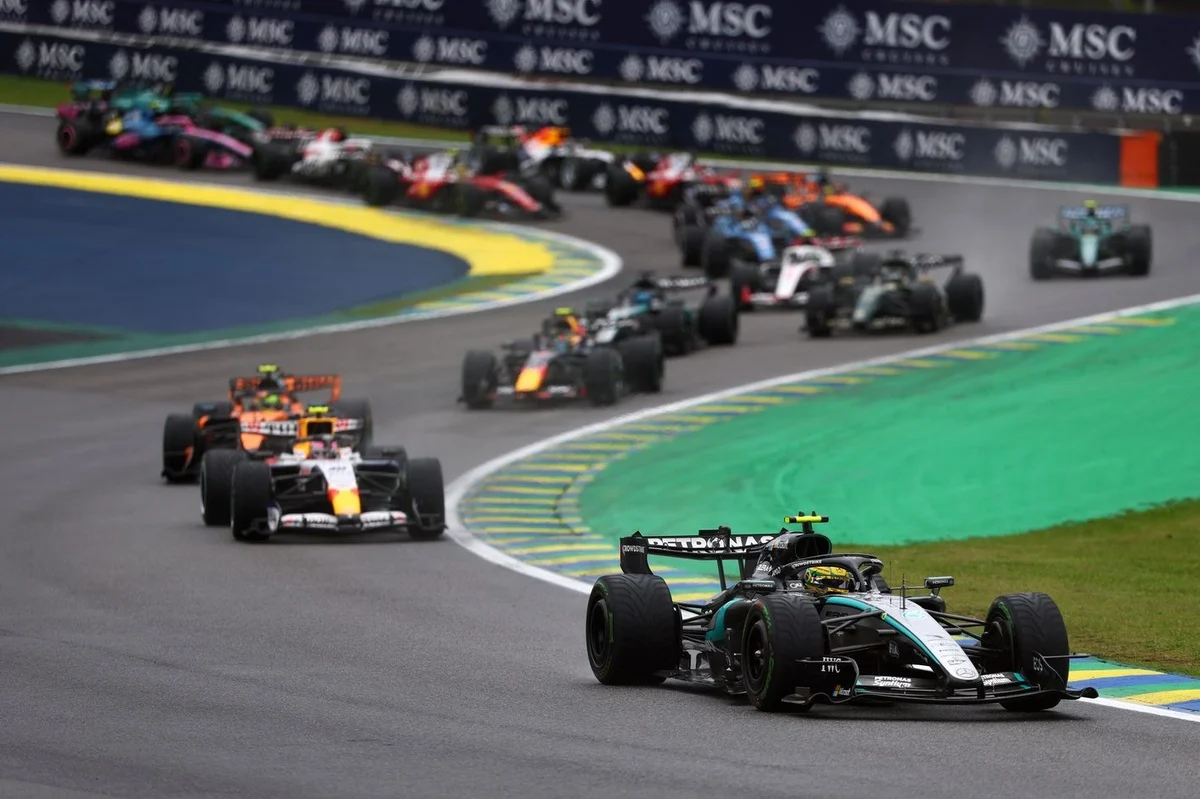
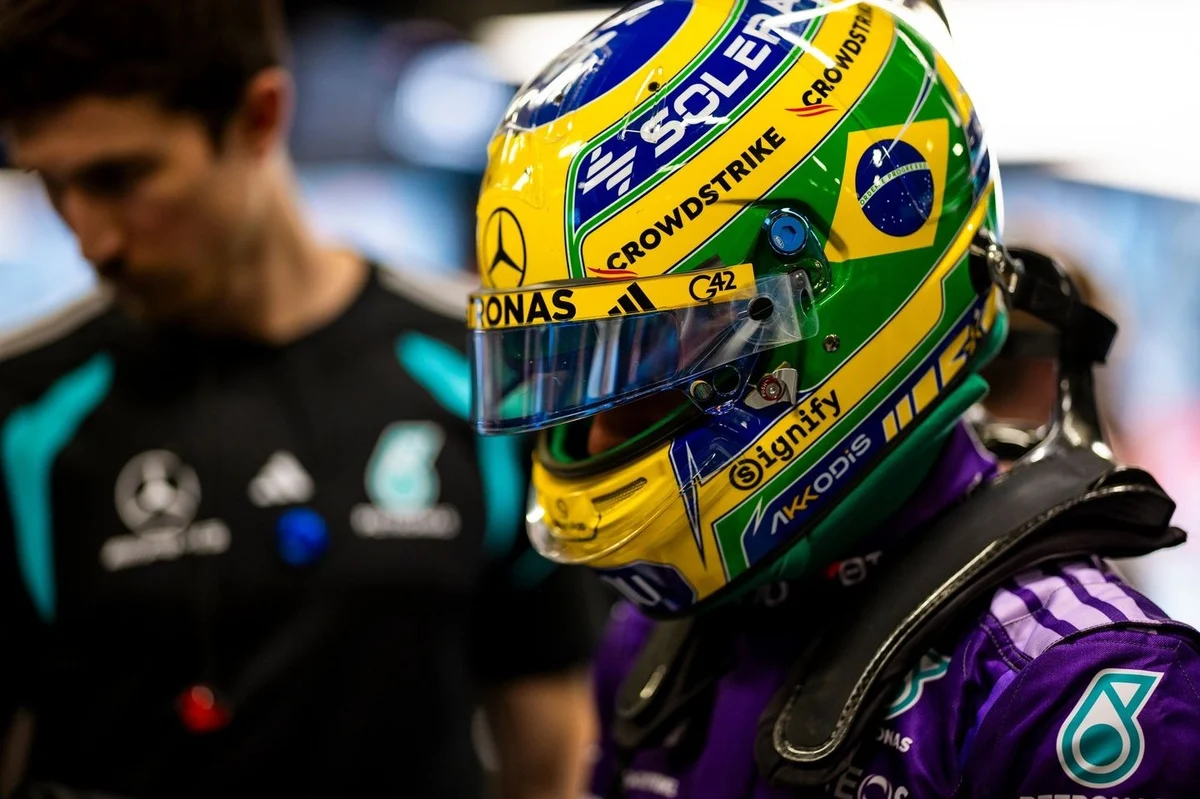
By Motorsport.com Staff To this day, Ayrton Senna remains the ultimate benchmark of Brazilian motorsport—the last Auriverde driver to claim the Formula 1 World Drivers’ Championship, a transcendent figure whose…
The Weight of a Long Season: Why George Russell’s Defeatist Look at Interlagos Tells a Deeper F1 Story
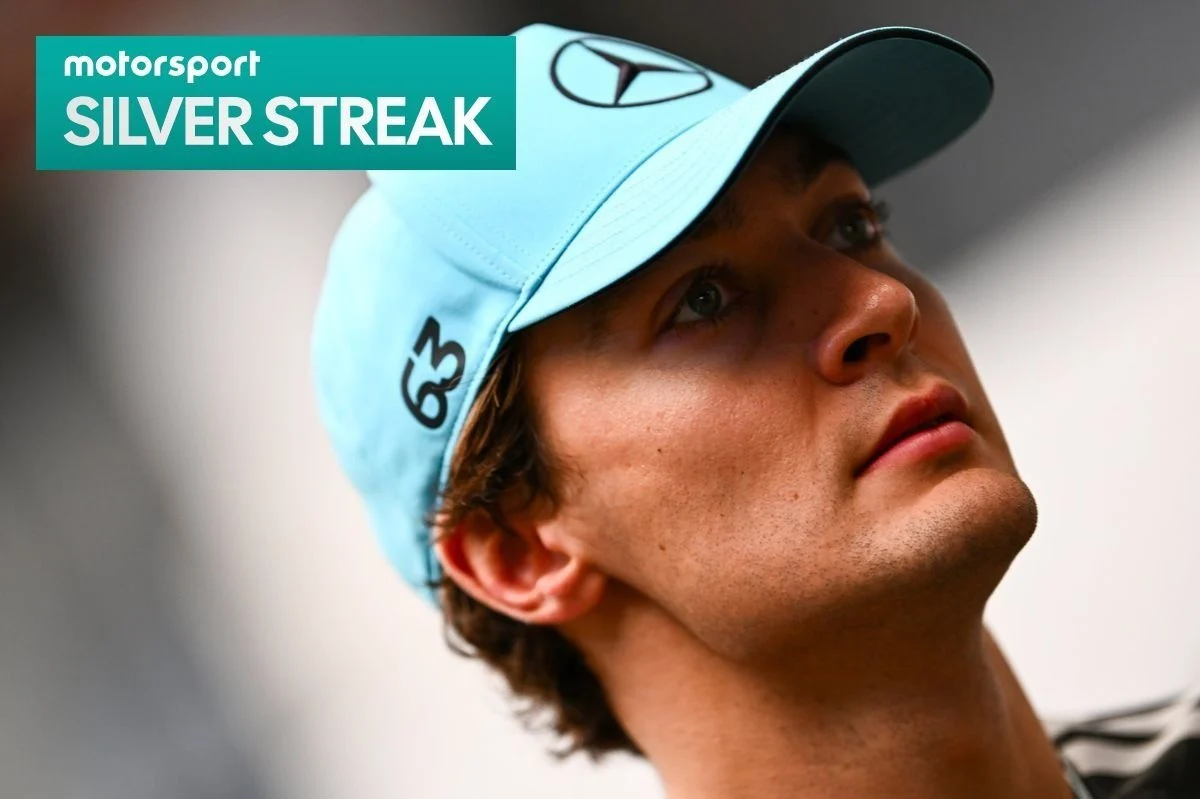
SAO PAULO — Formula 1 is a sport that magnifies human emotion on a global stage. Triumph and tragedy are separated by mere milliseconds, and the psychological toll of a…

 Ali Ikhwan


 Nana

 Evan Lee Salim
 Asro
 Ammar Sabilarrohman
 Neng Nana
 Layla Zulfa