
 Asro
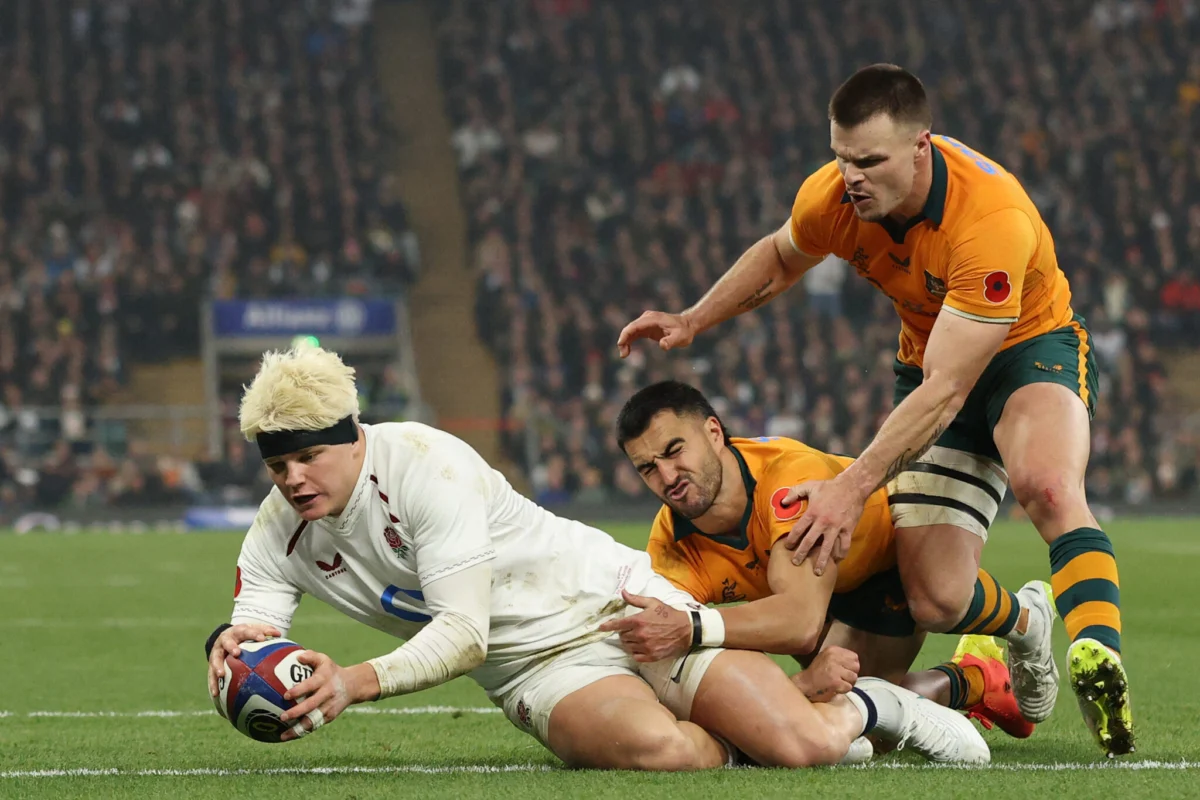
The landscape of international rugby underwent a seismic shift in 2026 with the introduction of the Nations Championship. Designed to move beyond the traditional, often disjointed structure of summer tours and autumn internationals, this biennial tournament has finally brought a cohesive, high-stakes narrative to the global game. As the competition prepares to reach its dramatic crescendo in late November, fans are witnessing the biggest sides from the northern and southern hemispheres colliding in a format that promises—and delivers—a relentless competitive edge.
The Evolution of the International Calendar
The Nations Championship represents a collaborative triumph between Six Nations Rugby and SANZAAR. The primary goal was to inject meaningful stakes into the traditional international windows. By replacing sporadic friendly fixtures with a structured league-style format, the tournament mimics the successful model of football’s UEFA Nations League.
The tournament is split into two distinct, high-intensity blocks. In July, European nations traveled south for three rounds of fixtures, battling for supremacy in the southern hemisphere’s mid-year window. Now, as the calendar turns to November, the "Rest of the World" sides—the Rugby Championship heavyweights plus Japan and Fiji—have descended upon Europe for a reciprocal series of matches that will ultimately decide the inaugural champion.
Tournament Structure and the Path to the Final
The competition features 12 elite nations: the traditional Six Nations (England, France, Ireland, Italy, Scotland, Wales) and the four Rugby Championship teams (Australia, New Zealand, South Africa, Argentina), bolstered by the inclusion of Fiji and Japan (classified as southern hemisphere for the purpose of the tournament).
The format is elegant in its simplicity: each team plays every opponent from the opposite group exactly once. This ensures that a powerhouse like South Africa or New Zealand faces off against the giants of Europe, creating a level of high-stakes, cross-hemisphere engagement that was previously only seen during quadrennial World Cups.
The Finals Weekend: A Grand Finale at Twickenham
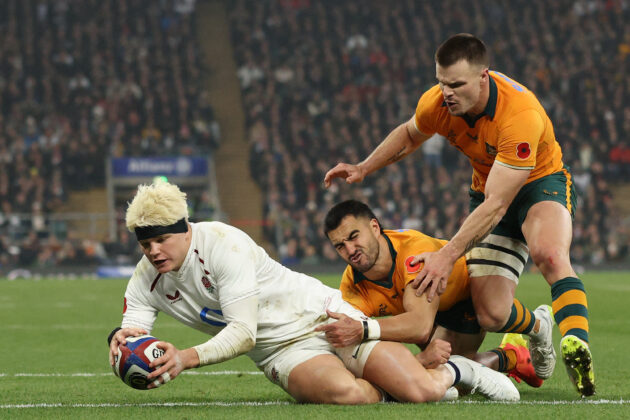
The culmination of this grueling schedule is a Finals Weekend, scheduled for November 27–29, 2026, at Allianz Stadium, Twickenham. Rather than a simple knockout bracket, the Finals Weekend operates on a ranking basis. Every team is paired with their counterpart from the opposite group based on their position in the final table.

If a team finishes first in their respective group, they earn the right to compete in the Grand Final. This structure guarantees that every match throughout the tournament—not just the final—has a direct impact on the ultimate standing of the nations. It is a system designed to eliminate "dead rubber" games, ensuring that even the lower-ranked matches carry the weight of a final-day promotion-style battle.
Chronology: The Road to November
The journey to the November showdown began in July, with three explosive rounds of rugby that set the tone for the season.
- Round 1–3 (July 2026): The southern hemisphere hosted the opening salvos, with European sides adjusting to the intensity of playing in hostile, southern environments.
- Round 4 (November 6–8, 2026): The competition resumed in Europe, with teams hitting the ground running in the cold, crisp conditions of the northern autumn.
- Round 5 (November 13–15, 2026): This critical penultimate round serves as the final opportunity for teams to solidify their position in the group tables before the crunch games.
- Round 6 (November 21, 2026): The final round of group fixtures. This is where the separation between the top-tier contenders and the rest of the pack will be finalized.
- Finals Weekend (November 27–29, 2026): The grand conclusion at Twickenham, where the tournament winner will be crowned.
The Competitive Landscape: Supporting Data
As of mid-November, the world rankings remain in constant flux, heavily influenced by the results of these fixtures. South Africa continues to lead the pack, though the margin for error has shrunk considerably. The Nations Championship has proven that the gap between the traditional superpowers and the emerging nations like Japan and Fiji is narrowing.

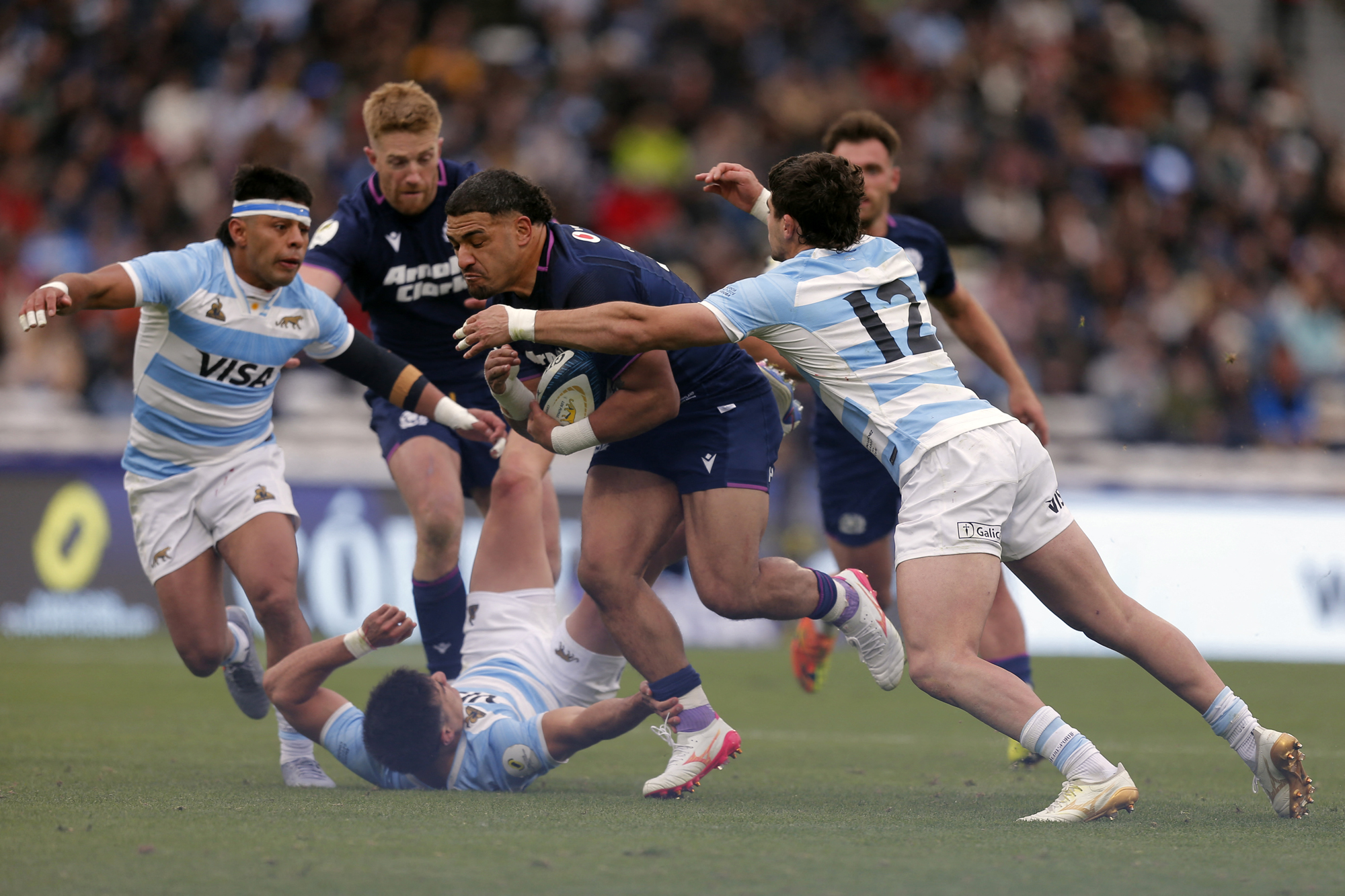
France and New Zealand’s recent 34-32 thriller in Christchurch served as a microcosm of the tournament’s success. High-scoring, aggressive, and technically proficient, the match showcased the best of what the Nations Championship aims to offer. Meanwhile, teams like Scotland have emerged as surprise packages, consistently testing the resilience of their southern hemisphere counterparts.
Broadcasting and Accessibility
To ensure maximum engagement, the tournament has secured a robust broadcasting strategy. Fans in the UK, Ireland, and France enjoy free-to-air access via ITV, Virgin Media, and TF1 respectively. In the southern hemisphere, the tournament is available via premium sports networks like Stan Sport (Australia) and Sky Sport (New Zealand), reflecting the massive appetite for top-tier rugby in those markets.
Official Responses and Strategic Implications
World Rugby, alongside the participating unions, has lauded the competition as a "game-changer" for the sport’s financial and sporting health. By centralizing the international calendar, they have managed to sell commercial rights with greater efficacy, creating a more sustainable financial model for smaller unions.
However, the question of promotion and relegation remains a point of contention. While World Rugby has confirmed that there is currently no mechanism for moving between the top-tier Nations Championship and the second-tier Nations Cup, they have hinted that this will be a primary topic of discussion for the 2030 cycle. The current priority is stability, but the long-term vision is clearly one of an inclusive, meritocratic global pyramid.
Beyond the Elite: The Nations Cup
It is important to note that the excitement is not limited to the top 12. The second-tier Nations Cup, featuring 12 additional sides, is running concurrently. With teams like Canada, Chile, Samoa, Tonga, Georgia, and Zimbabwe competing, the tournament is effectively providing a pathway for these nations to develop their squads against consistent, high-level competition. All 12 teams in the Nations Cup have already secured their qualification for the 2027 World Cup in Australia, a testament to the growth and development stimulated by this new, structured global calendar.
The Players to Watch
The squads for the November window reflect the immense depth of talent currently operating in the professional game. With captains like Sione Tuipulotu leading Scotland and stars like Antoine Dupont driving the French attack, the caliber of rugby on display is at an all-time high.
Australia’s inclusion of Joseph-Aukuso Suaalii has been a focal point for media attention, signaling the Wallabies’ intent to rebuild their backline with explosive, cross-code talent. Meanwhile, the consistency of the Irish pack—led by stalwarts like Tadhg Furlong and Josh van der Flier—remains the gold standard for tactical, set-piece dominance.
Implications for the 2027 World Cup
The Nations Championship is more than just a tournament; it is a two-year dress rehearsal for the 2027 Rugby World Cup in Australia. Coaches are using these fixtures to test depth, refine tactics, and build cohesion under pressure. The data gathered during this November window will be invaluable for the tactical preparation of every nation heading into the World Cup cycle.
For the fans, the implications are even simpler: we are entering a new era of international rugby where every pass, every tackle, and every penalty kick matters. The "friendly" nature of the old autumn tests is gone, replaced by a ruthless, high-stakes, and deeply compelling championship.
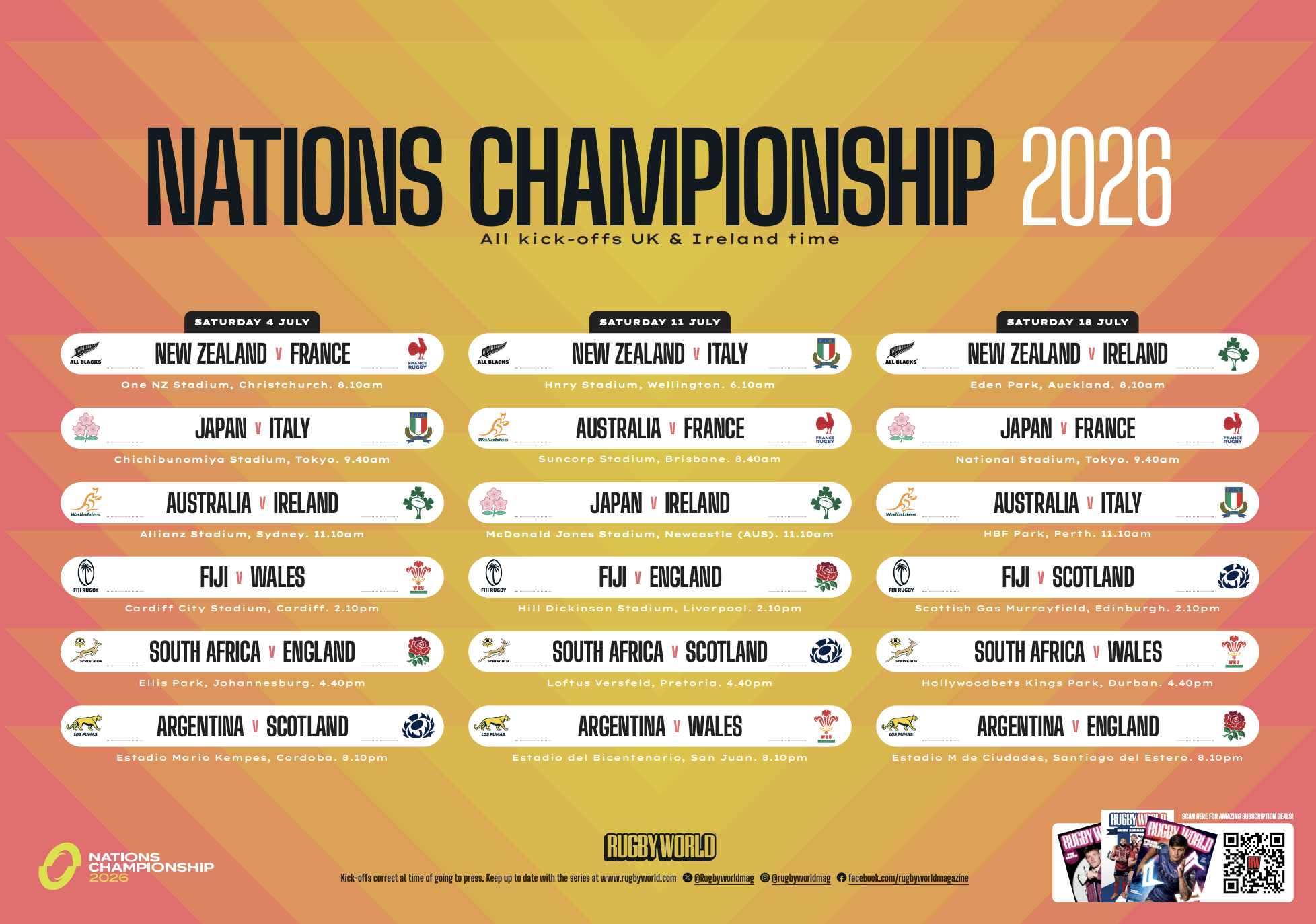
As we head into the final weeks of November, the eyes of the rugby world will be fixed on the league tables. Whether it is the clash of the titans at the top or the desperate battles for pride at the bottom, the 2026 Nations Championship has unequivocally succeeded in its mission: to bring the global game together under one banner, fighting for the ultimate international prize.
For those looking to keep track of every point, try, and penalty, fans are encouraged to download the official Nations Championship wall chart. Available as a PDF from the Rugby World website, it is the essential companion for tracking the progress of all 12 nations as they march toward the grand finale at Twickenham.


 Laily UPN

 Reynand Wu

 Ammar Sabilarrohman

 Neng Nana

 Layla Zulfa

 Ali Ikhwan