Laily UPN

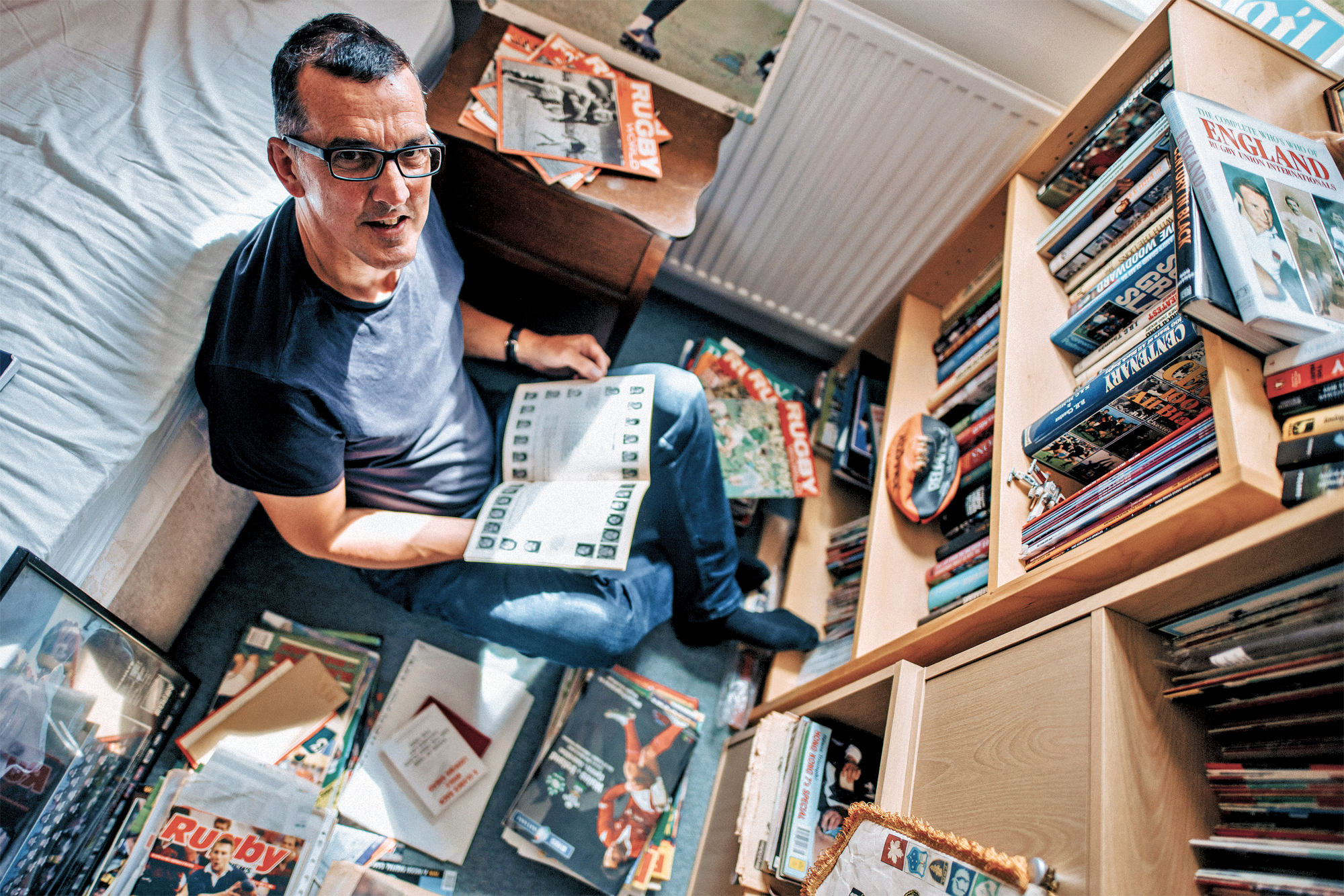
In the quiet spare room of an English teacher’s home nestled within the Yorkshire Dales, there exists a sanctuary that defies the digital age. Here, the air is thick with the scent of aged newsprint, fading ink, and the lingering, intangible spirit of 20th-century rugby. This is the domain of John Lovell, a man whose life has been defined by a singular, persistent quest: to capture the ephemeral history of rugby union, one programme at a time.
For forty-three years, Lovell has curated a collection of over 550 rugby programmes, alongside an eclectic array of memorabilia ranging from 1991 World Cup T-shirts to rare, annotated match-day records. What began as a childhood whim—triggered by the sale of a garden-grown leek—has evolved into a profound historical archive, offering a window into the sport’s transition from the smoke-filled, amateur era of the 1970s to the global, professional spectacle we witness today.
A Legacy Built on a Leek: The Origin Story
The genesis of this expansive collection is a tale of serendipity. In 1983, a young Lovell accompanied his Welsh father, David, and a group of friends on a pilgrimage to Edinburgh for a Scotland versus Wales Five Nations clash. The journey was an archetypal rugby adventure: a long drive in a Vauxhall Cavalier, a stop at a Little Chef, and a desperate search for tickets upon arrival.
"We didn’t have tickets, so Dad went into the pubs to find some," Lovell recalls, sitting in his kitchen with a coffee. "I was left outside with a bottle of coke and some crisps. While waiting, a drunk Welshman approached me and offered 50p for the leek attached to our car’s aerial—a memento from my dad’s garden. I accepted, and with that 50p, I bought my very first programme."

That inaugural programme did more than mark a transaction; it ignited an obsession. Lovell remembers the atmosphere of that day—the thick haze of cigarette and cigar smoke, the communal passing of hip flasks, and the raw, unrefined intensity of the game. When Staff Jones scored a try right in front of him, the connection was cemented. He wasn’t just a spectator; he had become a custodian of the game’s history.
Chronology of a Collector: From Amateurism to Global Stardom
Lovell’s collection acts as a temporal map of rugby’s evolution. His items are not merely paper; they are artifacts of social change.
The 1970s: The Heart of the Archive
For Lovell, the 1970s represent the pinnacle of his interest. His shelves are heavily weighted with Welsh home games and Five Nations fixtures from this decade. It was an era of rugged, visceral rugby, captured in programmes that prioritized pencil illustrations of dashing outside-halves over the sleek, corporate branding of the modern age.
The 1989-1991 Period: A Global Expansion
The late 80s and early 90s marked a shift in Lovell’s methodology. In 1989, he took a bold step, writing to NZ Rugby magazine to request spare programmes. The response was a boxload of history—programmes from the 60s, 70s, and 80s—that laid the foundation for his deeper research.
By 1991, Lovell had ascended from a fan to a participant in the sport’s history. Through a fortuitous connection with New Zealand rugby writer Ray Cairns, Lovell secured a (highly questionable) freelance press accreditation for the 1991 Rugby World Cup. At just 17 years old, he was on the sidelines for legendary encounters, including Western Samoa’s shock victory over Wales and the masterclass performance by David Campese at Stradey Park.
The 1995 World Cup: The Dawn of Professionalism
Lovell’s collection also features the substantial, A4-sized programmes from the 1995 World Cup in South Africa. For him, this tournament is symbolic of the "cusp of professionalism." These programmes, often difficult to find in mint condition due to their size and the fragility of their spines, represent a pivotal historical intersection: the return of South Africa to the global stage and the iconic image of Nelson Mandela in a Springbok jersey.
Supporting Data: The Anatomy of the Collection
While many collectors treat their archives with surgical precision, housing them in ring-bound folders or temperature-controlled cabinets, Lovell’s approach is refreshingly organic. His items are scattered among family photographs and everyday household objects, reflecting a life lived alongside the sport.
- Total Inventory: Approximately 550 items, with roughly 25% acquired at games personally attended.
- Methodology: A mix of eBay/Vinted hunting, auction houses like Mullock’s, and direct personal appeals.
- Notable Acquisitions:
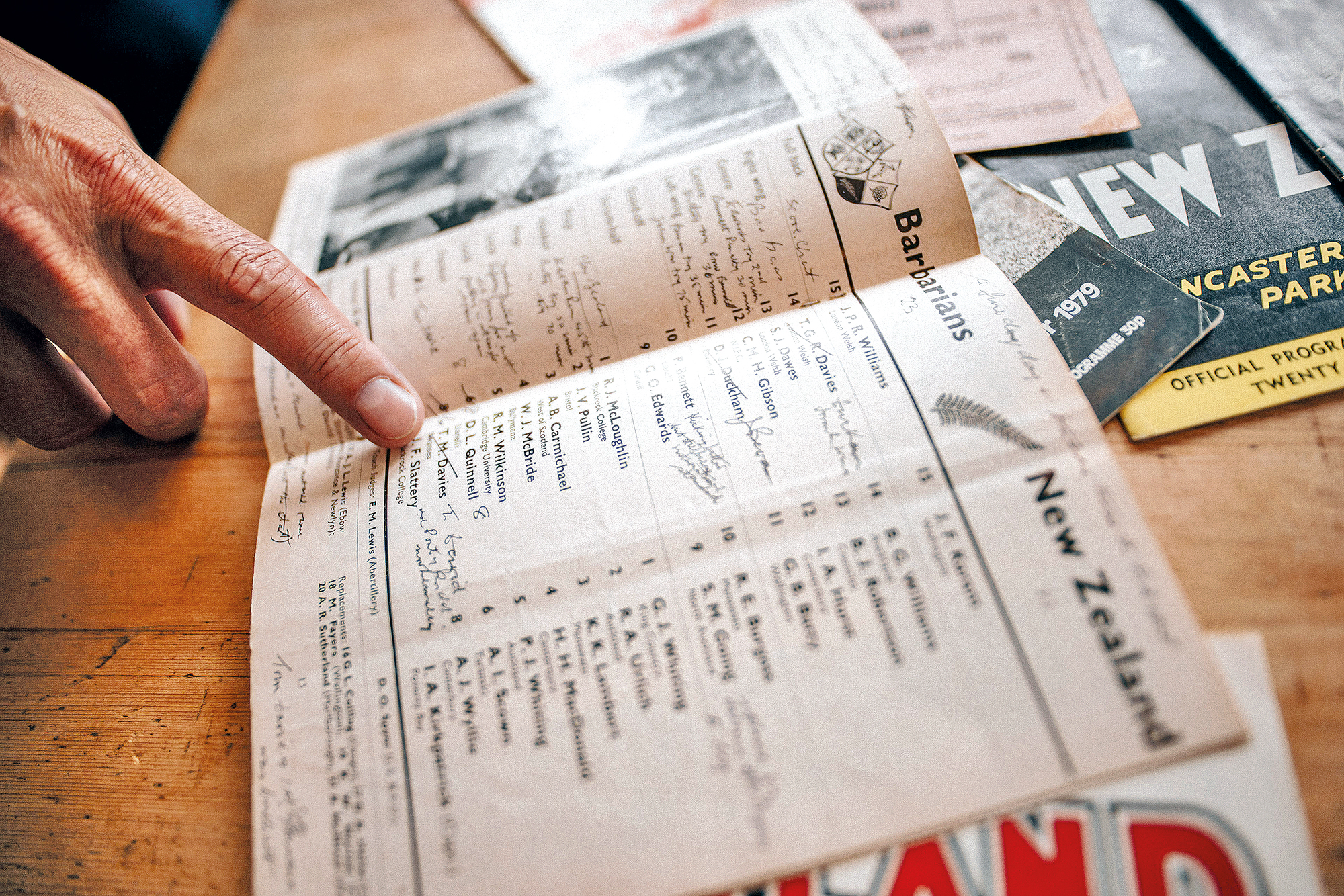
- 1973 Barbarians v New Zealand (The "Match of the Century"): A programme annotated by an unknown fan with detailed observations on the weather and player substitutions.
- 1989 Lions Tour: A warm-up game programme featuring future coaching titans Ewen McKenzie and Eddie Jones on the bench.
- 1972 Llanelli v Swansea: A record-breaking club crowd game, purchased with the original ticket stub.
Official Perspectives and the Value of Sentimental History
In the world of high-end sports collecting, prices can reach into the thousands for rare, pristine copies. Lovell, however, maintains a pragmatic and humanistic stance. He has little interest in the "obsessive paradise" of completing sets for the sake of completion. Instead, he views his collection as a service to the rugby community.
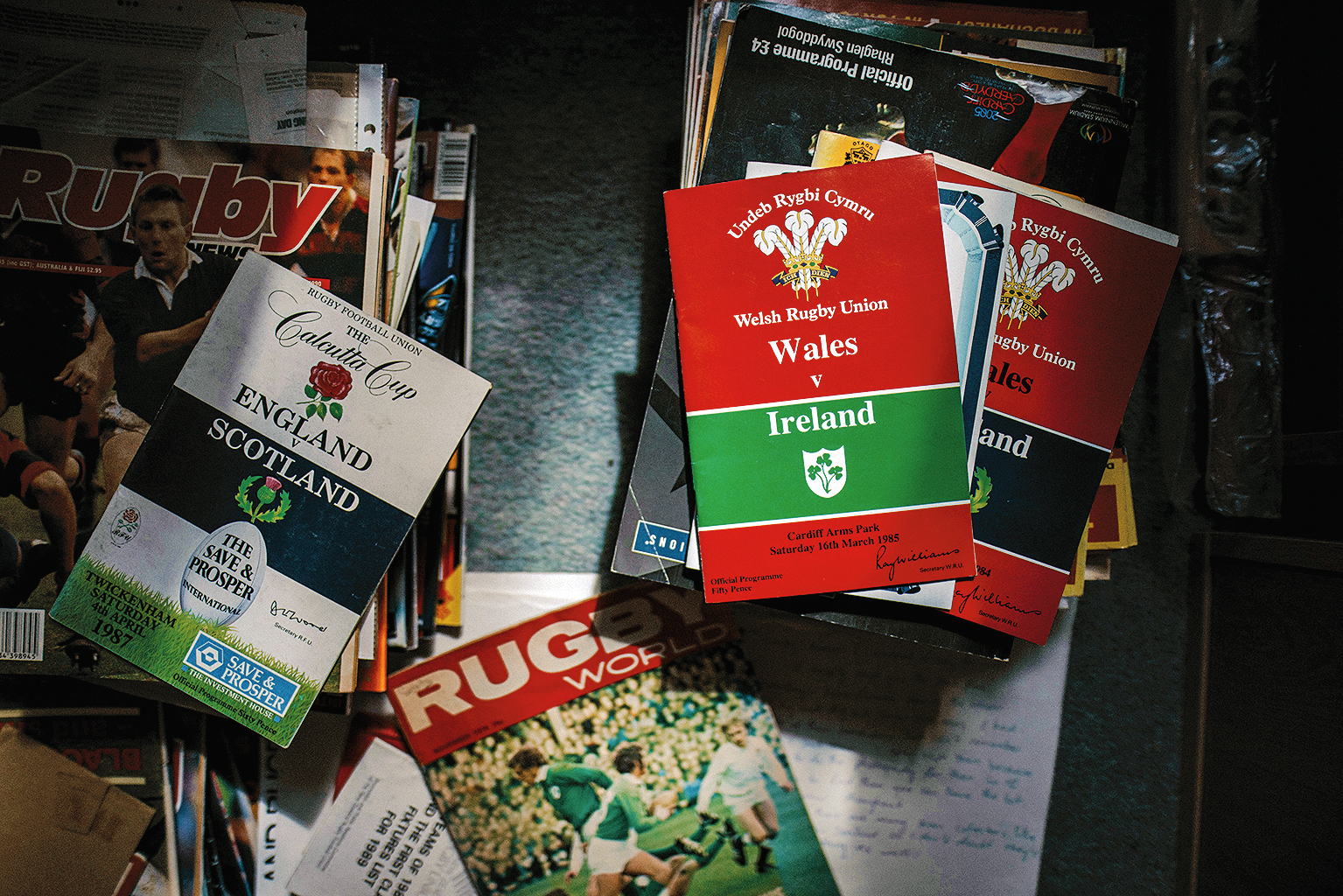
"I’ve had family members of a Welsh referee contact me about games he presided over," Lovell notes. "There was a Welsh Schoolboys team that won in New Zealand—the nation’s only victory there at any level. A member of that team reached out, and I sent him the programme. It was the pinnacle of his career; it felt right that it should be with him."
This perspective highlights a shift in how sporting history is valued. While auction houses focus on scarcity and financial appreciation, Lovell focuses on the "social history" of the game. He acknowledges that modern programmes, often printed in massive A4 formats, have lost some of the charm of the pocket-sized editions of the 1970s—editions that were meant to be stuffed into a jacket pocket and kept as a silent witness to a Saturday afternoon.
Implications: The Programme as a Primary Source
The importance of Lovell’s archive extends beyond nostalgia. As digital media continues to replace physical ephemera, the "real-time insights" contained within these programmes become increasingly valuable. Unlike oral history, which can be colored by the fading nature of human memory, these programmes offer a static, contemporary record of facts: who played, who was injured, what the weather was like, and what the commercial landscape of the sport looked like at that specific moment in time.
They serve as an essential check against historical revisionism. When a fan writes "a fine, dry day" on a programme during the 1973 Barbarians match, they are providing a layer of human texture that no official box score can replicate.
Conclusion: A Living Archive
John Lovell’s collection is more than a hoard of paper; it is a testament to the enduring relationship between a fan and their sport. It reminds us that rugby is not just a game played on a pitch, but a tapestry of individual stories, shared journeys, and thousands of small, paper-bound moments.
As he looks toward the future, Lovell intends to be more selective, focusing on items that hold genuine personal or historical resonance. Yet, for any visitor lucky enough to share a cup of tea in his Yorkshire home, the collection remains an open book—a treasure trove of gold dust that ensures the legends of the 20th century remain within reach, preserved in ink and paper for the next generation of rugby enthusiasts to discover.

 Reynand Wu
 Ammar Sabilarrohman

 Evan Lee Salim

 Nana

 Iffa Jayyana