
 Nana
SAO PAULO — Formula 1 is a sport that magnifies human emotion on a global stage. Triumph and tragedy are separated by mere milliseconds, and the psychological toll of a grueling championship campaign often proves just as demanding as the physical G-forces endured inside the cockpit.
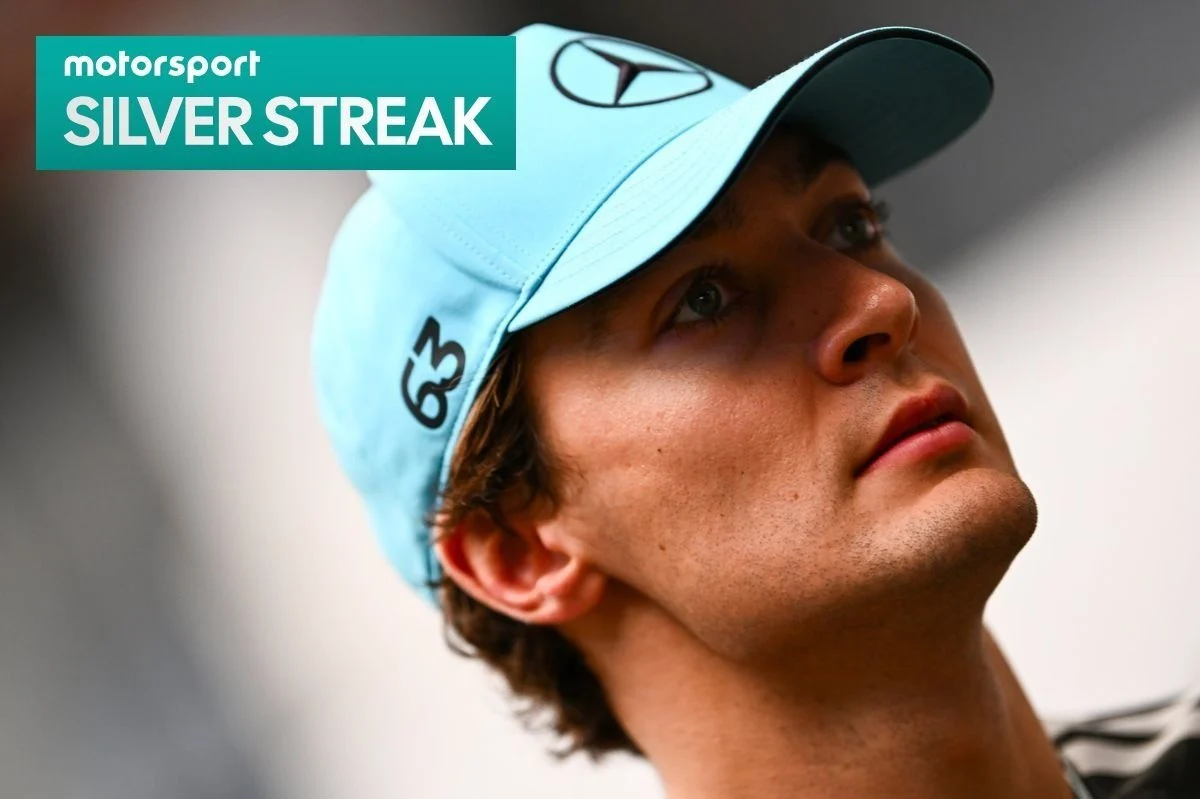
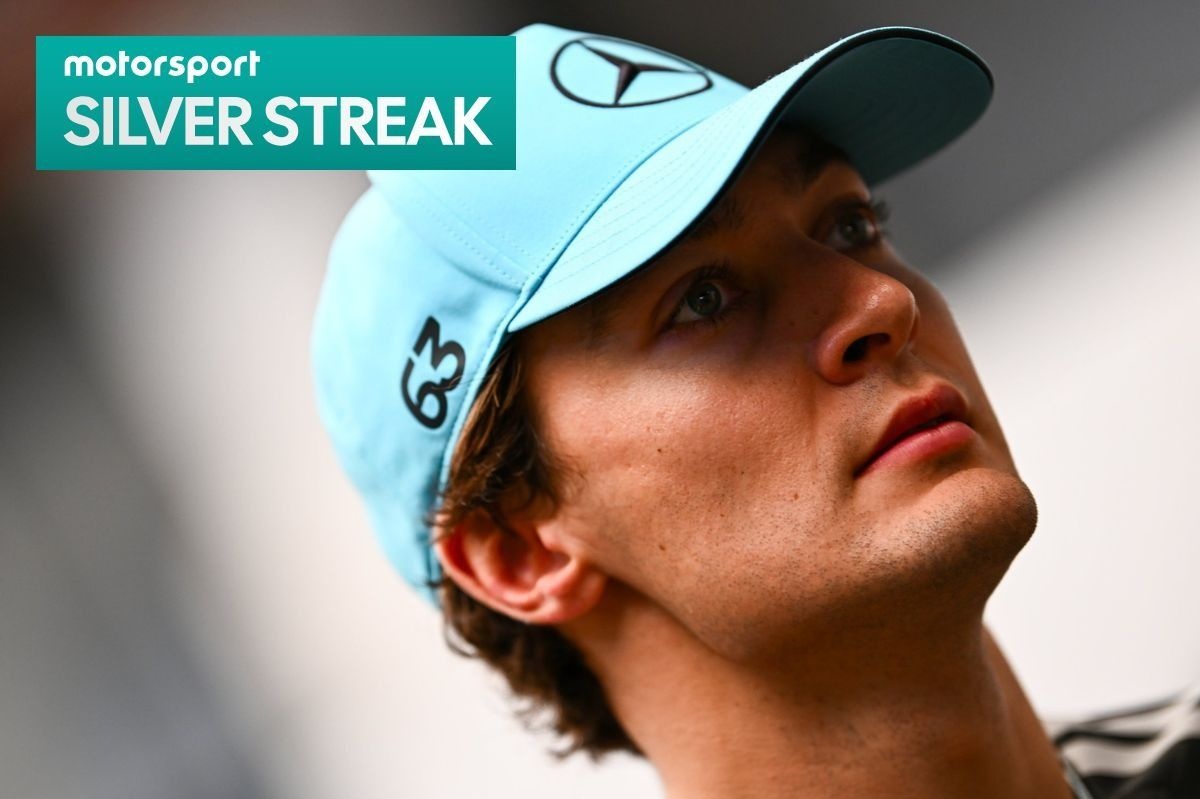
Following another tumultuous weekend at the Brazilian Grand Prix, Mercedes driver George Russell cut a visibly subdued figure in the paddock. While his Silver Arrows squad was busy celebrating a monumental milestone—clinching the 2026 Constructors’ World Championship—Russell’s post-race demeanor was far from jubilant.
Former IndyCar Series star and F1 TV analyst James Hinchcliffe did not mince words when assessing the Briton’s body language. According to the Canadian pundit, Russell had every right to look "a bit defeated" as the reality of a punishing and emotionally draining season set in.
Main Facts: A Bitter-Sweet Weekend at Interlagos
The grand narrative of Mercedes’ weekend in Sao Paulo should have been unadulterated celebration. The Brackley-based outfit officially secured the 2026 constructors’ crown, capping off a remarkable four-year rebuilding phase that followed the introduction of the ground-effect era in 2022.
However, individual fortunes within the Mercedes garage could not have been more starkly contrasted:
- The Team Triumph: Mercedes secured the constructors’ title, validating the relentless factory effort from Brackley and Brixworth.
- Russell’s Race: Starting on the front row after missing out on pole position to McLaren’s Lando Norris, Russell’s race unravelled during a chaotic transition phase.
- The Pit Lane Incident: A costly spin at the pit exit—triggered while transitioning from intermediate tyres to slick compounds—dropped him down the order.
- The Recovery: Russell managed to salvage a fourth-place finish, but the missed opportunity compounded what has been a deeply frustrating year.
While the team popped champagne for the ultimate team prize, Russell was left contemplating another Sunday where circumstances slipped through his fingers.
Chronology: How the 2026 Season Unfolded for Russell
To understand George Russell’s current state of mind, one must look back at how the 2026 Formula 1 campaign began versus how it evolved.
The Early-Season Highs
When the lights went out for the season-opening Australian Grand Prix, Russell arrived as a clear pre-season favourite for the drivers’ world championship. His winter preparations, combined with a potent Mercedes power unit and chassis package, yielded immediate results. Russell stormed to a brilliant victory in Melbourne, backing it up shortly after with a stellar triumph in the Chinese Grand Prix sprint race. At that stage, the championship narrative seemed pre-written in his favor.
The Mid-Season Momentum Shift
As the European leg of the calendar transitioned into the summer flyaways, the tide turned dramatically. Russell encountered a cascade of reliability concerns, strategic missteps, and plain bad luck—the vast majority of which fell entirely outside his control.
While Russell fought fires on his side of the garage, his young teammate, Andrea Kimi Antonelli, hit an extraordinary vein of form. Antonelli went on a masterclass run, securing nine Grand Prix victories and etching his name into the history books as the youngest world champion in the history of Formula 1.
The Interlagos Lows
Arriving in Brazil, Russell was hunting for a clean weekend to reassert his baseline performance. While showing flashes of his customary speed—qualifying near the sharp end of the grid—the race itself brought more adversity. The tricky, drying conditions at Interlagos caught out many drivers, but Russell’s spin upon exiting the pit lane on slick tyres extinguished any lingering hopes of a podium finish, sealing a fourth-place result that felt emblematic of his entire year.
Supporting Data and Analysis: The Psychological Toll of Modern F1
Speaking on the F1 TV post-race show, James Hinchcliffe offered deep insight into the psychological burden modern Formula 1 drivers carry, particularly when a season refuses to break in their favor.
"He’s a bit defeated, isn’t he? I mean, and kind of rightly so. It’s been a tough old season," Hinchcliffe remarked.
"There’s been a lot of beatings and a lot of bad luck on top of it. So, it’s a difficult situation for a driver to be in, especially in a season this long."
The Weight of a 24-Race Calendar
Hinchcliffe pointed out a structural flaw in how modern drivers process adversity: the sheer length of the calendar. With Formula 1 expanding past 24 races a year, a driver enduring a slump or battling continuous misfortune has no time to reset.
"When it’s only a 16, 17, 18-race season, the punishment would have been over by now," Hinchcliffe explained, drawing comparisons to historical eras of motorsport. "He just keeps getting kicked at different points, and it’s a tough thing to stay motivated and stay cheery about."
The compounding effect of back-to-back race weekends means drivers rarely get physical or mental decompression. For Russell, who entered the year believing he would be fighting for every Grand Prix win from March to November, having that dream derailed by external factors has created an immense mental hurdle.
Official Responses: Russell Reflects on Resilience and Team Glory
Despite the personal disappointment, Russell demonstrated maturity and grace in his post-race media obligations. He shifted the narrative away from his individual struggles and toward the collective triumph of the Mercedes organisation.
Analysing his performance on the track, Russell acknowledged the engineering challenges faced by the team during the grand prix:
"We struggled more on the intermediate towards the end, so there are definitely things for us to understand, but overall, I’m leaving this weekend encouraged by my performance," Russell noted in his team debrief.
"I’ve been working hard to get back to that level consistently and I’ve felt much more like myself here."
Russell was quick to contextualize the day within the broader four-year journey of Mercedes:
"Most importantly, we achieved what we came here to do and won the constructors’ championship. We would have liked to have done it in a bit more style today, but it’s an incredible achievement for everyone in the team."
Reflecting on the dark days of 2022 when Mercedes lost its footing at the dawn of the ground-effect regulations, the Briton highlighted the emotional payoff of the championship:
"We’ve had four difficult years and the whole organisation put so much work into getting us back into this position. When I joined Mercedes in 2022, we hoped we’d be fighting for championships regularly, so to have gone through that journey and now get back to the top is something we should all be incredibly proud of."
Concluding his remarks, Russell emphasized that Formula 1 is fundamentally a team sport that extends far beyond the two drivers strapped into the cockpits:
"Winning the constructors’ world championship is always the ultimate reflection of a team effort. This sport isn’t just about the two drivers who are in the car every weekend; it’s about the thousands of decisions made back at the factories and the determination of every person who contributes to the performance of the team."
Implications: What Next for George Russell and Mercedes?
As the 2026 season draws to its inevitable conclusion, the dynamics within Mercedes will face fascinating scrutiny heading into the winter break.
- The Intra-Team Dynamic: Andrea Kimi Antonelli has cemented his status as a generational talent by claiming the drivers’ crown at record-breaking speed. For Russell, bouncing back to challenge a newly minted world champion within the same garage will be the ultimate test of his career. He has proven he possesses the outright pace—demonstrated by his early-season wins—but consistency and fortune must align.
- The Mental Reset: Hinchcliffe’s analysis serves as a stark reminder that elite athletes are human. Russell’s winter break will need to be dedicated entirely to mental decompression, shedding the baggage of 2026’s frustrations, and resetting his baseline.
- Car Development for the Future: With Mercedes back at the pinnacle of the constructors’ standings, the engineering task shifts to building a car for next season that suits both drivers equally. If Mercedes can deliver a machine that eliminates the tricky intermediate tyre and handling windows that plagued Russell at Interlagos, the Silver Arrows could possess a formidable two-pronged attack for the upcoming championship.
George Russell may look defeated in the immediate aftermath of a bruising Brazilian Grand Prix, but his underlying speed, combined with Mercedes’ newly rediscovered championship-winning pedigree, ensures that his story in Formula 1 is far from written.

 Ammar Sabilarrohman
 Reynand Wu
 Pevita Pearce
 Dwi Wanna