Pevita Pearce
By Skiing & Freeride Equipment Editorial Desk
Published: November 9, 2026
Main Facts: Preparing for the Ultimate Powder Chase
For the dedicated winter enthusiast, storm chasing is the ultimate pursuit. It is a delicate balance of meteorology, spontaneity, and gear readiness. One moment, you are glued to your desk monitor analyzing synoptic charts, low-pressure troughs, and NOAA snow water equivalent (SWE) forecasts; the next, you are frantically cramming layers into a duffel, throwing skis onto the roof rack, or sprinting to catch an early-morning flight to secure first chair on an epic powder day.
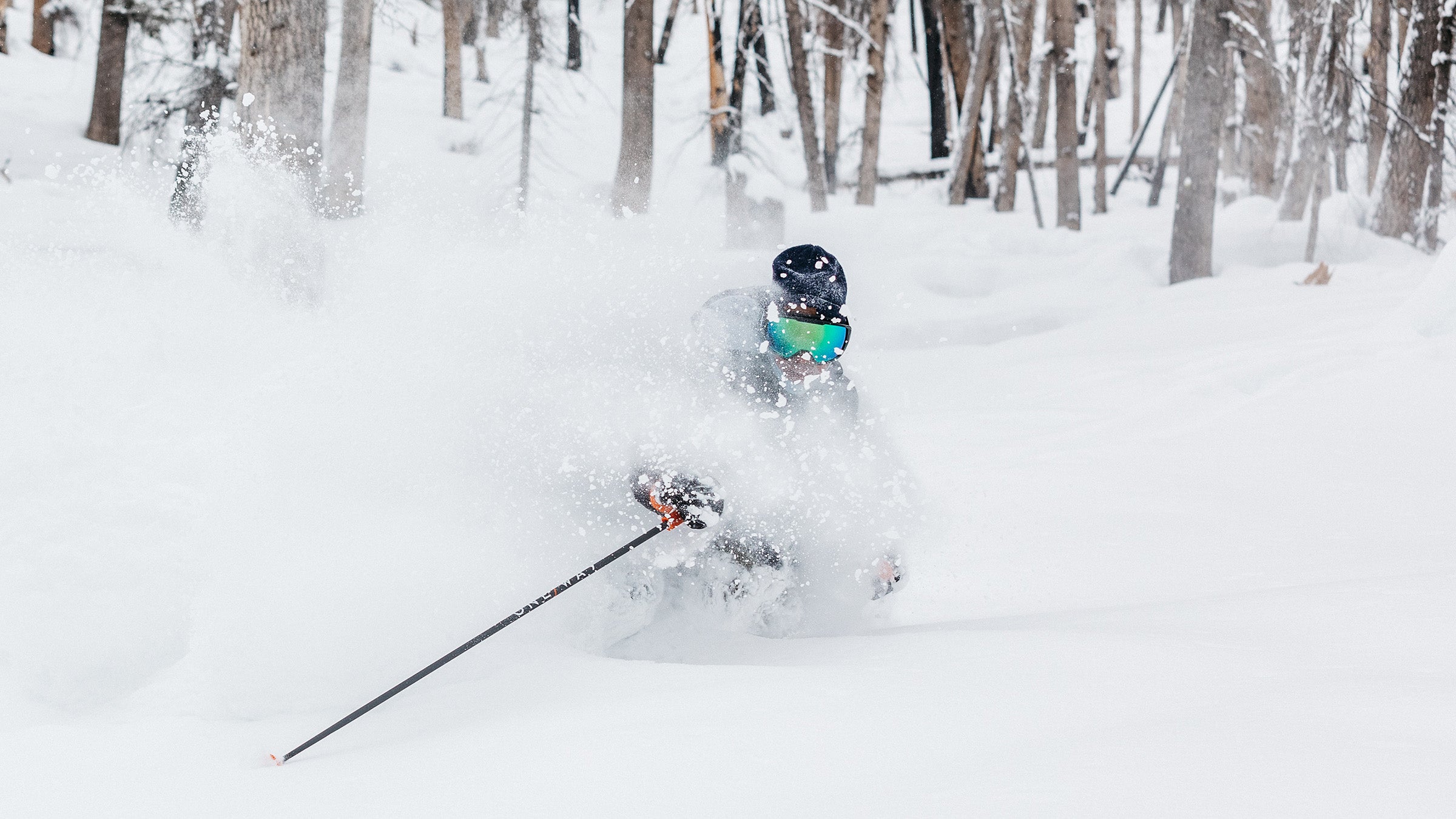
With meteorologists predicting a robust—and potentially historic—El Niño pattern for the winter season, the North American storm track remains unpredictable, promising massive, targeted dumps across various regions. Nailing a legendary powder cycle requires more than just good luck; it demands unwavering patience, meticulous planning, and the absolute readiness to drop everything and depart the moment the green light flashes.
However, even the most promising forecast can be entirely undermined by inadequate equipment. Nothing evaporates the joy of a deep-day mission faster than water-logged gloves, blindingly fogged-up optics, or boots that pinch and freeze your feet on a remote sub-zero chairlift. To ensure you stay dry, warm, and entirely dialed-in from first bell to final sweep, the veteran testers at SKI Magazine have compiled the definitive storm-chasing kit. Spanning high-performance powder boards, hybrid bindings, weather-shielding outerwear, and industry-standard safety equipment, this is the gear trusted by professionals who spend their winters tracking the deepest snow across the continent.
Chronology: Anatomy of a Powder Mission
Understanding how a successful storm-chasing trip unfolds helps clarify why specific pieces of gear are non-negotiable.
- T-Minus 72 Hours (The Forecast Window): Meteorological models begin to converge. El Niño’s dynamic jet stream starts driving moisture plumes straight toward the Pacific Northwest, the Intermountain West, or the Southwest. Gear lists are checked, travel bags are pulled from storage, and resort options are cross-referenced with regional guides.
- T-Minus 24 Hours (The Green Light): The forecast solidifies. Avalanche danger ratings are monitored, flights are booked, and vehicles are prepped. Skis receive a fresh coat of all-temperature wax, and backcountry beacons are tested and updated.
- Day 1: The Arrival & Inbounds Reconnaissance: The storm hits. Visibility drops, and the temperature plummets. Skiers rely on high-volume powder skis, fog-free magnetic goggles, and storm-proof shells to navigate high-wind lift lines and untracked inbounds bowls.
- Day 2-3: The Deep Cycle & Backcountry Extensions: As the storm matures and lift lines clear, the mission transitions toward sidecountry gates and short bootpacks. Hybrid bindings, touring-capable boots, and robust avalanche safety gear become paramount for tracking out-of-bounds stashes safely.
- The Return Journey: Utilizing durable, expandable rolling luggage, exhausted skiers pack away their salt-crusted shells and damp layers, heading home with sore legs and already plotting the next low-pressure system.
Supporting Data & The El Niño Factor
The 2026–2027 winter season arrives under the distinct influence of a strengthening El Niño cycle. Historically, El Niño winters tend to favor the southern tier of the United States, the Pacific Northwest, and parts of the Central Rockies, delivering heavy, moisture-laden snowfall known to skiers as "heavy sierras" or dense, surfy pow.
To maximize these conditions, equipment engineers have increasingly focused on versatility. Skis with waist widths between 110mm and 120mm are no longer one-trick ponies limited to bottomless Utah champagne; modern construction utilizing carbon, flax, and advanced wood cores allows these wide planks to carve through variable snow textures while maintaining effortless float. Similarly, the evolution of hybrid touring gear—such as boots boasting a true 130 flex combined with effortless walk modes—means skiers no longer have to compromise downhill charging power for uphill mobility.
Official Responses & Industry Insights
Industry manufacturers have responded directly to the demands of modern storm chasers, prioritizing durability, weight savings, and rapid transitions.
"When you’re chasing storms, equipment failure is simply not an option," notes our lead gear tester. "Whether it’s a binding pre-releasing in high-speed chop or a jacket wetting out during a wet coastal cycle, every component must perform under extreme physical and environmental stress. The gear highlighted this season represents a massive leap forward in multi-condition adaptability."
Safety manufacturers have echoed this sentiment, emphasizing that resort-goers are increasingly adopting backcountry safety protocols. With more skiers utilizing sidecountry gates during major storm cycles, devices equipped with advanced digital processing, group-check functions, and automatic revert-to-send mechanisms—such as modern high-end avalanche beacons—are transitioning from niche backcountry tools to essential resort-day safeguards.
The Tested Storm-Chasing Kit: Detailed Reviews
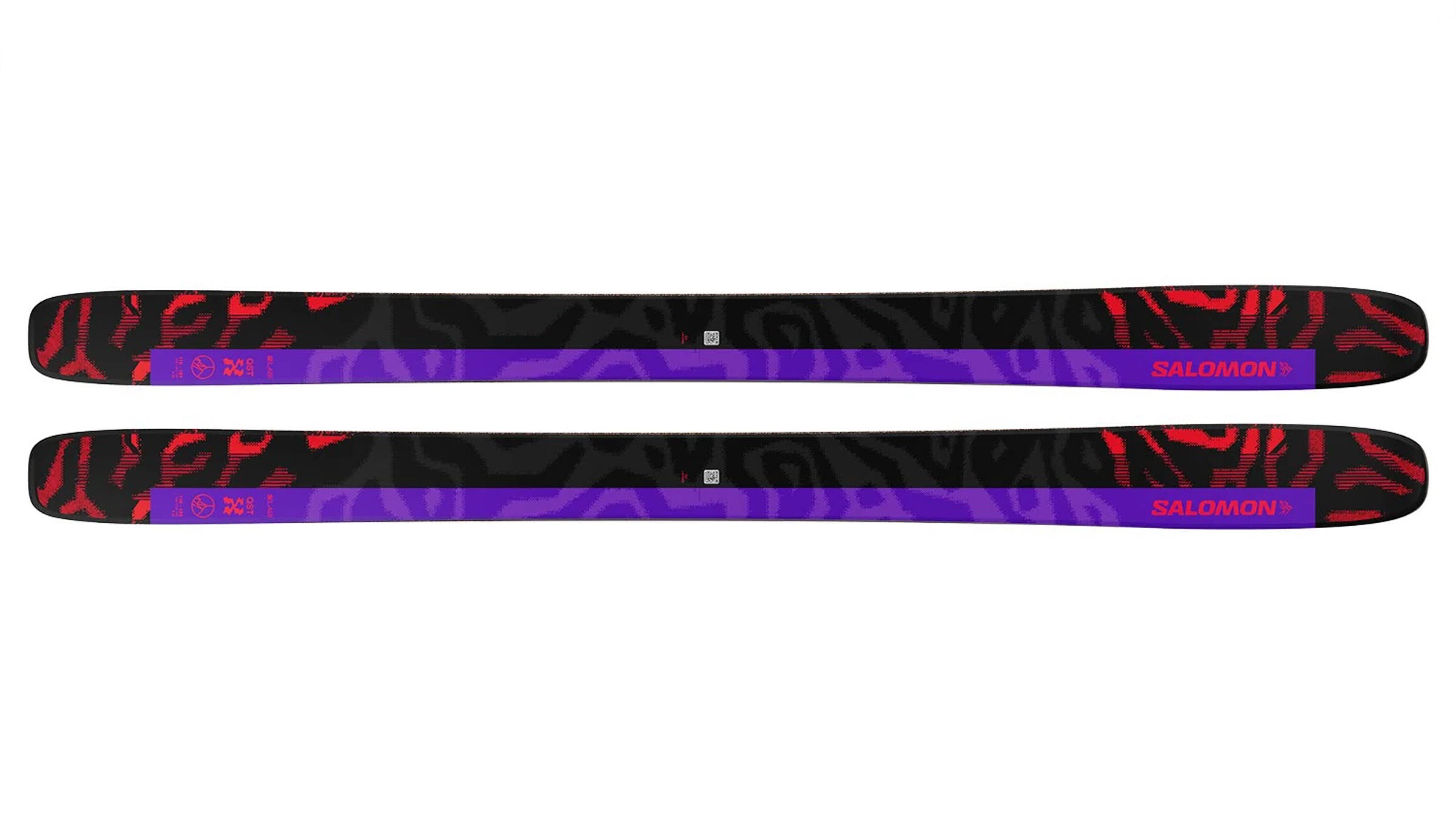
1. Salomon S/Lab QST X Ski
- The Verdict: The ultimate one-ski quiver for powder-hunting missions.
- Specs & Performance: Featuring a 116-millimeter waist and an assertive freeride rocker profile, the Salomon S/Lab QST X is engineered to plane effortlessly through feather-light champagne powder as well as dense, surfy maritime snow. Its caruba and poplar wood core keeps the ski remarkably light and lively, while strategically integrated flax, carbon fibers, and cork in the tip and tail dampen chatter. At 2,000 grams per ski (184 cm length), it strikes a sweet spot: sturdy enough to stand up to aggressive, hard-charging freeriders, yet accessible for intermediates. Mount a hybrid binding on these, and you have an inbounds weapon ready to unlock out-of-bounds bowls.
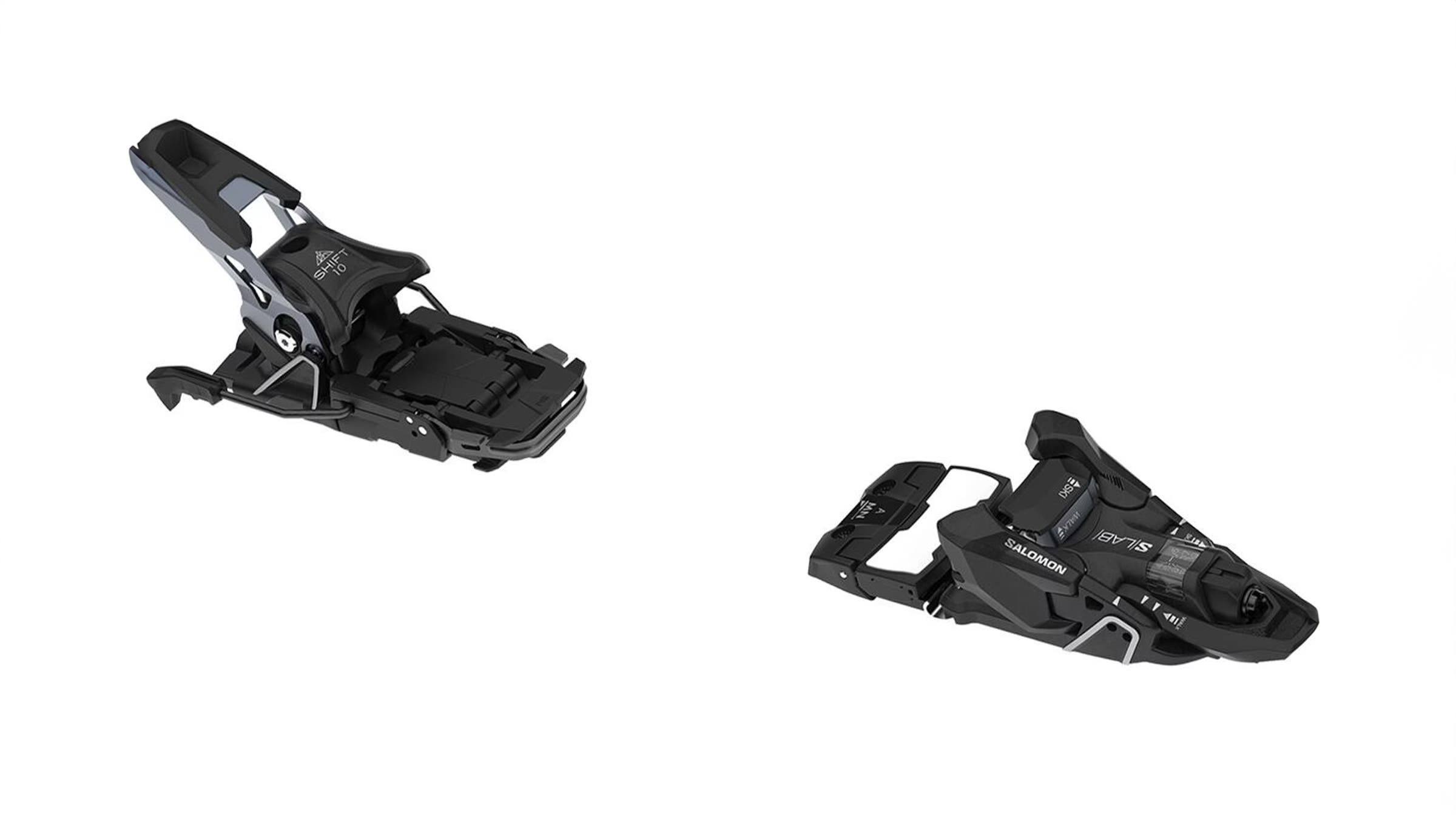
2. Salomon S/Lab Shift 2 10 MN Binding
- The Verdict: The gold standard for skiers who demand alpine retention with touring flexibility.
- Specs & Performance: Salomon has overhauled the legendary Shift binding, reinforcing the construction in both the heel and toe pieces to drastically mitigate pre-release issues and elevate long-term durability. On the descent, skiers experience virtually zero performance penalty compared to traditional, non-touring alpine bindings. Yet, with a simple flick, the toe piece transforms into a tour-capable pivot, making it effortless to step outside the resort boundary when an enticing sidecountry line beckons.
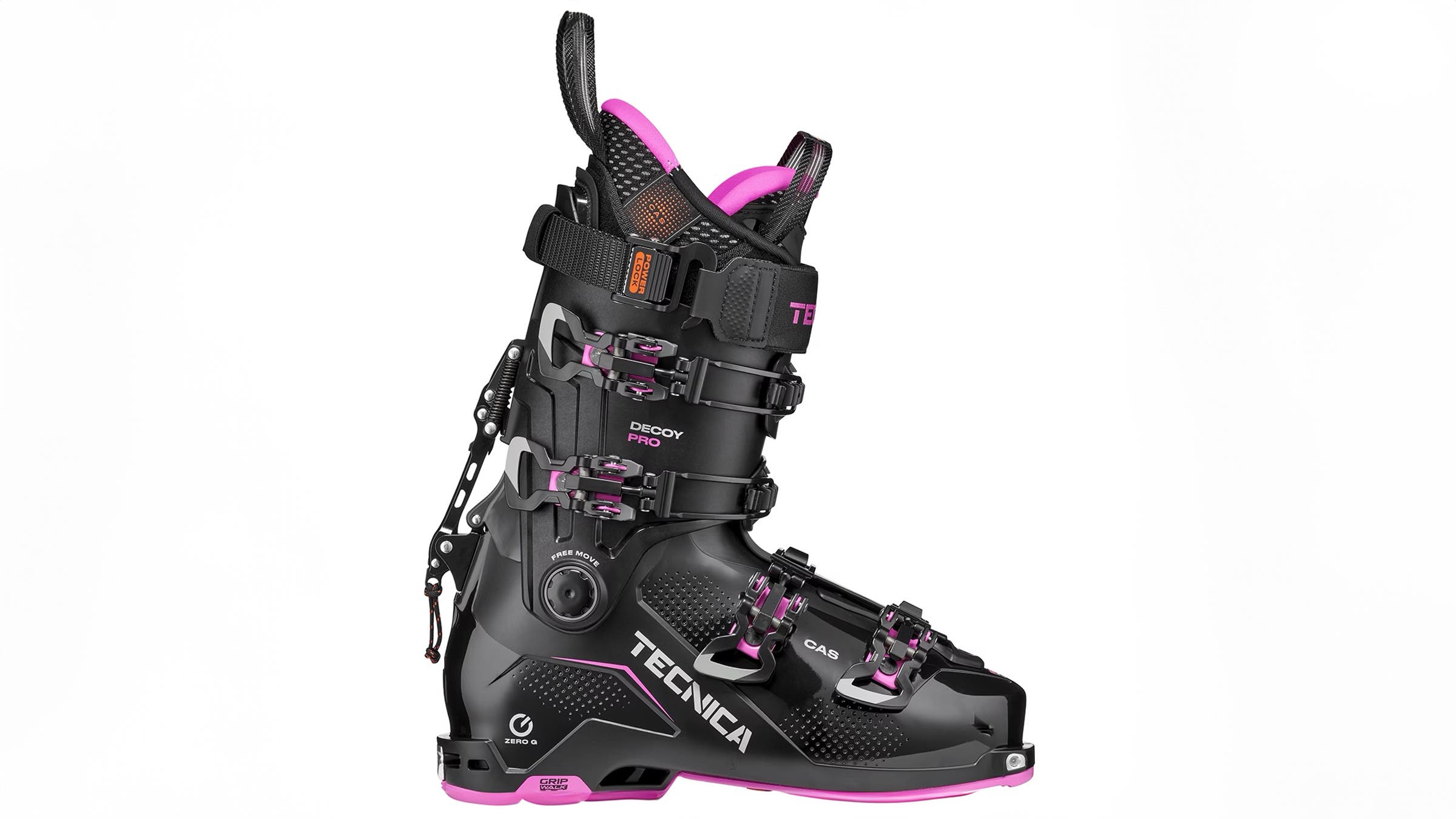
3. Tecnica Zero G Decoy Pro AT Boot
- The Verdict: A heavy-hitting hybrid boot that eliminates the need for a two-boot travel arsenal.
- Specs & Performance: Traveling with multiple pairs of boots is a logistical nightmare. Tecnica solves this with the Zero G Decoy Pro, a powerful hybrid platform boasting a stiff 130 flex. It delivers the uncompromised downhill transmission required for driving wide powder skis through crud, while its intuitive walk-mode lever—easily manipulated even with thick winter gloves—permits fluid motion on grueling bootpacks, skin tracks, or base-area strolls.
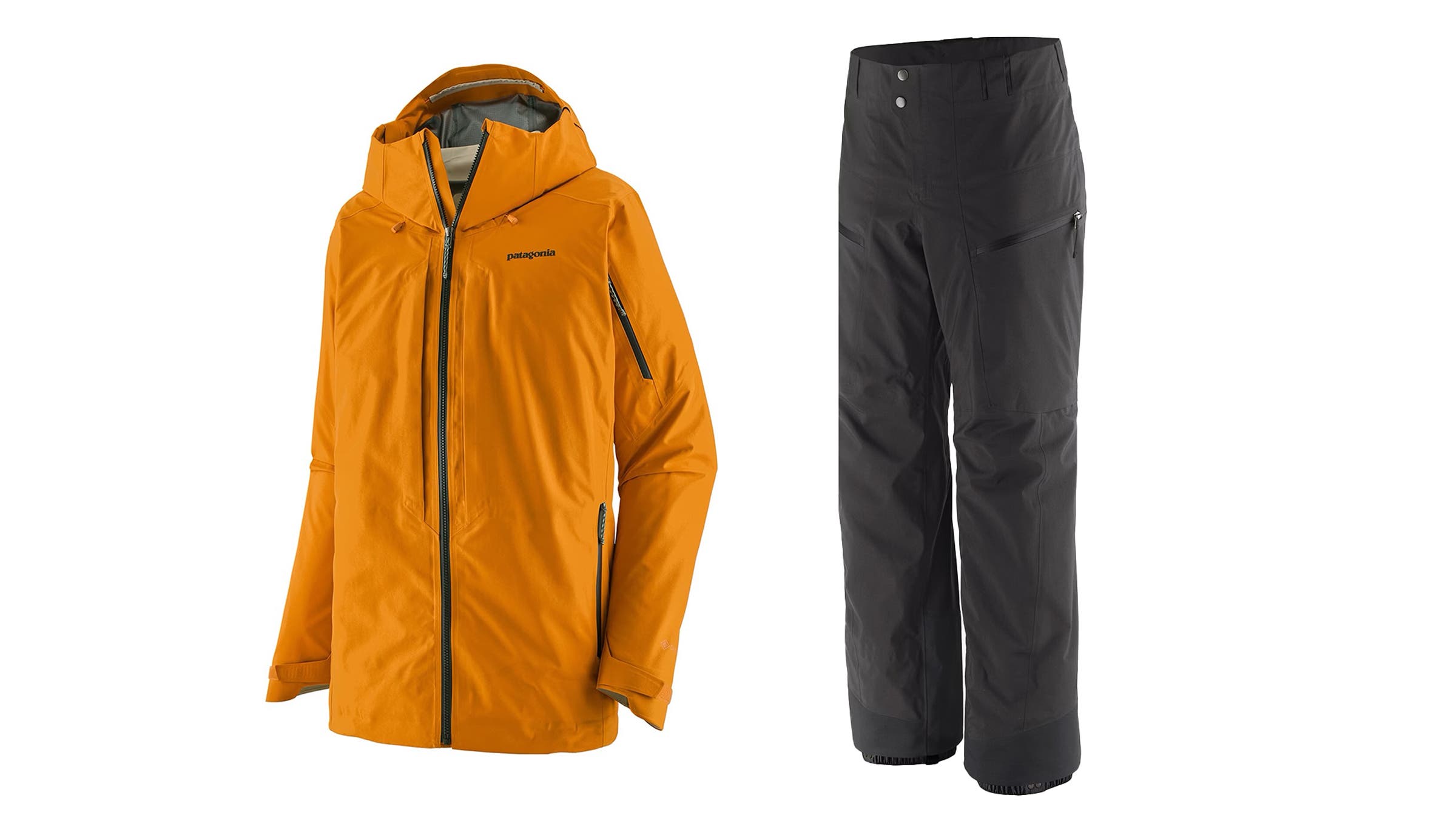
4. Patagonia PowSlayer Kit (Jacket & Pants)
- The Verdict: Weatherproof armor designed to regulate temperature during intense physical exertion.
- Specs & Performance: Built with a state-of-the-art 3-layer Gore-Tex ePE membrane, the PowSlayer jacket and pants (available in dedicated men’s and women’s cuts) offer bombproof protection against driving wind and wet snow without burdening the wearer with excessive weight. Powder days inherently involve dramatic temperature swings—from sweating on a steep hike to freezing on a high-speed chair. The PowSlayer breathes exceptionally well, expelling internal moisture while sealing out the elements. Thoughtful additions include a cinchable storm hood and a secure, sewn-in transceiver pocket in the pants.
5. Smith 4D MAG ChromaPop Goggles + Extra Lens
- The Verdict: Superior peripheral optics and lightning-fast lens interchangeability for flat-light storm days.
- Specs & Performance: Storm days are notoriously defined by "flat light" and falling snow, making visual clarity paramount. Smith’s 4D MAG goggles feature an expansive field of view and utilize ChromaPop lens technology to sharpen contrast in blinding whiteout conditions. Crucially, the magnetic lens-change system allows users to swap out lenses in seconds—a task easily accomplished inside a sheltered gondola cabin when the sun breaks through or heavy clouds roll back in.
6. Black Diamond Mercury Mitten
- The Verdict: Maximum thermal protection and weather resistance for sub-zero operations.
- Specs & Performance: When fresh snow threatens to find its way into every stitch of your gear, the Black Diamond Mercury Mitten offers absolute defense. A fleece-lined gauntlet design provides extended wrist coverage, while a waterproof BD.dry insert ensures hands remain bone-dry throughout a full day in the powder. Low-profile synthetic insulation keeps dexterity remarkably high, and the 4-way stretch shell allows for a secure, firm grip on your ski poles.
7. Skida Alpine Neckwarmer
- The Verdict: Cozy, moisture-shedding face protection that staves off windburn.
- Specs & Performance: An exposed neck or face can ruin an otherwise perfect powder day. The Skida Alpine Neckwarmer features a weather-resistant, stretchy polyester outer shell that blocks biting wind, backed by a plush fleece interior that feels gentle against the skin. Swapping out a damp neckwarmer for a dry backup midday is a secret hack that extends your ski day by hours. (For milder Pacific Northwest storms, lighter alternatives like the Skida Snow Tour are also worth packing).
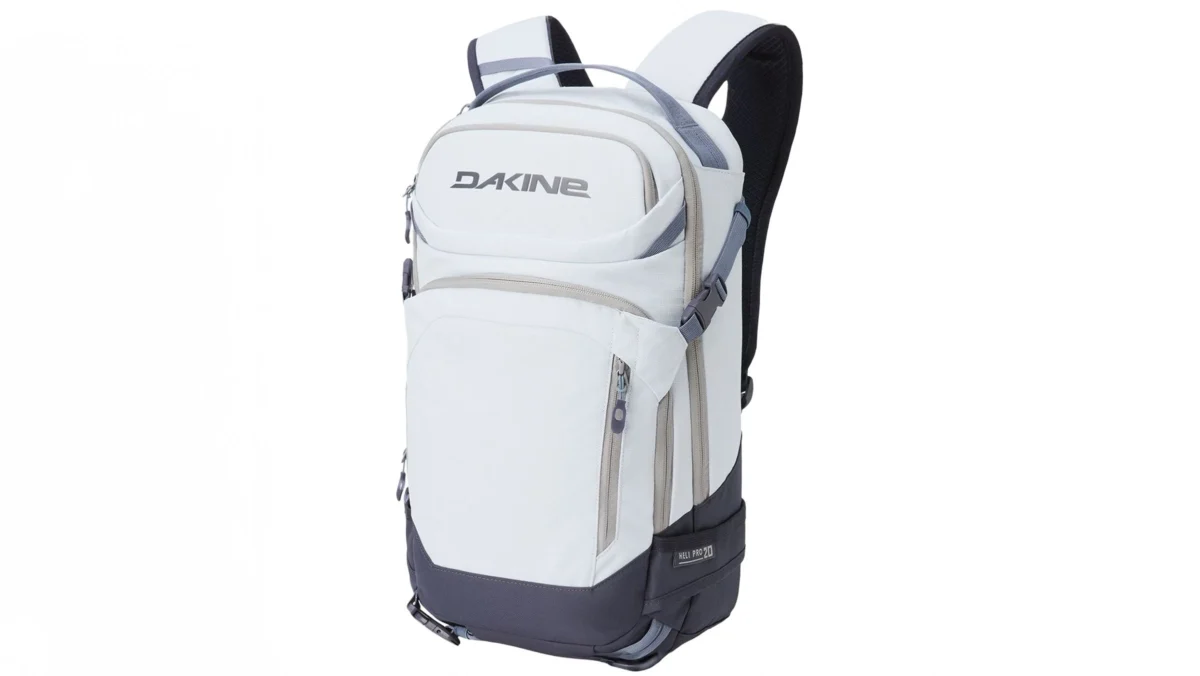
8. Dakine Heli Pro 20L Backpack
- The Verdict: A low-profile, highly functional pack designed for chairlifts and short exploratory tours.
- Specs & Performance: The Dakine Heli Pro 20L strikes an ideal balance: it is sleek enough to wear comfortably on a crowded chairlift all day, yet spacious enough to carry emergency layers, skins, and safety tools for out-of-bounds excursions. It features a dedicated avalanche safety pocket for a shovel and probe, a fleece-lined goggle pocket, and versatile diagonal and A-frame ski carry options for technical bootpacks.
9. Mammut Barryvox S2 Beacon
- The Verdict: Industry-leading avalanche rescue technology for professionals and advanced recreationalists.
- Specs & Performance: While an avalanche transceiver is an absolute necessity for backcountry travel, carrying one during high-risk resort storm days is increasingly common practice among safety-conscious skiers. The Mammut Barryvox S2 is an elite-tier device offering a massive 70-meter search range, intuitive Group Check modes, and advanced flagging capabilities. Its high-contrast display and innovative "Rescue Send" function—which automatically reverts the beacon to transmit mode if the user remains immobile for four minutes—provide critical peace of mind.
10. Backcoiuntry BGA Cottonwood Double Ski & Snowboard Rolling Bag
- The Verdict: Durable, expandable luggage designed to haul a complete powder quiver safely.
- Specs & Performance: Navigating airports and rental cars with multiple pairs of skis is rarely enjoyable. The Backcountry BGA Cottonwood Double Rolling Bag simplifies transit with an innovative roll-top design that accommodates skis up to 195 cm while compressing neatly if your load is smaller. Constructed from rugged 840-denier polyester and nylon, it easily swallows two pairs of skis, poles, and outerwear, with internal and external pockets to keep wet gear separate from travel clothes.
Implications: The Future of Storm-Chasing Culture
As winter weather patterns become increasingly volatile due to shifting global climates, the culture of storm chasing is undergoing a parallel evolution. Skiers are no longer just relying on seasonal multi-pass access; they are investing heavily in mobile, highly adaptable gear systems that allow them to react instantaneously to regional weather anomalies.
The widespread adoption of hybrid setups—skis like the Salomon QST X paired with Shift bindings and Zero G boots—signals a permanent blurring of the lines between resort skiing and backcountry exploration. As long as low-pressure systems continue to dump deep snow across North America, the drive to drop everything and chase the storm will remain the beating heart of ski culture. Armed with the right equipment, the modern powder hound is ready for whatever El Niño—or Mother Nature—delivers next.

 Laily UPN

 Ali Ikhwan

 Ammar Sabilarrohman

 Dwi Wanna


 Iffa Jayyana