Ali Ikhwan
Main Facts
For decades, the cinematic traditions of winter sports have adhered to a familiar, albeit insular, formula. Traditional ski films typically feature a relentless succession of high-octane mountain descents, set to heavy-hitting rock or electronic soundtracks, punctuated by muffled shouts of euphoria beneath oversized sponsor-branded freeride jackets. While these adrenaline-fueled montages successfully galvanize core enthusiasts, they frequently alienate casual viewers who struggle to connect with the absence of a cohesive narrative structure.
Enter We Can’t Not, a groundbreaking collaborative project between Red Bull Media House and renowned production outfit Legs of Steel. Spearheaded by veteran pro skier and filmmaker Paddy Graham, the film shatters traditional genre boundaries. Rather than targeting strictly diehard skiers, We Can’t Not is intentionally crafted as an inclusive cinematic experience designed for general audiences. At its core, the film serves as a heartfelt love letter to the genre of the ski movie, wrapped in a deeply personal narrative framework: Graham’s impending departure from the high-stakes world of elite steep skiing, and his final effort to demystify his lifelong vocation to the people who matter most—his family.
The feature-length project answers a fundamental, existential question that has dogged action-sports athletes for generations: Why continue risking life and limb to descend vertical ice faces, and why invest vast resources into producing feature-length ski films in an era saturated with bite-sized, short-form content on TikTok and Instagram? The answer, according to the filmmakers, is simple yet profound—they can’t not.
Chronology: From Concept to Screen
The conceptualization and execution of We Can’t Not required an unconventional timeline, blending rugged, on-location fieldwork with cutting-edge studio innovation.
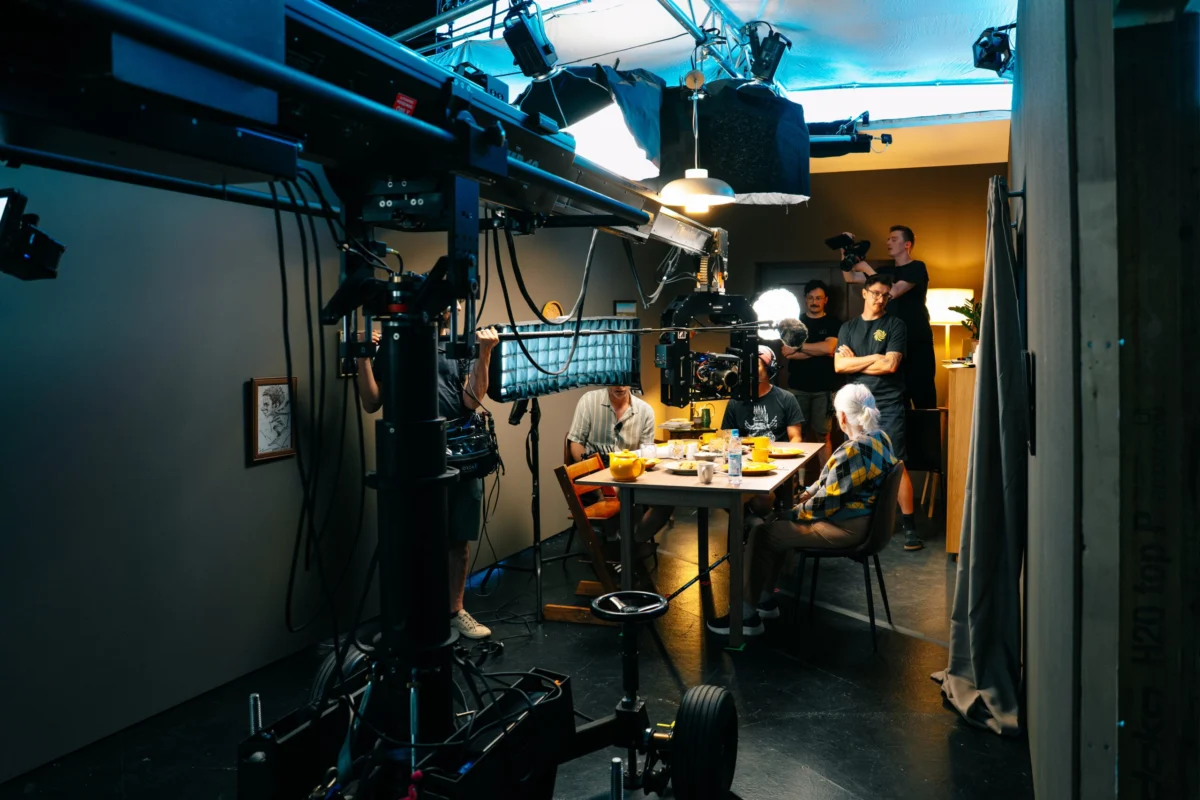
- Early Development & Conceptualization (Late 2025): Paddy Graham, recognizing the growing disconnect between the esoteric world of elite freeriding and mainstream viewers, conceptualized a film that would reverse-engineer the genre. Instead of assuming prior knowledge, the film would take the audience on an educational journey, beginning at a family dinner table where Graham attempts to explain his profession to his children and parents.
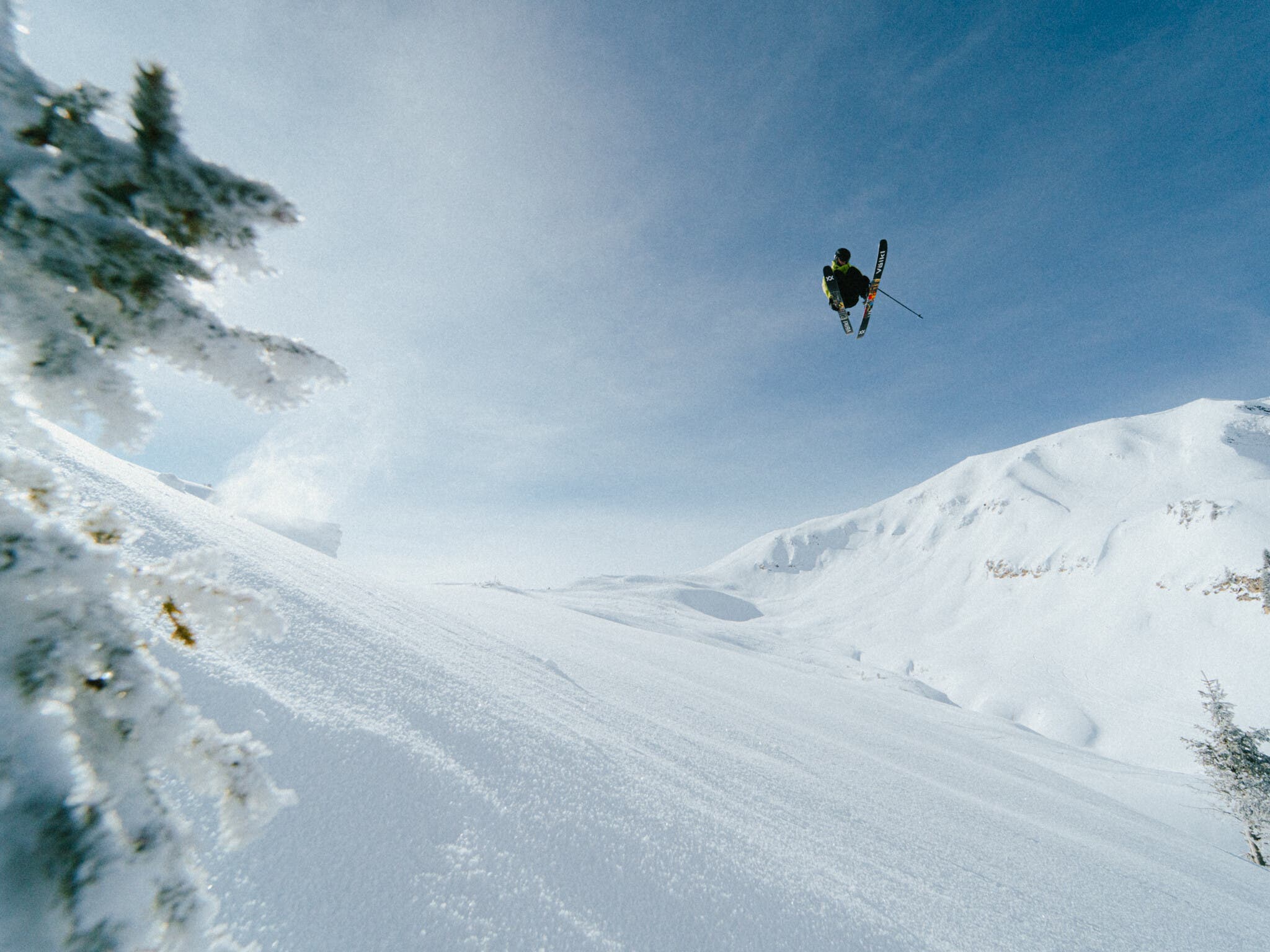
- Winter 2026 (The Field Production Phase): The production team fanned out across iconic global terrain. In February 2026, the crew descended upon Champery, Switzerland, capturing elite athlete Tom Ritsch launching massive backcountry booters. By April 2026, Graham and fellow pro Finn Bilous shifted operations to the rugged, unpredictable wilderness of Alaska to capture big-mountain lines.
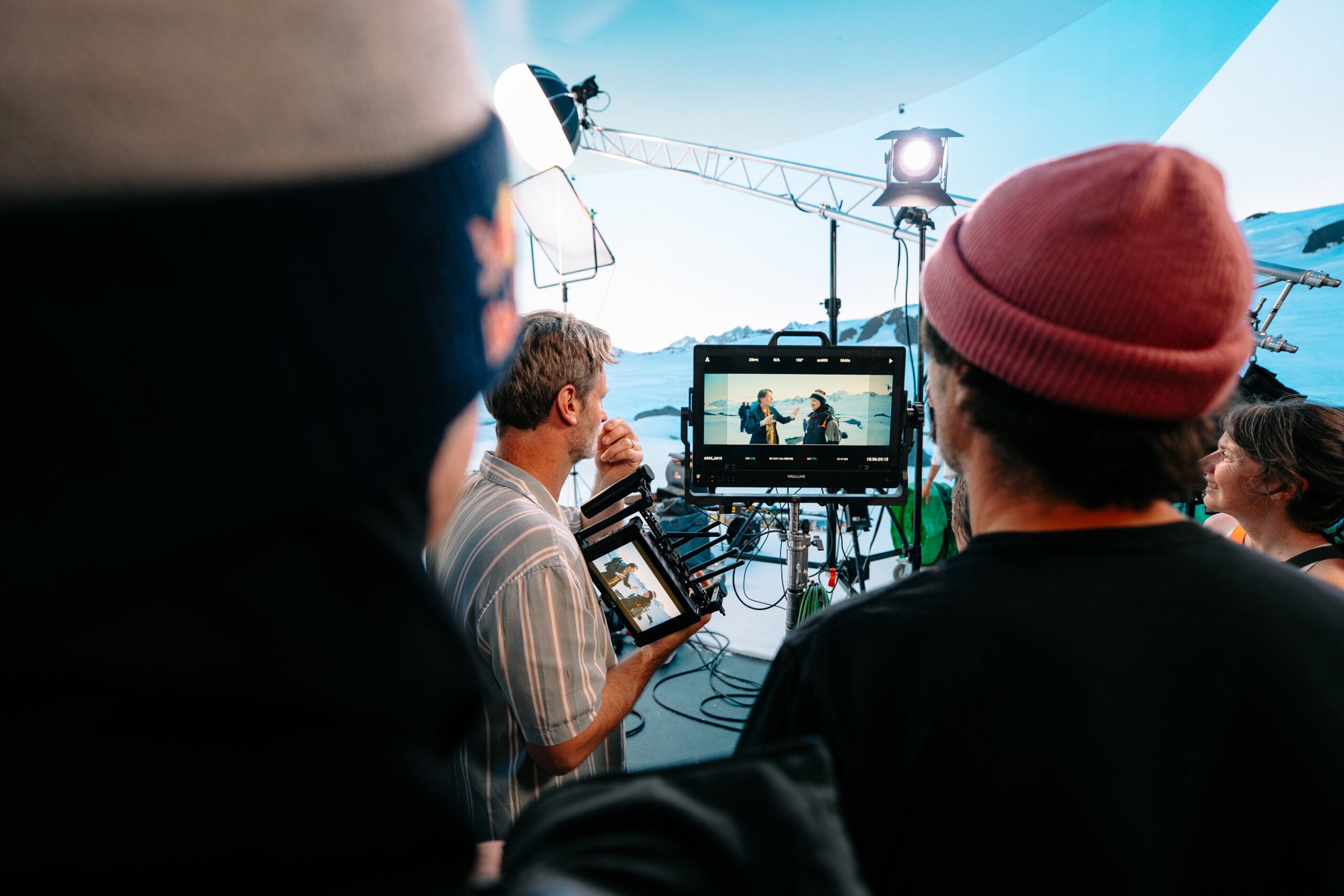
- Late May 2026 (The Hyperbowl Innovation): In an unprecedented move for an action-sports documentary, the production rented out the Hyperbowl—a high-tech virtual production studio outside Munich, Germany, typically reserved for major Hollywood blockbusters. On May 29, 2026, the crew utilized pre-scanned Alaskan topography on massive LED volumes to film dramatic narrative sequences, marking the studio’s first-ever indoor mountain ski shoot.
- Fall 2026 (Post-Production & Voiceover): Famed actor Sean Bean (The Lord of the Rings, Game of Thrones) was brought on board to narrate the project, fully immersing himself in the tone of the film through an intense method-narration approach.
- November 2026 (Global Release): Following its world tour across select international theaters, We Can’t Not officially dropped on Red Bull TV, making it freely accessible to a global audience.
Supporting Data and Production Metrics
The ambition behind We Can’t Not is reflected not only in its narrative scope, but also in the elite roster of talent and technical resources assembled by Red Bull and Legs of Steel.
The Roster of Mavericks
Paddy Graham curated a cast of athletes chosen as much for their distinct personalities as for their exceptional athletic capabilities. The core roster features:
- Paddy Graham: The film’s architect, protagonist, and guiding voice, navigating his transition away from professional competition and filmmaking.
- Kye Peterson: Known for his unmatched reading of natural mountain architecture and powerful big-mountain style.
- Markus Eder: A generational talent celebrated for seamlessly blending freestyle creativity with raw freeride aggression.
- Tom Ritsch: A master of backcountry air, bringing freestyle precision to massive natural alpine drops.
- Finn Bilous: A dynamic, forward-thinking skier representing the next wave of progression in the sport.
Technological and Artistic Metrics
- 1 Virtual Production Stage: The utilization of Munich’s Hyperbowl allowed the production team to merge real-world topography with digital wizardry, pushing the boundaries of how action sports are contextualized on screen.
- 1 Hollywood Icon: Sean Bean’s narration bridges the gap between high art and high adrenaline, lending classical theatrical weight to a genre traditionally driven purely by music and atmospheric sound design.
- 0 Paywalls on Digital Release: By launching the film for free on Red Bull TV alongside global theatrical screenings, the production team ensured maximum accessibility for non-endemic audiences.
Official Responses and Industry Insights
The departure from standard ski filmmaking norms generated significant commentary from the creative minds steering the project.
Sarah Stow, executive producer for Red Bull Media House, spoke candidly with SKI magazine about the unique challenges and creative breakthroughs encountered during production. Discussing the core motivation behind the film, Stow highlighted the central theme of artistic compulsion:
"Paddy has been asked a lot about what he actually does, and why. The film is essentially a response to the question Graham is trying to answer: Why keep making ski films? Why keep skiing such big lines? Why do you even do this? He can’t not."
Addressing the intentionality behind character development, Stow emphasized the importance of humanizing athletes who are typically hidden behind heavy winter gear:
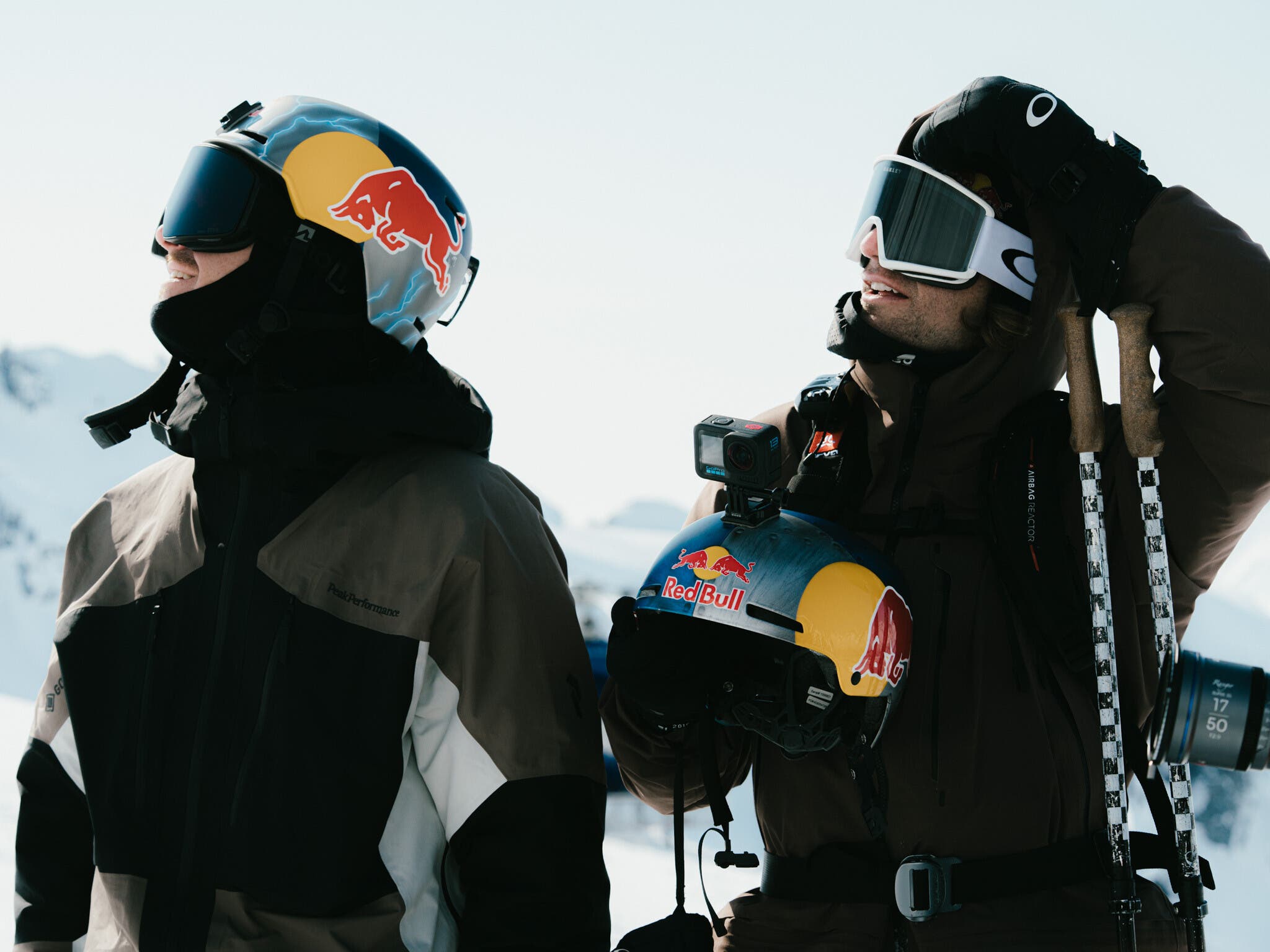
"We really wanted to introduce the athletes so audiences connect with them, which is such a smart move in a sport where we often only see goggles and helmets."
On the technical front, Stow shed light on the decision to utilize Hollywood-grade virtual production facilities for a ski documentary—a move that raised eyebrows across the industry:
"We were pushing innovation in this film, not just taking the classic safe route. The Hyperbowl is more used to Hollywood productions than a bunch of pro skiers turning up." She noted that the Alaskan backdrops had to be scanned on location well in advance, resulting in the studio’s maiden voyage into indoor mountain ski cinematography.
Stow also praised the dedication of the film’s narrator, revealing the extent of Sean Bean’s commitment to the project:
"Sean Bean got so into the project that he became a method voice actor. For one of the final scenes, where he tells the audience the film isn’t over yet, he ran in from another room to get the tone right."
Implications for the Future of Ski Cinema
The release of We Can’t Not arrives at a critical cultural crossroads for sports media. With the proliferation of short-form, algorithmic video feeds dominating platforms like TikTok, Instagram, and YouTube Shorts, feature-length sports documentaries face an uphill battle to capture the collective attention span of the public.
By structuring We Can’t Not as a meta-narrative—a film about the very act of making a film—Red Bull and Legs of Steel have provided a blueprint for how action sports media can survive and thrive outside of niche echo chambers. Instead of merely presenting gravity-defying stunts in a vacuum, the film contextualizes the human cost, the psychological driving force, and the familial sacrifices inherent in professional freeriding.
Furthermore, the project highlights a growing industry trend toward narrative transparency. By inviting the audience behind the curtain—and indeed, bringing non-skiers into the narrative via family dinner table conversations and studio-recreated environments—the filmmakers dismantle the elitism that often characterizes extreme sports.
While critics have noted minor areas for expansion—such as the absence of on-screen female athletes, despite strong female representation within Red Bull’s behind-the-scenes production teams—the overarching cultural impact of the film remains formidable. It posits that a deep, unwavering passion for an art form requires no prior technical expertise to appreciate.
Ultimately, We Can’t Not proves that when creators are driven by an unquenchable obsession, the resulting story transcends the boundaries of its sport. For enthusiasts seeking a cinematic bridge to share their passion with uninitiated friends, and for casual viewers looking for a compelling story about human dedication, the film offers a masterclass in modern documentary storytelling.
We Can’t Not is currently streaming for free on Red Bull TV and is available in select theaters worldwide.

 Neng Nana
 Iffa Jayyana
 Reynand Wu
 Sagoh
 Lina Hope
 Lina Irawan