
 Lina Irawan
By James Colgan
November 8, 2026
In an era of professional golf defined by seismic shifts and the dominance of the LIV Golf circuit, the birth of a new league is rarely a quiet affair. Yet, as the sun sets over Palm Beach Gardens, Florida, on this Sunday, the sport witnesses something distinct: the inaugural match of the Women’s TGL (WTGL).
The WTGL represents more than just a new schedule of events; it is a calculated bet on the future of golf as a spectator sport. By blending high-fidelity simulator technology with the high-stakes, personality-driven team dynamics of professional sports, the league aims to capture a demographic that traditional golf coverage has often struggled to reach. With Michelle Wie West stepping back into the competitive arena to lead the Los Angeles Golf Club (LAGC) against Lydia Ko’s New York Golf Club (NYGC), the stage is set for a broadcast experiment that prioritizes intimacy, speed, and star power.
The Genesis of the WTGL: Bridging Technology and Tradition
The WTGL is, at its core, a direct derivative of the TGL—the high-tech, indoor team-golf league that has successfully pioneered the "stadium golf" concept. The fundamental premise is simple yet revolutionary for a sport traditionally played on massive, sprawling landscapes: condense the game into a fast-paced, two-hour broadcast window within a controlled, arena-like environment.
The league employs a "shot clock" to maintain momentum, utilizes unconventional course designs that push the limits of creative engineering, and mandates that players remain "mic’d up" throughout the proceedings. By removing the long walks between shots and replacing them with high-definition, simulator-based play, the WTGL transforms golf into a theatrical event. It is designed specifically for primetime television, where every swing, every conversation, and every strategic disagreement is captured for the audience to consume in real-time.
For the LPGA, which has long sought to elevate its profile through innovative platforms, the WTGL serves as a premier showcase. It allows fans to see their favorite players not just as icons of the fairway, but as approachable, competitive athletes engaging in a format that mirrors the high-energy atmosphere of basketball or tennis matches.
The Roster: A Who’s Who of Golfing Royalty
The league’s inaugural season features five teams, each mirroring the identity and branding of their male counterparts. This synergy is intended to simplify the viewer experience, allowing fans to identify with established team identities immediately.
The five franchises competing in the 2026 season are:
- Motor City Golf Club
- Boston Common Golf
- New York Golf Club
- Atlanta Drive GC
- Los Angeles Golf Club
Each team consists of five players, bringing the total league roster to 25. The talent pool is deep, featuring global icons such as Jeeno Thitikul, Lottie Woad, Lydia Ko, and Charley Hull. The presence of players like Lexi Thompson, Rose Zhang, and Minjee Lee ensures that the level of competition remains elite.
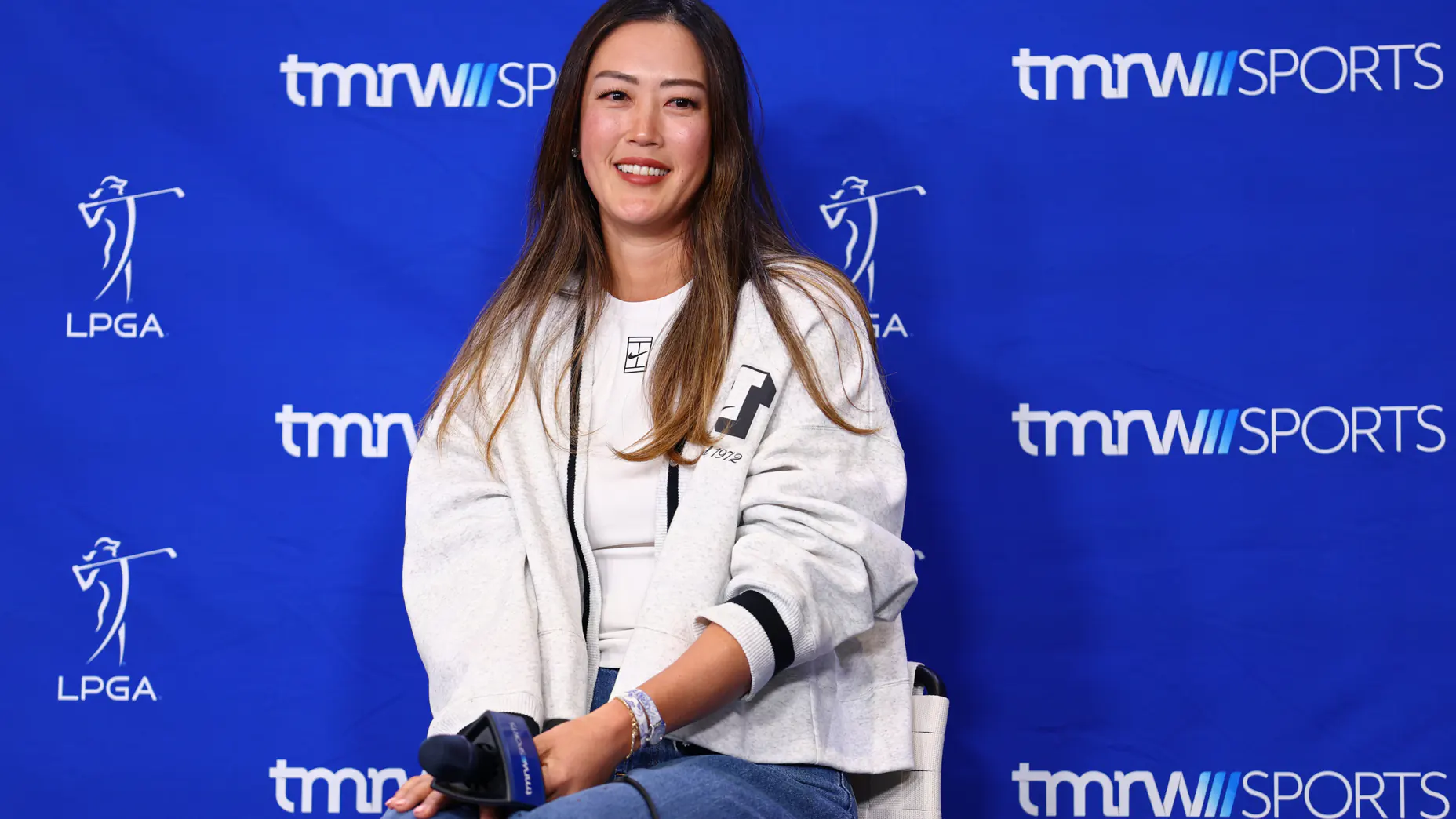
The most discussed development, however, is the return of Michelle Wie West. Having emerged from retirement to anchor the LAGC, Wie West brings a level of gravitas and charisma that is essential for a startup league. Her transition into a mentor-competitor role is seen as a masterstroke for the WTGL; she is widely considered one of the most articulate ambassadors for women’s golf, and her comfort in front of the camera makes her the perfect face for the league’s opening night.
Notably absent from the roster is Nelly Korda, the undisputed top-ranked player in women’s golf. Her absence is a talking point for analysts, yet the depth of the remaining roster suggests the league is prepared to build its own stars from the ground up, independent of any single individual’s participation.
A Chronological Breakdown of the Inaugural Season
The 2026 WTGL schedule is a sprint, not a marathon. Spanning only six weeks, the league intends to maximize its presence in the winter sports calendar, providing golf fans with content during a period when outdoor professional golf is largely in hibernation.

The Regular Season Schedule (All times ET)
- Nov 8: LAGC vs. NYGC (3 p.m., ESPN)
- Nov 10: Motor City vs. LAGC (8 p.m., ION)
- Nov 16: Boston Common vs. Motor City (8 p.m., ION)
- Nov 24: Atlanta Drive vs. Boston Common (8 p.m., ION)
- Nov 29: Boston Common vs. NYGC (1 p.m., ABC); Motor City vs. Atlanta Drive (3:30 p.m., ABC)
- Dec 1: NYGC vs. Motor City (8 p.m., ION)
- Dec 6: Atlanta Drive vs. LAGC (8:30 p.m., ESPN2)
- Dec 8: NYGC vs. Atlanta Drive (8 p.m., ION)
- Dec 15: LAGC vs. Boston Common (8 p.m., ION)
Following the regular season, the playoffs begin with semifinals on December 20 and 21, culminating in a best-of-three Championship Final scheduled for December 22 and 23.
Supporting Data and Financial Stakes
With an inaugural prize purse of $11 million, the WTGL is positioning itself as a serious financial endeavor. While this represents approximately half of the purse currently associated with the men’s TGL, it is a significant investment for a first-year league and serves as a statement of intent regarding the commercial viability of women’s sports.
The financial backing is bolstered by a star-studded list of investors. The league has attracted capital and public support from some of the most influential figures in global sports, including:
- Alex Morgan (Soccer)
- Mia Hamm (Soccer)
- Abby Wambach (Soccer)
- Aryna Sabalenka (Tennis)
- Diana Taurasi (Basketball)
- Breanna Stewart (Basketball)
This cross-pollination of support from other prominent women’s sports leagues provides the WTGL with an immediate credibility boost. By leveraging the networks and social influence of these icons, the league is reaching beyond the traditional golf "bubble" and into the broader conversation of elite women’s athletics.
Broadcast Strategy and Accessibility
One of the most critical aspects of the WTGL’s launch is its broadcast distribution. In an era where fragmented media rights can often alienate casual viewers, the WTGL has secured a robust agreement with Disney (ESPN, ABC) and Ion.
Matches will be easily accessible, with the league’s inaugural contest debuting on ESPN. Subsequent matches will rotate across the network’s platforms, while the ION broadcasts will provide free-to-air access to a broader, perhaps less specialized, audience. The integration with streaming services like YouTube TV, Fubo, and Peacock ensures that the league is meeting the modern consumer where they live: online and on-demand.
Implications for the Future of Golf
The implications of the WTGL go far beyond the scorecards of its first season. If the league proves successful, it could redefine the "off-season" for professional golfers. Rather than disappearing from public view, top-tier athletes could maintain their brands and competitive edge through these high-tech, televised spectacles.
Furthermore, the "team" element is designed to cultivate loyal followings. Historically, golf has been an individual sport, which makes it difficult to maintain year-round fan engagement. By creating franchises like the Boston Common Golf or Atlanta Drive GC, the league is attempting to foster the same regional pride and emotional investment seen in the NFL or NBA.
There are, of course, challenges. The reliance on technology means the league is vulnerable to technical hiccups, and the "sim-golf" format remains a point of contention for golf purists who value the aesthetic of the traditional course. However, the WTGL isn’t trying to replace the LPGA Tour; it is trying to supplement it, providing a complementary experience that broadens the appeal of the sport.
As Michelle Wie West steps to the tee today, she does so not just as a competitor, but as a pioneer for a new format. The success of this venture will be measured not just in viewership numbers, but in whether it can successfully bridge the gap between the historic traditions of golf and the hyper-connected, fast-paced demands of the modern media landscape.
For now, the lights are bright, the mics are hot, and the clock is ticking. The WTGL has arrived, and for a sport looking for its next big evolution, it couldn’t have come at a better time.


 Lina Hope
 Nana Muazin
 Reynand Wu
 Ammar Sabilarrohman
 Muslim

 Neng Nana
 Raul Delapena Setiawan