
 Iffa Jayyana
Main Facts: A Post-Drought Landscape and the Canadian Ascent
When the annual SKI Reader Resort Survey goes out each spring, the resulting rankings typically serve as a reliable barometer of North American ski culture. However, the data compiled for the 2027 Resort Guide reflects a unique variable: a historically lean snow year across much of the American West. The survey, which asks respondents to rate their experiences across 18 distinct categories—ranging from snow totals, grooming, and lift infrastructure to dining, lodging, nightlife, and overall character—was heavily influenced by the psychological and practical toll of navigating limited terrain during the previous winter.
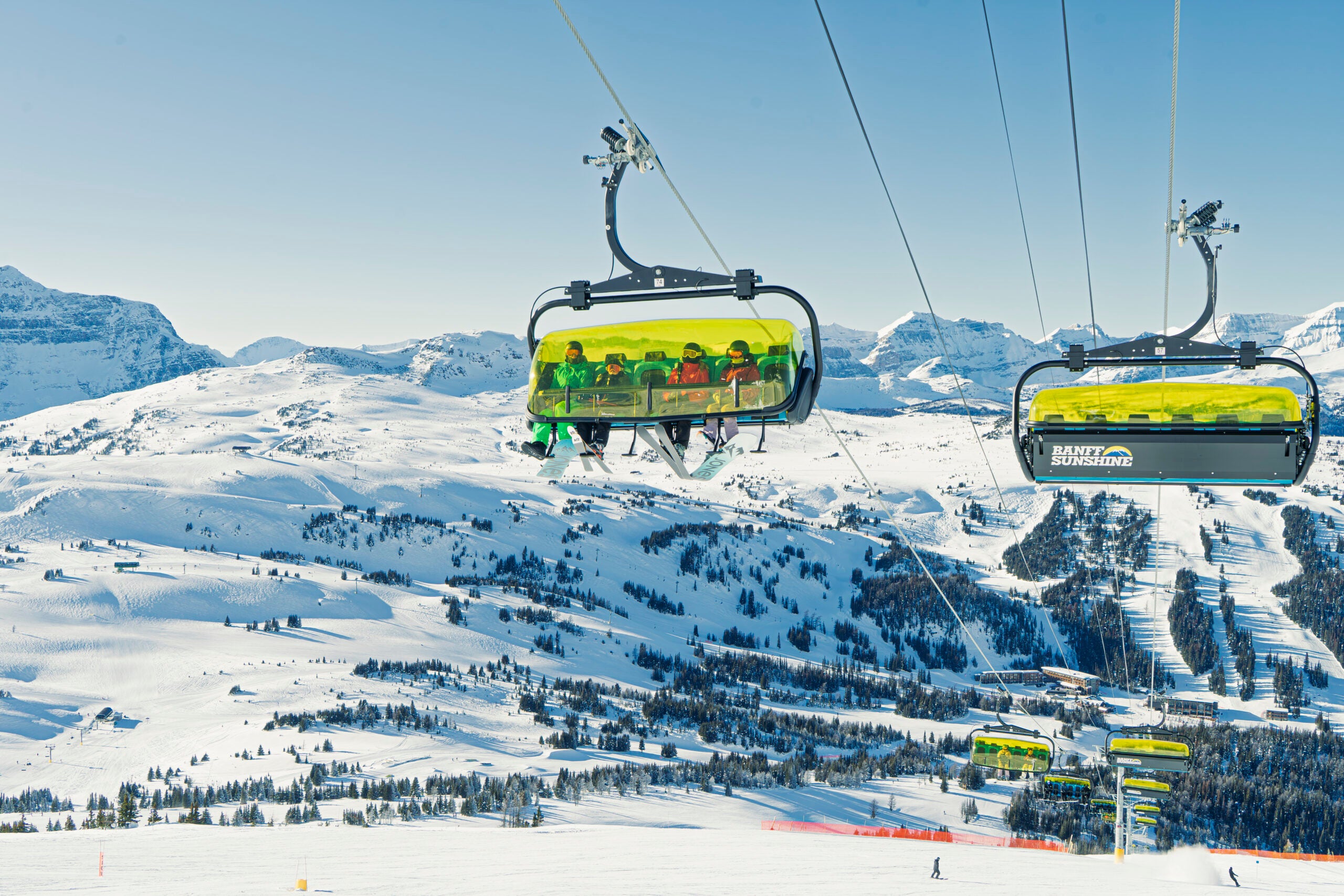
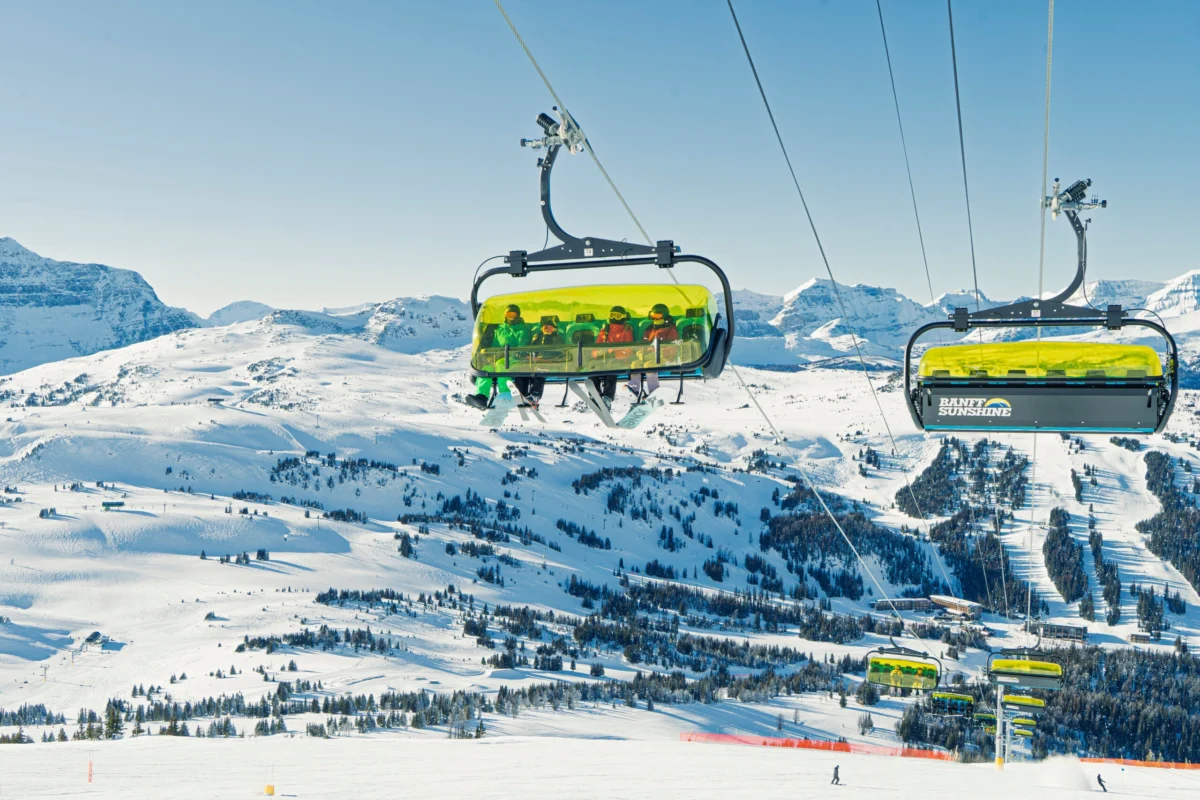
Despite these climatic challenges, the 2027 rankings revealed major shifts in the hierarchy of destination skiing. Most notably, the crown jewel of North American skiing shifted north of the border. Banff Sunshine in Alberta claimed the No. 1 overall spot for the first time in its history, capitalizing on its high-alpine elevation and reliable natural snowpack. Meanwhile, fellow Canadian resort Lake Louise experienced a meteoric rise from No. 15 to No. 2, bolstered by favorable currency exchange rates and substantial terrain expansions.
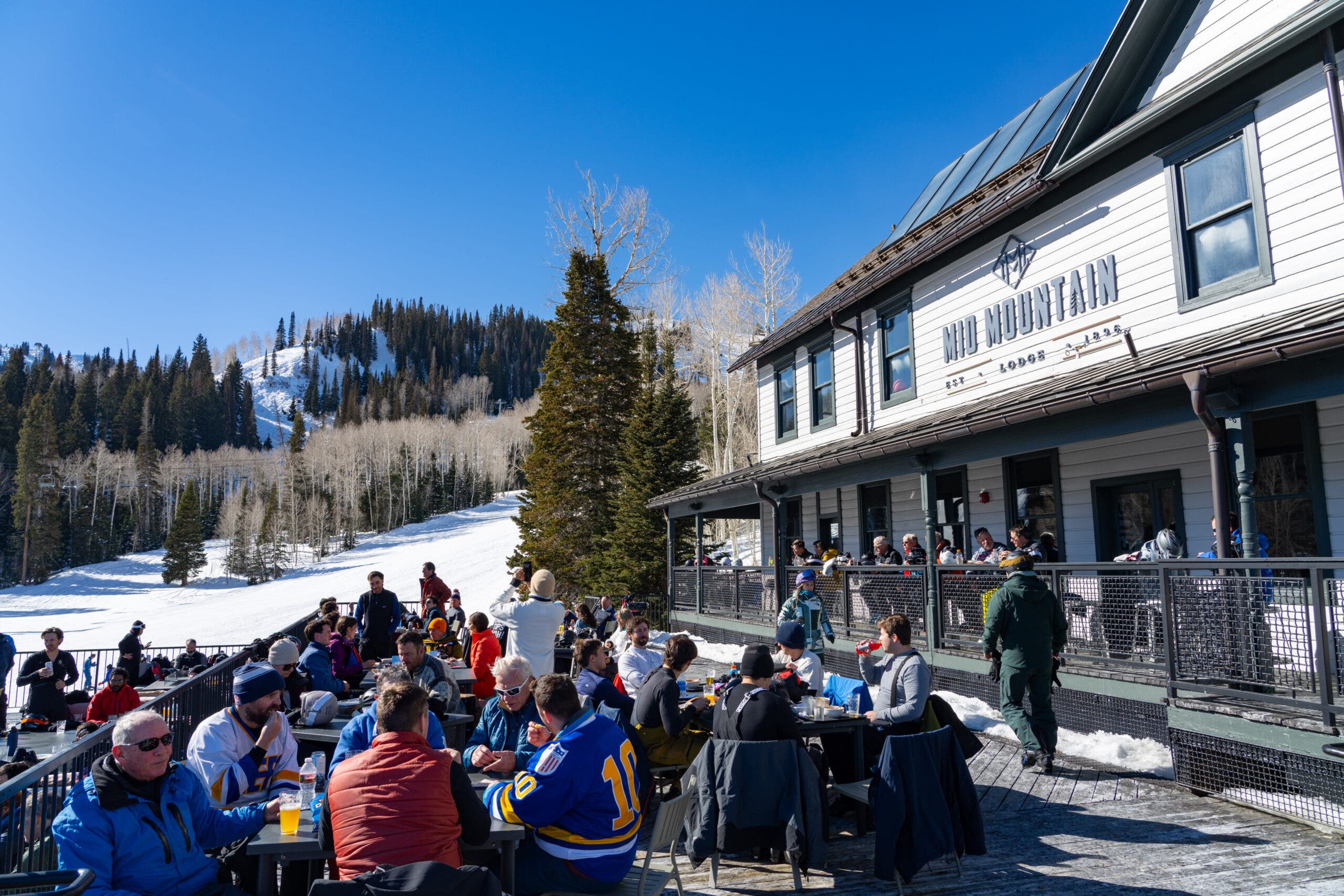
Traditional American heavyweights experienced significant volatility. While perennial favorites like Big Sky Resort (No. 5), Sun Valley (No. 6), and Snowbasin (No. 3) held firm in the upper echelons of the list, several massive destination resorts saw steep declines. Major properties such as Breckenridge, Vail, and Aspen Snowmass slipped in the rankings, largely constrained by the realities of low-snow cycles and the persistent pressures of crowding and high consumer costs.
Chronology: From Spring Surveys to the 2027-’28 Winter Rollout
The architecture of the 2027 Resort Guide spans a twelve-month operational cycle:
- April: SKI distributes its comprehensive Reader Resort Survey, capturing raw feedback regarding the winter season that just concluded. Because many western resorts struggled with low snowpack during this window, respondent sentiment heavily emphasized resort snowmaking capabilities, grooming efficiency, and crowd management.
- November: Official rankings are published, accompanied by significant strategic shifts. SKI announces a partnership with Outside Travel to integrate seamless, budget-tiered hotel-booking functionality directly into resort landing pages, alongside exclusive up-to-10% lodging discounts for Outside+ members.
- Early Winter (December–January): Major infrastructure upgrades come online across the continent. Canyons Village at Park City debuts its enclosed 10-passenger Skyway Gondola and a five-story parking garage. Keystone officially opens Kindred Resort, its first true luxury ski-in/ski-out property at River Run Village.
- January–March: High-profile events punctuate the calendar, including Shaun White’s The Snow League championship at Park City in late January and the return of the Audi FIS Ski World Cup Finals to Sun Valley in March.
Supporting Data: The Metrics of Consumer Satisfaction
Evaluating a multi-day ski vacation requires parsing data beyond raw snowfall averages. The 18-category survey framework highlights striking disparities between mega-resorts and independent, community-driven mountains:
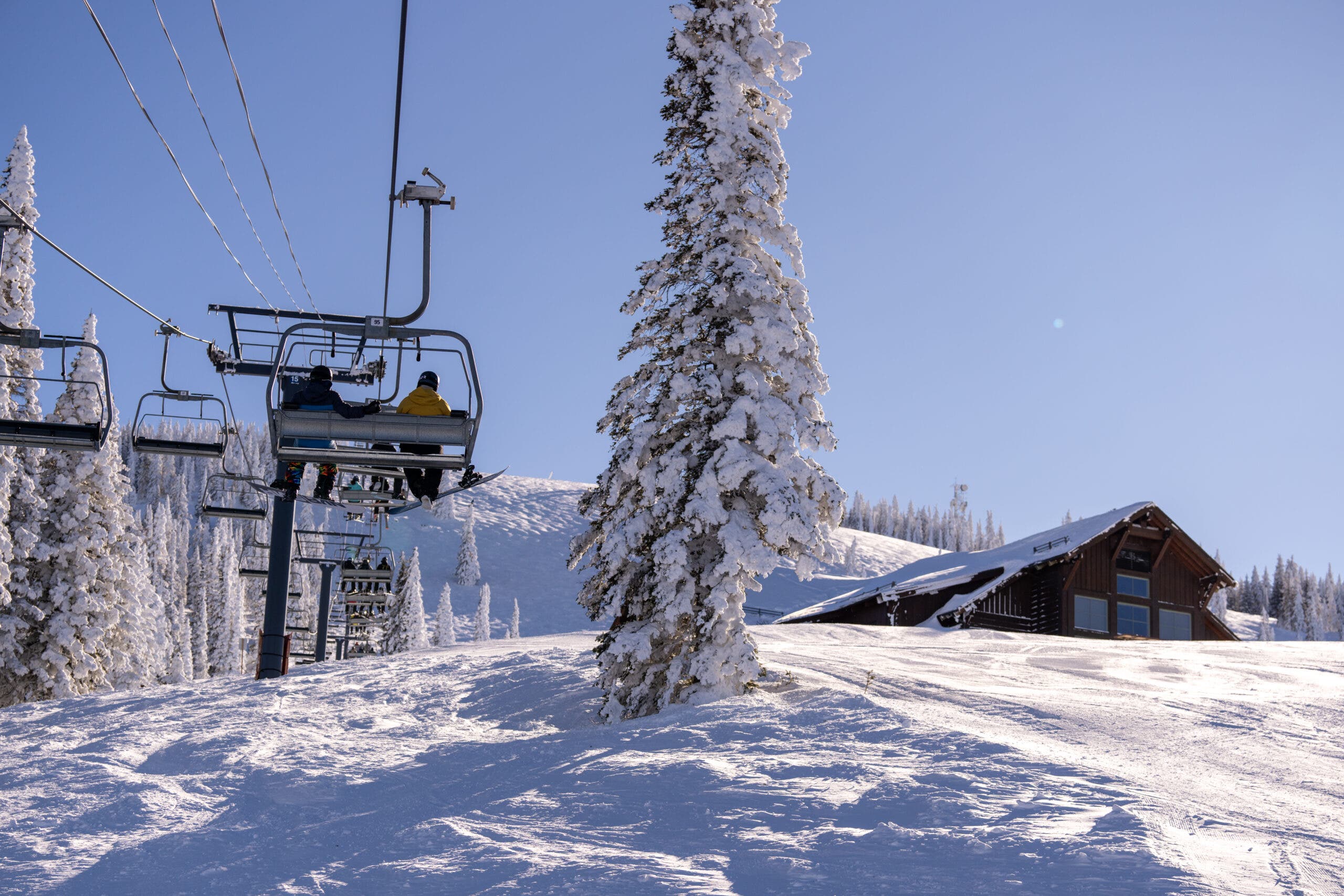
- The Snow & Elevation Advantage: Resorts relying on high-elevation geography—such as Banff Sunshine (peaking near 9,000 feet with zero snowmaking) and Alta (averaging nearly 550 inches of light Utah powder)—dominated the top tiers of the snow and challenge categories. Conversely, lower-elevation resorts without robust snowmaking infrastructure suffered noticeable dips in reader sentiment during the drought-plagued winter.
- The Value Proposition: As the financial barrier to entry for destination skiing continues to rise, budget-conscious skiers heavily rewarded independent or regional mountains. Resorts like Grand Targhee, Tamarack, Arapahoe Basin, and Whitefish scored exceptionally high in the "Value" category, proving that consumers are increasingly seeking relief from the premium pricing structures found at corporate conglomerates.
- Infrastructure and Access Pain Points: Lift network investments—such as Snowbasin’s new Becker lift, Big Sky’s Madison 8, and Brighton’s Crest 6—correlated directly with positive reader feedback. However, access metrics revealed widespread consumer fatigue. Parking fees, traffic bottlenecks in canyon corridors like Little Cottonwood (Utah) and I-70 (Colorado), and reservation systems continued to draw sharp criticism.
Official Responses and Resort Innovations
In response to shifting consumer expectations and environmental realities, mountain operators have invested heavily in infrastructure, guest services, and sustainability:
- Vail Resorts & Corporate Adaptations: Facing consumer pushback regarding pricing and crowding, major operators have rolled out targeted service enhancements. Vail Resorts introduced Epic Ascent, a concierge and priority lift-line access program for private lessons across several flagships, alongside off-mountain investments like the reimagined Dobson Arena music venue in Vail village.
- Expanding Footprints: Expansion projects are redefining guest dispersion. Deer Valley’s multi-year Expanded Excellence initiative continued with the debut of the Hail Peak Express in East Village, adding 200 skiable acres and bringing the resort’s total footprint to 4,500 acres. This rapid physical growth forces a delicate balancing act for management: preserving the legendary five-star service while absorbing thousands of new day-visitors.
- Climate Resilience: Recognizing the increasing frequency of lean snow years, resorts are modernizing snowmaking technology. Palisades Tahoe integrated diesel-electric snowcats equipped with real-time snow-depth mapping software along Mountain Run, while Taos Ski Valley installed satellite-based depth sensors to optimize early-season grooming efficiency and reduce resource waste.
Implications for the Future of Ski Travel
The results of the 2027 Reader Resort Survey point to several defining trends for the future of the ski industry:
- The Death of the "One-Size-Fits-All" Vacation: Skiers are becoming increasingly specialized in their destination choices. The stark contrast between the high-octane luxury and bustling nightlife of Whistler Blackcomb and Aspen versus the soulful, unpretentious purity of Grand Targhee and Alta indicates that consumers are deliberately selecting mountains that align with their personal ethos.
- Infrastructure as a Competitive Edge: As visitation numbers remain high, the ability to move people efficiently is paramount. Resorts that fail to upgrade aging lift networks or address base-area bottlenecks risk sliding down the rankings, regardless of their natural terrain quality.
- The Rise of Alternative Destinations: The strong showings of regional favorites and newer entries like Idaho’s Tamarack and Oregon’s Mt. Bachelor suggest that travelers are actively seeking out alternatives to overcrowded destination hubs. As parking constraints and lift ticket prices at marquee resorts reach saturation points, secondary and tertiary markets are well-positioned to capture the next generation of ski travelers.

 Lina Hope
 Asro
 Layla Zulfa

 Pevita Pearce
 Muslim

 Ammar Sabilarrohman

 Sagoh