Trending News:The Enduring Resilience of a Ski Icon: Lindsey Vonn Faces Her Final Milestone After Milano CortinaInside Mercedes’ Interlagos Drama: Toto Wolff Defends George Russell After Heated Brazilian GP Qualifying OutburstChasing Seven: How Lewis Hamilton’s Historic Milestone Ignited Lando Norris’s Multi-Title AmbitionsA Legacy in Every Pack: The Heartfelt Plea of Avery “The Poke Kid’s” FatherA High-Stakes Showdown: New Zealand and Fiji Clash for Rugby League World Cup SurvivalArizona Diamondbacks Star Corbin Carroll Undergoes Elbow Procedure: A Comprehensive Look at the Road AheadThe Integrity Crisis: Brett Hawke’s Enhanced Games Role Sparks U.S. Masters Swimming ControversyThe 2027 Backcountry Ski Pack Gear Guide: Innovation, Ergonomics, and Rigorous Field TestingThe Hunger for More: How Lewis Hamilton’s Seven Titles Fuel Lando Norris’s F1 AmbitionsA Night of Drama at Goodison: Everton Complete Resilient Comeback to Sink Coventry CityEchoes of Mercedes Past: Inside Ferrari’s Post-Mexico F1 Fallout and Toto Wolff’s Wise CounselBurger King Unveils Highly Anticipated 2026 Advent Calendar: A Miniature Masterpiece for CollectorsA Northern Lights Showdown: Ireland and Argentina Open the Nations ChampionshipThe Ultimate Guide to Golf Bag Gifting: Elevating the Game This Holiday SeasonThe Evolution of MLB Trade Rumors: A Deep Dive into the "Front Office" EraStar-Studded Cardiff Cross Challenge Marks Laura Muir’s Long-Awaited Return to Muddy Cross-CountryThe Pinnacle of Collegiate Speed: Virginia Eyes Title at Inaugural College Swim League ChampionshipBeyond the Lift Ticket: How Skiers at Vail and Beyond Are Defying On-Mountain Dining Prices with Slopeside GrillingA Reckoning at Homestead: Carson Hocevar Faces the Music After Martinsville FalloutEuropean Nights: Bournemouth March On as Milan Stumble and Sunderland’s Woes DeepenAmazon Prime Elevates Food Delivery: A Comprehensive Look at the New Uber Eats IntegrationThe Business End: Rugby League World Cup 2026 Reaches Fever Pitch as Semi-Finals LoomRising Stars in the Professional Peloton: Navigating the Brutal Reality of the Neo-Pro EraBrazilian Freestyle Talent Joao Bodemeier Commits to LSU: A New Era for Tigers SwimmingExhausted and Eclipsed: Inside George Russell’s Brutal 2026 Formula 1 SeasonEuropean Football Night: High Drama, Red Cards, and Late Rescues Across the ContinentThe New Vanguard: Analyzing the Modern Warfare 4 and Warzone Season 1 Meta ShiftThe November Hiatus: How the Nations Championship is Reshaping the Global Rugby CalendarThe Rise and Fall of the LIV Golf Experiment: A Five-Year OdysseyNew York Mets Bolster Offensive Staff: Johnny Washington Named Co-Hitting CoachJoran Wyseure Triumphs in Dramatic Nighttime Superprestige Middelkerke ThrillerOlympic Medalist Tomoru Honda Handed 21-Month Suspension Following Criminal Driving OffenseLando Norris Blasts F1’s "Artificial" Speed Limits After Frustrating Mexico City GP TrainThe Fight for a Dynasty: Indian River State College Launches $15 Million Endowment to Save Iconic Swim ProgramThe Definitive East Coast Skiing Hierarchy: Inside SKI’s 2026–’27 Reader Resort SurveyHanley Motorsports and DXDT Racing Join Forces for Massive 2027 IMSA Expansion with BMW Factory SupportThe 2027 Formula 1 Grid Paradox: Why Liam Lawson’s Standout Midfield Campaign May Not Save His SeatVelocity and Resilience: Inside BYD’s High-Stakes Pursuit of the 310-MPH BarrierThe Global Rugby Revolution: Your Ultimate Guide to the 2026 Nations ChampionshipThe Global Ambassador Debate: Rory McIlroy Defends Scottie Scheffler’s Domestic FocusHouston’s Managerial Search Intensifies: Pujols and Ensberg Emerge as Key CandidatesThe Nikita Kucherov Conundrum: Why a Tampa Bay Lightning Trade Might Not Happen Before the DeadlineUnibet Rose Rockets Secure Major Coup with Appointment of Aike Visbeek as Head of Racing for 2027 SeasonThe Future of Competitive Swimming: Speedo iQ and the Quest for Data-Driven PerformanceThe Invisible Toll: Why That ‘Fine-Looking’ Ski Helmet Must Be Traded In After a CrashThe Liam Lawson Paradox: Why Formula 1’s Midfield Standout Is Still Fighting for His 2027 FutureCadillac’s F1 Superlicense Chase for Colton Herta Takes Center Stage at the Sao Paulo Grand PrixThe Century Club: A Deep Dive into the Most Prolific Finishers in Premiership Rugby HistoryRays Reliever Edwin Uceta Sidelined Following Shoulder Surgery; 2027 Outlook UncertainGabi Brito: The High School Prodigy Set to Redefine the Golden Bear LegacyThe Unsung Hero of Slope Safety: Why Your Outer Hip is the Key to Surviving Ski Season Injury-FreeBarcelona Dismantle Aston Villa: A Tactical Masterclass at the Camp NouHaas F1 Showdown: Ocon Benched Permanently as Junior Standout Rafa Câmara Accelerated to 2026 Debut in BrazilA Legacy of Transparency: Remembering Marcel Johnson, the TikToker Who Humanized the Battle with Stage 4 CancerThe Global Stage: Everything You Need to Know About the 2026 Nations ChampionshipHigh Stakes in Cabo: Analyzing the 2026 World Wide Technology Championship Betting LandscapeWeekend Endurance Roundup: Record-Breaking Masters, Mud-Splattered Cross-Country Clashes, and Autumn Road RacingNorthwestern Secures High-Level Talent: Lorealle Lobedecis Joins the Wildcats for 2027The Ultimate Pre-Season Ski Gear Inspection Guide: Expert Strategies to Get Ready Before the First Lift SpinsThe NextGen Dilemma at Martinsville: Why NASCAR’s Modern Machine Still Struggles to Master Short TracksThe Making of a Champion: How a "Stern Conversation" Forged Kimi Antonelli’s 2026 F1 GloryThe Legacy of Ski Santa Fe: How the Abruzzo Family Built a Four-Generation Mountain EmpireMilestone Moments and Maximum Fields: Previewing the 2026 NASCAR Cup Season Finale at Homestead-MiamiHeartbreak in Mexico City: George Russell Reflects on a Unraveling 2026 Title Bid as Kimi Antonelli Crowned World ChampionPremiership Rugby 2026-27: The Road to the Nations Championship BreakThe Next Frontier: PING Unveils the G450 Lineup and the Highly Anticipated ‘MINIMAX’ Mini DriverAstros Roster Overhaul: A Strategic Shift in Houston’s Offseason Personnel StrategyIrrefutable Data and Rising Tensions: Inside Carson Hocevar and Austin Cindric’s Martinsville ControversyHistory Made in Mexico: How Kimi Antonelli Smashed F1 Records to Become the Youngest World ChampionItalian Backstroke Phenom Cesare Gagiola Commits to Penn State for 2028The Pacific Powerhouse Clash: Tonga and Samoa Face Off in High-Stakes World Cup ShowdownBoston Red Sox Secure Bullpen Anchor: Garrett Whitlock Returns for 2027Harrison Tater Flips Commitment: A Strategic Shift to The Ohio State UniversityBeyond the Powder: Why Red Bull and Legs of Steel’s ‘We Can’t Not’ is the Ski Film for EveryoneInside the Mexico GP Controversy: Why the FIA Handed Charles Leclerc a Lenient Penalty After Lap 1 Ferrari ClashAnthropic Clamps Down on AI-Generated Game Clones: A New Precedent for Intellectual PropertyThe United Rugby Championship: Your Definitive Guide to Following the 2026-27 SeasonTampa Bay Rays Secure Ace: Drew Rasmussen’s 2027 Option Exercised Following Career-Best CampaignThe Road to Beijing: High Stakes and Record-Breaking Performances at the 2026 U.S. Short Course World Championship TrialsChasing Shadows in the Powder: How Bigfoot Became the Iconic Mascot of Pacific Northwest Ski CultureTension in the Paddock: Esteban Ocon Denies Physical Altercation After Being Benched by Haas for the Mexico City Grand PrixRacing Bulls Retains Sole Control Over 2027 Line-Up Despite Verstappen-Lawson Mexico ClashKangaroos Eye Perfect Group Stage: Australia Set for Final Pool A Test Against Cook IslandsEmilio Pagán Hits Free Agency: Veteran Reliever Declines Option with Cincinnati RedsSidney McGill Dominates Oro-Medonte to Claim Her Maiden Elite Canadian Cyclocross TitleDakar 2024: Youth Olympic Games Return Amidst Extreme Heat ChallengesChasing the First Chair: Where to Find the Best Early-Season Snow for the 2026–’27 Ski SeasonLong-Shot Glory: Denny Hamlin’s Uphill Battle at Martinsville as Kyle Larson Closes in on NASCAR Cup Series CrownColton Herta’s Formula 1 Superlicence Odyssey: Why the IndyCar Star Is Still One Point ShortDo-or-Die in Wollongong: England’s Rugby League World Cup Future Hangs by a ThreadRays Facing Pivotal Offseason After 2026 World Series RunEmbracing the Pain Cave: Inside Cyclingnews’ Indoor Cycling Week and the Evolution of Virtual TrainingThe Winter Chill on Youth Athletics: How Cold Weather, Cancellations, and Safety Fears Are Threatening the Next Generation of RunnersElectric Pace at the 2026 U.S. Short Course World Championship Trials: A Night of Records and RivalriesThe Ultimate Cross-Border Escape: Why Québec is North America’s Best-Kept Winter SecretHigh Stakes in the Western District: Joe Gibbs Racing Presses for ‘Adverse Inference’ in Legal Battle Over Chris Gabehart’s Deleted TextsPressure Mounts at Brackley: Guenther Steiner Warns George Russell Faces a Crucial F1 CrossroadsThe Future of the Brew: How Starbucks is Leveraging AI to Revolutionize the Drive-Thru ExperienceHigh Stakes at Cbus Super: New Zealand and Fiji Face Off in World Cup DeciderGiants Catcher Andrew Knizner Clears Waivers: A Crossroads in a Veteran’s Career
Trending News:The Enduring Resilience of a Ski Icon: Lindsey Vonn Faces Her Final Milestone After Milano CortinaInside Mercedes’ Interlagos Drama: Toto Wolff Defends George Russell After Heated Brazilian GP Qualifying OutburstChasing Seven: How Lewis Hamilton’s Historic Milestone Ignited Lando Norris’s Multi-Title AmbitionsA Legacy in Every Pack: The Heartfelt Plea of Avery “The Poke Kid’s” FatherA High-Stakes Showdown: New Zealand and Fiji Clash for Rugby League World Cup SurvivalArizona Diamondbacks Star Corbin Carroll Undergoes Elbow Procedure: A Comprehensive Look at the Road AheadThe Integrity Crisis: Brett Hawke’s Enhanced Games Role Sparks U.S. Masters Swimming ControversyThe 2027 Backcountry Ski Pack Gear Guide: Innovation, Ergonomics, and Rigorous Field TestingThe Hunger for More: How Lewis Hamilton’s Seven Titles Fuel Lando Norris’s F1 AmbitionsA Night of Drama at Goodison: Everton Complete Resilient Comeback to Sink Coventry CityEchoes of Mercedes Past: Inside Ferrari’s Post-Mexico F1 Fallout and Toto Wolff’s Wise CounselBurger King Unveils Highly Anticipated 2026 Advent Calendar: A Miniature Masterpiece for CollectorsA Northern Lights Showdown: Ireland and Argentina Open the Nations ChampionshipThe Ultimate Guide to Golf Bag Gifting: Elevating the Game This Holiday SeasonThe Evolution of MLB Trade Rumors: A Deep Dive into the "Front Office" EraStar-Studded Cardiff Cross Challenge Marks Laura Muir’s Long-Awaited Return to Muddy Cross-CountryThe Pinnacle of Collegiate Speed: Virginia Eyes Title at Inaugural College Swim League ChampionshipBeyond the Lift Ticket: How Skiers at Vail and Beyond Are Defying On-Mountain Dining Prices with Slopeside GrillingA Reckoning at Homestead: Carson Hocevar Faces the Music After Martinsville FalloutEuropean Nights: Bournemouth March On as Milan Stumble and Sunderland’s Woes DeepenAmazon Prime Elevates Food Delivery: A Comprehensive Look at the New Uber Eats IntegrationThe Business End: Rugby League World Cup 2026 Reaches Fever Pitch as Semi-Finals LoomRising Stars in the Professional Peloton: Navigating the Brutal Reality of the Neo-Pro EraBrazilian Freestyle Talent Joao Bodemeier Commits to LSU: A New Era for Tigers SwimmingExhausted and Eclipsed: Inside George Russell’s Brutal 2026 Formula 1 SeasonEuropean Football Night: High Drama, Red Cards, and Late Rescues Across the ContinentThe New Vanguard: Analyzing the Modern Warfare 4 and Warzone Season 1 Meta ShiftThe November Hiatus: How the Nations Championship is Reshaping the Global Rugby CalendarThe Rise and Fall of the LIV Golf Experiment: A Five-Year OdysseyNew York Mets Bolster Offensive Staff: Johnny Washington Named Co-Hitting CoachJoran Wyseure Triumphs in Dramatic Nighttime Superprestige Middelkerke ThrillerOlympic Medalist Tomoru Honda Handed 21-Month Suspension Following Criminal Driving OffenseLando Norris Blasts F1’s "Artificial" Speed Limits After Frustrating Mexico City GP TrainThe Fight for a Dynasty: Indian River State College Launches $15 Million Endowment to Save Iconic Swim ProgramThe Definitive East Coast Skiing Hierarchy: Inside SKI’s 2026–’27 Reader Resort SurveyHanley Motorsports and DXDT Racing Join Forces for Massive 2027 IMSA Expansion with BMW Factory SupportThe 2027 Formula 1 Grid Paradox: Why Liam Lawson’s Standout Midfield Campaign May Not Save His SeatVelocity and Resilience: Inside BYD’s High-Stakes Pursuit of the 310-MPH BarrierThe Global Rugby Revolution: Your Ultimate Guide to the 2026 Nations ChampionshipThe Global Ambassador Debate: Rory McIlroy Defends Scottie Scheffler’s Domestic FocusHouston’s Managerial Search Intensifies: Pujols and Ensberg Emerge as Key CandidatesThe Nikita Kucherov Conundrum: Why a Tampa Bay Lightning Trade Might Not Happen Before the DeadlineUnibet Rose Rockets Secure Major Coup with Appointment of Aike Visbeek as Head of Racing for 2027 SeasonThe Future of Competitive Swimming: Speedo iQ and the Quest for Data-Driven PerformanceThe Invisible Toll: Why That ‘Fine-Looking’ Ski Helmet Must Be Traded In After a CrashThe Liam Lawson Paradox: Why Formula 1’s Midfield Standout Is Still Fighting for His 2027 FutureCadillac’s F1 Superlicense Chase for Colton Herta Takes Center Stage at the Sao Paulo Grand PrixThe Century Club: A Deep Dive into the Most Prolific Finishers in Premiership Rugby HistoryRays Reliever Edwin Uceta Sidelined Following Shoulder Surgery; 2027 Outlook UncertainGabi Brito: The High School Prodigy Set to Redefine the Golden Bear LegacyThe Unsung Hero of Slope Safety: Why Your Outer Hip is the Key to Surviving Ski Season Injury-FreeBarcelona Dismantle Aston Villa: A Tactical Masterclass at the Camp NouHaas F1 Showdown: Ocon Benched Permanently as Junior Standout Rafa Câmara Accelerated to 2026 Debut in BrazilA Legacy of Transparency: Remembering Marcel Johnson, the TikToker Who Humanized the Battle with Stage 4 CancerThe Global Stage: Everything You Need to Know About the 2026 Nations ChampionshipHigh Stakes in Cabo: Analyzing the 2026 World Wide Technology Championship Betting LandscapeWeekend Endurance Roundup: Record-Breaking Masters, Mud-Splattered Cross-Country Clashes, and Autumn Road RacingNorthwestern Secures High-Level Talent: Lorealle Lobedecis Joins the Wildcats for 2027The Ultimate Pre-Season Ski Gear Inspection Guide: Expert Strategies to Get Ready Before the First Lift SpinsThe NextGen Dilemma at Martinsville: Why NASCAR’s Modern Machine Still Struggles to Master Short TracksThe Making of a Champion: How a "Stern Conversation" Forged Kimi Antonelli’s 2026 F1 GloryThe Legacy of Ski Santa Fe: How the Abruzzo Family Built a Four-Generation Mountain EmpireMilestone Moments and Maximum Fields: Previewing the 2026 NASCAR Cup Season Finale at Homestead-MiamiHeartbreak in Mexico City: George Russell Reflects on a Unraveling 2026 Title Bid as Kimi Antonelli Crowned World ChampionPremiership Rugby 2026-27: The Road to the Nations Championship BreakThe Next Frontier: PING Unveils the G450 Lineup and the Highly Anticipated ‘MINIMAX’ Mini DriverAstros Roster Overhaul: A Strategic Shift in Houston’s Offseason Personnel StrategyIrrefutable Data and Rising Tensions: Inside Carson Hocevar and Austin Cindric’s Martinsville ControversyHistory Made in Mexico: How Kimi Antonelli Smashed F1 Records to Become the Youngest World ChampionItalian Backstroke Phenom Cesare Gagiola Commits to Penn State for 2028The Pacific Powerhouse Clash: Tonga and Samoa Face Off in High-Stakes World Cup ShowdownBoston Red Sox Secure Bullpen Anchor: Garrett Whitlock Returns for 2027Harrison Tater Flips Commitment: A Strategic Shift to The Ohio State UniversityBeyond the Powder: Why Red Bull and Legs of Steel’s ‘We Can’t Not’ is the Ski Film for EveryoneInside the Mexico GP Controversy: Why the FIA Handed Charles Leclerc a Lenient Penalty After Lap 1 Ferrari ClashAnthropic Clamps Down on AI-Generated Game Clones: A New Precedent for Intellectual PropertyThe United Rugby Championship: Your Definitive Guide to Following the 2026-27 SeasonTampa Bay Rays Secure Ace: Drew Rasmussen’s 2027 Option Exercised Following Career-Best CampaignThe Road to Beijing: High Stakes and Record-Breaking Performances at the 2026 U.S. Short Course World Championship TrialsChasing Shadows in the Powder: How Bigfoot Became the Iconic Mascot of Pacific Northwest Ski CultureTension in the Paddock: Esteban Ocon Denies Physical Altercation After Being Benched by Haas for the Mexico City Grand PrixRacing Bulls Retains Sole Control Over 2027 Line-Up Despite Verstappen-Lawson Mexico ClashKangaroos Eye Perfect Group Stage: Australia Set for Final Pool A Test Against Cook IslandsEmilio Pagán Hits Free Agency: Veteran Reliever Declines Option with Cincinnati RedsSidney McGill Dominates Oro-Medonte to Claim Her Maiden Elite Canadian Cyclocross TitleDakar 2024: Youth Olympic Games Return Amidst Extreme Heat ChallengesChasing the First Chair: Where to Find the Best Early-Season Snow for the 2026–’27 Ski SeasonLong-Shot Glory: Denny Hamlin’s Uphill Battle at Martinsville as Kyle Larson Closes in on NASCAR Cup Series CrownColton Herta’s Formula 1 Superlicence Odyssey: Why the IndyCar Star Is Still One Point ShortDo-or-Die in Wollongong: England’s Rugby League World Cup Future Hangs by a ThreadRays Facing Pivotal Offseason After 2026 World Series RunEmbracing the Pain Cave: Inside Cyclingnews’ Indoor Cycling Week and the Evolution of Virtual TrainingThe Winter Chill on Youth Athletics: How Cold Weather, Cancellations, and Safety Fears Are Threatening the Next Generation of RunnersElectric Pace at the 2026 U.S. Short Course World Championship Trials: A Night of Records and RivalriesThe Ultimate Cross-Border Escape: Why Québec is North America’s Best-Kept Winter SecretHigh Stakes in the Western District: Joe Gibbs Racing Presses for ‘Adverse Inference’ in Legal Battle Over Chris Gabehart’s Deleted TextsPressure Mounts at Brackley: Guenther Steiner Warns George Russell Faces a Crucial F1 CrossroadsThe Future of the Brew: How Starbucks is Leveraging AI to Revolutionize the Drive-Thru ExperienceHigh Stakes at Cbus Super: New Zealand and Fiji Face Off in World Cup DeciderGiants Catcher Andrew Knizner Clears Waivers: A Crossroads in a Veteran’s Career
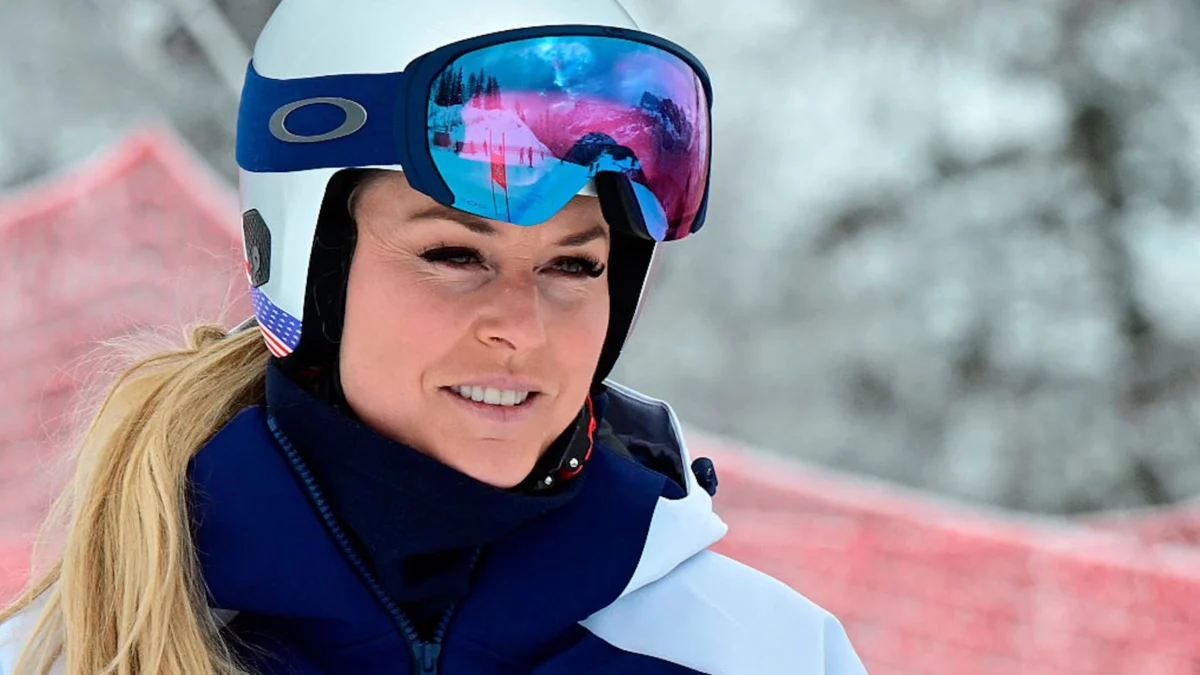
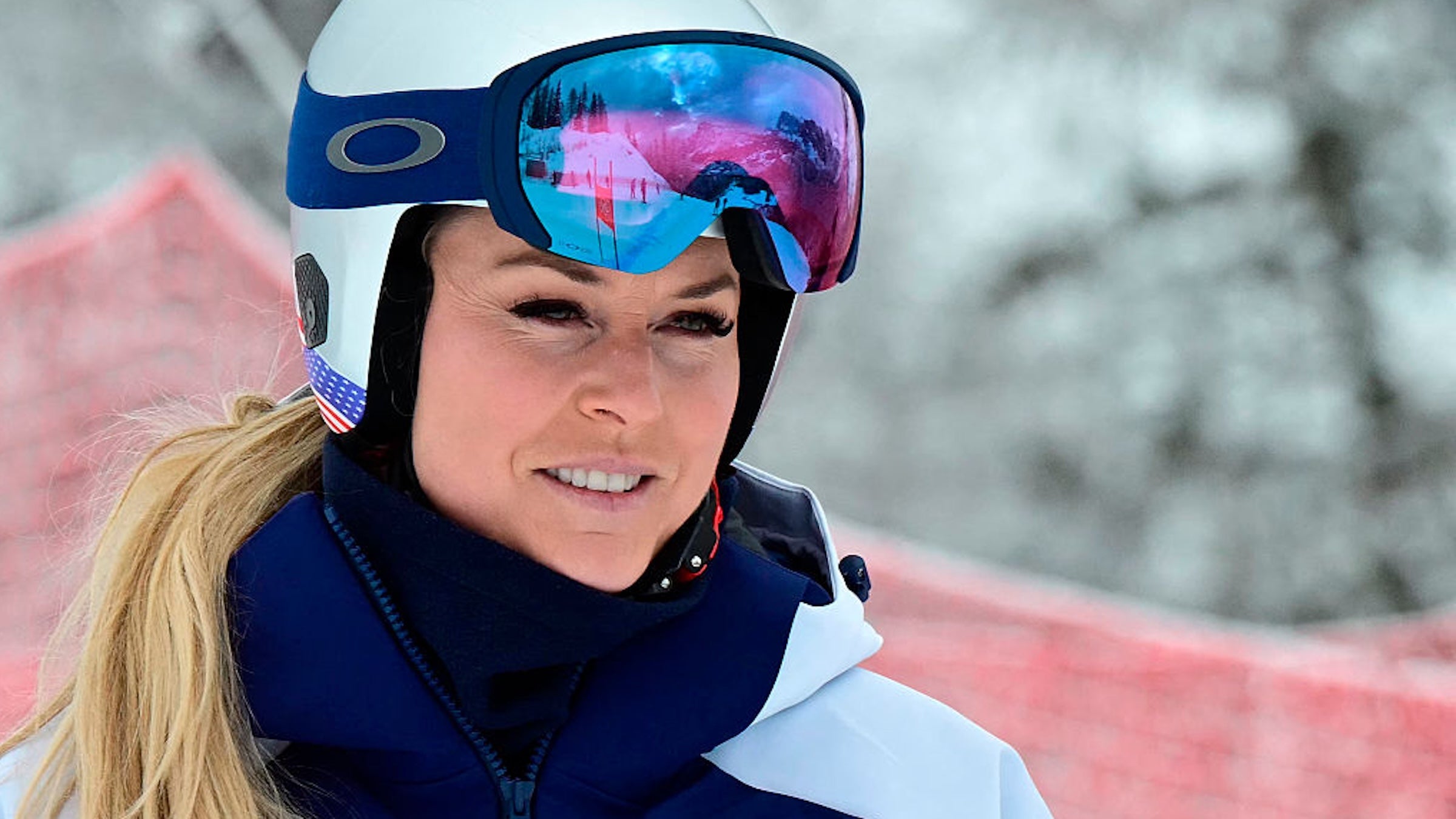
Eight months after a catastrophic, career-threatening crash at the Milano Cortina 2026 Winter Olympics, alpine skiing legend Lindsey Vonn is preparing for her ninth surgery in as many months. Scheduled for November 9, 2026, the upcoming procedure represents a critical juncture in her recovery: the removal of the hardware currently stabilizing her left lower leg, the definitive reconstruction of her anterior cruciate ligament (ACL), and, ideally, the final chapter of a grueling medical odyssey.
At 42 years old, the three-time Olympic medalist has spent the better part of a year battling not just for her athletic future, but initially, for the preservation of her limb. The injury, sustained during the women’s downhill event at the Tofane Alpine Skiing Centre, required immediate, life-saving intervention and a multi-stage surgical roadmap. Yet, even as she faces an impending four-week stint on crutches and at least six months of arduous rehabilitation, Vonn’s unwavering fixation remains singular: getting back on skis.
Chronology of a Crisis: From the Slopes of Cortina to the Operating Room
The timeline of Vonn’s harrowing ordeal began just days before the Olympic downhill race in February 2026, when she initially ruptured the ACL in her left knee. Demonstrating the fierce competitiveness that defined her historic career, Vonn opted to start the race despite the compromised joint.
February 2026 (The Crash): Just 13.4 seconds into her run at the Milano Cortina Games, Vonn took an aggressive line, clipped a gate, and was violently thrown off course. The high-speed impact sent her spinning through the air before a devastating landing on the icy surface of the Tofane course.
Immediate Post-Crash: Airlifted from the mountain to a nearby hospital, Vonn was diagnosed with complex fractures in both bones of her lower left leg. Initial emergency surgeries involved the insertion of three metal plates and up to 20 screws to stabilize the structural damage. However, the severity of the trauma prevented surgeons from addressing her torn ACL until the surrounding bone fractures had sufficiently healed.
The Emergency Intervention: In the weeks following her initial stabilization, Vonn revealed the true scope of the peril she faced. Pressure buildup in her lower leg triggered acute compartment syndrome—a potentially life-threatening condition that restricts blood flow and threatens muscle and tissue viability. Colorado-based orthopedic surgeon Dr. Tomas Hackett performed an emergency fasciotomy, a critical procedure that ultimately saved her leg from amputation.
Interim Milestones: Throughout the spring and summer of 2026, Vonn documented her slow, incremental path back to mobility. A notable psychological and physical milestone came when she shared footage of herself sailing on a hydrofoil, noting that while it wasn’t snow, it represented a vital step forward in her recovery process.
November 2026 (The Final Phase): Now, heading into her ninth surgery on November 9, Vonn aims to clear the remaining internal hardware and finally reconstruct the knee stability lost back in February.
Supporting Data and Medical Realities
The physical toll of Vonn’s Milano Cortina crash places her recovery among the most severe orthopedic challenges in modern winter sports history.
Surgical Frequency: Vonn has undergone eight major procedures since February, with the upcoming November 9 operation marking the ninth.
Hardware Removal and Reconstruction: The procedure will extract multiple plates and up to 20 screws implanted during her emergency trauma surgeries in Italy, clearing the way for a long-delayed ACL reconstruction.
Post-Operative Prognosis: Medical projections indicate that Vonn will face approximately four weeks of mandatory immobility utilizing crutches, followed by a rigorous, six-month physical therapy and rehabilitation program.
Historical Context: Vonn’s legacy is anchored by her historic performance at the 2010 Vancouver Winter Olympics, where she became the first American woman to win an Olympic gold medal in the downhill event. Over her illustrious career, she has consistently defied physical adversity, earning a reputation as one of the most resilient athletes in the history of alpine skiing.
Official Responses and Personal Reflections
Vonn has maintained a transparent dialogue with the public and sports media regarding the brutal realities of her recovery. In an exclusive interview with Forbes ahead of the November procedure, she outlined her expectations directly:
"The plan is to remove all of the hardware, finally fix the ACL, and hopefully that’s my last surgery."
Elaborating further on the psychological weight of chronic surgeries and extended immobilization, Vonn acknowledged the pause the upcoming operation will place on her active lifestyle. In statements shared with Parade and across her verified social media channels, she maintained an optimistic long-term outlook:
"I know I won’t be doing this, or much else, for quite some time after this next surgery, but I know I’ll get back to it. Eventually, I will."
Medical professionals involved in her care, led by specialists like Dr. Tomas Hackett, have praised the structural resilience required to recover from a cascade of injuries that initially threatened not just her athletic career, but the functional use of her left leg entirely.
Implications for the Icon and the Sport
As Lindsey Vonn approaches what she hopes is her final trip to the operating room, the implications extend far beyond personal health milestones.
For the sport of alpine skiing, Vonn’s journey underscores the unforgiving nature of elite downhill competition, where fractions of a second separate triumph from catastrophic trauma. The evolution of trauma care, highlighted by the rapid diagnosis and treatment of acute compartment syndrome via emergency fasciotomy, serves as a testament to the advanced medical protocols supporting athletes at the Olympic level.
For Vonn herself, the narrative is a continuation of a lifelong theme. Whether she ultimately returns to competitive racing or transitions fully to recreational slope-side adventures, her recovery from the shadows of Milano Cortina solidifies her status as one of sport’s most defining comeback figures. As she embarks on another six-month rehabilitation horizon, the ski world watches and waits, recognizing that count-outs rarely apply to Lindsey Vonn.
The 2027 Backcountry Ski Pack Gear Guide: Innovation, Ergonomics, and Rigorous Field Testing
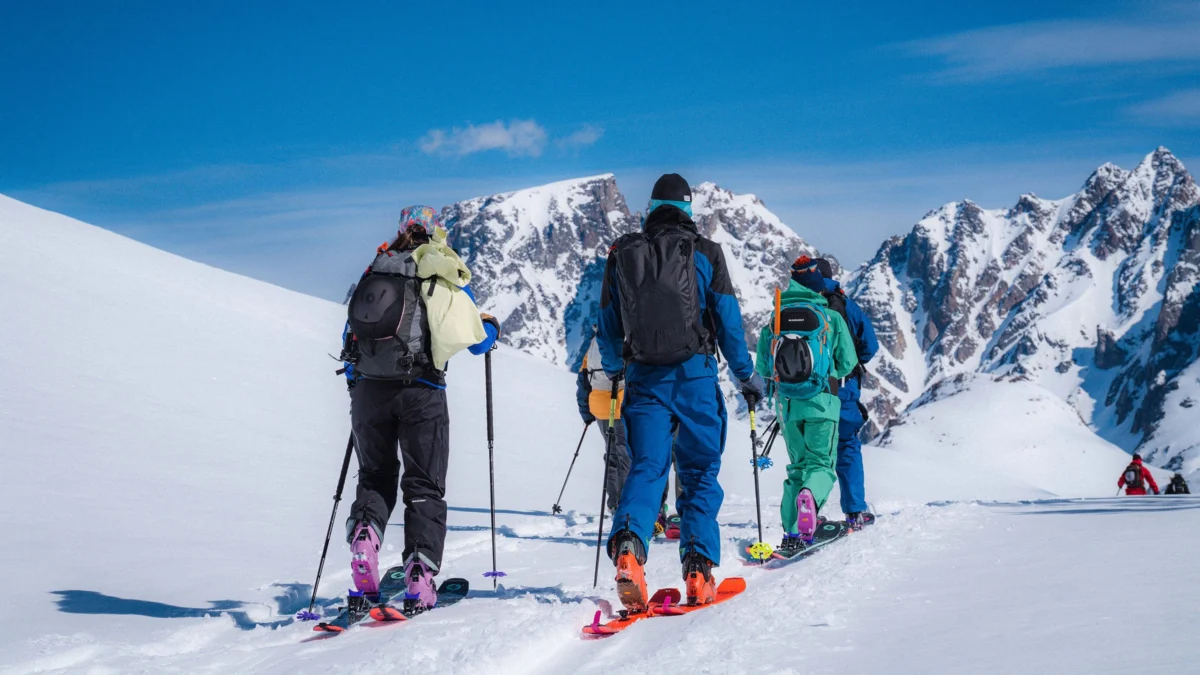
When traveling through the backcountry, the success of your day often hinges less on what you bring and more on how you carry it. In the high-alpine environment, intuitive access…
Beyond the Lift Ticket: How Skiers at Vail and Beyond Are Defying On-Mountain Dining Prices with Slopeside Grilling
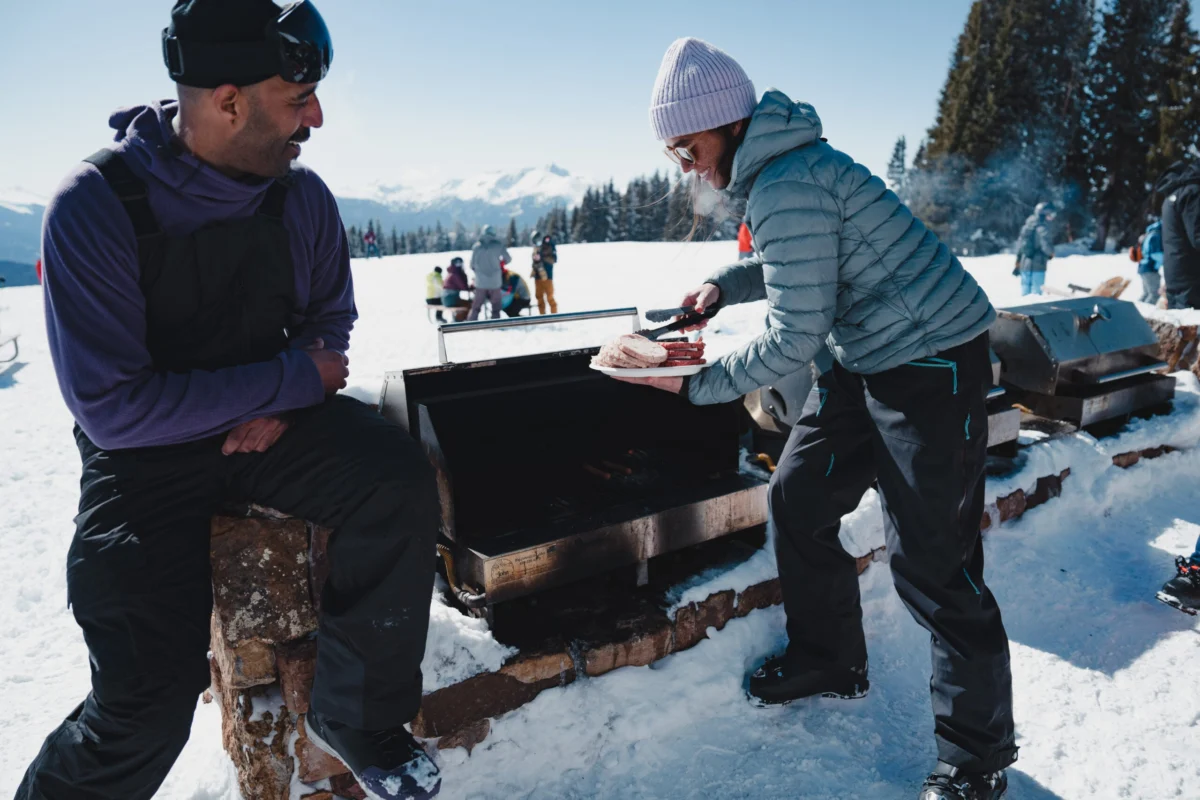
By The Outdoor & Travel Desk Updated November 6, 2026 Skiing has long held a reputation as an exclusive, budget-straining pastime. Between skyrocketing lift ticket prices that routinely cross the…

 Lina Hope

 Asro
 Nana Muazin
 Neng Nana

 Suro Senen
 Iffa Jayyana