
 Neng Nana
SAO PAULO, Brazil — Formula 1 is a sport measured in milliseconds, margin-of-error fractions, and emotional crescendos. Nowhere was that more evident than during a chaotic, rain-soaked qualifying session for the Brazilian Grand Prix at the historic Autódromo José Carlos Pace.
When the checkered flag fell on a treacherous Q3 session, McLaren’s Lando Norris had secured pole position, with Mercedes driver George Russell slotting into an impressive second place. Yet, rather than celebrating a front-row lockout on a drying-yet-damp Interlagos circuit, the atmosphere inside the Brackley-based team’s garage was charged with tension.
Midway through his final, high-stakes push lap, Mercedes had instructed Russell to back off. Intensifying rain and heavy traffic ahead—specifically Williams driver Alex Albon—threatened to ruin his run. Complying with the team’s directive ultimately halted Russell’s charge for pole, prompting an explosive, unfiltered reaction over the team radio.
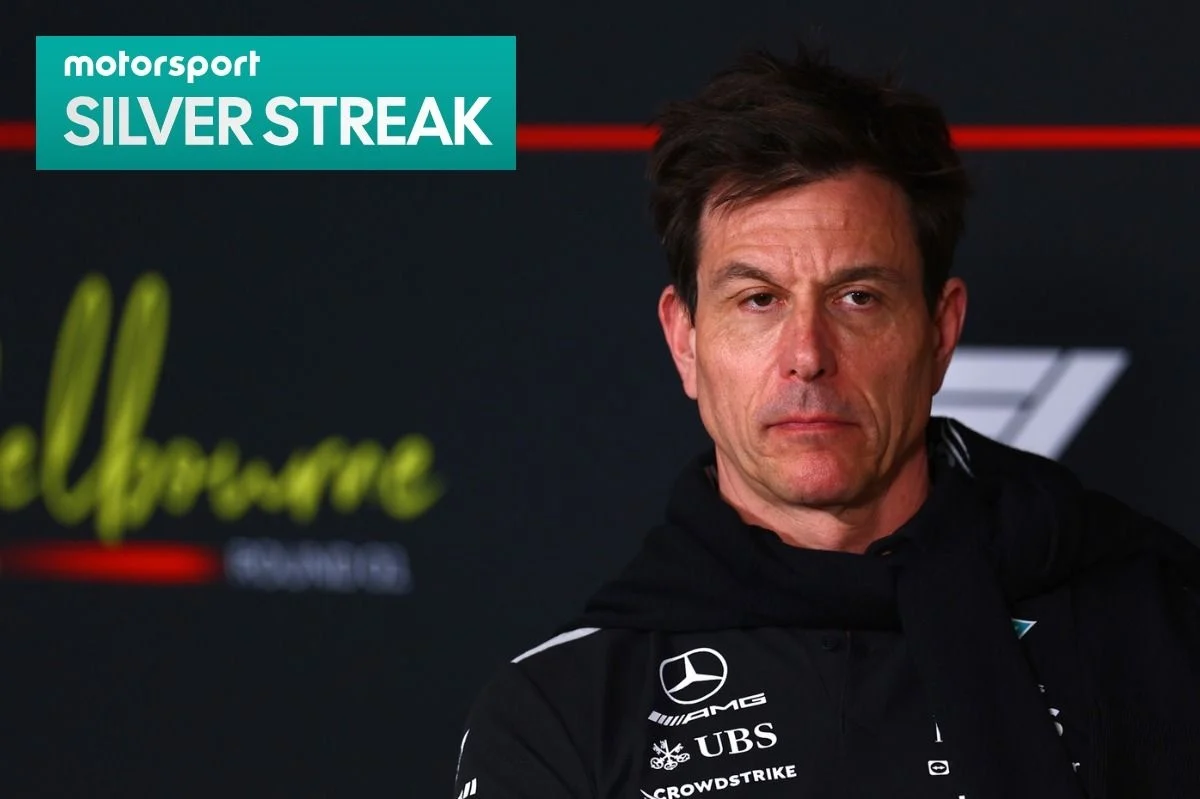
As the reality of the missed opportunity set in, Mercedes team principal Toto Wolff stepped forward to defuse the tension, defending his driver’s fiery outburst while breaking down the razor-thin tactical margins that defined one of the most dramatic qualifying hours of the 2024 Formula 1 season.
Main Facts: A Front-Row Result Overshadowed by Frustration
The core narrative of Saturday’s qualifying at Interlagos centers on a high-stakes strategic gamble that split the Mercedes pit wall and left its lead driver incandescent with rage.
- The Qualifying Result: George Russell put in a stellar performance across the wet sessions, ultimately locking in second place on the grid behind McLaren rival Lando Norris.
- The Radio Outburst: Instructed to abort his final flying lap due to worsening weather and traffic, Russell unleashed a furious response over team radio, shouting: "Mate, you told me to back off! What the hell?!" When informed by Toto Wolff that he was provisionally P2, Russell snapped back: "P2. I don’t want to be P2. I want to be P1."
-
The Grid Penalty Complication: Russell’s impressive qualifying performance is further
complicated by a pre-existing five-place grid penalty. Having taken a fresh internal combustion engine—his team’s strategic choice to optimize performance for the remainder of the season—the Briton will officially drop from second to seventh on the starting grid for Sunday’s Grand Prix.
- The Weather Factor: Heavy, unpredictable tropical downpours repeatedly disrupted the schedule at Interlagos, turning the asphalt into a skating rink and forcing teams to gamble blindly on track evolution and timing.
Chronology of Chaos: How Q3 Unraveled at Interlagos
The journey to Russell’s explosive radio message was built on a foundation of escalating tension and rapidly deteriorating track conditions throughout Saturday afternoon.
Q1 and Q2: Navigating the Waters
From the moment the pit lane opened for the first segment of qualifying, it was clear that survival would take precedence over outright pace. Standing water, poor visibility, and shifting spray created treacherous conditions. Despite the hazards, Russell immediately found a rhythm that eluded many of his peers. While reigning world champion Max Verstappen and others struggled to keep their cars pointed in the right direction, Russell expressed a surprising and profound sense of connection with his Mercedes W15 machine. He consistently traded purple sector times and looked every bit a contender for the top spot.
The Final Moments of Q3
As the clock ticked down in the final session, the radar flashed ominous warnings: a heavier wave of rain was rapidly approaching the circuit. Teams knew they had mere moments to complete their final flying laps before the track became completely unviable.
Russell rolled out of the pit lane on fresh soft tyres, desperate to convert his strong pace into pole position. However, as he pushed through the middle sector, two compounding problems emerged:
- Track Traffic: Alex Albon’s Williams sat directly in Russell’s path, threatening to dirty the clean air and compromise his high-speed aerodynamic balance.
- The Weather Wall: The anticipated downpour arrived early, dropping grip levels significantly across the second half of the circuit.
Sensing the mounting danger of a high-speed accident and recognizing that lap times were no longer improving, the Mercedes pit wall made the conservative call. Engineers radioed Russell, instructing him to abort his lap and back off. It was a safety-first decision designed to protect both car and driver, but for a driver operating in the zone and fighting for the ultimate prize, it felt like an unnecessary surrender.
The Immediate Aftermath
Russell immediately voiced his utter disbelief over the team radio. The raw audio broadcast to millions worldwide captured an athlete driven entirely by competitive fire. When Toto Wolff attempted to soothe his driver by highlighting the provisional front-row starting slot, Russell’s response underscored the relentless perfectionism required at the pinnacle of motorsport: P2 was simply not enough.
Supporting Data and Technical Context
To fully understand Russell’s frustration, one must look at the telemetry and the mechanical constraints under which Mercedes was operating.
According to post-session data analysis, Russell was up by 18 milliseconds on Lando Norris’s benchmark time at the intermediate checkpoint of that final, aborted lap. While Wolff later admitted that this narrow margin likely would not have been enough to secure pole position once the heavy rain fully blanketed the final sector, the mere possibility of snatching the top spot fueled Russell’s competitive anguish.
Furthermore, Russell’s weekend is already heavily compromised by power unit logistics:
- The Engine Swap: Mercedes elected to fit a fresh internal combustion engine into Russell’s chassis ahead of the weekend, triggering a mandatory five-place grid penalty.
- Starting Position Impact: Because of this penalty, even a brilliant second-place qualifying effort translates to a seventh-place start.
Faced with a compromised grid position for the Grand Prix, securing pole position during qualifying was vital for Russell’s race-winning ambitions. Knowing that he would already have to fight his way past six cars on race day made losing the pole position through a team-mandated slow-down all the more bitter.
Official Responses: Toto Wolff and George Russell Speak Out
In the wake of the qualifying session, both team principal Toto Wolff and George Russell addressed the media, offering transparent insights into the emotional and strategic reality of the garage.
Toto Wolff Defends the Driver
Speaking exclusively to Sky Sports F1, Toto Wolff displayed complete empathy for his driver’s emotional outburst, refusing to cast judgment on Russell’s heated radio transmission.
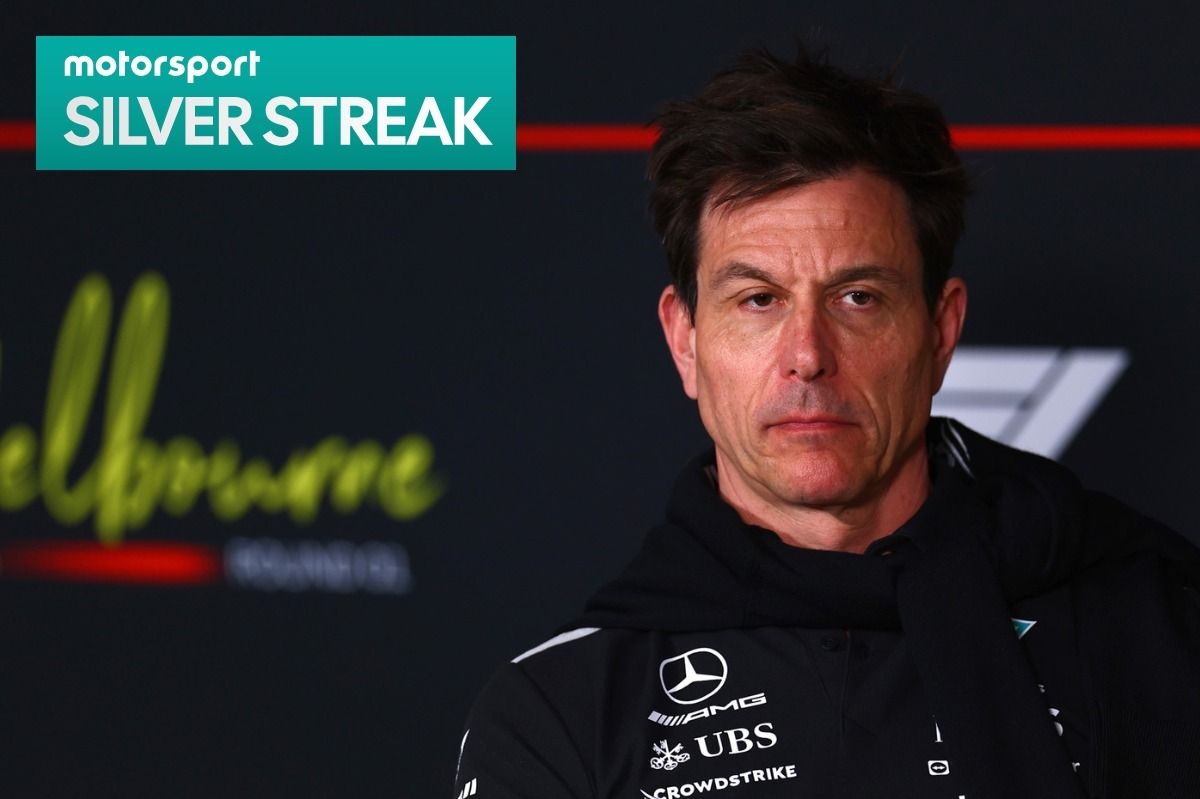
"If we were to have a crystal ball to know whether you should back off or not, that would be helpful," Wolff explained with a wry smile. "It was a difficult one, a 50:50 call. He was running into Albon. He was 18 milliseconds up on Norris at that stage. I don’t think it would have been enough for pole, but he drove perfectly all session and merited to be on pole."
Wolff emphasized that in high-pressure, split-second scenarios, team strategists are often forced to make educated guesses based on incomplete meteorological data.
"He deserved it, but you can’t make that call. It’s 50% right or wrong. George was in a league of his own today."
George Russell Reflects on Car Confidence
For his part, Russell quickly pivoted from post-session frustration to cautious optimism about his machinery, highlighting a breakthrough in how the Mercedes W15 handled the wet Interlagos asphalt.
"It depends on the weather. I felt good out there," Russell told reporters in his media pen interview. "It’s the first time in a while I’ve felt confident in the car. I felt more confident in the wet than I do the dry. I don’t really understand why that was. I felt more like myself, was in the fight for pole every single lap. Unfortunately, when it mattered, we didn’t execute."
Russell’s admission of feeling more comfortable in the wet points to an ongoing, delicate development process at Mercedes, where finding a consistent operating window for the W15 has proven elusive throughout the 2024 campaign.
Implications for the Brazilian Grand Prix and Beyond
As the dust settles on a frantic qualifying Saturday, the ramifications of this incident extend far beyond the timing sheets of Interlagos.
1. Internal Team Dynamics
Rather than creating a fracture between driver and team, Russell’s outburst highlights the intense hunger within the Mercedes camp. Toto Wolff’s immediate defense of his driver underscores a mutual understanding: champions are driven by an refusal to accept mediocrity. By validating Russell’s ambition while explaining the rationale behind the pit wall’s call, Wolff successfully managed potential friction, turning a moment of tension into proof of a unified competitive mindset.
2. Sunday’s Strategic Battle
Starting from seventh on the grid due to his engine penalty, George Russell faces a monumental challenge on race day. Interlagos is historically a circuit that permits overtaking—particularly down the long, sweeping straights leading into turn one (Senna S)—but navigating through the midfield spray in a competitive yet unpredictable pack will require absolute precision.
With teammate Lewis Hamilton also facing a challenging weekend, Mercedes will rely heavily on the wet-weather confidence Russell demonstrated during qualifying. If the race day brings more rain, Russell’s newfound synergy with the W15 could transform his afternoon damage-limitation exercise into a thrilling charge through the field.
3. Momentum for the Final Stretch of the Season
For Mercedes, rediscovering front-row pace in tricky conditions offers a much-needed morale boost. As the team evaluates its concepts for the future, proving that the car can dominate in specific conditions validates their engineering trajectory, even if consistency remains the ultimate hurdle to clear.
When the lights go out at Interlagos, the anger of Q3 will be firmly in the rear-view mirror. For George Russell, the mission will be simple: turn missed opportunities into a Sunday masterclass.

 Suro Senen
 Iffa Jayyana
 Siti Muinah