Asro
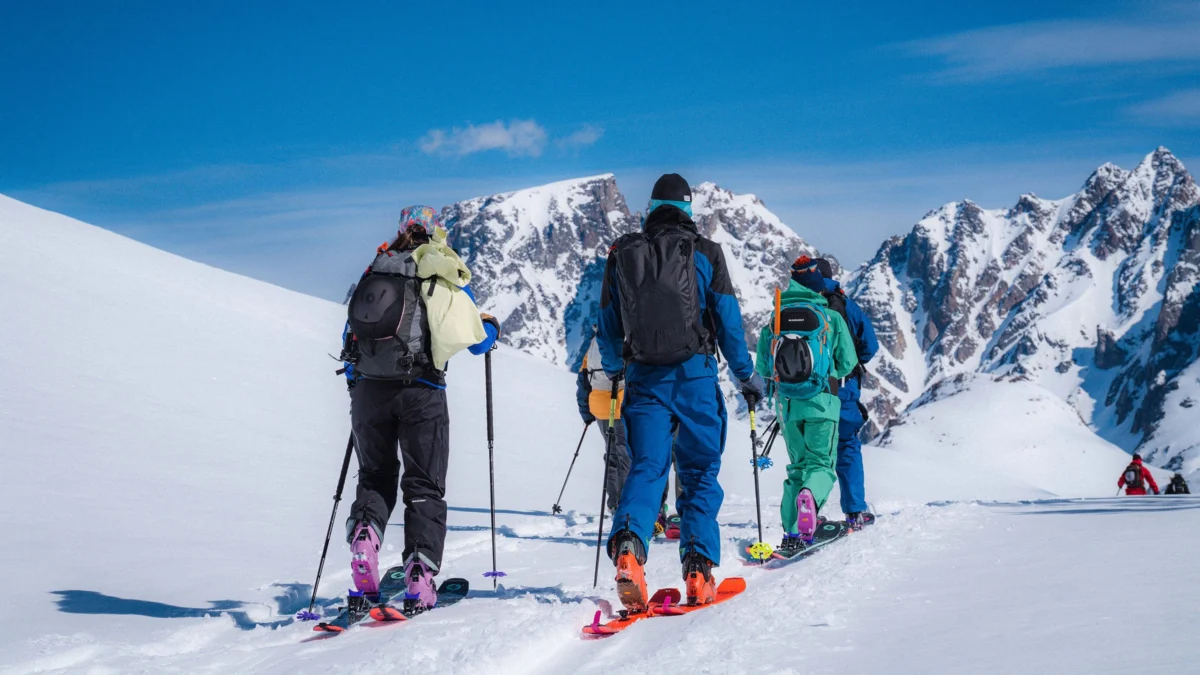
When traveling through the backcountry, the success of your day often hinges less on what you bring and more on how you carry it. In the high-alpine environment, intuitive access points mean the difference between maintaining your rhythm on a freezing skin track and stopping to unpack your life in a biting wind. External attachments must hold gear securely without blocking primary pockets, and maximizing internal volume without overloading your frame remains a critical engineering puzzle.
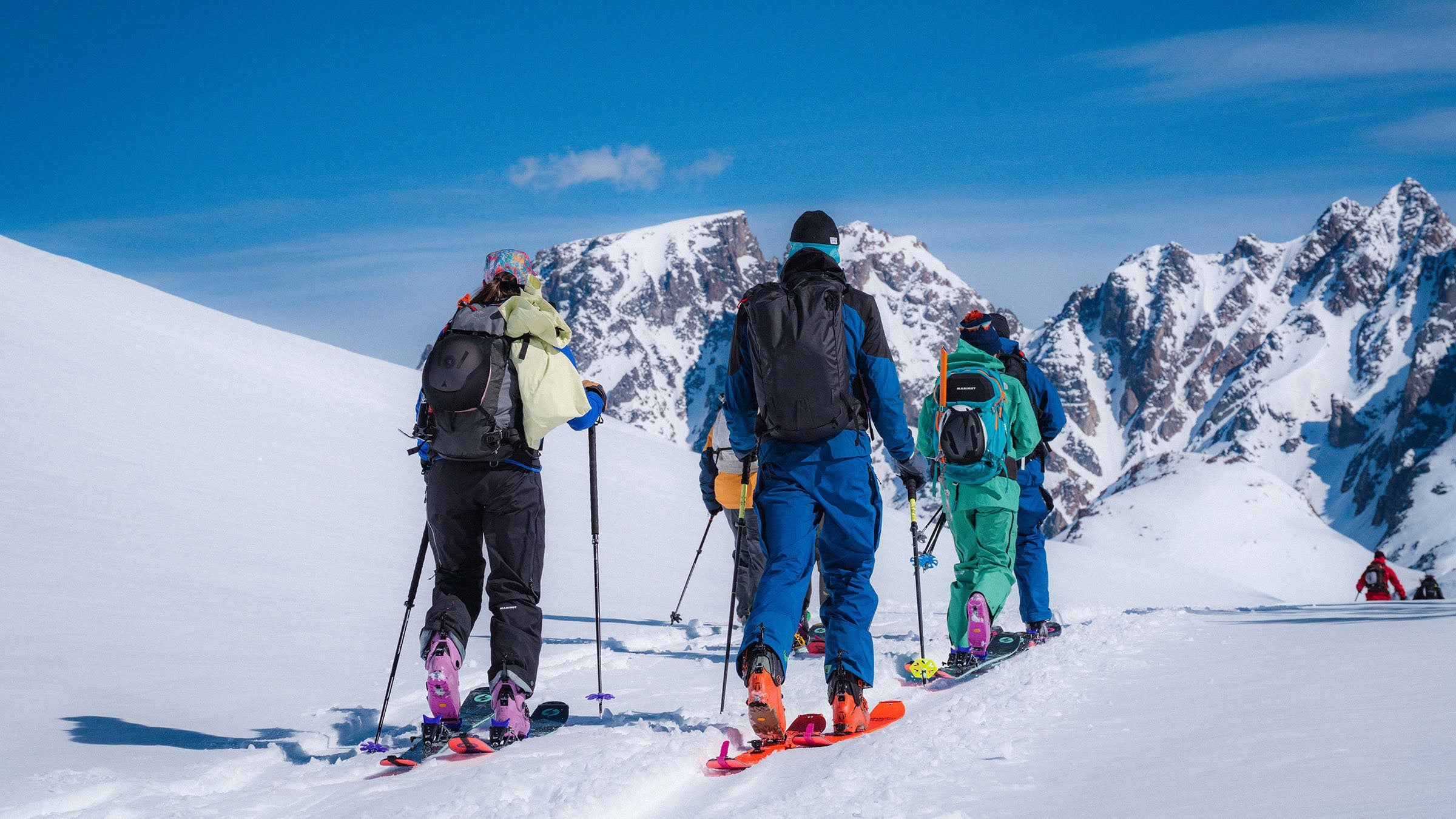
To help skiers navigate these challenges, a team of 14 professional testers—comprising both men and women—evaluated 18 of the market’s top backcountry packs over the course of a full winter season. Spanning demanding testing grounds from Colorado, Utah, Alaska, and the Pacific Northwest to the Alps and Scandinavia, the crew judged each model on fit, weight distribution, access mechanics, and rugged durability.
As modern tourers venture farther into remote terrain and embrace greater self-reliance, the industry has responded with higher-volume packs engineered to swallow heavy loads without disrupting balance or causing a gear explosion on the skin track. Here is the definitive breakdown of the best backcountry ski packs for 2027.
Main Facts: The 2027 Lineup at a Glance
Following a rigorous winter evaluation period, lead tester Scott Yorko and his team narrowed 18 contenders down to the standout models redefining how skiers haul gear into the backcountry.
- Most Versatile: Ortovox Venet 30 ($170) — A balanced, highly ergonomic pack featuring triple-zipper main compartment access and a robust hipbelt pocket, ideal for general touring and sidecountry freeriding.
- Best for Expeditions: Raide EX55 ($599) — A modular powerhouse that expands up to 75 liters for basecamp hauls, yet cinches down effortlessly to ski like a minimalist daypack.
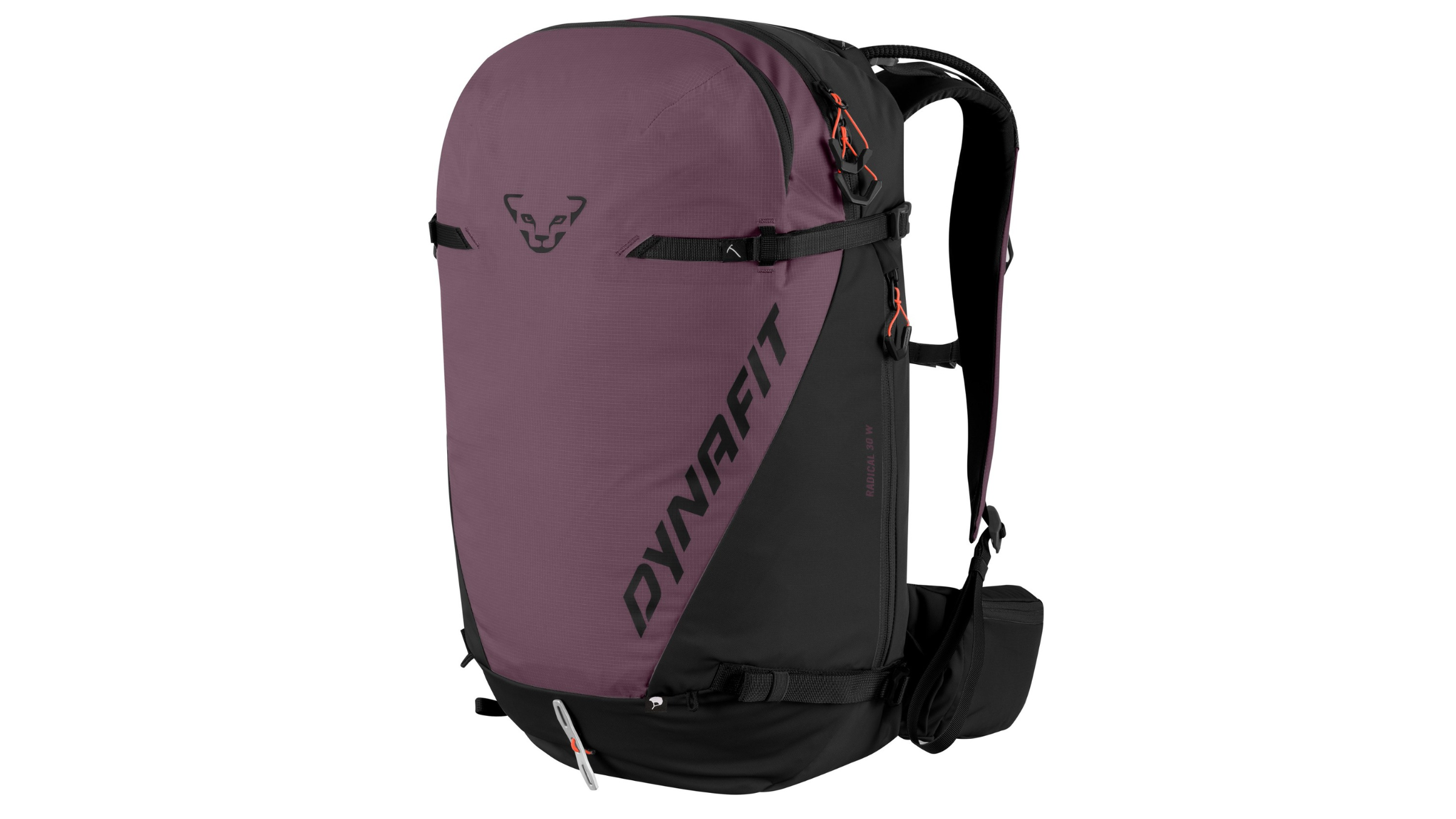
- Best Women’s-Specific Pack: Dynafit Women’s Radical 30 Snow Pack ($190) — Designed to hug smaller female torsos securely, featuring thick back-panel padding and quick-access diagonal ski carry bungees.
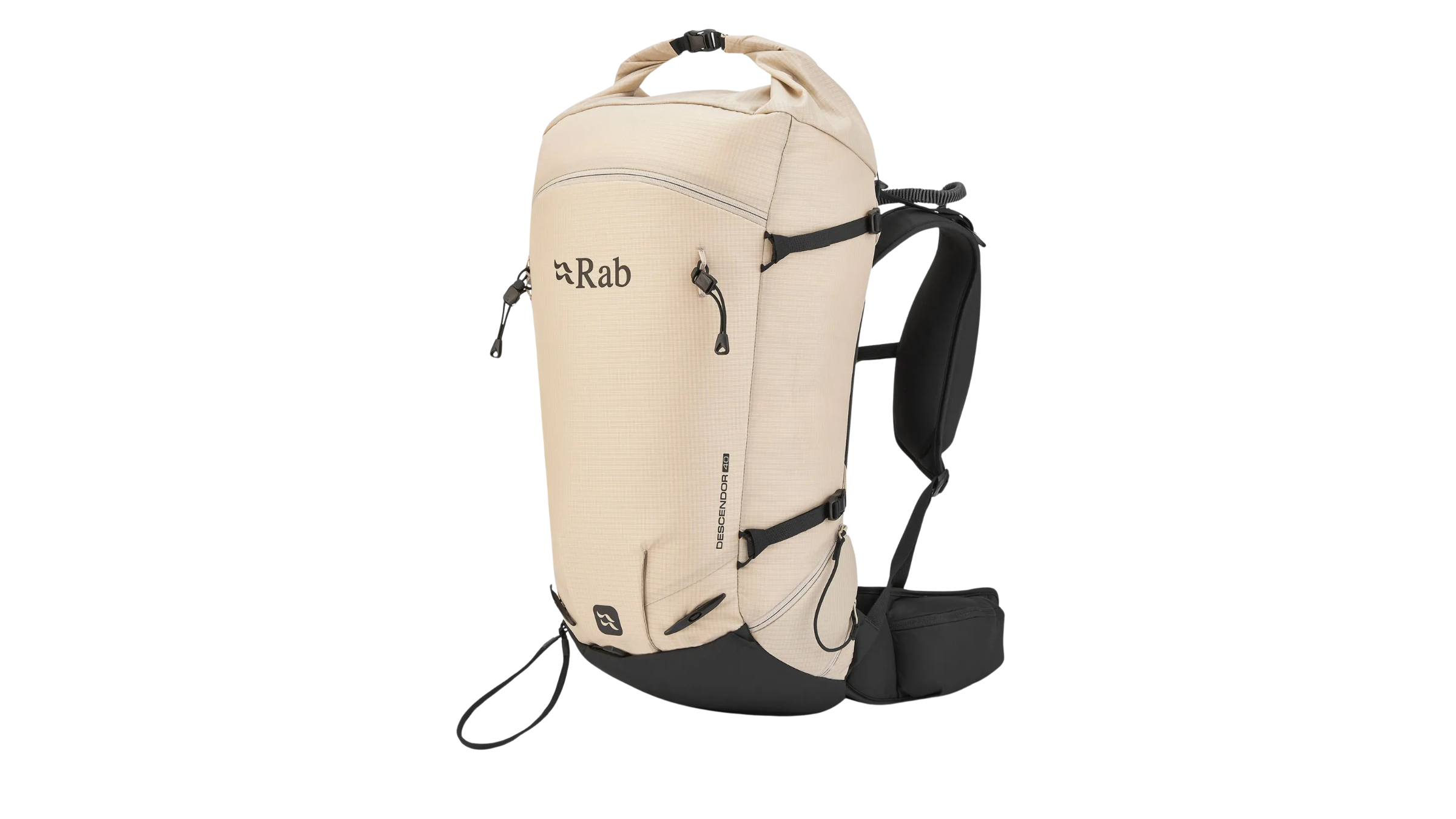
- Best for Ski Mountaineering: Rab Descendor 40 ($200) — A technical tourer equipped with a spacious side-access zipper and integrated shoulder-strap flask storage for fast-and-light glaciated missions.
- Best for Quick Transitions: Black Diamond Cirque 35L — A redesigned alpine classic featuring a durable PFC-free 210D nylon Dynex grid and a massive side zipper for instant gear retrieval.
- Best Compact Pack: Deuter Freecline 15 — A low-profile, 15-liter sidecountry companion that eliminates load shift and allows unrestricted movement through bumps and tight trees.
- Slackcountry Standout: Dakine Heli 2.0 12L ($130) — A compact, RECCO-equipped pack built for fast powder laps and quick sidecountry sorties.
Chronology of the Test: A Season Across Global Snowpacks
The development and validation of these products represent a months-long logistical undertaking designed to push gear to its absolute breaking point.
Early-Season Baseline Testing (November – December)
The testing cohort began evaluating early-production samples and newly released models in late autumn. Initial trials focused on harness adjustment, shoulder-strap padding compliance, and basic pocket organization. Testers in Montana and Colorado utilized compact packs like the Deuter Freecline 15 and Dakine Heli 2.0 on early-season lift-accessed sidecountry hikes, confirming that low-profile designs could handle sub-freezing temperatures, extra layers, and frequent chairlift rides without bouncing or restricting upper-body rotation.
Mid-Winter Depth and Volume Trials (January – February)
As the snowpack deepened across Utah, Wyoming, and the European Alps, the focus shifted to mid-volume and high-volume day-touring packs. Testers scrutinized access mechanisms—such as Ortovox’s triple-zipper layout and Black Diamond’s updated rolltop-plus-side-zipper configuration. During this phase, ergonomic evaluations came to the forefront, ensuring that heavy winter loads, extra base layers, and full rescue kits (shovel, probe, and transceiver) could be carried for consecutive 5,000-vertical-foot days without causing lower-back fatigue or hot spots.
Spring Mountaineering and Expedition Phase (March – May)
The final testing window pushed equipment into grueling spring mountaineering conditions. Expedition packs like the Raide EX55 and technical ski-mountaineering bags like the Rab Descendor 40 were taken on multi-day hut traverses in California’s Eastern Sierra and glaciated alpine ascents in Alaska. Testers hauled heavy technical gear—including ropes, crampons, ice axes, and overnight bivy equipment—testing how well the frames transferred weight during steep, technical bootpacks and variable spring descents.
Supporting Data: Detailed Model Reviews
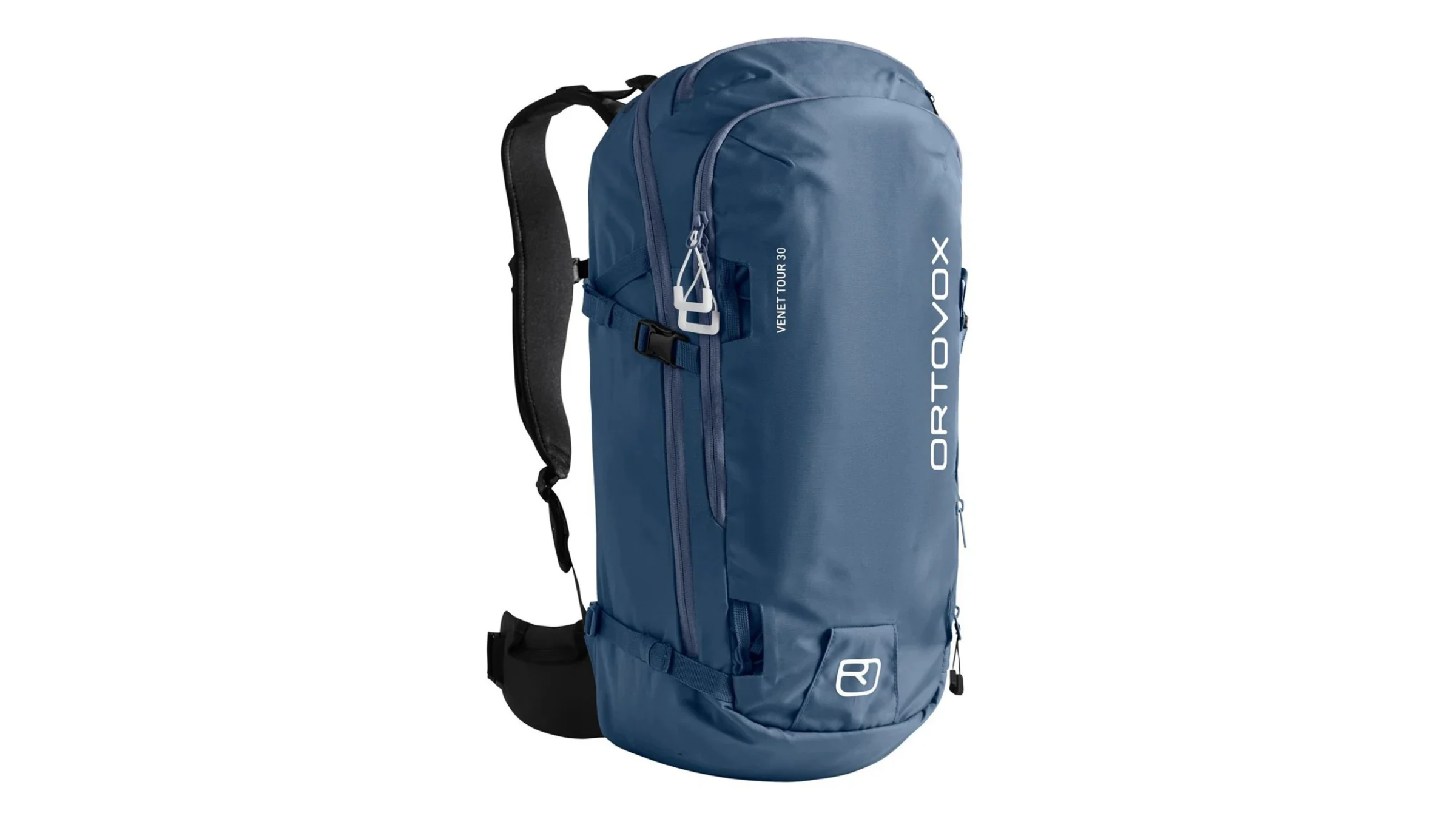
1. Most Versatile: Ortovox Venet 30
- Weight: 2.58 lbs
- Size: Unisex, Regular
- Key Pros: Triple-zipper access, exceptionally large hipbelt pocket.
- Key Cons: A-frame carry blocks main compartment access; diagonal carry strap can be difficult to engage quickly.
Ski packs perform best when users can avoid stripping them off completely to retrieve gear. The Venet 30 addresses this with a triple-zipper system allowing rapid access to the main compartment while on the move. Testers praised its comfortable adjustability, full-contact back panel, and a massive hipbelt pocket capable of storing everything from snacks to a GoPro. While ideally suited for general touring and moderate bootpacks, its balanced ergonomics allow it to cross over seamlessly into sidecountry freeride applications.
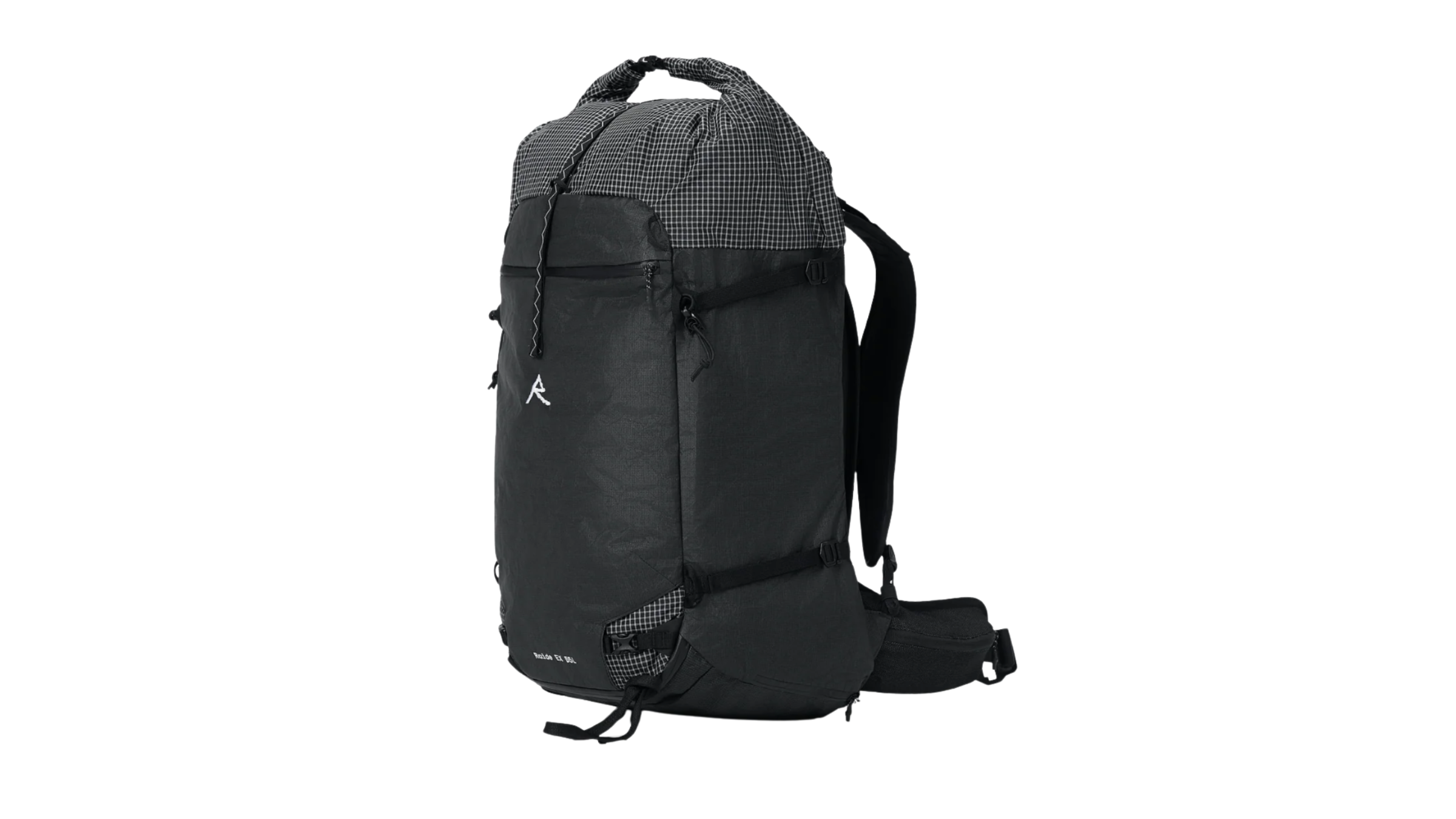
2. Best for Expeditions: Raide EX55
- Weight: 2.8 lbs
- Size: S, M
- Key Pros: Modular volume (expands to 75L), secure rolltop closure, rapid probe and shovel deployment.
- Key Cons: Lacks an external helmet drop sleeve; high profile when fully packed.
Long hut trips and ski traverses present a classic gear dilemma: carrying a massive pack for basecamp hauling versus skiing with a bulky, half-empty frame. The Raide EX55 solves this by expanding to swallow enormous loads and cinching down cleanly once gear is dropped off at camp. Despite its high capacity, testers noted that the pack retains efficient load-transfer mechanics, allowing users to deploy probes and access ice tools without removing the pack entirely.
3. Best Women’s-Specific Pack: Dynafit Women’s Radical 30 Snow Pack
- Weight: 2.31 lbs
- Size: Women’s, Universal
- Key Pros: Thick back-panel padding, easy-access diagonal carry bungee.
- Key Cons: Borderline capacity for oversized gear setups.
Designed specifically to contour to smaller female torsos, the Radical 30 practically disappears on the back during long ascents. With multiple access zips (top, rear-panel, and side), organizing crampons, water, and emergency gear is straightforward. The thick back panel effectively prevents hard items from poking through, making it a premier choice for dedicated day tourers seeking a tailored, ergonomic fit.
4. Best for Ski Mountaineering: Rab Descendor 40 Ski Pack
- Weight: 2.75 lbs
- Size: S-M, M-L
- Key Pros: Spot-on anatomical fit, long side zipper for effortless item retrieval, integrated soft-flask shoulder pockets.
- Key Cons: Elastic diagonal ski-carry strap can feel slightly loose during strenuous bootpacking.
Built for long approaches and glaciated summit pushes, the Descendor 40 balances heavy load capacity with smart organizational features. Its standout hydration integration features a secure soft-flask pocket on the right shoulder strap and a zippered accessory pocket on the left. The long side zipper provides immediate access to bulky items like DSLR cameras and skins without requiring users to open the main rolltop closure.
5. Best for Quick Transitions: Black Diamond Cirque 35L
- Weight: 2.1 lbs (S/M)
- Sizes: S/M, M/L
- Key Pros: Excellent internal access, highly durable PFC-free 210D nylon Dynex grid fabric, removable snowboard carry straps.
- Key Cons: Avalanche tool pocket is over-proportioned; dual-closure system (webbing hook plus rolltop) adds transition steps.
Black Diamond updated its classic Cirque design with a side-access zipper and a rugged, weather-resistant Dynex grid fabric. The pack excels in high-alpine spring environments where rapid transitions, secure ice-axe bungees, and effortless diagonal ski carry systems are paramount for navigating exposed terrain.
6. Best Compact Pack: Deuter Freecline 15
- Weight: 1.5 lbs
- Size: One Size
- Key Pros: Exceptional freedom of movement, snug and stable profile.
- Key Cons: Highly limited carrying capacity.
For fast sidecountry missions and resort-adjacent side-hikes, the Freecline 15 provides a low-profile, bounce-free carry. Featuring a fleece-lined goggle pocket, internal avalanche tool storage, and glove-friendly ski-carry options, it offers enough space for essentials without restricting upper-body mobility in bumps or steep turns.
Official Responses and Industry Insights
Gear manufacturers continue to refine their product lines based on direct feedback from mountain guides and dedicated backcountry users. Industry designers have increasingly prioritized hybrid closure systems—combining rolltops with side-access zippers—to give users the structural stability of top-loading bags with the rapid accessibility of panel loaders.
Furthermore, sustainability initiatives have taken center stage. Brands like Black Diamond have transitioned to PFC-free water-repellent coatings and high-tenacity grid fabrics (such as Dynex) that extend product lifespans while reducing environmental impact. Ergonomic refinements, particularly regarding gender-specific harness geometries and integrated hydration storage on shoulder straps, reflect a broader industry push toward personalized comfort and safety on extended tours.
Implications for Backcountry Skiers
Choosing the right pack ultimately dictates your efficiency, safety, and comfort in the mountains. When shopping for a backcountry pack, experts recommend following two golden rules:
- Prioritize Torso Fit: Measure your spine from the base of your neck to the top of your hips. Visit a local gear shop wearing your touring layers to test how the hipbelt rests on your iliac crest and whether the back panel clears your helmeted head.
- Match Capacity to Objectives: Opt for a 20-to-30-liter pack for half-day missions and standard daily tours. Step up to a 35-to-40-liter model for long-range spring mountaineering, and look to 50+ liter expedition packs for multi-day hut traverses.
Always ensure your avalanche safety gear (shovel, probe, and transceiver) is easily accessible in a dedicated external pocket. By selecting a pack tailored to your body type and specific touring style, you ensure that your gear remains a seamless extension of your movement in the alpine environment.

 Nana Muazin

 Suro Senen

 Ammar Sabilarrohman

 Iffa Jayyana