Nana Muazin
Main Facts
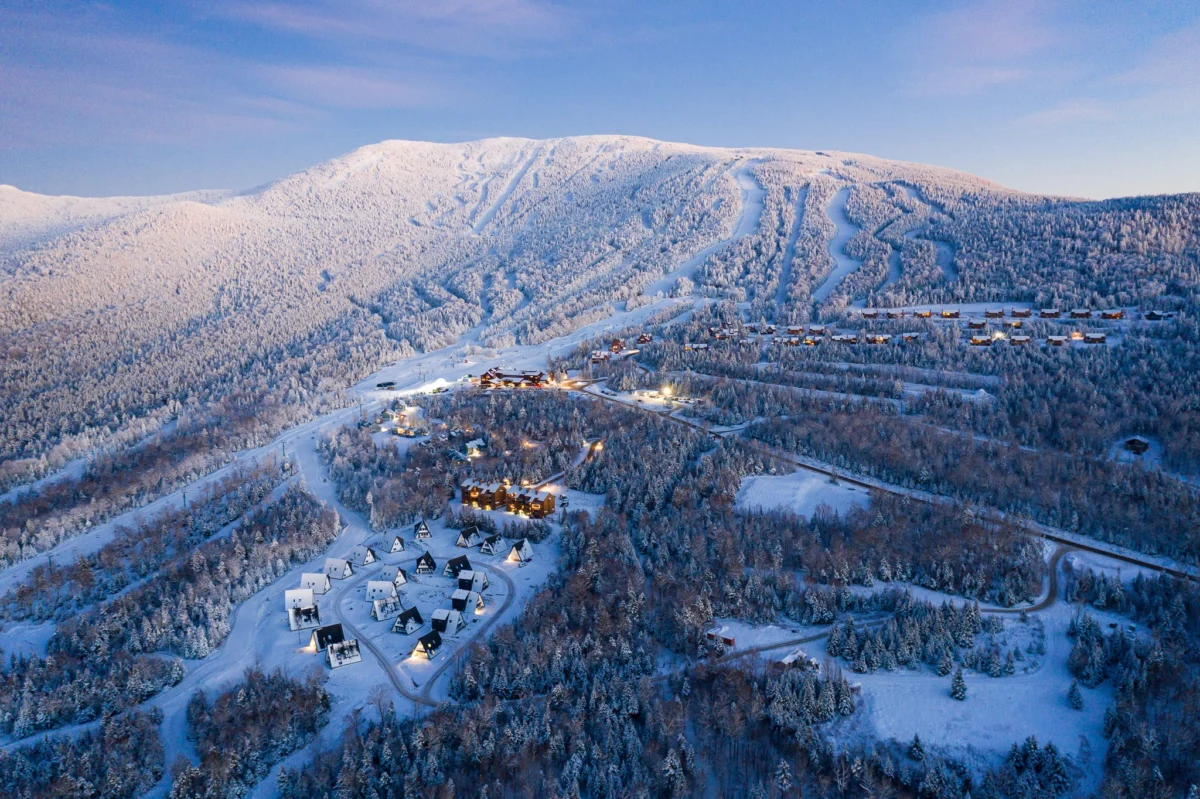
When ten East Coast skiers gather to debate what constitutes a "great" mountain, they will inevitably return ten different answers. Some prioritize heart-pounding vertical drops and technical glades, while others measure a resort’s worth by its meticulous corduroy grooming, family-friendly infrastructure, or the vibrancy of its post-ski social scene.
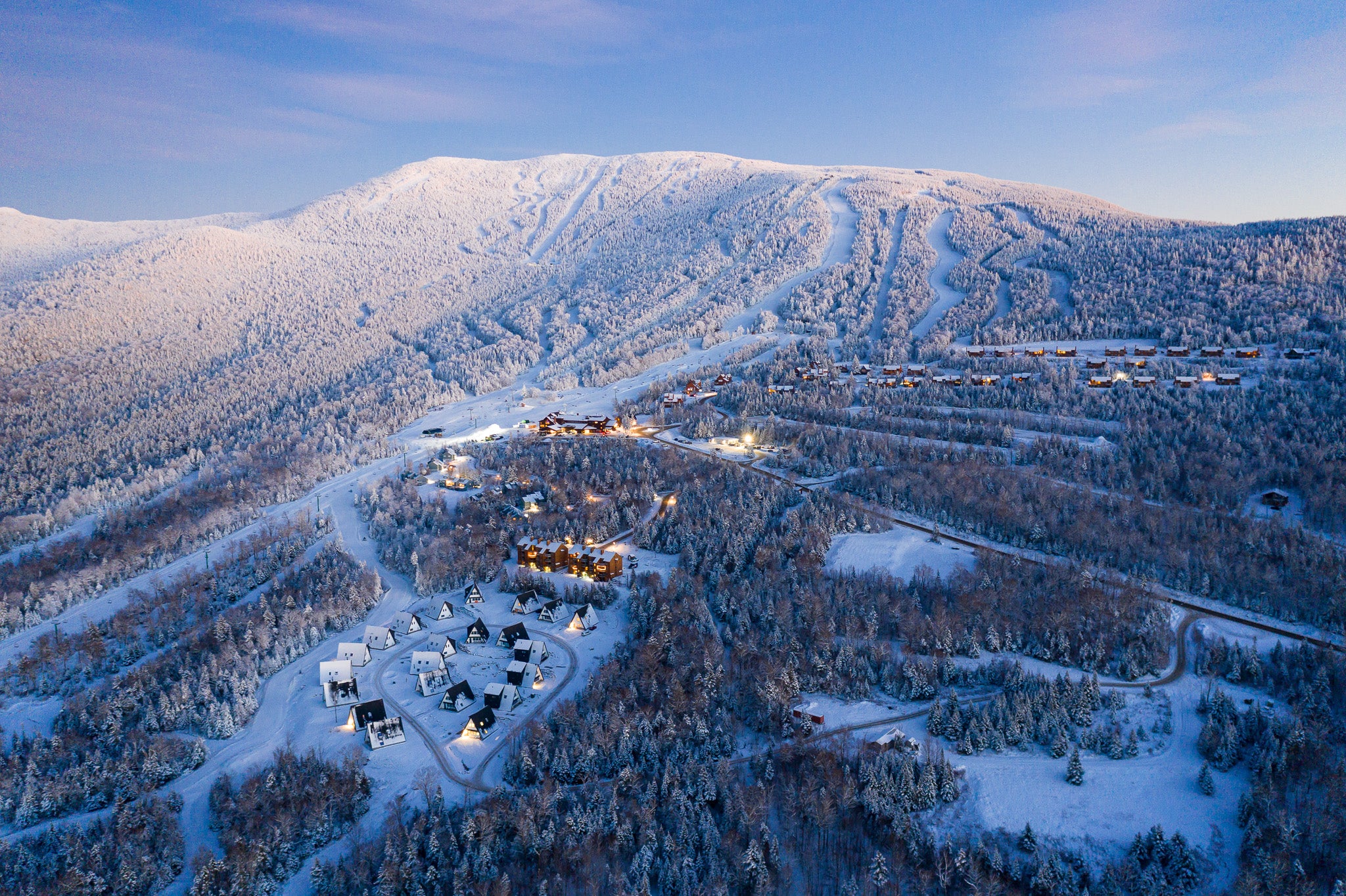
To capture this multifaceted landscape, the annual SKI Reader Resort Survey aggregates thousands of individual responses to evaluate the region’s premier destinations. Rather than simply ranking mountains by total acreage or sheer name recognition, the survey functions as an unvarnished audit of what skiers truly value, highlighting where resorts excel and where operational friction persists.
The findings from the 2026–’27 survey reveal a fascinating dichotomy across the Eastern seaboard. Independent, soul-driven hills that prioritize natural terrain and unpretentious community vibes continue to capture the hearts of purists. Meanwhile, heavily capitalized destination resorts lean into high-speed lift networks, sophisticated snowmaking, and expansive village amenities to justify rising costs.
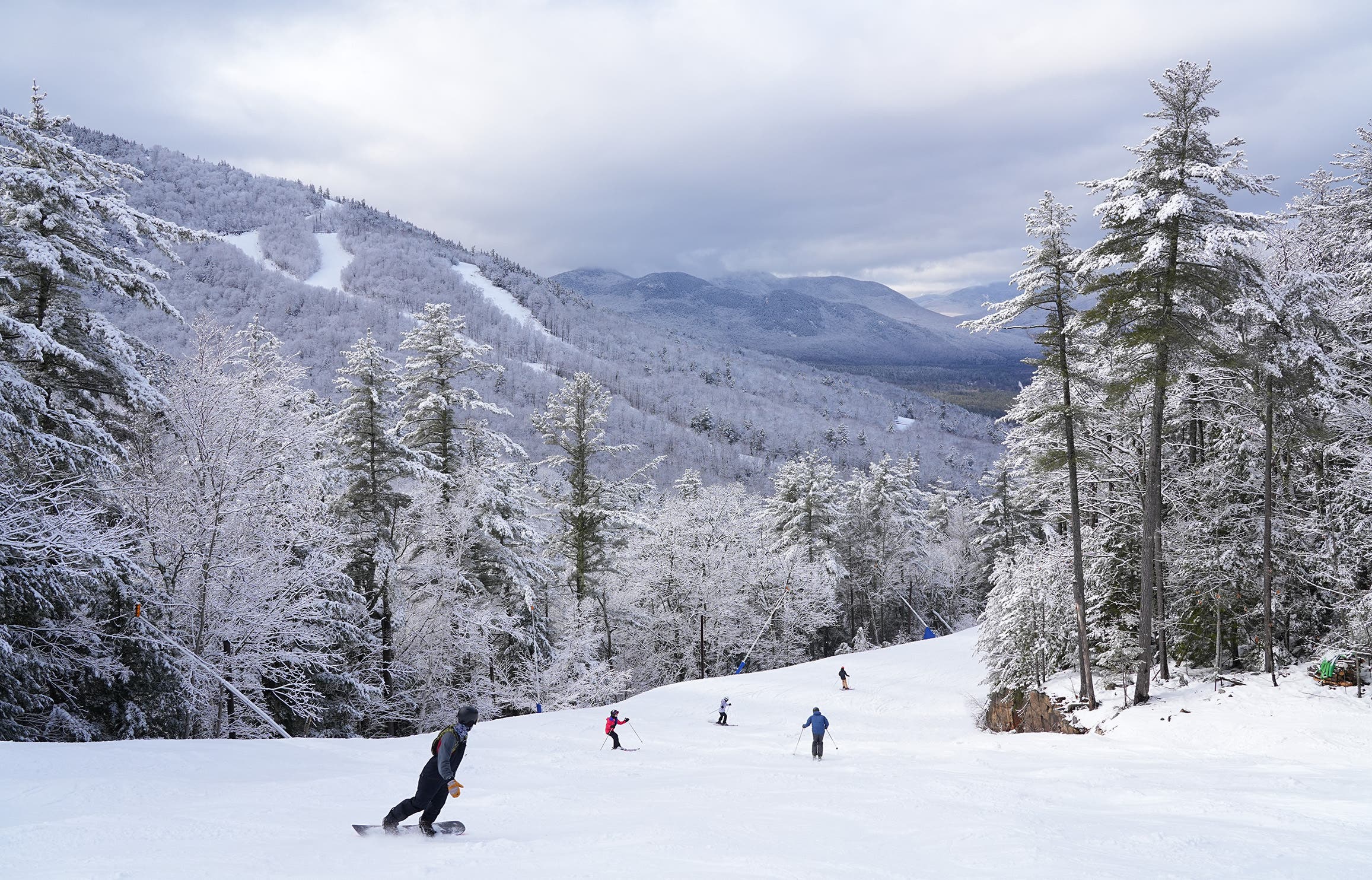
For the second consecutive year, Saddleback Mountain in Maine claimed the coveted No. 1 spot, proving that independent charm, stellar tree skiing, and a fierce community ethos can outrank corporate polish. However, the rest of the Top 20 features a shifting hierarchy defined by multi-million-dollar capital investments, infrastructure overhauls, and evolving pass-holder dynamics.
Chronology: Key Developments Shaping the 2026–’27 Season
The landscape of Eastern skiing is shaped by a constant push-and-pull between heritage preservation and modern modernization. Several critical milestones and timelines have defined the lead-up to the 2026–’27 season:
- February 2026: Smugglers’ Notch, Vermont, enters a new era under the ownership of Bear Den Partners, setting the stage for significant infrastructure investments while preserving its legendary independent spirit.
- Summer 2026: Major capital projects ramp up across the region. Stratton Mountain breaks ground on an $8.5 million detachable quad chairlift at Tamarack, replacing an aging triple. Simultaneously, Okemo embarks on a massive energy-efficient snowmaking overhaul, replacing fuel-burning compressors with weather-resilient units.
- September 2026: The New Hampshire state legislature secures $27 million to design and build a modern replacement for Cannon Mountain’s historic Aerial Tramway, which was retired the previous year.
- November 4, 2026: SKI officially publishes its annual Resort Guide rankings, introducing a strategic partnership with Outside Travel to provide seamless, integrated hotel-booking options and member-exclusive lodging discounts across the Top 50 resorts.
- Early 2027 (Scheduled): Loon Mountain is slated to begin construction on Black Ridge—a sprawling 272-acre, expert-only gladed expansion designed to bring its total skiable terrain to 675 acres ahead of the 2027–’28 season.
Supporting Data: The Top 20 East Coast Resorts at a Glance
The 2026–’27 survey rankings demonstrate notable shifts driven by recent snow cycles, lift upgrades, and guest sentiment regarding value and crowds.
| Rank | Resort | State | Notable Strengths | Key Weaknesses / Challenges |
|---|---|---|---|---|
| 1 | Saddleback Mountain | Maine | Tree skiing, friendly vibe, value | Remote access, limited upscale lodging |
| 2 | Bretton Woods | N.H. | Grooming, family-friendliness, lodging | Limited advanced steeps, quiet nightlife |
| 3 | Killington Resort | Vermont | Terrain size, nightlife, lift speed | High prices, weekend crowds |
| 4 | Mad River Glen | Vermont | Natural snow, steeps, co-op culture | Outdated lifts, sparse base amenities |
| 5 | Magic Mountain | Vermont | Glades, local flavor, value | Limited lodging, low-key aprés |
| 6 | Sugarloaf Mountain | Maine | Vertical drop, aprés scene, big terrain | Long drive, limited base lodging |
| 7 | Waterville Valley | N.H. | Family-friendly (#1), snowmaking | Limited expert terrain, quiet nights |
| 8 | Jay Peak | Vermont | Natural powder depth (347"+ avg.) | Weak grooming, aging infrastructure |
| 9 | Sunday River | Maine | Terrain variety, fast lifts | Cost, remote location |
| 10 | Loon Mountain | N.H. | Accessibility, grooming, snowmaking | Severe weekend crowds, parking |
| 11 | Smugglers’ Notch | Vermont | Terrain challenge, family programs | Slow lifts, basic dining facilities |
| 12 | Stowe Mountain Resort | Vermont | Big-mountain terrain, historic village | High costs, parking/traffic friction |
| 13 | Cannon Mountain | N.H. | Steep terrain, vertical drop, value | Minimal aprés, basic base facilities |
| 14 | Okemo Mountain Resort | Vermont | Grooming, family lifts (bubble chairs) | Lacks steep/extreme terrain |
| 15 | Sugarbush Mountain | Vermont | Dual-mountain variety, technical steeps | Slow lifts, weekend crowding |
| 16 | Wachusett Mountain | Mass. | Boston accessibility, double grooming | Modest vertical, weekend crowds |
| 17 | Cranmore Mountain | N.H. | Learning terrain, family programs | Low natural snowfall (80" avg.) |
| 18 | Stratton Mountain | Vermont | Groomers, village atmosphere | Peak-period crowds, snowmaking |
| 19 | Attitash Mountain | N.H. | Boston access, terrain variety | Snow quality consistency, value scores |
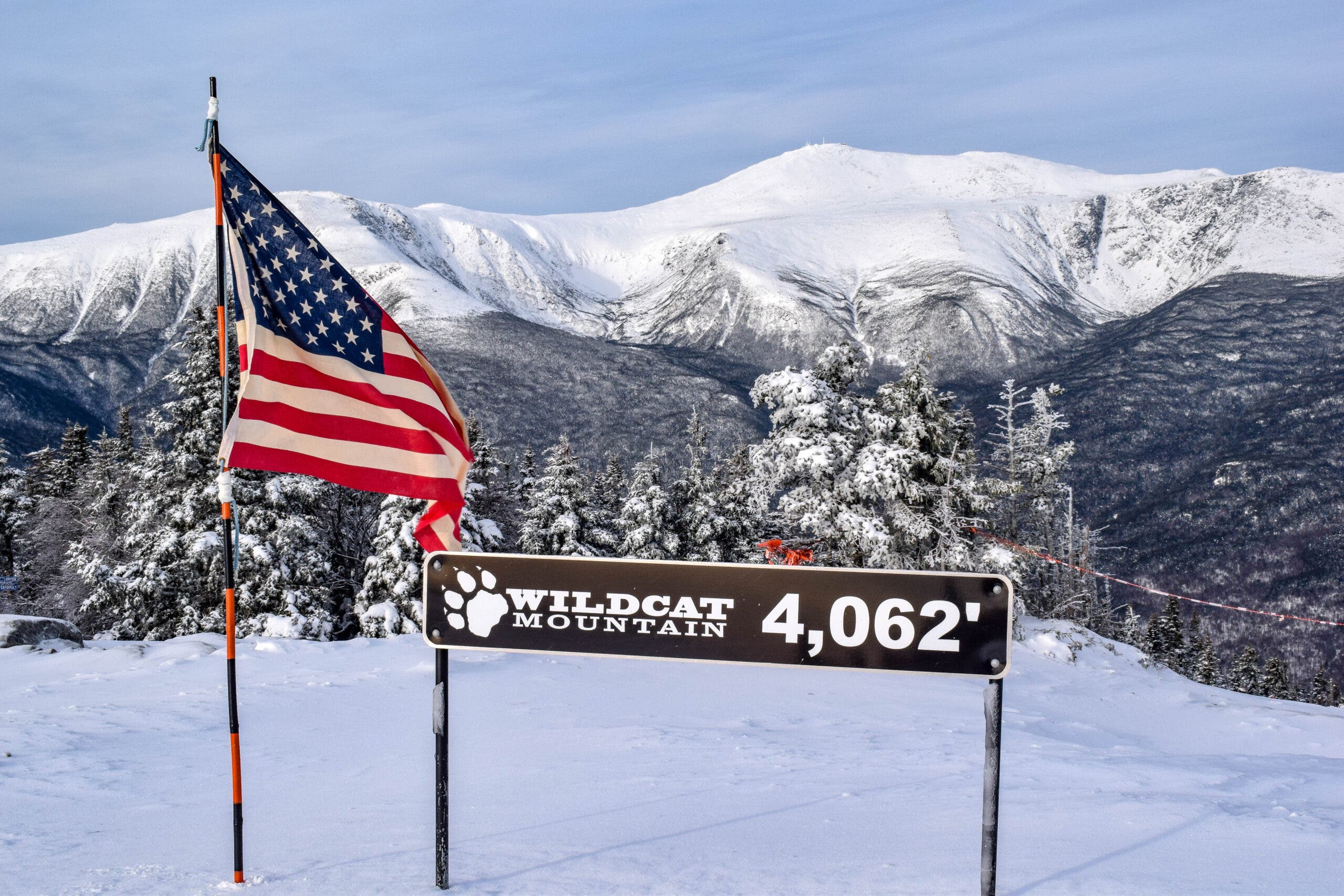
| 20 | Wildcat Mountain | N.H. | Mount Washington views, old-school feel | Old facilities, limited dining |
Official Responses and Industry Perspectives
Resort leadership across the East Coast recognizes that maintaining a competitive edge requires balancing nostalgic character with capital improvements.
At Saddleback Mountain, the focus remains steadfast on protecting the organic community feel that propelled it to the top of the list for a second consecutive year. Management’s recent $6.5 million investment in upgraded snowmaking infrastructure has insulated the mountain against unpredictable early-season thaws without compromising its rugged, uncrowded appeal.
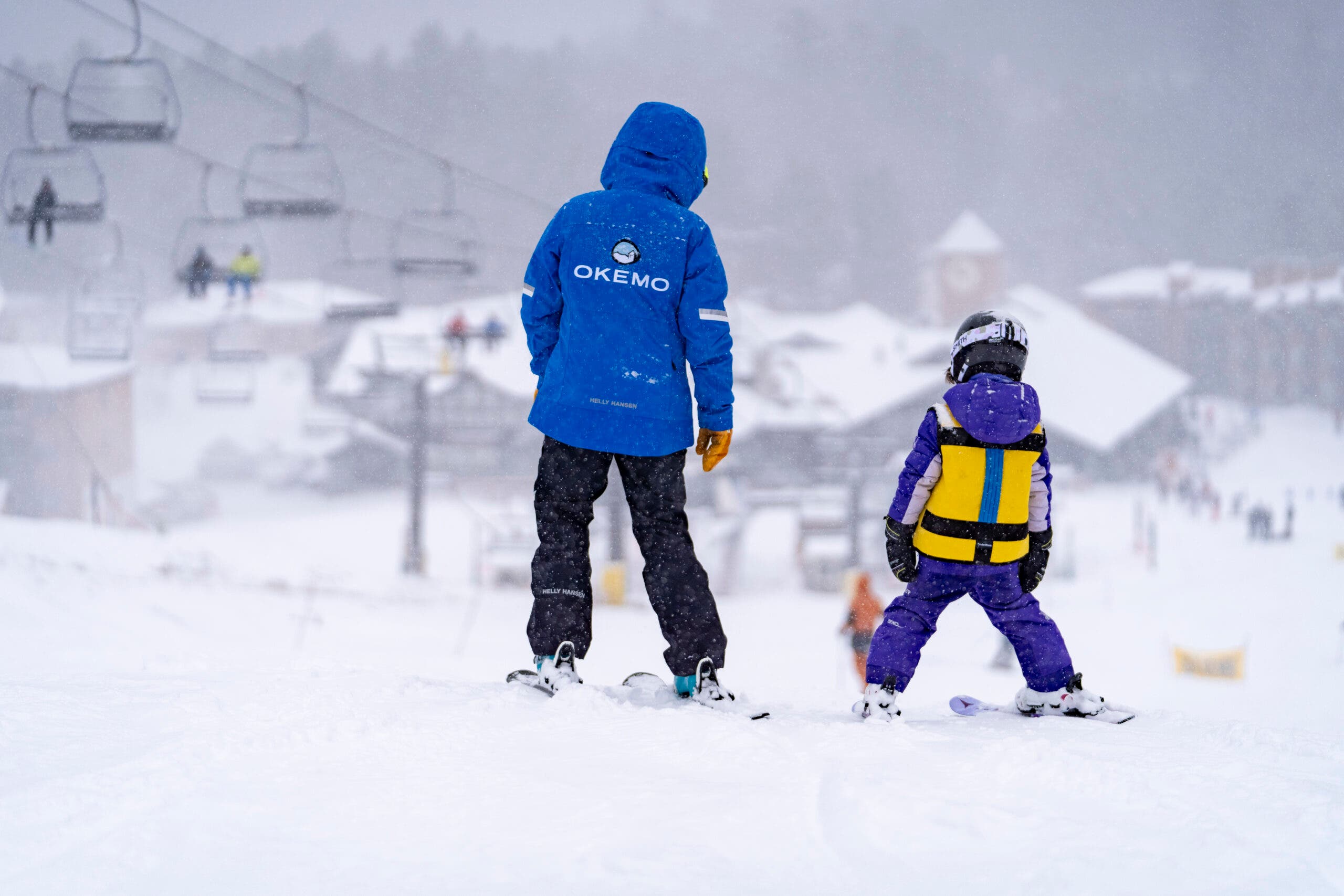
Meanwhile, corporate-owned destinations are tackling guest pain points head-on. Okemo’s resort team emphasized their massive energy-efficient snowmaking overhaul. By replacing older, fuel-hungry air compressors with units capable of operating in temperatures roughly 10 degrees warmer than previous systems, Okemo aims to mitigate the region’s historical vulnerability to winter rain events.
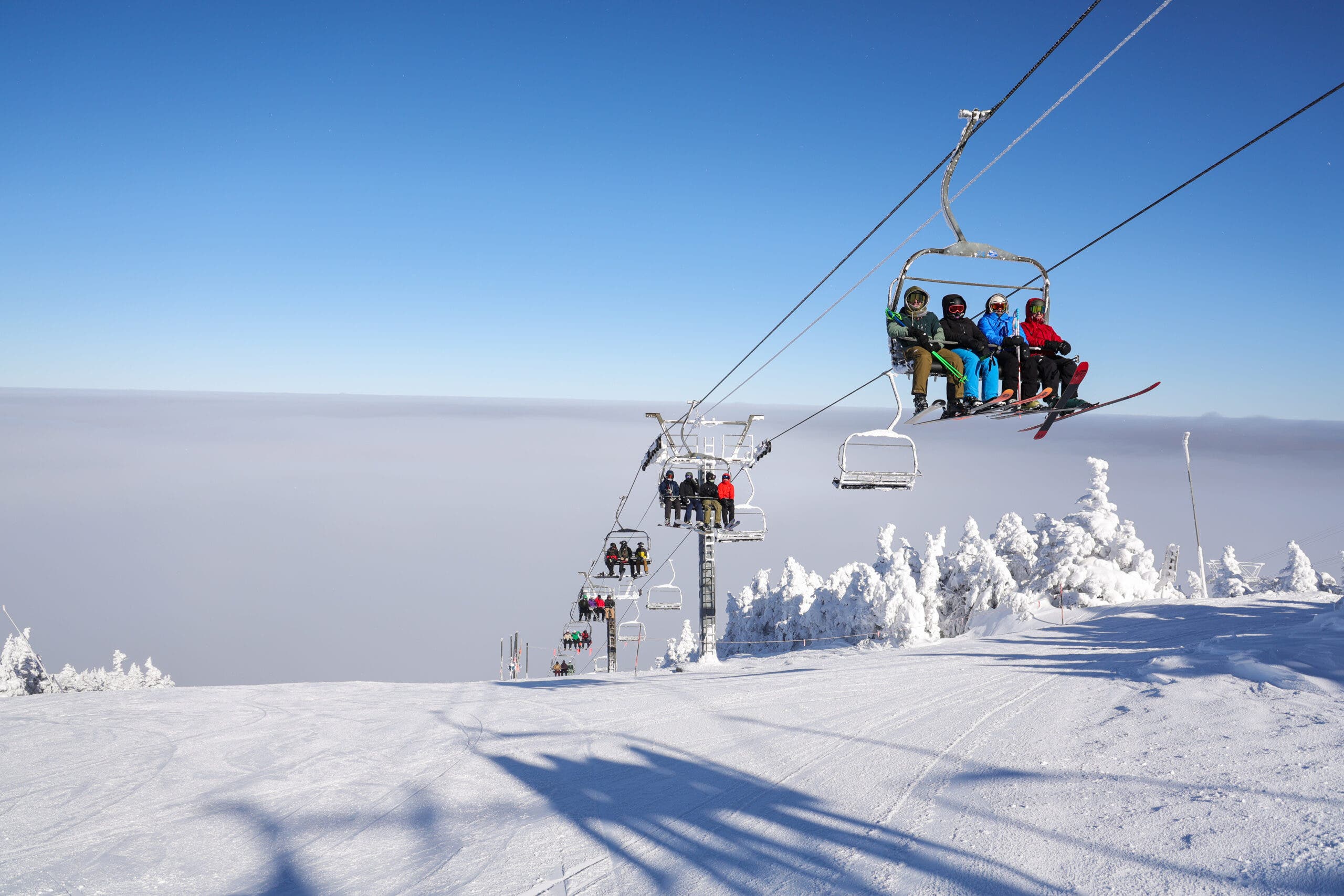
In New Hampshire, state officials are managing major transitions. With Cannon Mountain’s historic Aerial Tramway retired, the $27 million state-backed replacement project signals a commitment to preserving the iconic landmark’s heritage while securing its long-term operational future. Similarly, Smugglers’ Notch—now operating under its first full winter with Bear Den Partners—has integrated into the Indy Pass while adding 100 new energy-efficient snow guns to guarantee early-season viability.
Implications: The Future of Eastern Skiing
The results of the 2026–’27 SKI survey underscore several broader economic and cultural shifts within the regional ski industry:
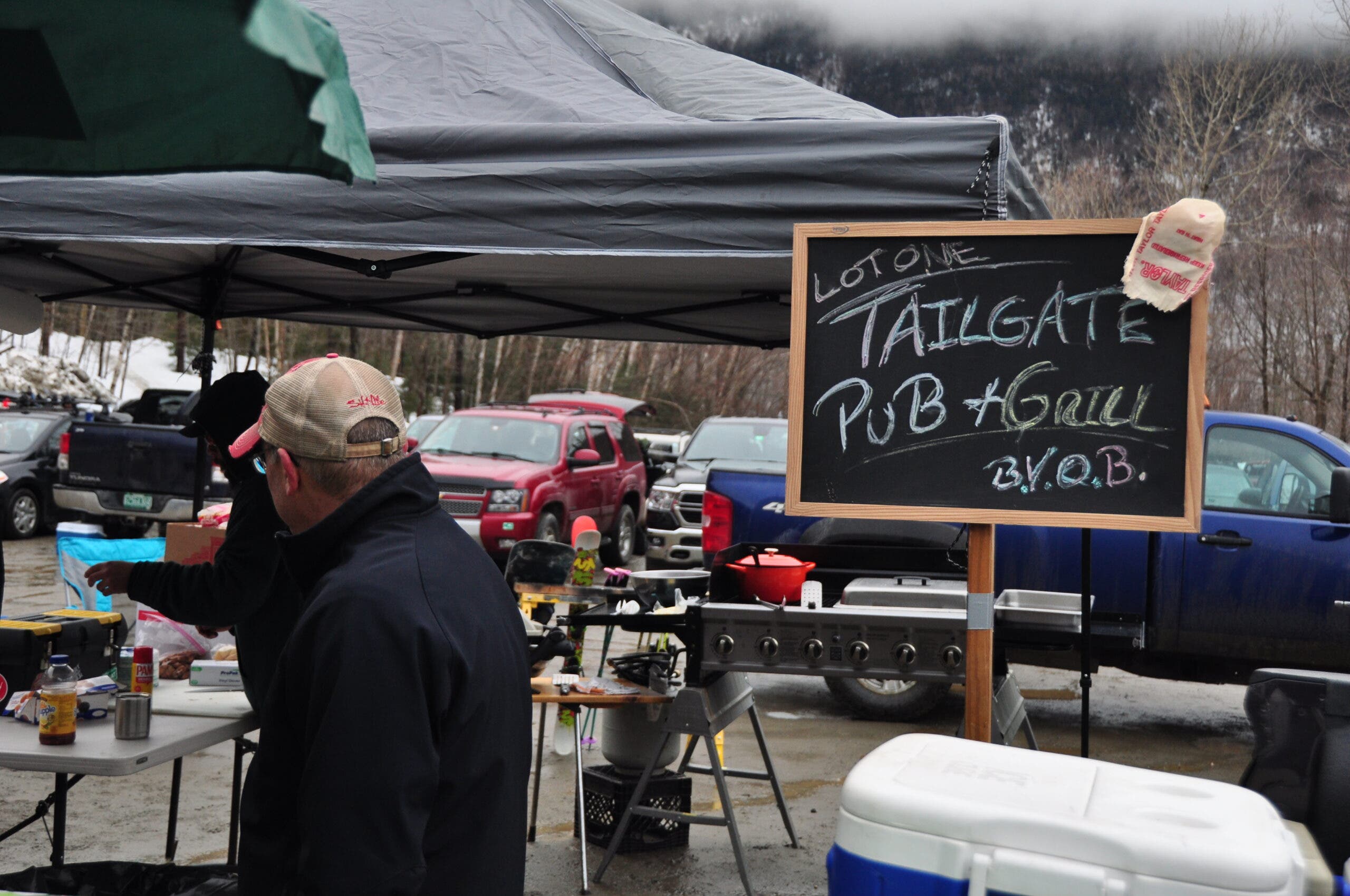
- The Premium vs. Purity Divide: A clear philosophical chasm separates mega-pass resorts like Stowe, Killington, and Okemo from independent sanctuaries like Saddleback, Mad River Glen, and Magic Mountain. While destination resorts cater to skiers seeking luxury lodging, fine dining, and heated bubble lifts, they increasingly battle traveler fatigue over high pricing, parking reservations, and weekend gridlock. Conversely, independent areas thrive by offering authenticity and camaraderie, even if it means accepting slower lifts and modest base facilities.
- Climate Adaptation as Survival: With the East Coast remaining particularly susceptible to mid-winter thaws and erratic natural snowfall, capital expenditure has shifted decisively underground. Resorts that fail to invest in high-efficiency snowmaking—such as Okemo, Sugarbush, and Cranmore—risk falling behind in guest satisfaction scores, whereas those boasting robust snow preservation consistently dominate the reader polls.
- The Digital and Booking Revolution: The introduction of seamless booking integrations, such as SKI’s partnership with Outside Travel, reflects changing consumer behaviors. Modern skiers increasingly expect frictionless digital trip planning, matching the convenience found in other travel sectors. Membership incentives offering up to 10% off lodging rates highlight a growing industry trend toward loyalty ecosystems that stretch far beyond the traditional season pass.
Ultimately, whether a skier seeks the rolling, family-centric cruisers of Bretton Woods or the humbling, ungroomed glades of Mad River Glen, the East Coast ski identity remains as diverse and resilient as ever. The 2026–’27 survey proves that regardless of corporate consolidation or shifting weather patterns, the heart of Eastern skiing beats strongest in the loyalty of its participants.


 Dwi Wanna
 Raul Delapena Setiawan

 Asro

 Siti Muinah

 Layla Zulfa

 Sagoh