 Raul Delapena Setiawan
Updated October 28, 2026
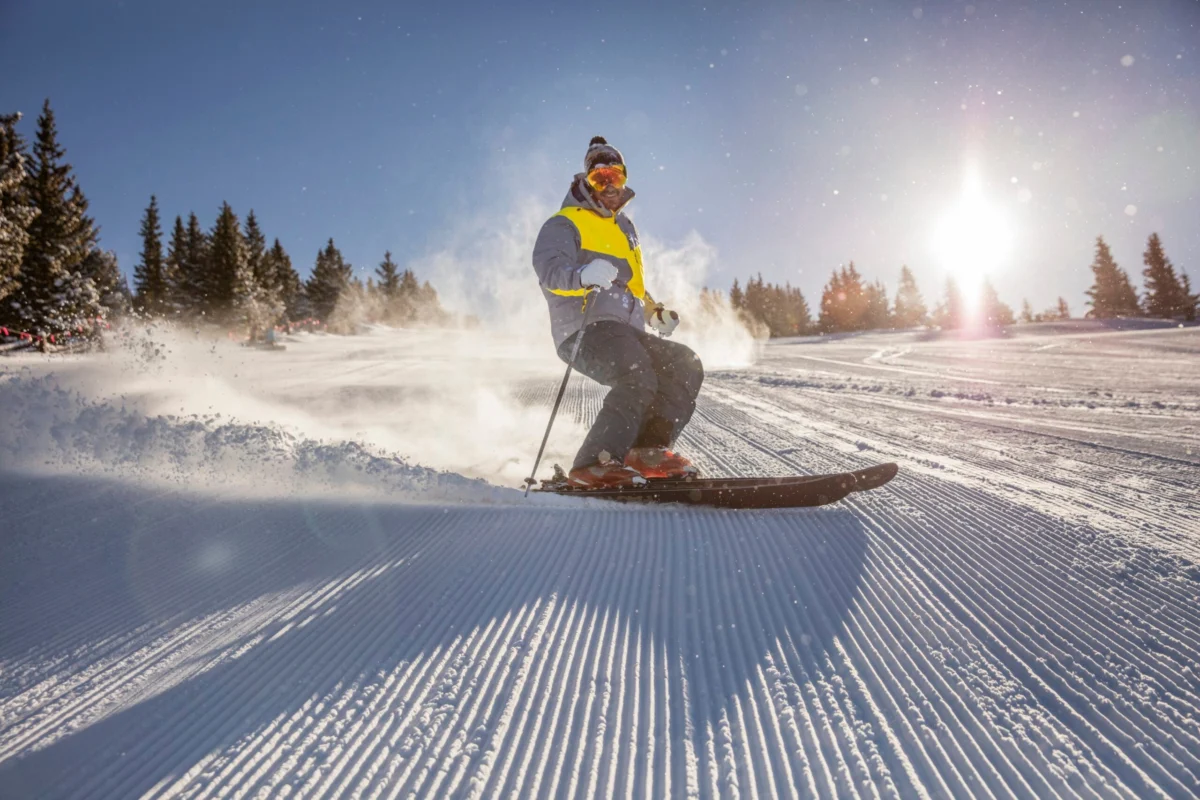
As winter approaches and ski enthusiasts dust off their gear, tune their edges, and check their bindings, physical preparation usually centers on the usual suspects: lunges for the quads, squats for the glutes, and planks for the core. Strong legs are, without a doubt, universally recognized as essential for navigating the mountain without injury. However, traditional strength training regimens frequently overlook the intricate, smaller stabilizing muscles of the lower body.
Chief among these neglected areas is the gluteus medius, a modest muscle tucked away on the side of the hip that forms a crucial part of the outer buttocks. According to leading orthopedic surgeons and winter sports medicine experts, paying attention to this small muscle can dramatically reduce the risk of debilitating knee pain and catastrophic ligament tears this winter.
For Dr. Gregory Lichtman, an orthopedic surgeon practicing in Northern California who serves as a dedicated team physician for the U.S. Women’s Ski Team, strengthening the gluteus medius is not merely an afterthought—it is a foundational pillar of alpine safety and high-level performance. As ski injuries go, anterior cruciate ligament (ACL) tears remain among the most prevalent and feared hazards on the mountain. By shifting focus toward the outer hip, skiers can build a robust defense mechanism against these season-ending injuries.
Main Facts: The Anatomy of Alpine Protection
To understand why the gluteus medius commands such high regard from sports medicine professionals, one must look at biomechanics. The gluteus medius is primarily responsible for hip abduction—the mechanical action of bringing your leg out to the side. Yet, its responsibilities on skis are far more complex.
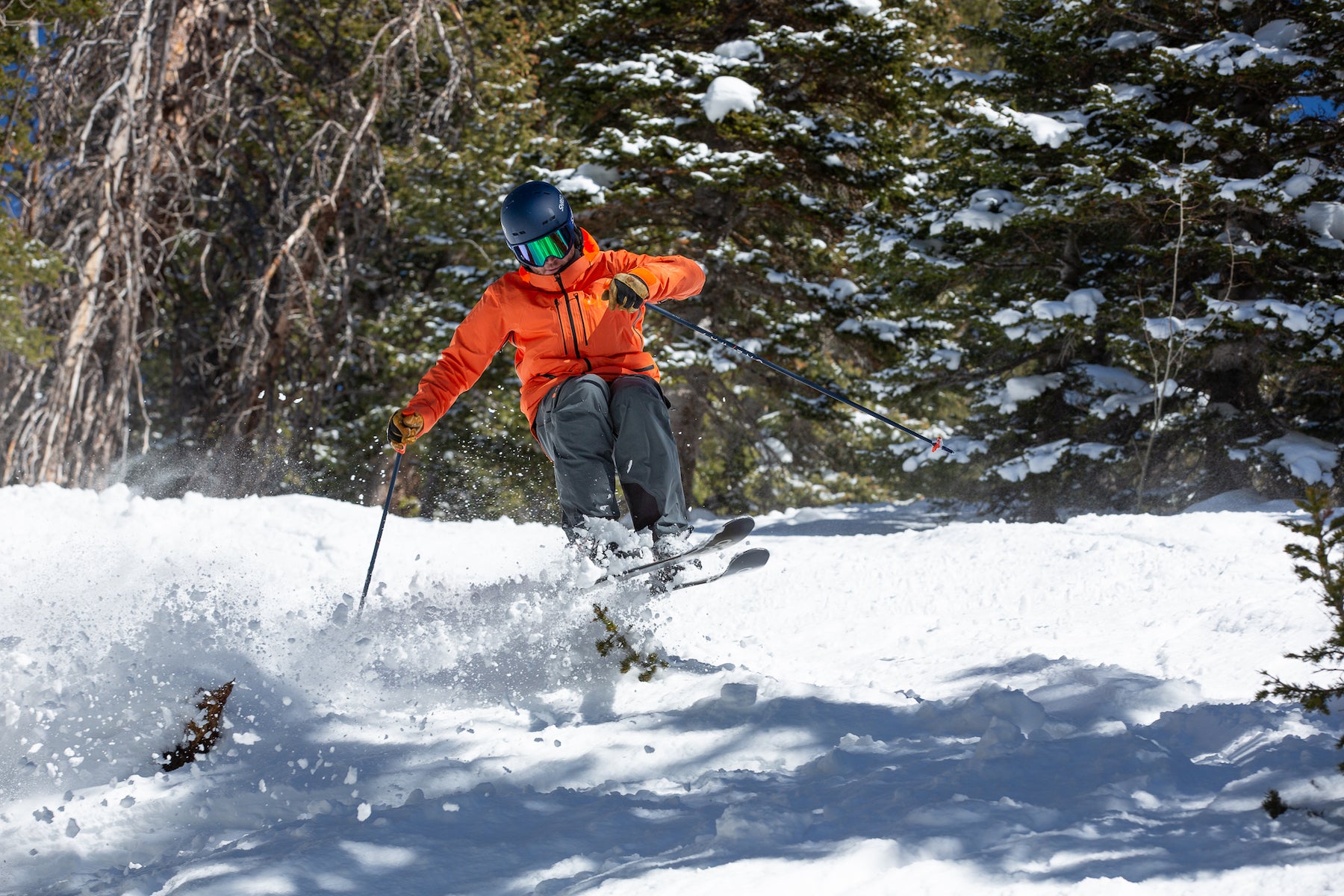
The muscle plays a critical role in controlling knee alignment. Specifically, it prevents the knee from caving inward, a pathological alignment known in medical and athletic circles as valgus. Furthermore, the gluteus medius acts as a primary stabilizer when a skier balances on a single leg, a constant requirement when weighting and pressuring the downhill ski during a carve.
When a skier makes a technical error—such as shifting their center of mass backward, colloquially known as getting "into the back seat"—and their knees collapse inward into valgus, the tibia can experience severe internal rotation. "That’s where the ACL tears occur," Dr. Lichtman explains.
Even when skiers escape major structural trauma like an ACL rupture, repetitive valgus collapse during turns frequently contributes to patellofemoral pain syndrome—a painful, chronic condition centered around the front of the kneecap.
The Performance Advantage
Beyond injury mitigation, a well-conditioned glute medius unlocks tangible performance dividends on the hill. "A strong gluteus medius also really allows you to stand on your downhill ski a little bit more aggressively and really make a more aggressive turn," says Lichtman.
When carving hard, the sheer G-forces generated in a turn constantly threaten to throw the skier down the fall line. A fortified outer hip, working in tandem with the quads and core, creates an unyielding structural pillar that absorbs these gravitational forces, enabling cleaner, faster, and more powerful turns.
Chronology: From Summer Prep to Mid-Winter Maintenance
Achieving optimal joint stability requires a strategic timeline. Too often, athletes commit to rigorous dryland training regimes in the late summer and early autumn, only to abandon their auxiliary conditioning entirely once the lifts start spinning.
Pre-Season Conditioning (Late Summer to First Snow)
- Months 1–2: Introduce foundational hip stability exercises, transitioning from basic isolated movements to compound athletic motions like resistance band walks.
- Month 3: Progress to heavier resistance bands and integrate endurance training to ensure cardiovascular stamina matches muscular strength.
In-Season Maintenance (December to April)
- Frequency: Dedicate at least two to three days a week to cross-training and targeted hip abductor work.
- The Weekend Warrior Factor: While individuals fortunate enough to ski five or six days a week naturally maintain their conditioning on the snow, those restricted to weekend skiing (two to three days a week) must actively preserve their core and hip abductor strength. Tapering off entirely after the first snowfall invites muscular imbalances and late-season fatigue injuries.
Supporting Data: Why Athletes Suffer from Hidden Weaknesses
One might assume that high-level alpine athletes possess bulletproof lower bodies across the board. Surprisingly, Dr. Lichtman notes that even elite skiers frequently present with a weak gluteus medius.
The discrepancy lies in how muscles adapt to everyday life and standard cardiovascular activities. Major muscle groups—such as the quadriceps, hamstrings, calves, and the primary buttock muscle, the gluteus maximus—receive constant stimulation from routine activities like road running, cycling, and hill climbing.
By contrast, the gluteus medius rarely fires spontaneously during linear, forward-facing movements. Because humans spend the vast majority of their time moving forward in the sagittal plane, lateral stability muscles remain dormant unless targeted intentionally. Without specific transverse and frontal plane exercises, the glute medius becomes a weak link in an otherwise strong kinetic chain.
Official Responses and Expert Insights: Redefining the Workout
For decades, the standard prescription for targeting the outer hip has been the classic side-lying leg raise using ankle weights. While this exercise undeniably activates the gluteus medius, Dr. Lichtman cautions that it has distinct limitations.
"This exercise can absolutely strengthen your glute medius, but it’s not my go-to," Lichtman explains. "That’s because it primarily just isolates that muscle and doesn’t mimic how we move in sports."
The Gold Standard: Monster Walks
Instead of isolated, non-functional movements, experts recommend integrated exercises that fire up the gluteus medius alongside other major muscle groups simultaneously. This mirrors the complex, multi-joint demands of skiing.
Dr. Lichtman’s top recommendation for skiers is the monster walk.
+-------------------------------------------------------------+
|                     HOW TO DO MONSTER WALKS                 |
+-------------------------------------------------------------+
| 1. Place a resistance band around your legs (either just    |
|    above the knees or around the ankles for more challenge).|
| 2. Assume an athletic, quarter-squat position with your     |
|    feet shoulder-width apart to maintain constant tension.  |
| 3. Step diagonally forward and outward, keeping your toes   |
|    pointed forward or slightly inward (avoid duck-feet).    |
| 4. Continue stepping in a zig-zag pattern, ensuring the     |
|    band never goes slack.                                   |
+-------------------------------------------------------------+
Programming and Variations
- Frequency: Perform monster walks three days a week, ensuring at least one full day of rest between sessions for muscle repair and hypertrophy.
- Directional Versatility: To prevent boredom and challenge different fiber orientations of the hips and quads, mix up your vectors. Step forward, backward, diagonally forward, or diagonally backward. As long as the band remains taut and form is clean, all directions yield substantial benefits.
- Progression: When the exercise begins to feel manageable, simply upgrade to a heavier resistance band.
Implications: The Trifecta of Injury Prevention
While a bulletproof gluteus medius is an invaluable asset, experts emphasize that outer hip strength is only one piece of a much larger puzzle. Comprehensive injury prevention requires addressing the entire kinetic chain.
1. Core and Quad Strength
As noted, a primary catalyst for ski-related ACL tears is getting pushed backward into the "back seat." While a strong glute medius protects the knee from collapsing inward once you are in a compromised position, it does not actively prevent you from slipping into the back seat initially.
To keep your weight centered over your skis, you need a powerful trifecta: strong quads, a resilient core, and exceptional overall endurance.
2. Combating Fatigue
Fatigue is one of the most reliable predictors of winter sports trauma. Skiers who are thoroughly exhausted by mid-afternoon experience a breakdown in form, making them exponentially more likely to slide into the back seat and sustain an ACL tear than those who remain physically fresh.
Consequently, physical preparation must extend beyond lifting heavy weights in the gym. A well-rounded pre-season preparation routine must successfully marry strength training with cardiovascular and muscular endurance. The ultimate benchmark for a successful ski fitness program? Being just as strong, sharp, and physically stable after lunch as you were stepping off the first chair in the morning.

 Basiran
 Siti Muinah

 Suro Senen
 Lina Irawan
 rifanmuazin