
 Dwi Wanna
Published: November 4, 2026
Author: SKI Magazine Gear Desk
Main Facts: The Hidden Danger of Post-Crash Headgear
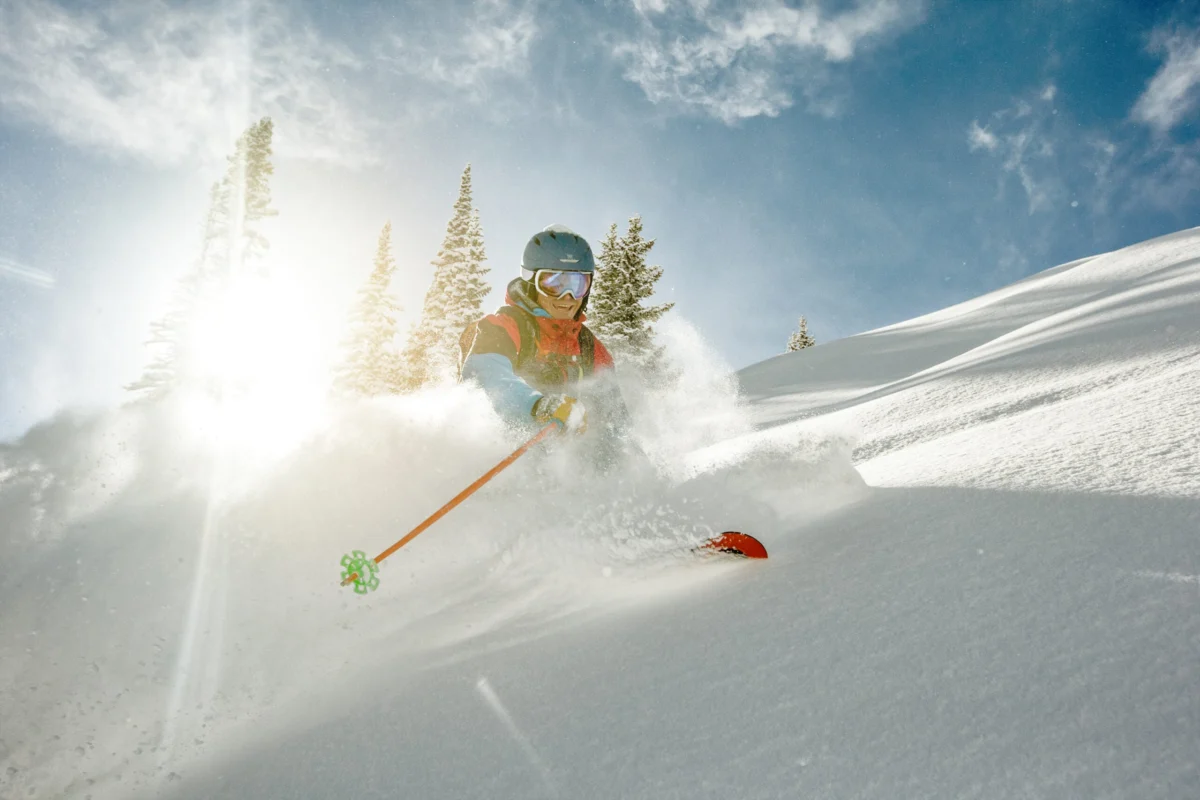
When a winter sports enthusiast experiences a fall on the slopes, evaluating the damage usually involves inspecting a bent ski pole, checking a scratched pair of goggles, or brushing powder off a waterproof shell. But the most critical piece of equipment—the helmet—frequently escapes serious scrutiny, especially if it bears no external scars.
This oversight can carry devastating consequences. According to biomechanical science and safety experts, a ski helmet that has absorbed a significant impact is often compromised structurally, even if it looks pristine on the outside. Inside the shell, microscopic and permanent deformations quietly neutralize the protective foam’s capacity to absorb a subsequent blow.
For many skiers and snowboarders, the temptation to keep using expensive gear is powerful. However, relying on a compromised helmet is a dangerous gamble. As winter sports enthusiasts prepare for the upcoming season, understanding the science of head impacts, the realities of concussions, and the exact guidelines for replacing protective gear has never been more crucial.
Chronology: A Routine Test That Turned Upside Down
The hazard of invisible helmet damage is not just a theoretical concept; it is a reality experienced even by seasoned industry professionals.
Last February, on the final day of SKI’s annual multi-day gear test, an editor was evaluating carving skis in variable snow conditions. Caught off guard by a treacherous patch of mixed snow, the tester caught an edge. The resulting spill sent them flying "over the handlebars," culminating in a heavy landing directly on the top of their head and a severe compression of the neck.
At the moment of impact, the situation seemed typical for aggressive ski testing—unpleasant, jarring, but seemingly standard. The writer knew they had struck their head, yet nothing indicated an immediate medical emergency. It was not until the following morning that the true magnitude of the crash began to reveal itself.
Several days later, sitting in a physician’s office, the verdict was delivered: a diagnosed concussion accompanied by a persistent neck injury.
What followed was months of unpredictable rehabilitation. The aftermath was characterized by lingering headaches, nagging neck pain, and acute sensitivity to light and sound. Nights were routinely fractured at 3:00 or 4:00 a.m. by pain radiating from the base of the skull, making deep sleep nearly impossible. The psychological toll matched the physical one: the sheer unpredictability of the healing process. Just as symptoms seemed to recede, a sudden flare-up would drag the writer back to square one.
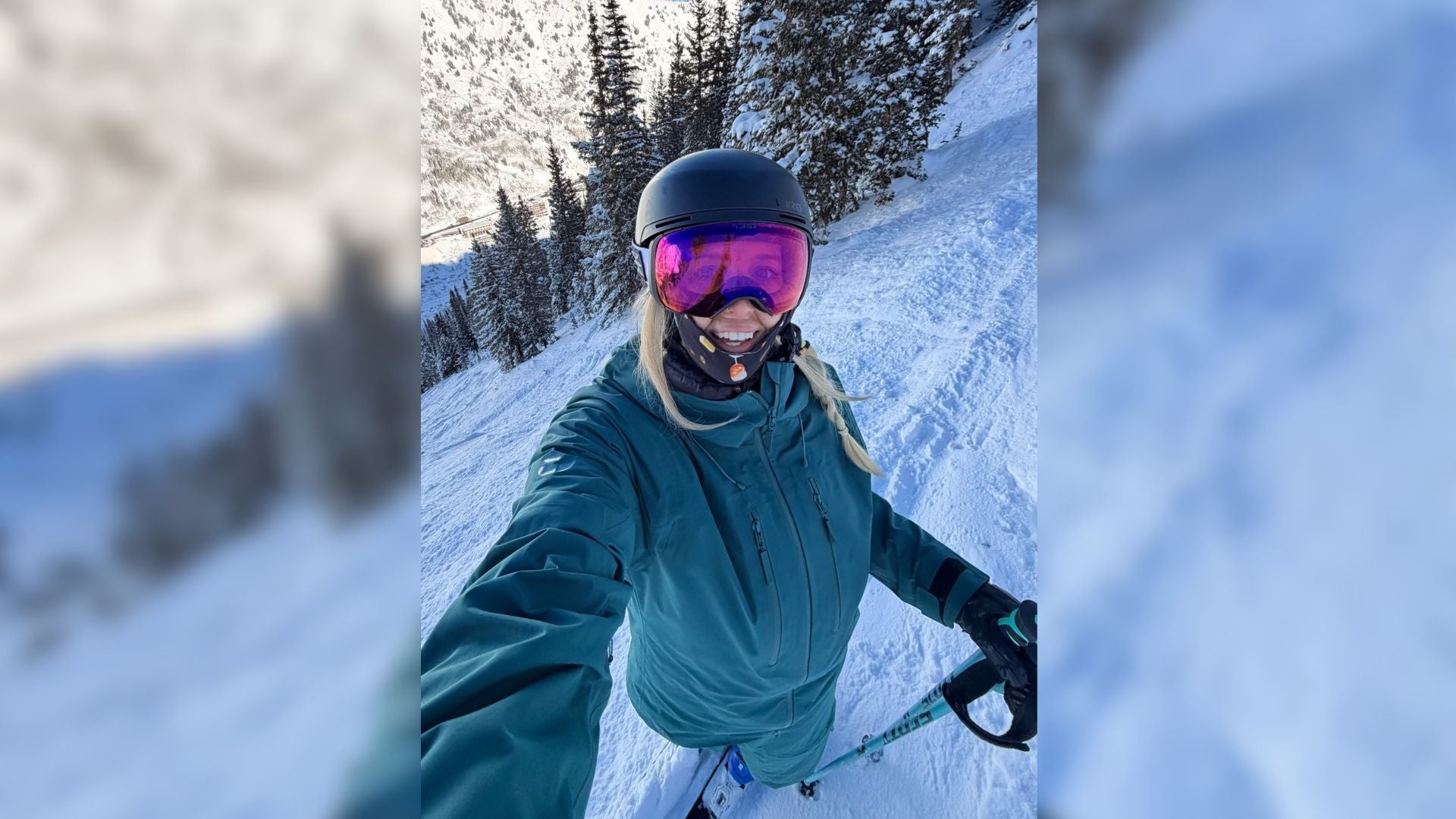
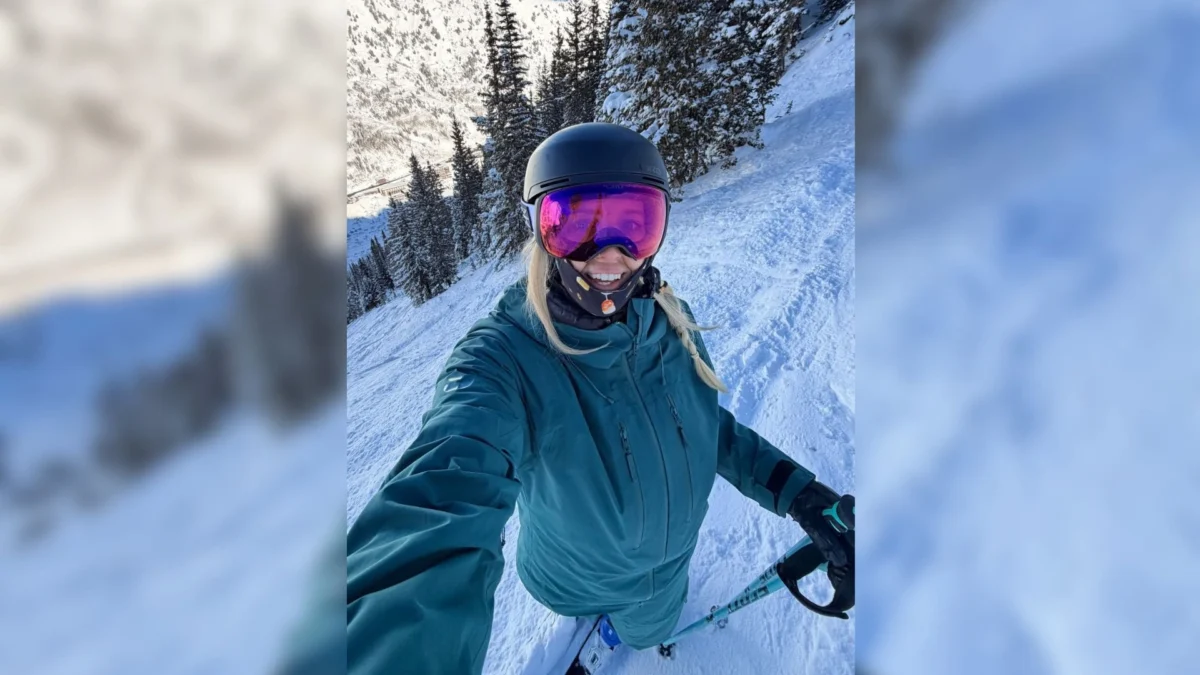
The silver lining? The helmet had done its job, potentially sparing the writer from a far more catastrophic traumatic brain injury. The harsh reality? That brand-new, perfectly fitting, outwardly unblemished helmet had to go straight into the trash.
Supporting Data: Linear Versus Rotational Forces
To understand why a seemingly undamaged helmet must be discarded, one must look beneath the hard outer shell.
Most modern snowsports helmets utilize a layer of expanded polystyrene (EPS) foam. This material is meticulously engineered to absorb impact energy by permanently deforming or compressing upon heavy contact. Once that energy is absorbed and the foam deforms, that specific area is spent. It cannot redistribute that same volume of energy a second time.
"The outer shell can hide these deformations in the EPS. Even from the inside of the helmet, the deformations can be hard to detect," explains Madelen Fahlstedt, Ph.D., a biomechanical specialist at MIPS and a doctor of medical engineering from Sweden’s KTH Royal Institute of Technology, where she specialized in head-injury biomechanics and accident reconstruction. "To that sense, a helmet is essentially a one-hit-wonder."
The Rotational Threat
Traditional safety standards historically focused on linear motion—the straight-line force experienced when a head strikes an immovable object and stops abruptly. While absorbing linear force prevents catastrophic skull fractures, real-world ski crashes rarely involve purely linear trajectories.
When a skier’s head hits the snow at an angle, the impact introduces rotational motion. This causes different regions of the brain to shift and slide against one another at varying speeds, stretching delicate neural tissues.
"The brain is typically more sensitive to rotational motion than linear motion because it has shear properties similar to water or gel," Fahlstedt notes.
To combat this, modern helmet design incorporates specialized rotational management systems. Technologies like MIPS (Multi-directional Impact Protection System) integrate a low-friction layer inside the helmet. This layer allows the outer shell to slide independently relative to the head by 10 to 15 millimeters during certain angled impacts, dramatically cutting down the rotational energy transferred to the brain.
Official Responses and Safety Organizations
Despite advanced engineering, experts are uniform in one critical warning: no helmet is entirely concussion-proof.
The Centers for Disease Control and Prevention (CDC) explicitly state that helmets cannot eliminate the risk of concussions entirely, and that concussion symptoms can take hours or even days to manifest. Consequently, how a skier feels immediately following a crash is a poor indicator of whether a brain injury has occurred. Anyone suspecting a concussion should immediately step off the snow and seek professional medical evaluation.
Nevertheless, the statistical backing for wearing helmets is overwhelming. According to a comprehensive 2022 review published by the American Academy of Pediatrics (Pediatrics), skiers and snowboarders who wear helmets experience roughly 34 percent lower odds of suffering a head injury compared to those who go bare-headed.
When shopping for certified protection, consumers must navigate various safety certifications. However, minimum safety standards only dictate whether a helmet passes a baseline test—they do not rank how well one model protects compared to another.
For advanced comparative data, safety experts direct consumers to the Virginia Tech Snow Sport Helmet Ratings. Evaluating 56 distinct snowsports helmets through rigorous laboratory testing that measures both linear and rotational performance, Virginia Tech assigns a one- to five-star rating system. This independent database helps skiers evaluate options alongside hands-on reviews, such as SKI’s Winter Gear Guide, which rigorously tests resort and backcountry models for fit, comfort, ventilation, and real-world usability.
Implications: When to Replace Your Gear and How to Move Forward
The central dilemma for winter athletes is defining what qualifies as an impact severe enough to warrant retiring a helmet.
A helmet that accidentally slips off a tailgate or takes a minor bump against a chairlift safety bar is generally not subjected to the structural forces seen in a high-speed tumble on hardpack snow. However, a crash does not need to look cinematic or feel catastrophic to generate dangerous internal stress. Without a subsequent concussion diagnosis, the writer of this article admits they likely would have brushed off their own crash as minor and continued using the helmet.
Moving forward, the industry consensus establishes a clear set of guidelines for helmet maintenance and replacement:
- Retire After Significant Impact: Any time a helmet absorbs the weight and force of a high-speed fall—especially one resulting in concussion symptoms—it must be discarded immediately, regardless of exterior cosmetics.
- Inspect Regularly: Check for hairline cracks in the shell, deteriorating straps, compressed interior padding, or loose components.
- Respect the Lifespan: Even without a major crash, standard manufacturer guidelines generally recommend replacing a helmet every three to five years as ultraviolet light, sweat, and general wear degrade the materials.
- Consult Independent Ratings: Prioritize models with high marks from independent testing bodies like Virginia Tech rather than relying solely on base certification stickers.
It is easy to look at a high-end helmet that cost hundreds of dollars, run a hand over its unblemished outer shell, and convince oneself that it is "probably fine." But safety gear is fundamentally different from a scratched pair of goggles or a ski jacket with a minor tear that can be patched with gear tape.
A helmet is a single-use life-preserver disguised as winter apparel. Having successfully fulfilled its life-saving mission once, wise skiers will not ask it to test its luck a second time.

 Raul Delapena Setiawan
 Basiran
 Asep Darmawan

 Nana
 Iffa Jayyana

 Asro

 Sagoh