
 Reynand Wu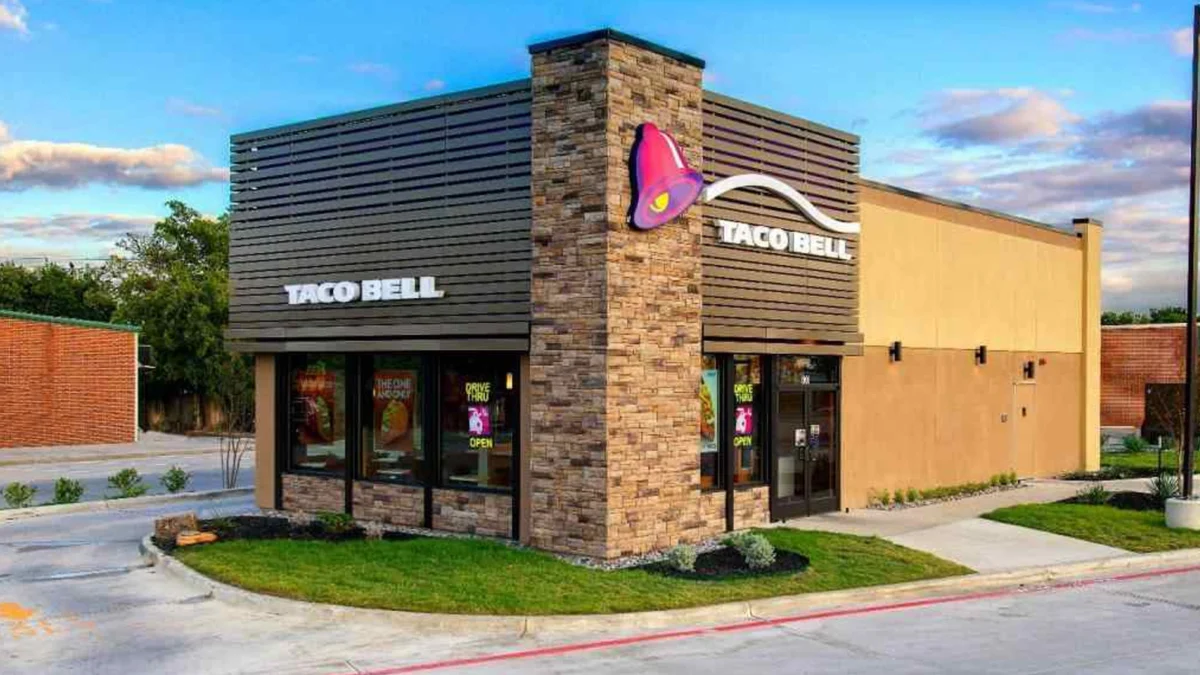
In the wake of a widespread foodborne illness outbreak that has gripped several states, Taco Bell and its supplier, Taylor Farms, are facing intense scrutiny and legal action. The crisis, which involves the parasite Cyclospora cayetanensis, has led to widespread hospitalizations and prompted a significant recall of shredded iceberg lettuce. As federal health agencies work to trace the precise origins of the contamination, the fast-food giant is struggling to maintain consumer trust amidst a growing number of lawsuits.
The Genesis of the Crisis: A Veteran’s Legal Battle
The public spotlight intensified on the issue when David Ott, a 27-year veteran of the U.S. Army, initiated legal proceedings against Taco Bell and its produce supplier, Taylor Farms. Ott’s lawsuit, filed in June 2026, serves as a focal point for the frustration and physical suffering experienced by victims across the Midwest.
According to court filings, Ott visited a Taco Bell franchise in Youngstown, Ohio, twice during June 2026. Shortly after consuming meals at the establishment, he began exhibiting severe symptoms of Cyclospora poisoning, a parasitic infection characterized by debilitating diarrhea, loss of appetite, weight loss, cramping, bloating, and fatigue. His condition deteriorated rapidly, necessitating a two-day hospital stay. His experience is not an isolated incident; it represents a larger pattern of illness that has prompted the Centers for Disease Control and Prevention (CDC) and the Food and Drug Administration (FDA) to launch a multi-state investigation.
Chronology of the Outbreak
The timeline of the current crisis reflects the rapid escalation typical of major food safety incidents.
- Early June 2026: Initial clusters of illness are identified in the Midwest, specifically across Indiana, Michigan, Kentucky, Ohio, and West Virginia.
- Mid-June 2026: David Ott experiences severe illness after dining at a Taco Bell location in Ohio, eventually leading to his hospitalization and the subsequent filing of a lawsuit.
- July 16, 2026: The FDA issues an urgent public warning, explicitly advising consumers to avoid shredded iceberg lettuce sourced from central Mexico and served at Taco Bell locations in the five affected states.
- July 17, 2026: Taylor Farms, the primary supplier, announces a voluntary, indefinite recall of all iceberg lettuce sourced from the central Mexican region.
- Late July 2026: Taco Bell issues a formal statement on social media, assuring the public that the supply chain has been purged of the contaminated product.
The investigation is ongoing, with federal agencies continuing to scrutinize the supply chain to ensure that the risk of further infection has been completely neutralized.
Data and Public Health Impact
The scale of the outbreak is substantial, highlighting the risks inherent in large-scale agricultural distribution. As of the latest reporting, the CDC has confirmed at least 1,644 individual cases linked to the consumption of the contaminated lettuce. However, this number may only be the tip of the iceberg; health officials are currently investigating over 5,100 additional suspected cases.
The geographic impact is concentrated in the Midwest, with Michigan emerging as the hardest-hit state, reporting 102 hospitalizations directly linked to the parasite. While no deaths have been officially attributed to the outbreak, the rate of hospitalization indicates that the strain of Cyclospora involved is causing significant morbidity among the affected population.
Cyclospora is particularly challenging to manage in a food service environment because it is typically transmitted through the ingestion of food or water contaminated with feces. Unlike some bacterial pathogens that can be easily killed by standard sanitization, the Cyclospora oocyst is resilient and requires stringent washing and processing protocols. The fact that the contamination occurred despite industrial-grade food safety measures has raised questions about the oversight of produce imported from specific regions in Mexico.
Official Responses: Accountability and Damage Control
The response from the corporate entities involved has been a blend of defensive maneuvering and public reassurance.
Taco Bell’s Stance
Taco Bell has attempted to project confidence in its safety protocols while addressing the lawsuit. In a statement posted to the social media platform X (formerly Twitter), the company stated: "We take your health and safety seriously, and have removed all affected Taylor Farms lettuce from Taco Bell stores. So go ahead and enjoy your Taco Bell today. You always got us. We always got you. See you in the drive-thru."
While the company has sought to normalize operations, legal experts suggest that the "We always got you" messaging may be tone-deaf to the hundreds of customers who remain physically ill or are currently facing medical bills due to the outbreak.
Taylor Farms’ Position
Taylor Farms has taken a more technical approach to their public relations. In an official release, the company acknowledged that while the FDA traceback linked the outbreak to a single, independent farm—representing less than 1% of the U.S. iceberg lettuce supply—they have opted to cease sourcing from that entire region of Mexico indefinitely.
"We remain deeply concerned for those who became ill, their families, and the many Americans whose trust in the safety of their fresh produce has been shaken," the company said. By framing the incident as an issue with an "independent farm," Taylor Farms is likely attempting to distance its primary operations from the oversight failure, though legal teams for the victims are expected to argue that the burden of safety lies with the supplier’s quality control processes.
Implications for the Fast Food Industry
This outbreak has broad implications for the fast-food industry, particularly regarding supply chain transparency.
The Fragility of Supply Chains
The incident underscores the inherent risks in "just-in-time" supply chains. When a single farm’s produce is integrated into a nationwide distribution network, a failure in sanitation at the source can ripple across thousands of storefronts in a matter of days. As food safety regulations tighten, major chains may be forced to diversify their suppliers to reduce the risk of such systemic failures.
The Rise of Foodborne Illness Litigation
The lawsuit filed by David Ott is likely the first of many. Food safety litigation is a specialized and aggressive field, and the sheer volume of cases (over 1,600 confirmed) suggests that Taco Bell could face a multi-million dollar class-action lawsuit. Beyond the financial impact, the brand equity of a major fast-food chain is highly sensitive to safety scares. Customers who associate a brand with illness often alter their dining habits permanently.
Future Regulatory Oversight
The FDA is under increased pressure to implement stricter import requirements for fresh produce. The use of iceberg lettuce in fast-food salads and tacos is pervasive, and the inability to "cook out" the parasite means that the only line of defense is the initial washing and handling process. Industry analysts expect new mandates regarding the testing of imported produce for parasites, which could increase operational costs for fast-food suppliers across the country.
Conclusion: A Lesson in Transparency
As the investigation continues, the focus will remain on whether the contamination was the result of a singular, unavoidable accident or a lapse in rigorous safety standards. For the victims, the focus remains on recovery and restitution. For the industry, this incident serves as a stark reminder that in the age of globalized food distribution, public trust is the most valuable commodity—and it is the one most easily lost when safety is compromised.
While Taco Bell and Taylor Farms have taken the necessary steps to stop the immediate spread of the parasite, the long-term impact of this outbreak will be measured in the classrooms, courtrooms, and boardrooms for months to come. As of now, consumers in the affected states are advised to remain vigilant and follow all guidance issued by the FDA and CDC until the investigation is formally concluded.

 Siti Muinah
 Nana Wu
 Neng Nana

 Lina Hope

 Sagoh
Sagoh
 Iffa Jayyana