
 Ammar Sabilarrohman
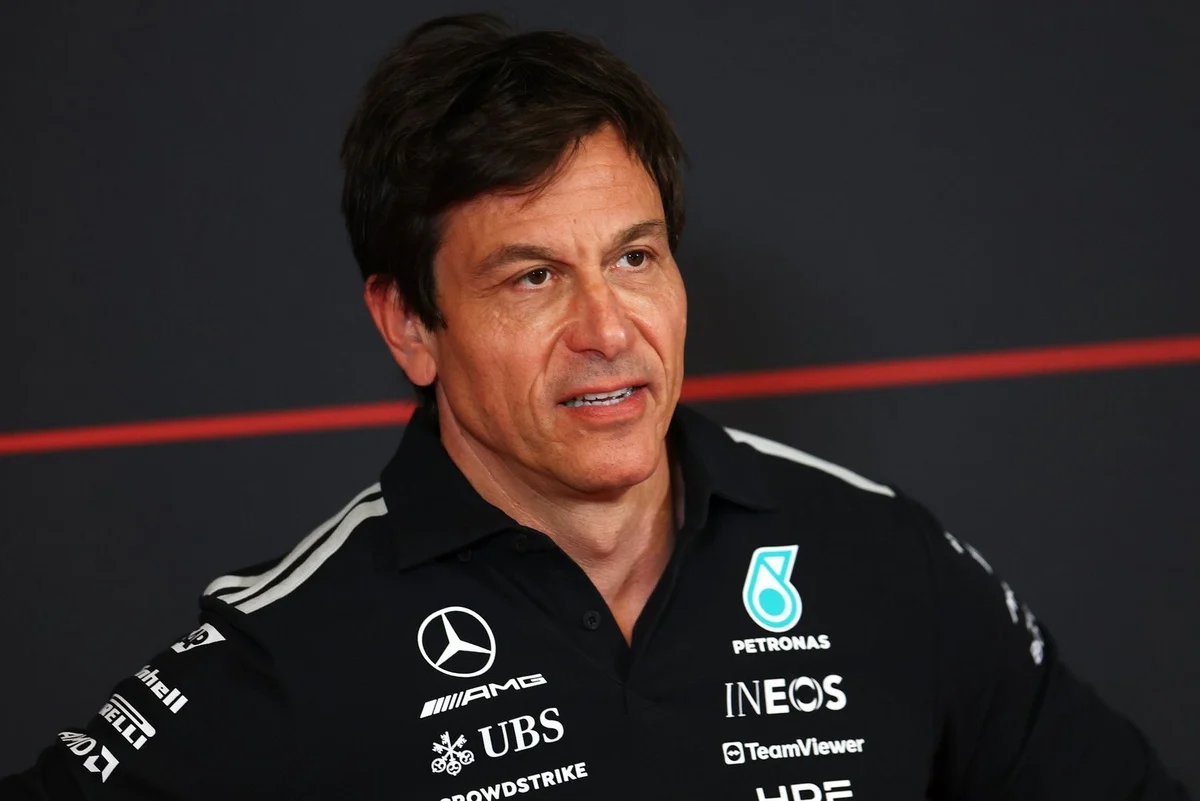
SAO PAULO — Formula 1 paddocks are rarely peaceful for long, but the current harmonic tremors emanating from Maranello have struck a particularly resonant chord. Following the dramatic Mexico Grand Prix at the Autodromo Hermanos Rodriguez, the sport’s collective gaze has shifted slightly away from Kimi Antonelli’s maiden world championship celebration. Instead, it has zeroed in on a fiery internal clash at Scuderia Ferrari between its marquee driver line-up: Lewis Hamilton and Charles Leclerc.
The opening-lap skirmish in Mexico City cost the storied Italian outfit a golden, highly probable one-two finish. In the immediate aftermath, an animated Hamilton didn’t mince words, warning that Ferrari had "big, big problems" to resolve and calling for urgent, in-depth structural conversations.
Yet, as the Formula 1 circus packed its bags and decamped for Sao Paulo, those critical debriefs remained on hold. Leclerc had briefly stepped away from the track following the birth of his child, while Ferrari team principal Frédéric Vasseur had jetted back to Europe. However, by Thursday evening in Brazil, the air had been cleared. The crucial summit had finally taken place behind closed doors—and the ripples of that meeting are reverberating through the entire paddock.
Main Facts: The Anatomy of the Mexico Grand Prix Fallout
The core issue stems from an opening-lap wheel-to-wheel encounter between Hamilton and Leclerc in Mexico. While the incident narrowly avoided a catastrophic race-ending collision, it deeply compromised the team’s race strategy, squandered a potential maximum points haul, and exposed the fragile equilibrium of managing two elite, fiercely competitive drivers.
- The Catalyst: A contentious opening-lap battle at the Autodromo Hermanos Rodriguez.
- The Cost: A probable Ferrari one-two finish squandered in the opening corners.
- The Reaction: Lewis Hamilton openly demanded comprehensive internal talks, highlighting "big, big problems."
- The Delay: The summit was temporarily postponed due to family milestones (Leclerc becoming a father) and logistics.
- The Resolution: Frédéric Vasseur confirmed that a closed-door clear-the-air meeting took place on Thursday evening in Sao Paulo ahead of the Brazilian Grand Prix weekend.
Chronology: From the Autodromo Hermanos Rodriguez to Interlagos
To understand the weight of Ferrari’s current predicament, it helps to map out the precise timeline of events that dragged the Scuderia into the media spotlight:
- Sunday, Race Day (Mexico City): Hamilton and Leclerc make contact on the opening lap. The incident sparks immediate strategic chaos for Ferrari, ultimately destroying any chance of a dominant one-two team finish.
- Post-Race Media Pen: Hamilton speaks to journalists, asserting that Ferrari is facing "big, big problems" that require thorough discussion and analysis.
- Early Week Lull: Team principal Frédéric Vasseur returns briefly to Europe, while Charles Leclerc celebrates the birth of his child, putting mandatory team talks on a brief hiatus.
- Thursday (Sao Paulo): Vasseur, Hamilton, and Leclerc convene behind closed doors in Brazil to address the Mexico incident and re-align team protocols.
- Friday Press Conference: Vasseur faces a barrage of probing questions from the media regarding driver behavior, leading Mercedes boss Toto Wolff to intervene and offer a public display of solidarity.
Supporting Data & Historical Parallels: The Ghost of Mercedes 2016
During Friday’s official team principals’ press conference in Sao Paulo, Frédéric Vasseur unsurprisingly became the primary target for inquisitive journalists. The relentless questioning prompted an unexpected ally to step up to the microphone: Mercedes team principal Toto Wolff.

Leaning over to support his friend and fellow executive, Wolff noted that he felt an intense sense of déjà vu.
"Fred doesn’t need any advice from me, but it’s like a déjà vu," Wolff told the press pack. "You’ve asked me exactly the same questions for how many years? 2013, 2014, 2015, and 2016. That was it, and then Nico [Rosberg] called it a day. Four years, exactly the same situation."
The parallels are striking, though historical context dictates a few key distinctions. Wolff’s tenure managing the high-octane rivalry between Lewis Hamilton and Nico Rosberg at Mercedes involved much heavier stakes—namely, direct battles for the Drivers’ World Championship. Ferrari is not currently fighting for the drivers’ crown in the same manner, but the psychological pressure of managing alpha-male competitors remains identical.
Furthermore, Wolff pointed out that elite drivers possess inherent "edges." They are wired to win at all costs, and when two such personalities occupy the front-running cars of a championship-caliber team, friction is almost guaranteed.
"Sometimes when you put two strong drivers in there, the best ones have edges and they want to win," Wolff explained. "And that is a situation that is always very difficult to cope with, and a situation that is under the media spotlight if those cars race at the front."
The Escalation Threshold
Reflecting on the infamous Spanish Grand Prix crash in 2016—where Hamilton and Rosberg famously wiped each other out on the opening lap—Wolff suggested that a degree of escalation can sometimes be beneficial. It acts as a hard reset, forcing drivers to realize where the absolute boundary lies.
Years after his retirement, Nico Rosberg revealed that Wolff had reached a boiling point after the Barcelona disaster, even threatening to alter the driver line-up and making both drivers financially liable for crash damages.
While Wolff acknowledges that his team-management style back then required severe measures, he believes it successfully drove home a fundamental truth: individual glory must never supersede the collective body of work.
Official Responses: Keeping Maranello’s Secrets in House
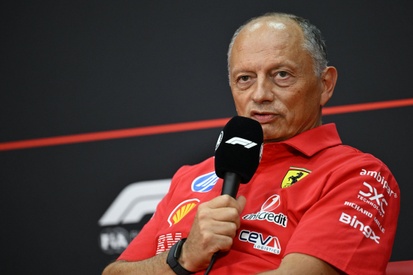
When media members attempted to draw a direct line between Mercedes’ historic draconian measures and Ferrari’s current situation—asking Vasseur if he had threatened Hamilton and Leclerc with financial penalties or driver changes—the Frenchman played his cards close to his chest.
Vasseur deftly deflected inquiries regarding the exact punitive details of Thursday night’s meeting, emphasizing discretion and mutual respect.
"I’m not sure that 10 years ago Toto told you exactly the content of the discussion with Nico and Lewis, and I will do exactly the same now," Vasseur stated firmly. "We had a discussion, but it has to stay private. It’s a matter of respect also for them and for the team."
Instead of focusing on threats or punishments, Vasseur shifted the narrative back to accountability and the broader human element of Formula 1.

"Once again, the most important thing is that the message is clear. The message is that we are working for a brand, we are working for sponsors, but I would say we are probably mainly working for the employees of the team."
This sentiment echoes Wolff’s philosophy on team dynamics: drivers must constantly keep the thousands of unseen factory workers in mind. When a carbon-fiber wing shatters due to an avoidable ego clash on lap one, it represents countless hours of overtime lost in the wind tunnel and design offices in Maranello and Brackley alike.
Implications: What This Means for Ferrari’s Future
As Formula 1 enters the closing stages of the season, the fallout from Mexico carries profound implications for the Scuderia’s trajectory.
1. Cultural Alignment under Vasseur
Frédéric Vasseur has steadily worked to instill a no-nonsense, collaborative culture at Ferrari since taking the helm. Publicly airing grievances after Mexico and forcing an immediate, direct dialogue in Brazil proves that the Frenchman is unwilling to let internal rivalries fester. By handling the situation swiftly and privately, Vasseur has reinforced his authority without unnecessarily destabilizing his drivers’ confidence.
2. The Hamilton-Leclerc Dynamic
For Lewis Hamilton, managing internal team dynamics is familiar territory. Having lived through the psychological warfare of the Rosberg era and various intra-team battles at McLaren and Mercedes, the seven-time world champion understands the necessity of transparent boundaries. Meanwhile, Charles Leclerc—now balancing the fresh responsibilities of fatherhood with his relentless pursuit of greatness—must calibrate his approach to wheel-to-wheel combat with a teammate of equal caliber.
If Ferrari intends to mount a serious, sustained assault on the Constructors’ and Drivers’ World Championships in the coming seasons, neutralizing friendly fire is priority number one.

3. The Broader Paddock Lesson
Toto Wolff’s unexpected intervention serves as a reminder that management at the pinnacle of motorsport is a universal struggle. Whether you are running Silver Arrows or the Prancing Horse, the friction between elite racing drivers is an inevitable byproduct of ambition. How a team harnesses that friction—turning destructive collisions into constructive competitive fuel—ultimately defines the boundary between championship failure and legendary success.
For now, the storm in Maranello has passed its peak. The doors of the Ferrari meeting room in Sao Paulo are closed, the air has been cleared, and the message has been delivered. But as Hamilton and Leclerc strap back into their red machines for the remainder of the weekend, all eyes in the paddock will be watching the opening lap very closely indeed.

 Iffa Jayyana
 Siti Muinah

 Suro Senen

 Lina Hope

 Asro

 Muslim