Trending News:High Stakes in the Western District: Joe Gibbs Racing Presses for ‘Adverse Inference’ in Legal Battle Over Chris Gabehart’s Deleted TextsPressure Mounts at Brackley: Guenther Steiner Warns George Russell Faces a Crucial F1 CrossroadsThe Future of the Brew: How Starbucks is Leveraging AI to Revolutionize the Drive-Thru ExperienceHigh Stakes at Cbus Super: New Zealand and Fiji Face Off in World Cup DeciderGiants Catcher Andrew Knizner Clears Waivers: A Crossroads in a Veteran’s CareerThe State of Professional Women’s Cycling in 2026: Financial Insecurity and Safety Overshadow Growth, Warns New ReportPull Up a Chair at the AW Editorial Table: Help Shape the Future of Athletics WeeklyHigh Stakes in Genoa: The 52nd Nico Sapio Trophy Sets the Stage for World Championship QualificationThe Ultimate Winter Wilderness: How Québec’s Public Lands and Deep-Snow Culture Are Redefining North American AdventureIs Time Running Out for George Russell at Mercedes? Guenther Steiner Issues Stark F1 Warning"Built Differently": Lewis Hamilton Eyes F1 Longevity, the Rwandan GP, and His Ferrari FutureThe End of the Open Web? Reddit Shifts Strategy Toward Mandatory User AccountsThe Global Stage: Your Comprehensive Guide to the 2026 WXV Global SeriesMets Bolster Utility Depth: Kyren Paris Claimed Off Waivers, Cristian Pache Designated for AssignmentIlluminating the Night: The Definitive Guide to the Best Mountain Bike Lights for 2024 and BeyondStage Set for the 40th Anniversary of the English Cross Country Relays at Berry Hill ParkRecord-Breaking Pace: Westmont Ignites at 2026 U.S. Short Course World Championship TrialsAnother Championship Slips Away: Denny Hamlin Reflects on Resilience, Regrets, and NASCAR’s High-Stakes Chase FormatStalemated Ambition: Manchester City and PSG Locked in Tactical Deadlock at the Joie Stadium"This Year Won’t Break Me": George Russell Defiant Despite 2026 F1 Title Setback and Long-Term AmbitionsViral Outrage: Delivery Driver Faces Backlash After Assaulting Family Pet on PorchGlobal Rugby League Excellence: The 2026 World Cup Reaches Fever PitchThe $500,000 Tee Time: How Nick Hardy’s Calculated Gamble Paid Off at the Mexico OpenLife Time Introduces Mandatory ‘LT Pro Number’ for Elite Off-Road Cycling Events, Reshaping the Professional FieldSpanish Athletics Mourns Promising Long Jumper Julieta Gallego Among 74 Victims of Toledo High-Speed Train TragedySpeed and Strategy: A Comprehensive Report from the 2026 U.S. Short Course World Championship TrialsThe Missing Middle: Why the Ski Industry Is Ignoring the Most Important Backcountry Boot Category"This Year Won’t Break Me": George Russell Reflects on an Inconsistent 2026 F1 Campaign and Looks AheadThe 2026 Mexico Grand Prix: Five Defining Storylines as F1 Enters the Business End of the SeasonMomentum Builds: Tonga Eyes Knockout Stages as Lebanon Fights for SurvivalAstros Consider Reunion with Former Architect Oz Ocampo as Front Office Restructuring ContinuesA Strong Start: U.S. Short Course World Championship Trials Open in WestmontThe White Ribbon Unfurled: Arapahoe Basin Kicks Off North America’s 2026–’27 Ski SeasonFrom YouTube Stardom to Stock Car Grids: Cleetus McFarland and George Siciliano Outline Full-Time ARCA CampaignsAnatomy of a Fall: Inside Christian Horner’s Shocking Ouster from Red Bull RacingBringing the Johto Dairy Farm Home: A Deep Dive into the New Moomoo Milk Kitchen CollectionThe Global Stage Reimagined: A Deep Dive into the 2026 Nations ChampionshipLondon Marathon Considers Landmark Shift to Mixed Elite Women’s Race for 2027Big Ten Preemptively Adopts $49 Million NIL Compensation Cap, Signaling New Era for College AthleticsConquering the Uphill Battle: The Definitive 2027 Backcountry Ski Climbing Skins Gear GuideFrom Open-Wheel to Prototypes: Sting Ray Robb Crosses Over to United Autosports for Asian Le Mans Series DebutFrom Practice Purgatory to Podium Glory: How Kimi Antonelli and Mercedes Defied the Odds at COTAThe Great Unraveling: England’s Red Roses Face Defining Test After Historic Loss to CanadaThe Mariners’ Managerial Search: A Crossroads for Seattle’s FutureWinter Gear Guide: Expert Testers Put the Best Heated Gloves of 2026 Through Sub-Zero TrialsA Stay of Execution: Indian River State College Swimmers Win Temporary Reprieve in Fight to Save Historic ProgramCarabao Cup Chaos: Fleetwood Town Push Arsenal to the Brink in Surreal Highbury EncounterTales of Two Garages: Inside Mercedes’ Austin Paradox and George Russell’s Early-Season StrugglesThe Silicon Resurrection: How a YouTuber Transformed the 1985 NES into a Fully Functional PCBetting the 2026 VidantaWorld Mexico Open: Insights and Expert Analysis for the FedExCup Fall SeriesA New Horizon: Lucinda Brand Embarks on an ‘Exciting New Chapter’ with Canyon-SRAM Scalable CapitalWhy Pacing a Marathon is Just Risk Management in TrainersHigh Stakes in Westmont: The Inaugural US Short Course World Championship TrialsThe Hidden Key to Winter Safety: Why Every Skier Needs to Train Their Gluteus MediusThe End of an Era: Inside Brad Keselowski’s Shocking Departure from RFK RacingRed Bull’s Narrow Setup Window Threatening Verstappen and Hadjar’s 20th F1 Campaign: Naomi Schiff’s AnalysisAll or Nothing: Kiwis Face Must-Win Clash Against Cook Islands in Rugby League World Cup 2026Mets Reshape Coaching Staff: Mariano Duncan Elevated to Big League Role; Long and Mallee Out of ConsiderationThe Battle for Yellow: Analyzing the Contenders, Route, and Stakes of the 2027 Tour de France FemmesThe Ultimate Pre-Season Ski Gear Inspection Guide: Expert Strategies to Prepare for Opening DayRed Bull’s Narrow Set-Up Window Threatening Verstappen and Hadjar’s 2026 F1 Campaigns, Warns Naomi SchiffPhantom Debris, Radio Meltdowns, and a Silver Lining: Inside Red Bull’s Turbulent US Grand PrixChasing Immortality: The Premiership’s Most Prolific Try ScorersThe Truth About Your Missed Putts: Why Top-100 Teacher Stephen Sweeney Wants You to Stop GuessingThe Seixas Enigma: Inside the Future Planning of Cycling’s Youngest Monument WinnerBuilding a Future in Pittsburgh: Aubrey Buchanan and Emee Henkel Headline Wave of 2027 CommitmentsBeyond the Flakes: Inside the High-Stakes World of Modern Ski Resort SnowmakingDamage Control in Texas: Inside Red Bull’s Turbulent United States Grand Prix WeekendTriumph Over the Elements: Ethiopian Victories and Historic German Breakthroughs at the 43rd Mainova Frankfurt MarathonCal Golden Bears Sweep Saint Mary’s in Dominant Dual Meet ShowcaseThe Ultimate Pre-Season Migration: Snowbound Expo Returns to Mohegan Sun for 2026Red Bull Under Pressure: Isack Hadjar Demands Urgent Clutch Redesign After US Grand Prix DisasterInside the Mercedes Masterclass: Toto Wolff Demystifies the Brutal Science of F1 ScoutingA Message from the Past: The 53-Year Journey of an Ocean City Time CapsuleKangaroos Ready to Roar: Australia Faces Fiji in High-Stakes World Cup Clash at SuncorpAstros Bolster Player Development Infrastructure with Appointment of Conner Watson as Director of HittingRising Star: Katelyn Borland Announces Commitment to University of Tampa SwimmingThe Ultimate 2026 Holiday Gift Guide for Skiers: Top Gear and Apparel From REI to Rule the SlopesInside the Mercedes F1 Scouting Matrix: Toto Wolff Pulls Back the Curtain on Finding Generation-Defining TalentRugby League World Cup 2026: Samoa Faces High-Stakes Test Against Co-Hosts Papua New GuineaWyseure Conquers the Sand at Heerderstrand: A Tactical Masterclass Secures His Maiden Cyclo-Cross VictoryTigers Roar: LSU Swimming and Diving Dominates Texas A&M in Statement Dual Meet VictoryU.S. Women’s Alpine Ski Team Ready to Defend Historic Legacy at Sölden World Cup OpenerFrom IndyCar Prodigy to F1 Aspirant: Colton Herta’s Arduous European Odyssey and the Quest for a Cadillac FutureWorld Cup Survival: England’s Desperate Bid for Redemption Against FranceFrom Host-Housing Hero to PGA Tour Member: The Remarkable Rise of Davis LambElisa Longo Borghini Dominates Piasco to Claim Eighth Italian Time Trial TitleRunning Safely in the Dark: How Open-Ear Technology Keeps Athletes Connected and Aware as Clocks Go BackRising Star Briana Mingmuang Commits to University of Illinois: A New Chapter for Fighting Illini SwimmingTracks in the Snow: How Bigfoot Became the Undisputed Mascot of Pacific Northwest Ski CultureThe Long and Winding Road: Colton Herta’s Formula 1 Quest, F2 Struggles, and Cadillac AmbitionsSteiner Dismisses "Dream" Pairing: Why Christian Horner and Fred Vasseur Will Never Coexist at FerrariThe United Rugby Championship 2026/27: A Comprehensive Guide to the Global Rugby ShowcaseThe Psychedelic Fairway: Inside the High-Stakes World of Ayahuasca-Infused Golf RetreatsRock, Paper, Scissors Settles Elite Race Order for Historic Two-Day TCS London MarathonBeyond the Goggles: Redefining Aquatic Ear Health for the Year-Round AthleteChasing the Deep: The Definitive Guide to the Best Powder Skis of 2027Steiner Debunks Ferrari "Dream Team" Speculation: Why Horner and Vasseur Coexisting in Maranello is a Formula 1 ImpossibilityThe Global Stage: Your Comprehensive Guide to the 2026-27 United Rugby ChampionshipBreakthrough in Baku: Cadillac F1 Cures Major Cooling Achilles’ Heel as High-Profile Engineering Signings Bolster Long-Term Ambitions
Trending News:High Stakes in the Western District: Joe Gibbs Racing Presses for ‘Adverse Inference’ in Legal Battle Over Chris Gabehart’s Deleted TextsPressure Mounts at Brackley: Guenther Steiner Warns George Russell Faces a Crucial F1 CrossroadsThe Future of the Brew: How Starbucks is Leveraging AI to Revolutionize the Drive-Thru ExperienceHigh Stakes at Cbus Super: New Zealand and Fiji Face Off in World Cup DeciderGiants Catcher Andrew Knizner Clears Waivers: A Crossroads in a Veteran’s CareerThe State of Professional Women’s Cycling in 2026: Financial Insecurity and Safety Overshadow Growth, Warns New ReportPull Up a Chair at the AW Editorial Table: Help Shape the Future of Athletics WeeklyHigh Stakes in Genoa: The 52nd Nico Sapio Trophy Sets the Stage for World Championship QualificationThe Ultimate Winter Wilderness: How Québec’s Public Lands and Deep-Snow Culture Are Redefining North American AdventureIs Time Running Out for George Russell at Mercedes? Guenther Steiner Issues Stark F1 Warning"Built Differently": Lewis Hamilton Eyes F1 Longevity, the Rwandan GP, and His Ferrari FutureThe End of the Open Web? Reddit Shifts Strategy Toward Mandatory User AccountsThe Global Stage: Your Comprehensive Guide to the 2026 WXV Global SeriesMets Bolster Utility Depth: Kyren Paris Claimed Off Waivers, Cristian Pache Designated for AssignmentIlluminating the Night: The Definitive Guide to the Best Mountain Bike Lights for 2024 and BeyondStage Set for the 40th Anniversary of the English Cross Country Relays at Berry Hill ParkRecord-Breaking Pace: Westmont Ignites at 2026 U.S. Short Course World Championship TrialsAnother Championship Slips Away: Denny Hamlin Reflects on Resilience, Regrets, and NASCAR’s High-Stakes Chase FormatStalemated Ambition: Manchester City and PSG Locked in Tactical Deadlock at the Joie Stadium"This Year Won’t Break Me": George Russell Defiant Despite 2026 F1 Title Setback and Long-Term AmbitionsViral Outrage: Delivery Driver Faces Backlash After Assaulting Family Pet on PorchGlobal Rugby League Excellence: The 2026 World Cup Reaches Fever PitchThe $500,000 Tee Time: How Nick Hardy’s Calculated Gamble Paid Off at the Mexico OpenLife Time Introduces Mandatory ‘LT Pro Number’ for Elite Off-Road Cycling Events, Reshaping the Professional FieldSpanish Athletics Mourns Promising Long Jumper Julieta Gallego Among 74 Victims of Toledo High-Speed Train TragedySpeed and Strategy: A Comprehensive Report from the 2026 U.S. Short Course World Championship TrialsThe Missing Middle: Why the Ski Industry Is Ignoring the Most Important Backcountry Boot Category"This Year Won’t Break Me": George Russell Reflects on an Inconsistent 2026 F1 Campaign and Looks AheadThe 2026 Mexico Grand Prix: Five Defining Storylines as F1 Enters the Business End of the SeasonMomentum Builds: Tonga Eyes Knockout Stages as Lebanon Fights for SurvivalAstros Consider Reunion with Former Architect Oz Ocampo as Front Office Restructuring ContinuesA Strong Start: U.S. Short Course World Championship Trials Open in WestmontThe White Ribbon Unfurled: Arapahoe Basin Kicks Off North America’s 2026–’27 Ski SeasonFrom YouTube Stardom to Stock Car Grids: Cleetus McFarland and George Siciliano Outline Full-Time ARCA CampaignsAnatomy of a Fall: Inside Christian Horner’s Shocking Ouster from Red Bull RacingBringing the Johto Dairy Farm Home: A Deep Dive into the New Moomoo Milk Kitchen CollectionThe Global Stage Reimagined: A Deep Dive into the 2026 Nations ChampionshipLondon Marathon Considers Landmark Shift to Mixed Elite Women’s Race for 2027Big Ten Preemptively Adopts $49 Million NIL Compensation Cap, Signaling New Era for College AthleticsConquering the Uphill Battle: The Definitive 2027 Backcountry Ski Climbing Skins Gear GuideFrom Open-Wheel to Prototypes: Sting Ray Robb Crosses Over to United Autosports for Asian Le Mans Series DebutFrom Practice Purgatory to Podium Glory: How Kimi Antonelli and Mercedes Defied the Odds at COTAThe Great Unraveling: England’s Red Roses Face Defining Test After Historic Loss to CanadaThe Mariners’ Managerial Search: A Crossroads for Seattle’s FutureWinter Gear Guide: Expert Testers Put the Best Heated Gloves of 2026 Through Sub-Zero TrialsA Stay of Execution: Indian River State College Swimmers Win Temporary Reprieve in Fight to Save Historic ProgramCarabao Cup Chaos: Fleetwood Town Push Arsenal to the Brink in Surreal Highbury EncounterTales of Two Garages: Inside Mercedes’ Austin Paradox and George Russell’s Early-Season StrugglesThe Silicon Resurrection: How a YouTuber Transformed the 1985 NES into a Fully Functional PCBetting the 2026 VidantaWorld Mexico Open: Insights and Expert Analysis for the FedExCup Fall SeriesA New Horizon: Lucinda Brand Embarks on an ‘Exciting New Chapter’ with Canyon-SRAM Scalable CapitalWhy Pacing a Marathon is Just Risk Management in TrainersHigh Stakes in Westmont: The Inaugural US Short Course World Championship TrialsThe Hidden Key to Winter Safety: Why Every Skier Needs to Train Their Gluteus MediusThe End of an Era: Inside Brad Keselowski’s Shocking Departure from RFK RacingRed Bull’s Narrow Setup Window Threatening Verstappen and Hadjar’s 20th F1 Campaign: Naomi Schiff’s AnalysisAll or Nothing: Kiwis Face Must-Win Clash Against Cook Islands in Rugby League World Cup 2026Mets Reshape Coaching Staff: Mariano Duncan Elevated to Big League Role; Long and Mallee Out of ConsiderationThe Battle for Yellow: Analyzing the Contenders, Route, and Stakes of the 2027 Tour de France FemmesThe Ultimate Pre-Season Ski Gear Inspection Guide: Expert Strategies to Prepare for Opening DayRed Bull’s Narrow Set-Up Window Threatening Verstappen and Hadjar’s 2026 F1 Campaigns, Warns Naomi SchiffPhantom Debris, Radio Meltdowns, and a Silver Lining: Inside Red Bull’s Turbulent US Grand PrixChasing Immortality: The Premiership’s Most Prolific Try ScorersThe Truth About Your Missed Putts: Why Top-100 Teacher Stephen Sweeney Wants You to Stop GuessingThe Seixas Enigma: Inside the Future Planning of Cycling’s Youngest Monument WinnerBuilding a Future in Pittsburgh: Aubrey Buchanan and Emee Henkel Headline Wave of 2027 CommitmentsBeyond the Flakes: Inside the High-Stakes World of Modern Ski Resort SnowmakingDamage Control in Texas: Inside Red Bull’s Turbulent United States Grand Prix WeekendTriumph Over the Elements: Ethiopian Victories and Historic German Breakthroughs at the 43rd Mainova Frankfurt MarathonCal Golden Bears Sweep Saint Mary’s in Dominant Dual Meet ShowcaseThe Ultimate Pre-Season Migration: Snowbound Expo Returns to Mohegan Sun for 2026Red Bull Under Pressure: Isack Hadjar Demands Urgent Clutch Redesign After US Grand Prix DisasterInside the Mercedes Masterclass: Toto Wolff Demystifies the Brutal Science of F1 ScoutingA Message from the Past: The 53-Year Journey of an Ocean City Time CapsuleKangaroos Ready to Roar: Australia Faces Fiji in High-Stakes World Cup Clash at SuncorpAstros Bolster Player Development Infrastructure with Appointment of Conner Watson as Director of HittingRising Star: Katelyn Borland Announces Commitment to University of Tampa SwimmingThe Ultimate 2026 Holiday Gift Guide for Skiers: Top Gear and Apparel From REI to Rule the SlopesInside the Mercedes F1 Scouting Matrix: Toto Wolff Pulls Back the Curtain on Finding Generation-Defining TalentRugby League World Cup 2026: Samoa Faces High-Stakes Test Against Co-Hosts Papua New GuineaWyseure Conquers the Sand at Heerderstrand: A Tactical Masterclass Secures His Maiden Cyclo-Cross VictoryTigers Roar: LSU Swimming and Diving Dominates Texas A&M in Statement Dual Meet VictoryU.S. Women’s Alpine Ski Team Ready to Defend Historic Legacy at Sölden World Cup OpenerFrom IndyCar Prodigy to F1 Aspirant: Colton Herta’s Arduous European Odyssey and the Quest for a Cadillac FutureWorld Cup Survival: England’s Desperate Bid for Redemption Against FranceFrom Host-Housing Hero to PGA Tour Member: The Remarkable Rise of Davis LambElisa Longo Borghini Dominates Piasco to Claim Eighth Italian Time Trial TitleRunning Safely in the Dark: How Open-Ear Technology Keeps Athletes Connected and Aware as Clocks Go BackRising Star Briana Mingmuang Commits to University of Illinois: A New Chapter for Fighting Illini SwimmingTracks in the Snow: How Bigfoot Became the Undisputed Mascot of Pacific Northwest Ski CultureThe Long and Winding Road: Colton Herta’s Formula 1 Quest, F2 Struggles, and Cadillac AmbitionsSteiner Dismisses "Dream" Pairing: Why Christian Horner and Fred Vasseur Will Never Coexist at FerrariThe United Rugby Championship 2026/27: A Comprehensive Guide to the Global Rugby ShowcaseThe Psychedelic Fairway: Inside the High-Stakes World of Ayahuasca-Infused Golf RetreatsRock, Paper, Scissors Settles Elite Race Order for Historic Two-Day TCS London MarathonBeyond the Goggles: Redefining Aquatic Ear Health for the Year-Round AthleteChasing the Deep: The Definitive Guide to the Best Powder Skis of 2027Steiner Debunks Ferrari "Dream Team" Speculation: Why Horner and Vasseur Coexisting in Maranello is a Formula 1 ImpossibilityThe Global Stage: Your Comprehensive Guide to the 2026-27 United Rugby ChampionshipBreakthrough in Baku: Cadillac F1 Cures Major Cooling Achilles’ Heel as High-Profile Engineering Signings Bolster Long-Term Ambitions
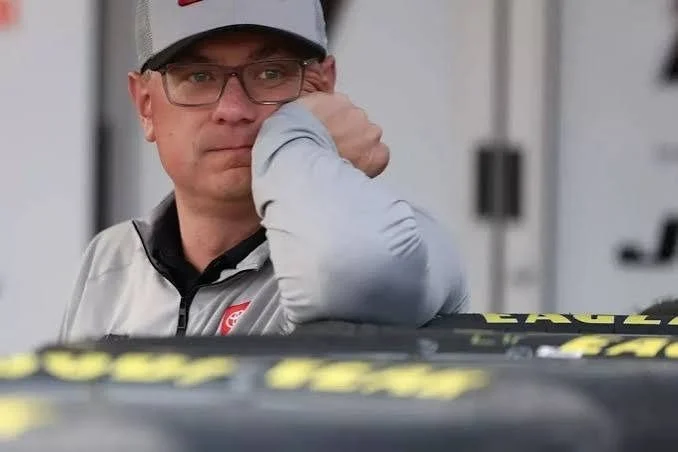
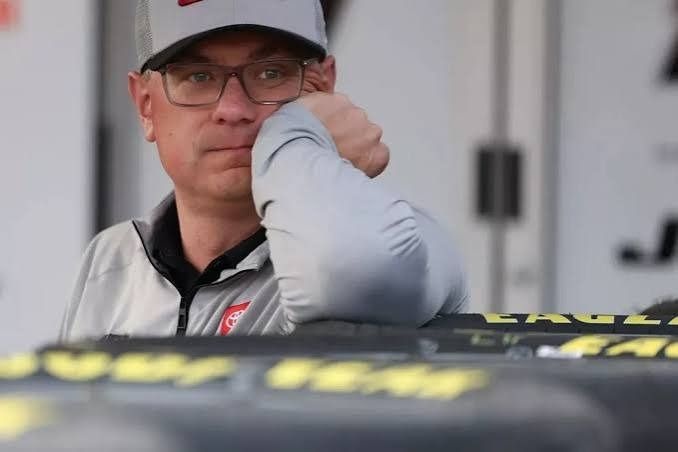
CHARLOTTE, N.C. — The high-stakes legal warfare between NASCAR powerhouse Joe Gibbs Racing (JGR) and rival organization Spire Motorsports has escalated significantly. At the center of the dispute is a series of deleted text messages belonging to Chris Gabehart, the former JGR executive whose high-profile defection to Spire has triggered a multi-faceted lawsuit alleging intellectual property theft and breach of contract.
In recent court filings submitted to the U.S. District Court for the Western District of North Carolina, JGR’s legal team has doubled down on its push for a severe pre-trial penalty: an "adverse inference" instruction. If granted by the court, the trial judge would instruct the February jury that they are legally permitted to assume Gabehart deleted the digital correspondence because the contents were damaging to the defendants.
As the February 1 trial date rapidly approaches, the outcome of this evidentiary battle could fundamentally alter the trajectory of the case, casting a long shadow over both Gabehart and Spire Motorsports as they prepare to defend themselves in federal court.
Main Facts of the Case
The core of the legal dispute revolves around Chris Gabehart’s transition from Joe Gibbs Racing to Spire Motorsports, where he was named Chief Motorsports Officer before the situation boiled over into litigation. JGR alleges that prior to finalizing his departure, Gabehart illicitly downloaded, photographed, and synced proprietary JGR setup sheets, competition notes, and trade secrets to his personal devices, later placing them into a folder explicitly labeled "Spire."
The friction worsened significantly when it was revealed that Gabehart intentionally deleted a critical seven-message text thread with Spire co-owner Jeff Dickerson. The deletion occurred on November 15, right around the time the contours of Gabehart’s job offer were being hammered out. While Dickerson’s text messages were reportedly set to a 30-day auto-delete function, Gabehart has openly admitted to manually purging the specific thread with Dickerson.
JGR argues that these deleted communications are not peripheral chatter; they represent the missing link between the theft of intellectual property and Gabehart’s subsequent employment with a direct competitor. Because the messages cannot be recovered through forensic means, JGR asserts that it has been severely prejudiced in its ability to prove trade secret misappropriation, making an adverse inference instruction the only fair remedy.
Chronology of Events
To understand how a routine personnel shift spiraled into a federal intellectual property lawsuit, the timeline of events leading up to the current legal motions paints a clear picture of escalating distrust:
November 6: Gabehart formally asserts the contractual rights of a one-week non-compete and seeks a $100,000 separation payout from JGR, signaling his intention to leave the organization.
November 7: Gabehart admits to taking photographs of proprietary JGR information, an act JGR contends was a knowing and intentional breach of confidentiality.
November 15: Gabehart deletes a seven-message text thread with Spire co-owner Jeff Dickerson. Gabehart later claims he did this out of "panic" regarding the job offer framework, prior to finalizing a formal separation agreement with JGR.
December 15: JGR sends a formal letter to Gabehart including a strict legal preservation demand for all related documents and communications.
December 16: Just one day after receiving the preservation demand, forensic analysis indicates Gabehart deletes additional "Spire" and "Spire offer" notes from his phone, while selectively preserving entirely personal notes such as "Papaw Grocery" and "Grandparents Stuff."
January 2026: Pre-litigation forensic imaging of Gabehart’s devices reveals deleted files, a "Matt" agenda file referencing Spire competition director Matt McCall (including prompts like "[l]ow hanging fruit — Download information"), and post-race audit documents left in a Spire computer’s recycle bin.
Present Day: Legal motions and counter-arguments fly in the Western District of North Carolina as Judge Rodriguez prepares to rule on pre-trial motions, including the pivotal adverse inference request, ahead of the February 1 trial.
Supporting Data and Forensic Evidence
Joe Gibbs Racing’s legal arguments rely heavily on a paper trail—and the deliberate absence of one. JGR’s recent filings meticulously outline a pattern of behavior that they argue stretches far beyond a single moment of panic.
JGR points out that Gabehart was intimately familiar with how his employer handles intellectual property theft. Earlier, JGR successfully pursued legal action against former engineer Jeff Curtis, who departed for Richard Childress Racing (RCR) carrying competition notes that JGR claims were instrumental in Austin Dillon’s consecutive Richmond race victories across the 2024 and 2025 seasons.
Because Gabehart had a front-row seat to JGR’s aggressive litigation strategy against Curtis, JGR argues he objectively knew or should have known that his own actions—taking photographs of confidential setups on November 7 and immediately aligning with a rival team—would spark identical legal consequences.
Furthermore, JGR counters expert conclusions submitted by the defense, which claim the deleted text messages contained "just words" rather than raw computer files. JGR maintains that even without file attachments, discussions detailing how Spire could utilize stolen setups and philosophies are inherently valuable.
The digital footprint uncovered by forensic investigators further undermines the defense’s "isolated panic" narrative. Beyond the deleted Dickerson text thread, investigators found that Gabehart systematically scrubbed Spire-related notes from his mobile device a mere 24 hours after receiving JGR’s December 15 preservation demand, all while leaving benign personal reminders untouched. An audit document found in a Spire computer’s recycle bin adds weight to JGR’s claims of institutional coordination.
Official Responses and Arguments
The legal teams for JGR, Spire Motorsports, and Chris Gabehart have locked horns over the interpretation of these digital deletions and whether a jury should be allowed to draw negative conclusions from them.
Joe Gibbs Racing’s Perspective
JGR’s legal counsel argues that Gabehart’s attempt to claim he had no reason to anticipate litigation on November 15 is entirely disingenuous.
"A litigant who builds his counterclaims on the contractual rights he supposedly asserted on November 6 cannot pretend that, on November 15, he had no reason to anticipate a dispute over those very rights," JGR stated in a recent filing.
JGR further dismisses Gabehart’s complaints that an adverse inference instruction would unfairly "brand" him as a spoliator before the trial begins, noting that Fourth Circuit courts routinely evaluate and decide such motions long before the jury is seated.
Spire Motorsports and Chris Gabehart’s Defense
Spire and Gabehart have fiercely resisted JGR’s premise, arguing that granting an adverse inference instruction would effectively poison the well, effectively forcing the jury to conclude the defendants are guilty of theft before all the evidence is even presented.
Spire’s legal representation has emphasized that while Gabehart admitted to deleting the texts, the harsh penalty requested by JGR threatens to "spoil" the jury’s perception of Spire Motorsports as an organization. They argue that punishing the defendants in such a manner steps outside the bounds of fair trial practice, maintaining that Spire should be permitted to mount a full defense without the court putting its thumb on the evidentiary scale.
Broader Implications for the NASCAR Industry
As Judge Rodriguez weighs the arguments ahead of the February 1 trial, the implications of this case extend far beyond the courtroom walls, threatening to send shockwaves through the entire NASCAR Cup Series garage.
Stricter Digital Hygiene and Compliance: NASCAR teams operate in an ultra-competitive environment where setup sheets, simulation data, and race strategies represent millions of dollars in research and development. The outcome of this case will likely prompt race teams across all national touring series to tighten internal data security, non-disclosure agreements, and employee offboarding protocols.
The Precedent of "Spoliation": How the Western District of North Carolina rules on the adverse inference motion will set a notable legal precedent regarding digital record retention and the destruction of text messages during high-stakes corporate disputes. Executives and high-ranking personnel moving between teams will face heightened scrutiny regarding their personal device usage and communication habits.
Impact on Spire Motorsports: For Spire Motorsports—an organization that has invested heavily in scaling its operations and competitiveness—having a high-ranking official like Gabehart embroiled in allegations of trade secret misappropriation creates a severe distraction. The potential fallout could impact Spire’s engineering pipelines, partnerships, and overall organizational stability as the 2026 racing season approaches.
All eyes are now fixed on the federal bench as Judge Rodriguez prepares to deliver rulings on pre-trial motions. Whether the jury will be instructed to look unfavorably upon Gabehart’s vanished texts remains to be seen, but one reality is certain: the garage has officially entered a new, highly litigious era where off-track data security is just as fiercely contested as track position on Sunday afternoon.
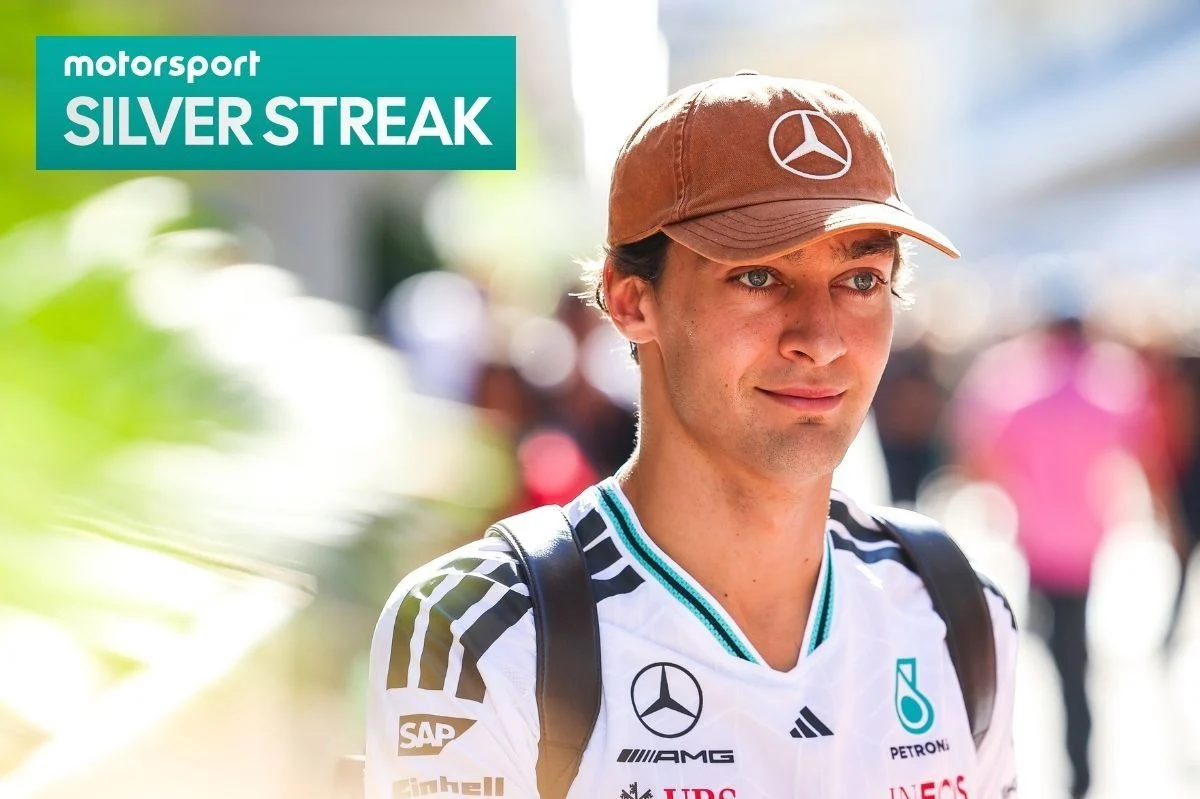
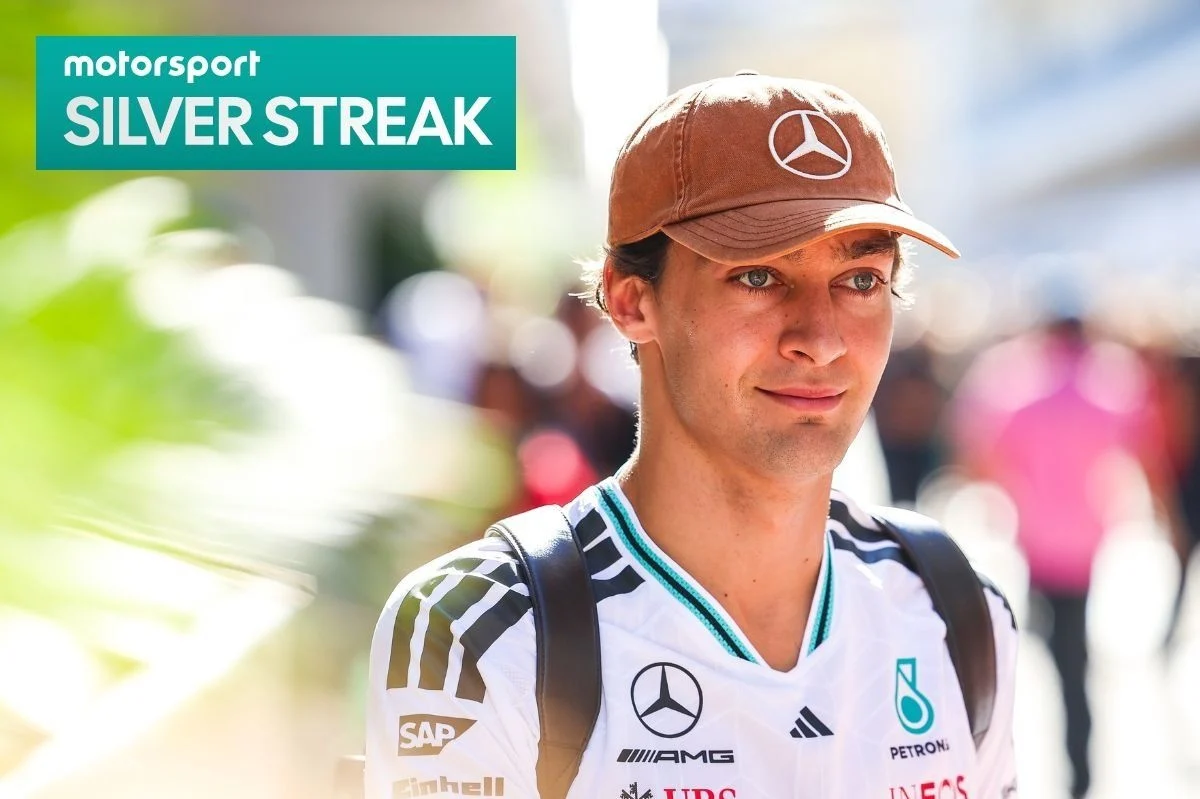
Is Time Running Out for George Russell at Mercedes? Guenther Steiner Issues Stark F1 Warning
By Motorsport.com Staff Main Facts: The Pressure Mounts at Brackley As the Formula 1 circus descends upon the Autódromo Hermanos Rodríguez for the Mexican Grand Prix, the internal dynamic at…
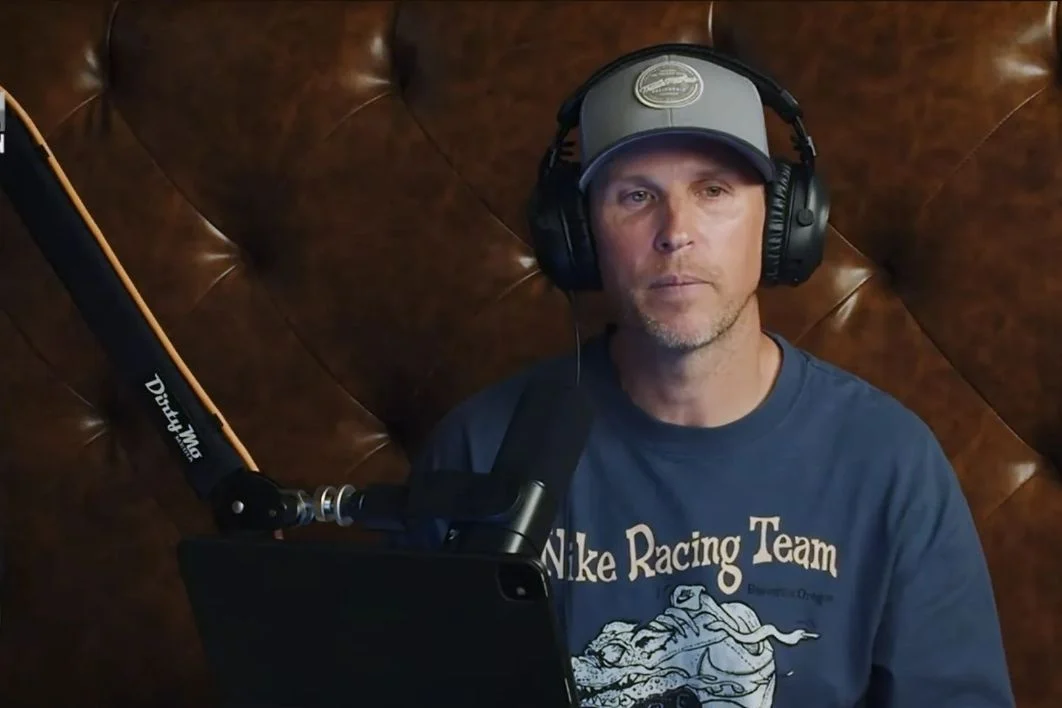
Another Championship Slips Away: Denny Hamlin Reflects on Resilience, Regrets, and NASCAR’s High-Stakes Chase Format
As the sun sets on another grueling NASCAR Cup Series season, veteran driver Denny Hamlin finds himself grappling with a familiar, painful narrative. Despite entering the postseason as the championship…

 Nila Kartika Wati



 Laily UPN
 Ali Ikhwan
 Jia Lissa

 Lina Hope
 Raul Delapena Setiawan
 Neng Nana