
 Nana Wu
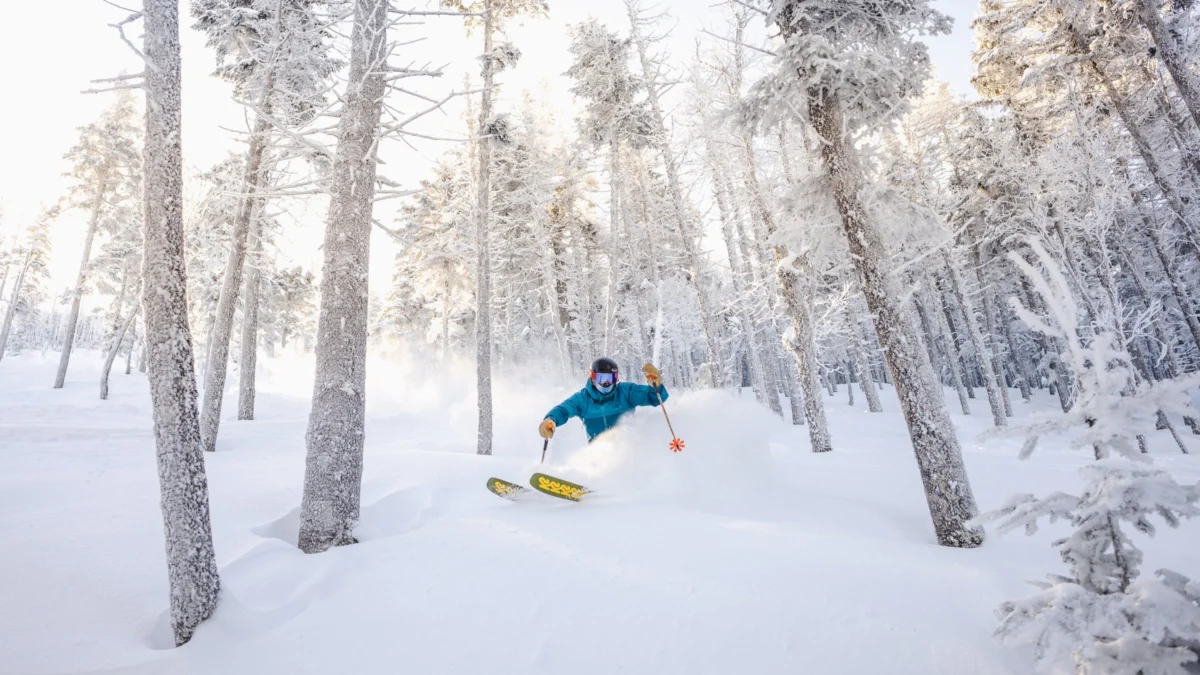
When planning a winter getaway, skiers and snowboarders often fixate on snowfall totals, lodging amenities, or proximity to major metropolitan areas. However, seasoned travelers know that a resort’s true litmus test lies in its terrain variety. When a group comprises a patchwork of abilities—ranging from hard-charging experts seeking cliff drops to novices still struggling to buckle their ski boots—a mountain’s layout can either harmonize or fracture the vacation. It dictates whether families and friends can ride the lifts together or are forced to splinter off, only meeting up over a hurried midday lunch.
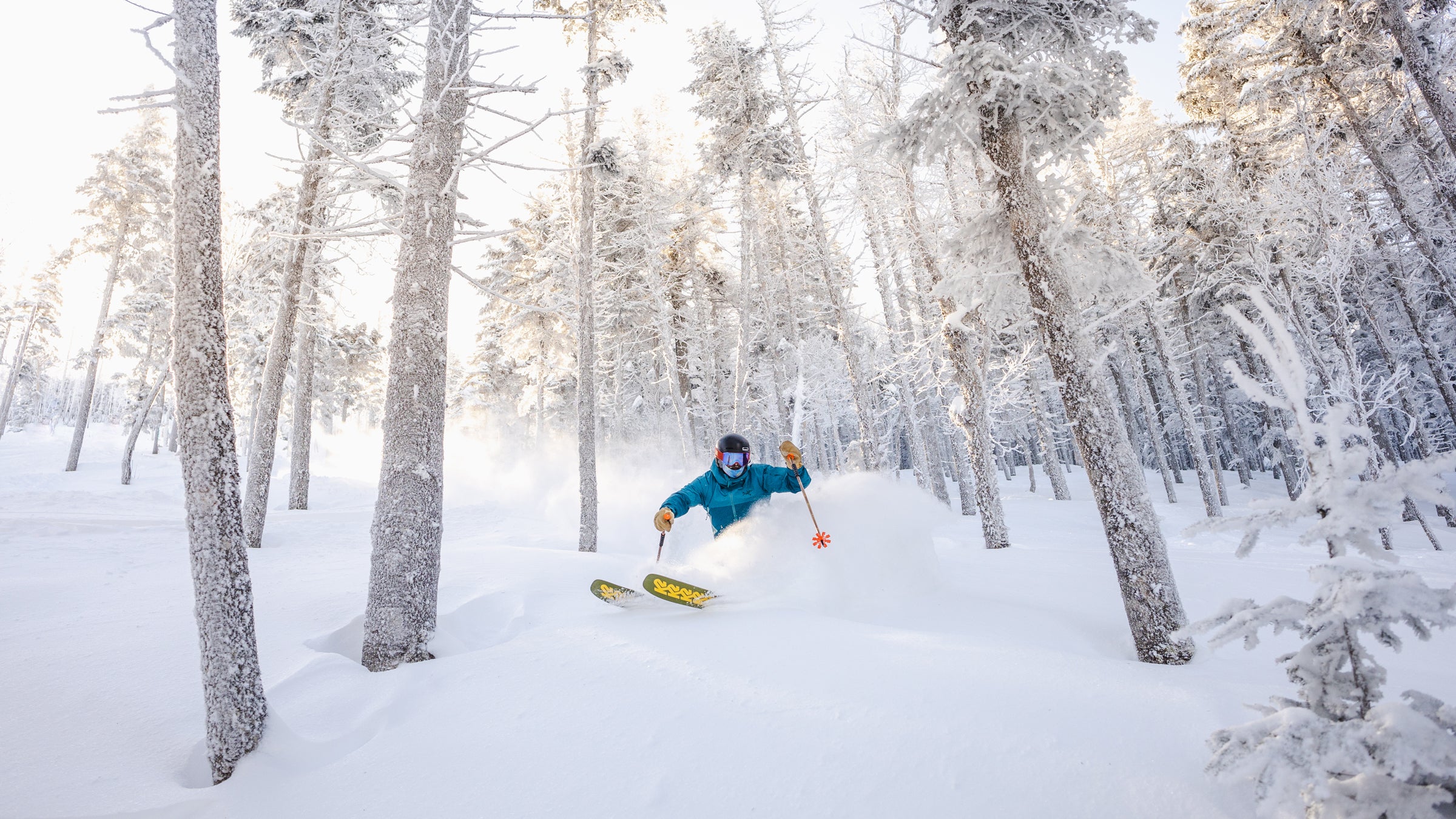
To help winter enthusiasts navigate these choices, SKI magazine has released its reader-voted rankings for the Top 10 Resorts in the East for Terrain Variety as part of its Resort Guide. Spanning Vermont, New Hampshire, and Maine, these properties offer something for everyone, backed by real-world feedback from skiers who have tested their limits on Eastern ice, slush, and legendary glades.
Main Facts: What Makes Eastern Terrain Variety Unique?
Eastern skiing often carries an outdated reputation for being uniformly icy or lacking the vast alpine expanses found out West. Yet, the findings from SKI’s latest reader survey shatter that misconception. The top-ranked Eastern resorts prove that complex geography, historic trail-cutting techniques, and aggressive snowmaking can combine to create deeply diverse mountain portfolios.
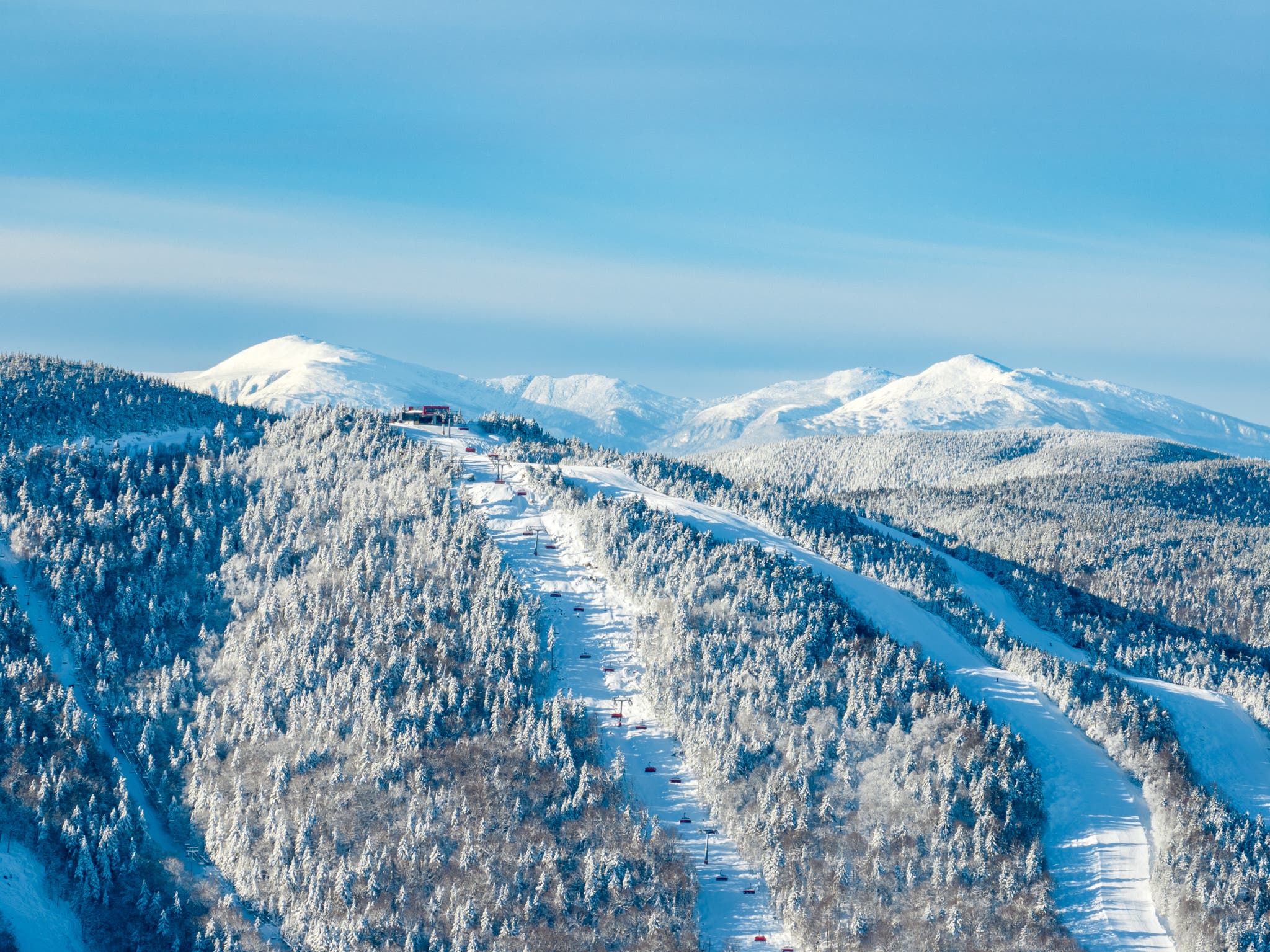
The rankings reveal several key takeaways:
- Vermont Dominance: The Green Mountain State commands the majority of the list, securing six of the top ten spots, including the coveted No. 1 position.
- Maine’s Rising Stock: Maine is well represented with strong contenders like Sunday River, Sugarloaf, and Saddleback Mountain, the latter of which breaks into the top three.
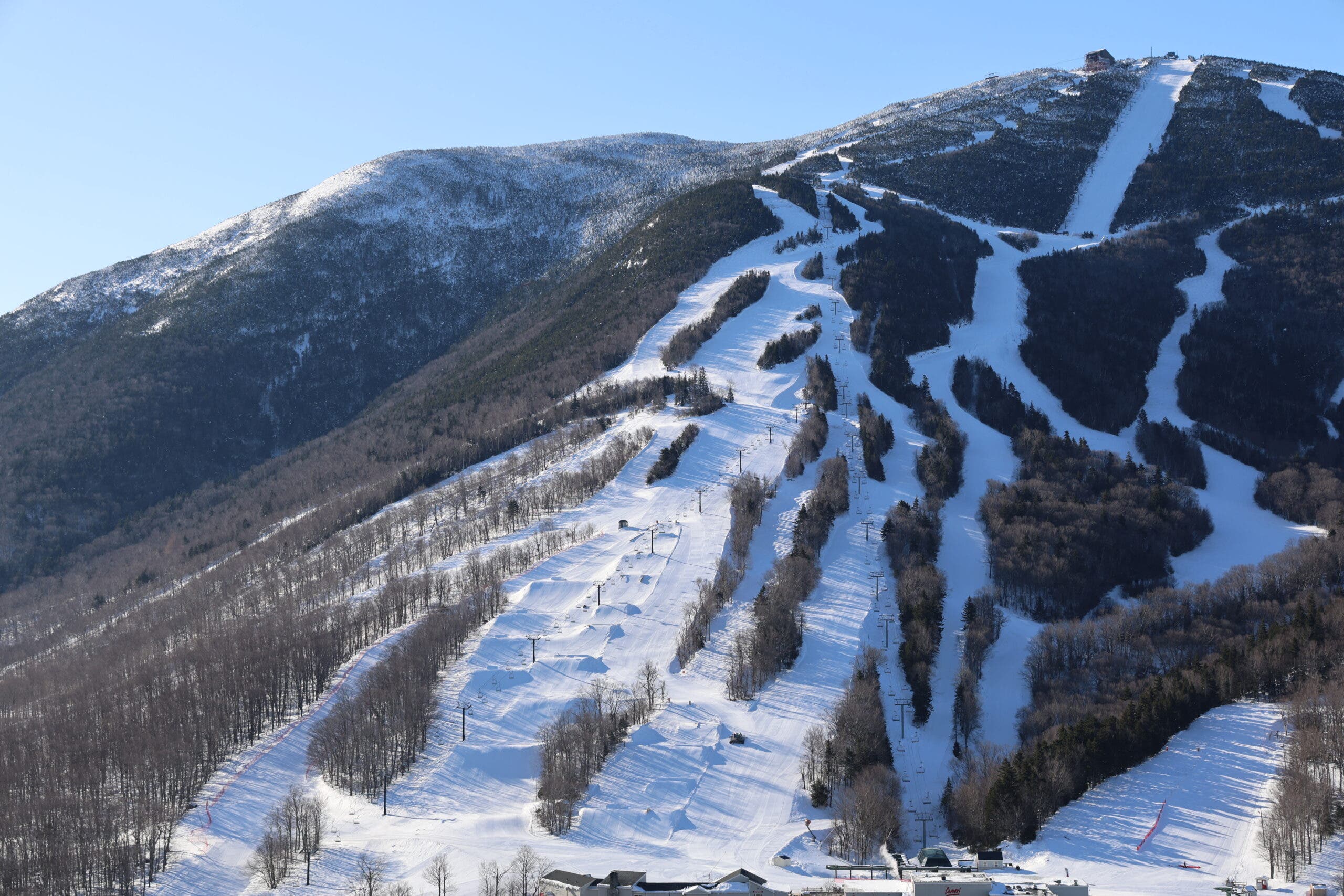
- The New Hampshire Contender: Cannon Mountain represents the Granite State, earning high marks for its classic, challenging terrain and scenic vistas.
- The Trade-off: Resorts excelling in terrain variety often face specific operational bottlenecks, such as aging infrastructure, limited parking, or expensive lodging, forcing skiers to weigh raw skiing quality against resort-wide convenience.
Chronology: The Evolution of Eastern Resort Rankings
The evaluation of ski resorts has undergone a significant shift over the past decade. Historically, marketing budgets and mega-pass affiliations heavily influenced consumer perception. However, the post-pandemic travel boom, coupled with widespread adoption of multi-resort passes like the Indy and Epic passes, has democratized consumer feedback.
- Late 2010s: Independent resorts and co-ops began gaining renewed appreciation as skiers sought authentic, uncrowded mountain experiences away from corporate mega-resorts.
- The 2020s Revival: Significant capital investments breathed new life into long-dormant properties. Notably, the reopening of Maine’s Saddleback Mountain a few years ago fundamentally altered the competitive landscape of Northern New England skiing.
- November 11, 2026: SKI magazine officially published its comprehensive reader rankings for the 2027 season, highlighting terrain variety as a critical metric for group and family cohesion.
Supporting Data: The Top 10 Breakdown
Here is how readers scored the top ten Eastern resorts for terrain variety, including their standout strengths and acknowledged weaknesses.
10. Stowe Mountain Resort, Vermont
- Score: 8.45
- Strengths: Lodging, Nightlife
- Weaknesses: Parking, Value
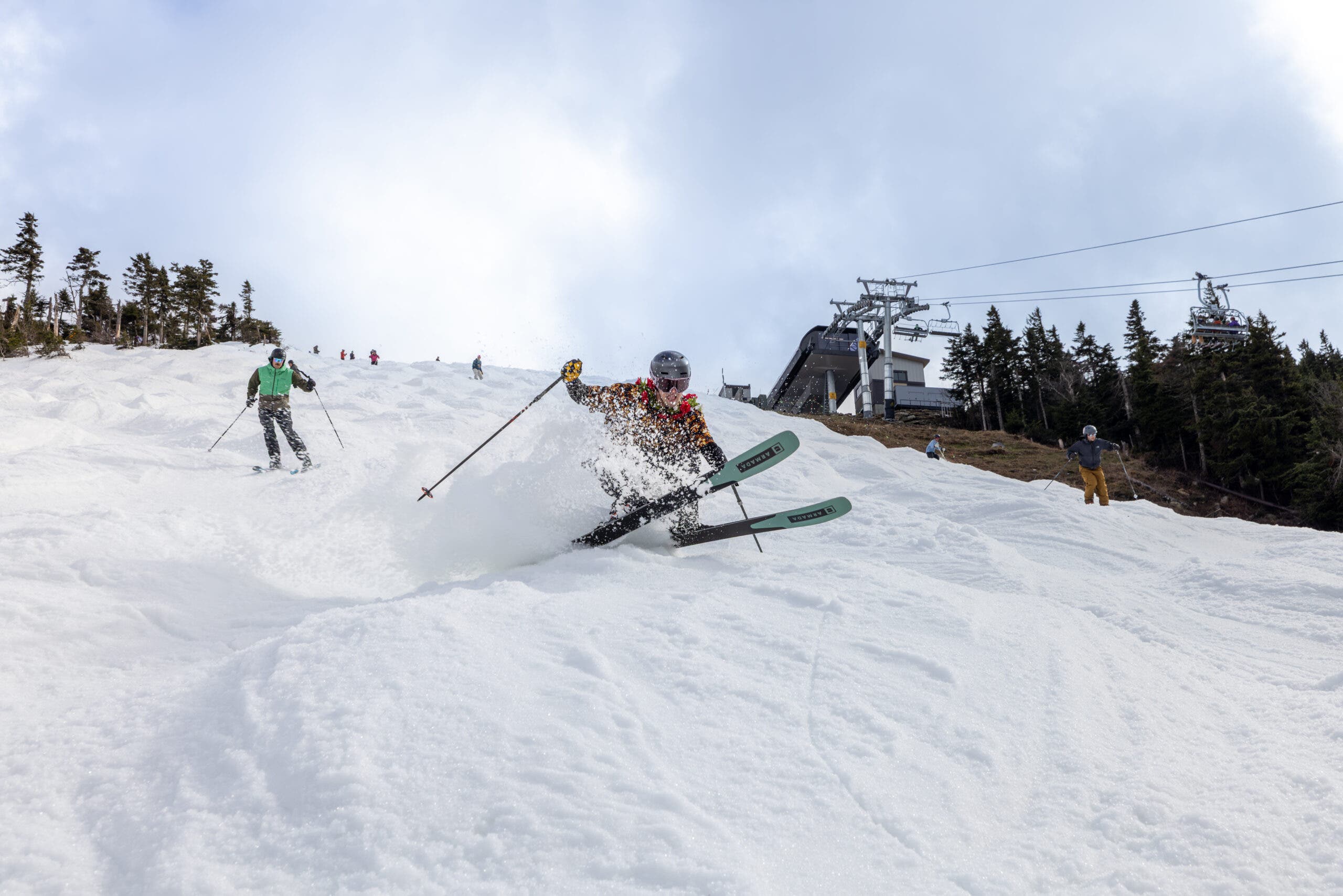
- The Vibe: Long celebrated for its topnotch grooming and exceptional service, Stowe remains a premier destination. “Families will find plenty to like if they have the budget for it, and adventure seekers will never run out of terrain to explore if they know where to look,” noted one reader. While accessible from Burlington, visitors frequently cite high costs and parking challenges as major hurdles.
9. Sunday River, Maine
- Score: 8.46
- Strengths: Lifts, Grooming
- Weaknesses: Local Flavor, Guest Service
- The Vibe: Spanning eight distinct peaks, Sunday River is a haven for families seeking long, winding trails. Readers frequently praise the slopeside lodging experience: “Waking up, sipping that first cup of coffee, and looking out over the trails” is a recurring highlight for visitors navigating its vast trail network.
8. Cannon Mountain, New Hampshire
- Score: 8.59
- Strengths: Challenge, Value
- Weaknesses: Dining, Nightlife
- The Vibe: Owned by the state of New Hampshire, Cannon offers rugged, old-school New England skiing paired with stunning mountain views. Recent management efforts have addressed minor maintenance issues on lifts and snowmaking pipes. Skiers also praise its inclusivity; one disabled skier noted, “I am a disabled skier, and I’m treated very well.”
7. Sugarloaf Mountain, Maine
- Score: 8.40 (Adjusted regional metric) / Score: 8.85
- Strengths: Après, Nightlife
- Weaknesses: Lifts, Access
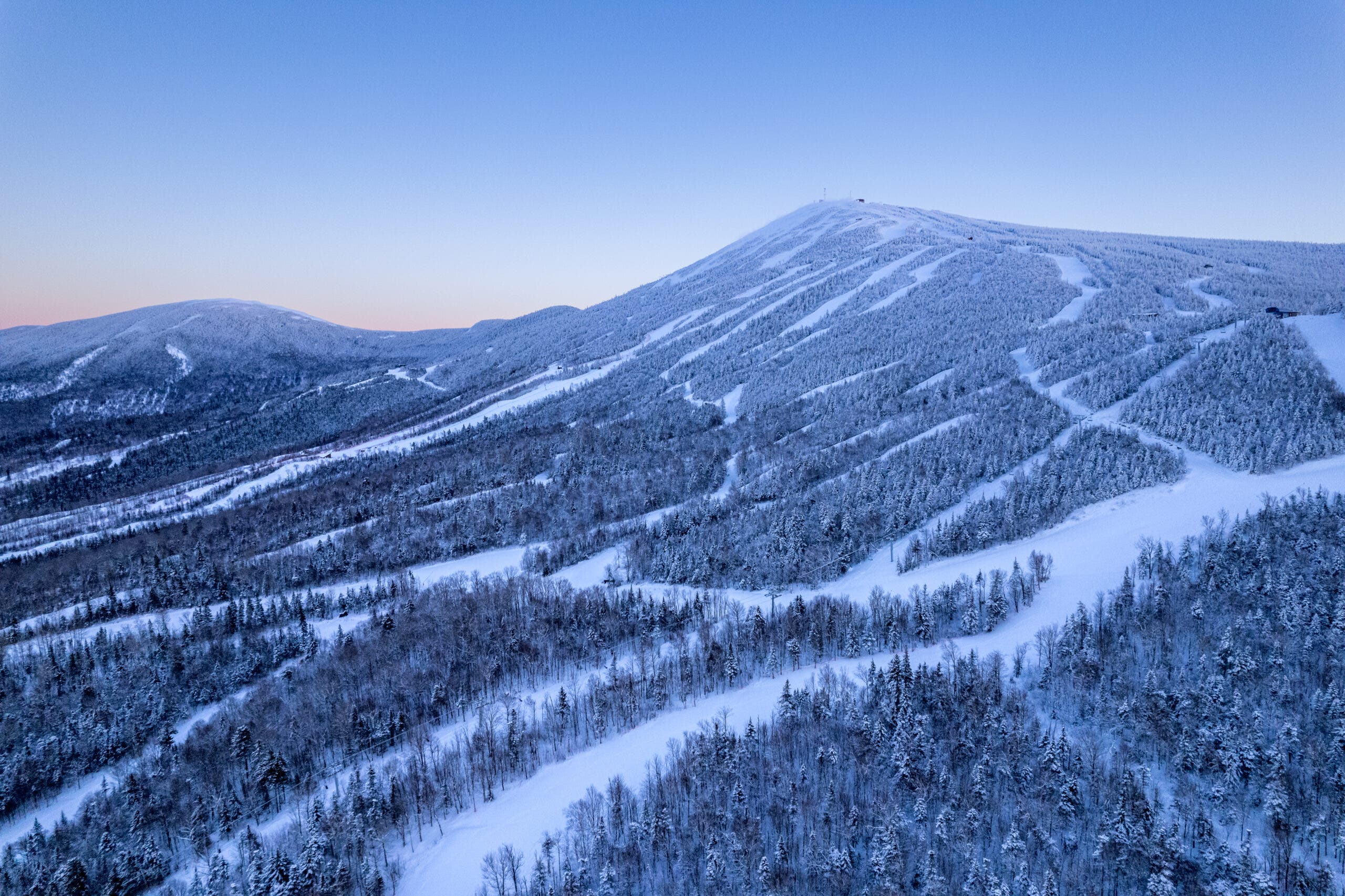
- The Vibe: Sheer size defines Sugarloaf. As the only lift-serviced above-treeline skiing in the East, it offers massive acreage. Readers describe the daytime and après-ski scene as “nuts,” making it a favorite for adults and serious skiers, though some note it offers fewer activities tailored specifically to teenagers.
6. Killington Resort, Vermont
- Score: 8.93
- Strengths: Dining, Nightlife
- Weaknesses: Safety, Parking
- The Vibe: Known as "The Beast of the East," Killington leaves few skiers wanting. Readers lauded the superb natural and groomed snow, efficient lift networks, and the newly laid-out main lodge. “Not a single type of skier or boarder would be lacking what they need at Killington,” summarized one reviewer.
5. Smugglers’ Notch, Vermont
- Score: 9.08
- Strengths: Value, Lodging
- Weaknesses: Lifts, Aprés
- The Vibe: A favorite for families looking for a genuine Vermont experience without the corporate gloss of neighboring Stowe. While its family amenities and tree skiing win high praise, visitors caution that early-season snow reliability can lag due to slower infrastructure investment, and intermediate skiers must transition carefully given the isolation of its green terrain.
4. Jay Peak, Vermont
- Score: 9.09
- Strengths: Snow, Challenge
- Weaknesses: Lifts, Access
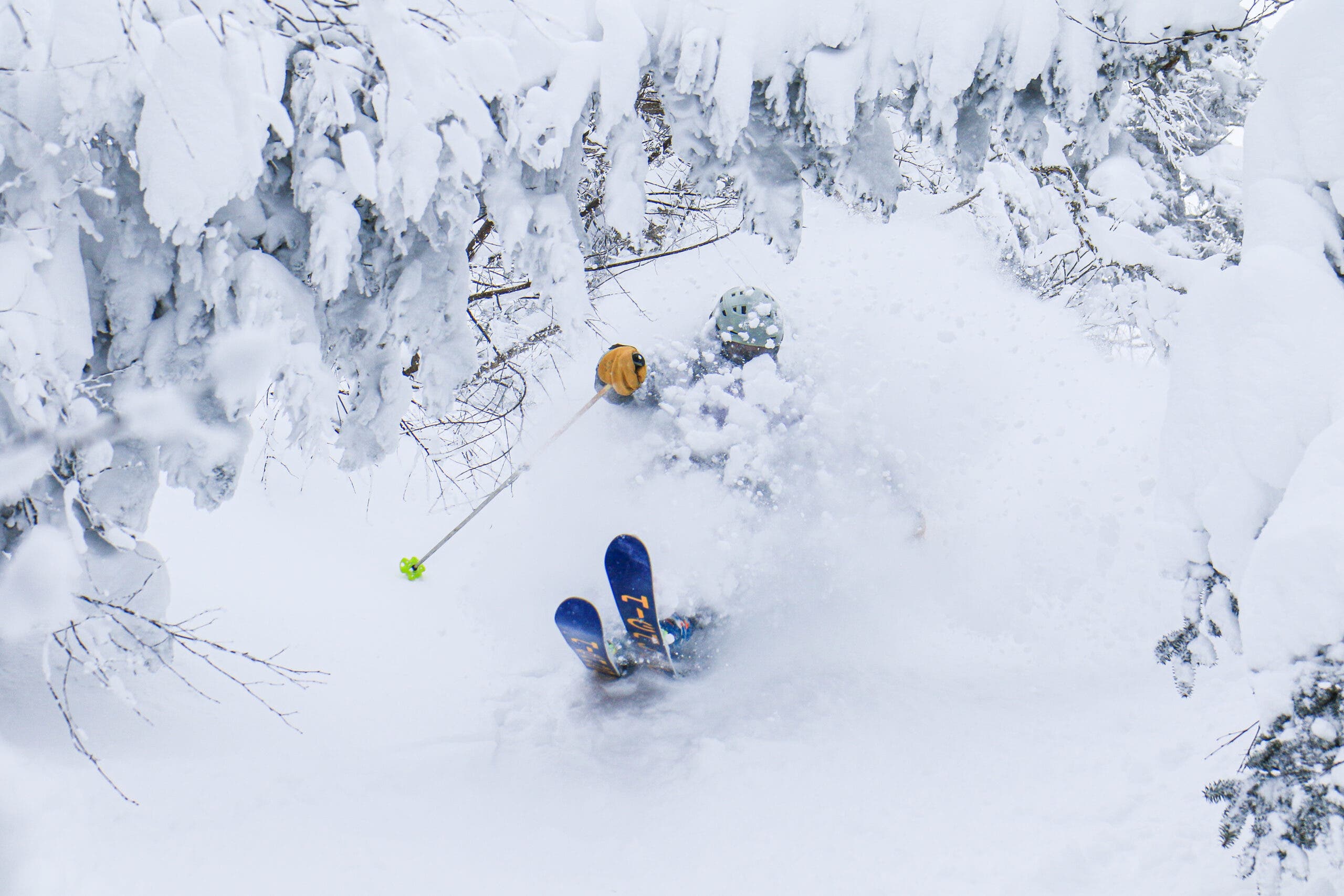
- The Vibe: Jay Peak is widely regarded as the pinnacle of natural snowfall in the East, regularly hauling in foot-deep powder stashes. While the iconic tram and upper lifts can occasionally fall victim to wind holds—requiring some strategic hiking—the reward is untouched powder and some of the finest tree skiing east of the Mississippi.
3. Saddleback Mountain, Maine
- Score: 9.15
- Strengths: Guest Service, Terrain Variety
- Weaknesses: Access, Lodging
- The Vibe: Saddleback’s triumphant return to the Eastern ski scene has raised the bar for customer hospitality. From greeters assisting with equipment drop-offs to short lift lines and pristine snow quality, readers consistently rank it among the most welcoming and well-managed mountains in New England.
2. Magic Mountain Ski Area, Vermont
- Score: 9.26
- Strengths: Local Flavor, Value
- Weaknesses: Lodging, Grooming
- The Vibe: Magic retains a fiercely independent, laid-back charm. By actively limiting daily ticket sales, the resort keeps lift lines remarkably short despite older lift infrastructure. Skiers love its authentic vibe, steep ungroomed trails, and seamless integration with the Indy Pass.
1. Mad River Glen, Vermont
- Score: 9.60
- Strengths: Guest Service, Challenge
- Weaknesses: Nightlife, Lodging
- The Vibe: Claiming the crown for terrain variety is Mad River Glen, a legendary skier-owned co-op. Famous for its single chairlift and the iconic trail mantra "Ski It If You Can," MRG embodies the purest elements of heritage skiing. “This is the place where I learned to look for the red and green mosses on rocks,” one reader reminisced. “It is a joy; it is what skiing once was and could be.”
Official Responses and Industry Reactions
Resort leadership across the East has responded enthusiastically to the publication of the 2027 rankings, viewing them as both an endorsement of current capital projects and a roadmap for future improvements.
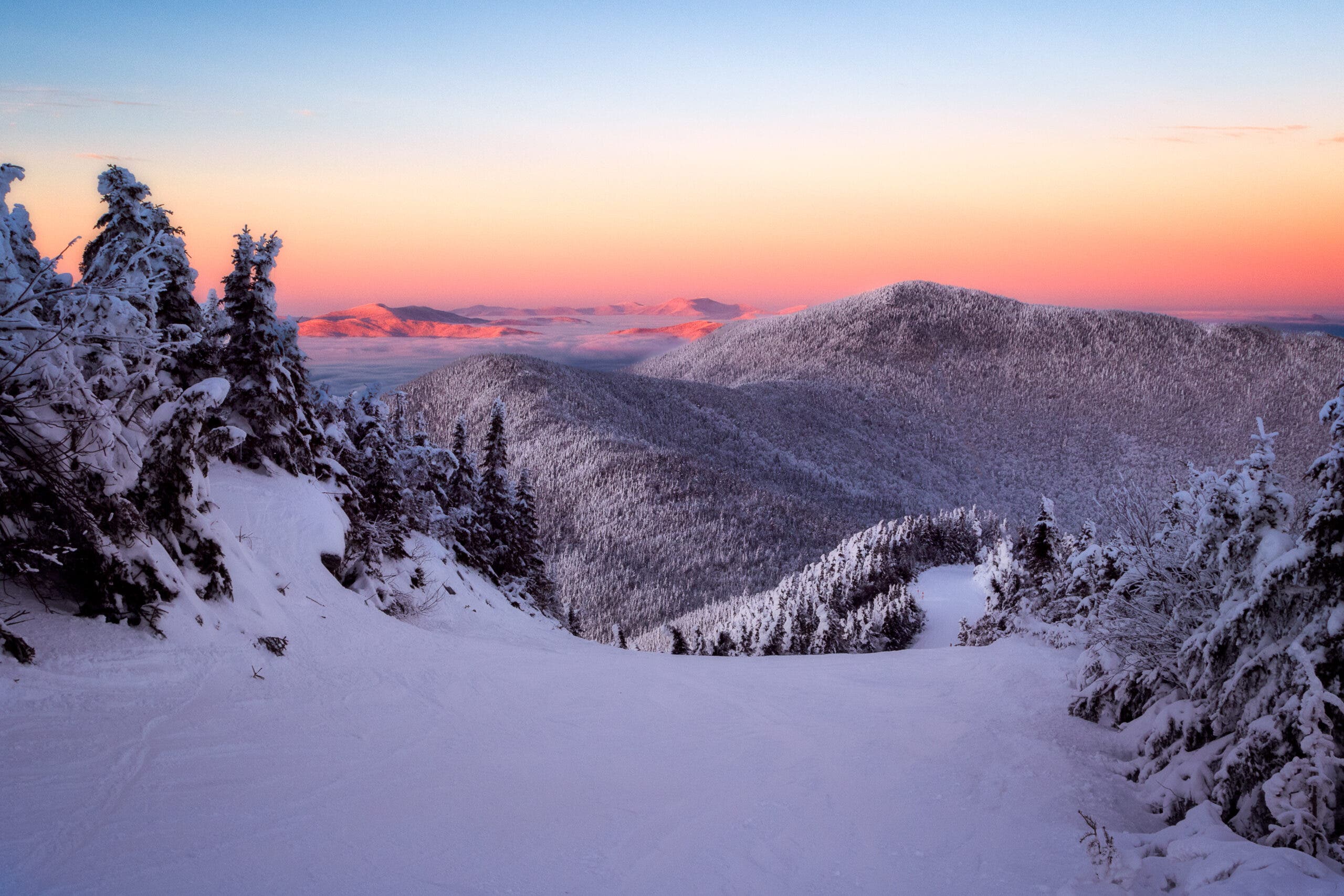
Representatives from newly revitalized properties, such as Saddleback and Magic Mountain, emphasized that their focus on guest caps and customer-centric hospitality is paying dividends against larger, corporate-owned competitors. Meanwhile, management teams at historic mountains like Cannon Mountain pointed to recent investments in snowmaking infrastructure and terminal maintenance as vital steps toward silencing historic criticisms regarding aging facilities.
Industry analysts note that these rankings validate a broader trend in winter sports: skiers are increasingly prioritizing terrain authenticity and community feel over high-speed luxury gondolas and sprawling commercial villages.
Implications for Travelers and the Future of Eastern Skiing
The insights drawn from SKI magazine’s 2027 Resort Guide carry profound implications for winter travelers planning trips in the coming seasons.
- Strategic Destination Planning: Groups with diverse skill levels must look beyond marketing glossies. While mega-resorts like Killington and Stowe offer convenience and broad amenities, independent or co-op mountains like Magic Mountain and Mad River Glen offer superior soul and organic challenge—provided travelers are willing to trade away nightlife or modern lift infrastructure.
- The Capacity vs. Comfort Dilemma: As resorts grapple with parking constraints and fluctuating weather patterns, consumer feedback highlights a growing market preference for capacity-capped operations (like Magic and Saddleback) over overcrowded parking lots and endless lift queues.
- The Preservation of Ski Heritage: The dominance of independent and historic New England mountains at the top of the terrain variety list signals a healthy consumer appetite for preservation. Skiers are actively rewarding mountains that maintain natural contours, tight glades, and community-driven atmospheres rather than sanitizing every trail into a homogenized super-highway.
Ultimately, whether you are carving groomers at Sunday River or navigating the legendary steeps of Mad River Glen, the East offers a rich mosaic of terrain that proves you do not need fourteeners to have a world-class skiing experience.


 Iffa Jayyana
 Layla Zulfa

 Raul Delapena Setiawan


 Pevita Pearce

 Muslim

 Neng Nana