
 Nana
Nana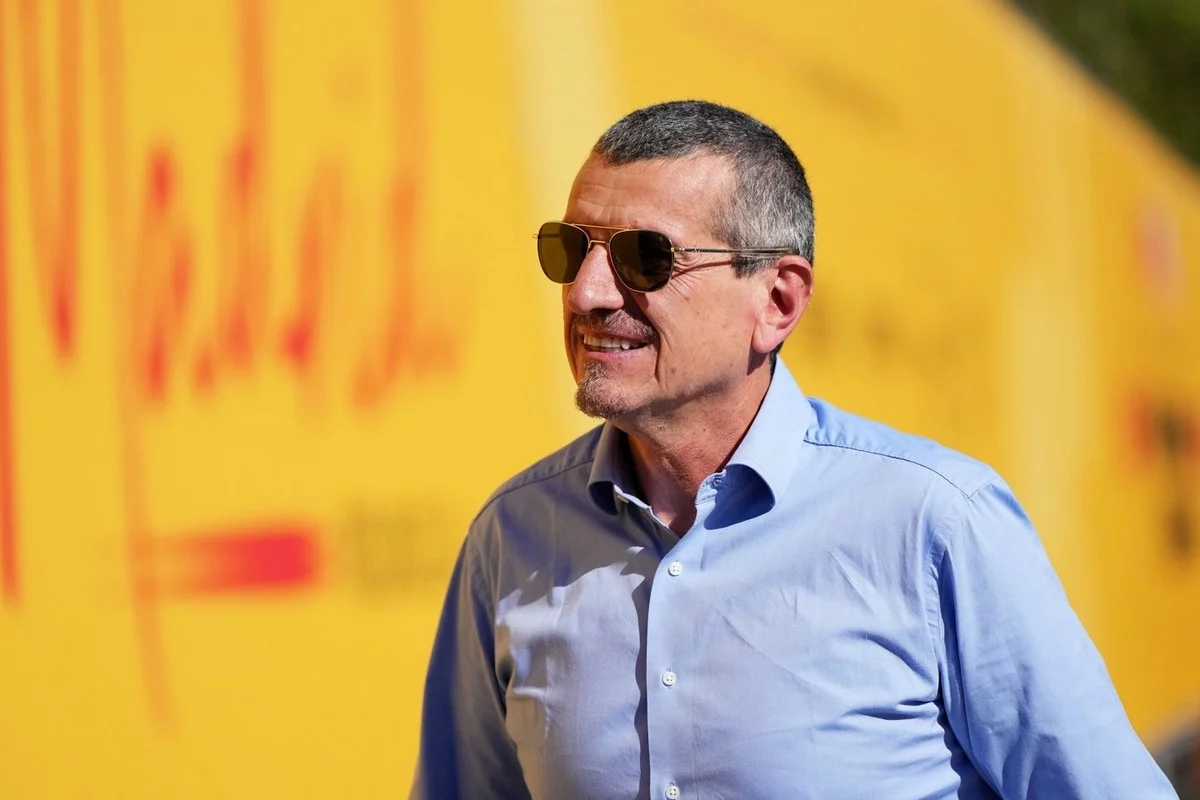
Main Facts
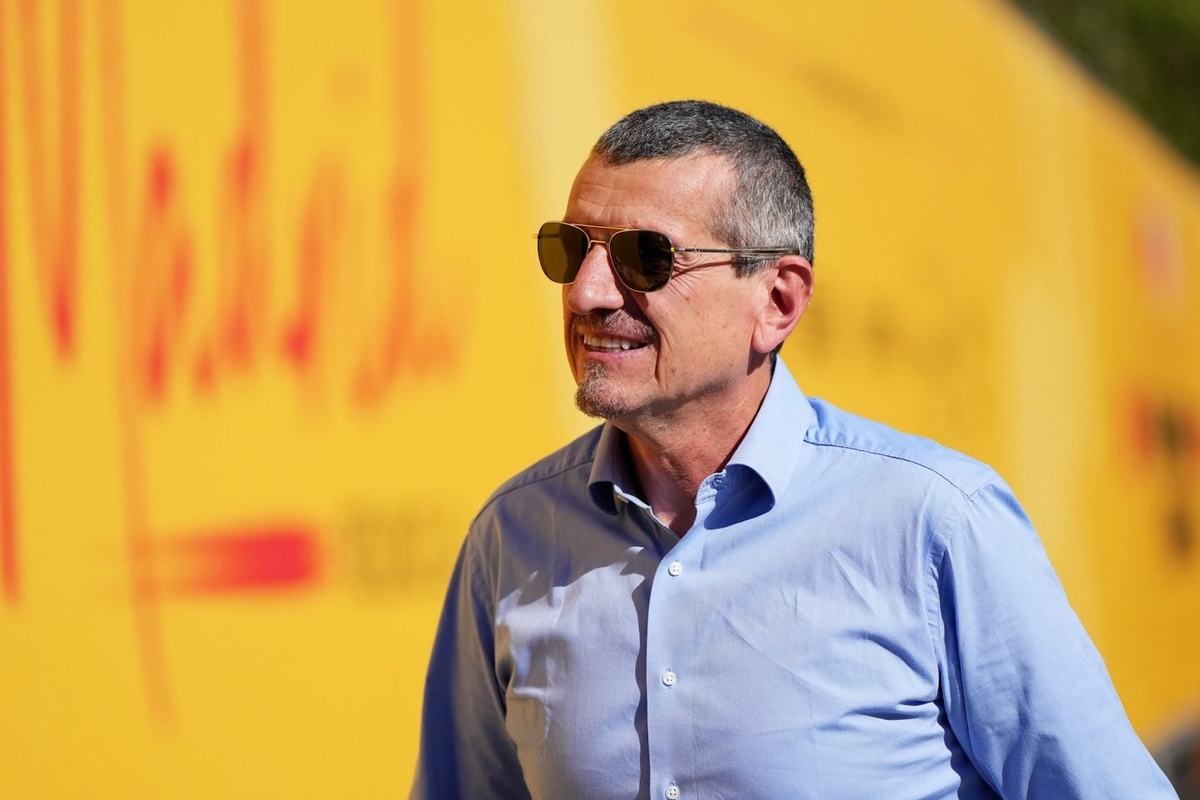
Formula 1’s financial regulations continue to be a primary battleground for the paddock, and the debate surrounding capital expenditure (CapEx) limits has drawn sharp criticism from former Haas team principal Guenther Steiner. Appearing on The Red Flags Podcast, the outspoken Italian executive launched a stinging attack on Williams Racing, dismissing the Grove-based outfit’s ongoing complaints regarding facility limitations as "crocodile tears."
At the heart of the dispute is Williams Team Principal James Vowles, who has repeatedly argued since taking the reins in 2023 that the historic British squad is severely handicapped by outdated infrastructure. Vowles has campaigned vigorously for regulatory changes and allowances outside the standard Formula 1 cost cap to modernise Grove’s facilities and catch up with rival teams.
However, Steiner rejected the narrative that modern financial regulations are to blame for Williams’ performance struggles. Instead, he pointed the finger squarely at historical under-investment by past ownership and questioned the shifting recovery timelines presented by Vowles. Steiner argued that teams cannot bypass responsibility for historical neglect by using the current system as a convenient scapegoat, highlighting that solutions—such as seeking special dispensations from the FIA and rival teams—are always available to those willing to negotiate.
Chronology of the Grove Infrastructure Debate
To understand the friction between Vowles’ public appeals and Steiner’s skepticism, it is necessary to examine the timeline of Williams’ modern struggles and structural transition:
- The Post-Frank Williams Era (2020–2022): Following decades of family ownership, the Williams family sold the team to US-based investment firm Dorilton Capital in the summer of 2020. The new ownership inherited a facility in Grove that had suffered from years of under-funding due to tight financial straits in the twilight years of the family-run era. While emergency stabilization measures were taken, major capital upgrades to foundational infrastructure—such as manufacturing equipment, software systems, and operational workflows—lagged behind front-running operations.
- James Vowles Takes Command (January 2023): Former Mercedes motorsport strategy director James Vowles assumed the role of team principal at Williams. Almost immediately, Vowles provided stark and transparent assessments of the team’s internal deficiencies, famously revealing that outdated software systems (such as tracking parts on sprawling Excel spreadsheets) were severely limiting efficiency. Vowles began lobbying the F1 Commission and the FIA for specific allowances to permit CapEx spending outside the standard cost cap.
- The 2024 Strategic Shift: As Williams pushed to develop its car concepts, Vowles pointed out that physical limitations at Grove—including outdated machinery and manufacturing bottlenecks—restricted their ability to concurrently develop the current car while preparing for the sweeping 2026 technical regulations. Vowles frequently noted that the team’s recovery timeline would take years, often pointing to 2026 as a crucial turning point.
- The Present Controversy (Late 2024/2025): Steiner’s recent podcast appearance brought these grievances back into sharp focus. By calling out Vowles for continually moving the timeline of the team’s recovery and questioning whether Williams had historically spent up to the budget cap limits, Steiner reignited a debate over whether regulatory hurdles or internal mismanagement are truly responsible for the team’s ninth-place standing in the Constructors’ Championship with 11 points.
Supporting Data and Financial Context in Modern F1
The implementation of the cost cap ahead of the 2021 season was designed to level the playing field by limiting operational expenditures (OpEx) for all teams. However, it inadvertently created a secondary challenge: teams with historically modern facilities (such as Red Bull, Mercedes, and Ferrari) could maintain peak efficiency, while legacy teams with aging infrastructure (like Williams) were legally restricted from spending the massive capital sums required to upgrade their factories.
To understand Steiner’s argument, one must analyze the dual mechanisms of the financial regulations:
- Operational Cost Cap vs. Capital Expenditure (CapEx): While day-to-day running costs, research and development, and trackside operations are tightly restricted under the core cost cap, CapEx limits were introduced separately to curb infrastructure-building wars.
- The Dispensation Precedent: Steiner noted that the regulations are not entirely inflexible. He pointed to Aston Martin’s major factory and wind tunnel expansion project under Lawrence Stroll as proof that teams can negotiate successfully with the FIA and rival squads. When Aston Martin sought exemptions to build state-of-the-art facilities from the ground up, they navigated the regulatory framework by presenting a clear business case, proving their need, and securing the necessary approvals.
- The Question of Historical Spending: Steiner’s primary critique hinges on whether Williams possessed the financial backing to maximize its spending power in the years prior to Vowles’ arrival. If Dorilton Capital or previous owners chose not to spend up to the allowable limits when permitted, Steiner argues it is disingenuous to blame the system now that stricter limits are in place.
Current Constructor Standings Context: Williams currently occupies ninth place in the Constructors’ Championship, holding 11 points. The fierce midfield battle—featuring teams like Visa Cash App RB, Haas, and Alpine—highlights how thin the margins are, making every operational inefficiency costly.
Official Responses and Stakeholder Perspectives
The debate over CapEx allowances has divided the Formula 1 paddock into distinct camps. While team principals like Vowles argue for equity, others share Steiner’s view that operational shortcomings cannot always be masked by regulatory complaints.
James Vowles and Williams Racing
Vowles has consistently defended his public transparency regarding Williams’ deficiencies. Rather than making excuses, Vowles has framed his admissions as a necessary first step toward cultural and structural transformation. In previous media addresses, the Williams boss emphasized that the team’s historical lack of investment was an undeniable reality of the past, but the current financial regulations make it exceptionally difficult for a struggling team to catch up organically without special dispensation.
Vowles has argued that a healthy Formula 1 grid requires all competitors to have a baseline level of modern infrastructure, suggesting that freezing teams in a state of perpetual technological disadvantage works against the sport’s long-term competitive health.
Guenther Steiner’s Critique
Steiner, speaking from his extensive experience turning around operations at Haas under strict budgetary constraints, took a much harsher stance. He noted on The Red Flags Podcast:
*"Some of them made mistakes not to invest in the team. It’s bull*** saying, ‘Oh, we cannot win races because we don’t have 75 five-axis machines. We have only 65… Williams, in my opinion, they’ve been saying the same thing for five years. And I would like to go through their budget cap numbers. Have they always spent to the maximum? If, in five years, you don’t spend to the maximum. Who have you got to blame? Yourself."
Steiner further stressed that leaders must be proactive rather than reactive, noting that waiting years to realize the true extent of infrastructural decay reflects poorly on internal assessment:
"It’s crocodile tears because last year Williams’s prediction was, ‘We focus on ’26, and we will be good.’ But did James not realise last year that he doesn’t have the facility to do it? He had to wait a year to find out that his facility actually was not invested in for five years."
Strategic Implications for the Future of Formula 1
The friction between Steiner’s pragmatic critique and Vowles’ modernization crusade carries significant implications for the future governance of Formula 1:
- Future Financial Regulations (2026 and Beyond): As the FIA and F1 leadership draft the financial and technical frameworks for upcoming seasons, the debate over CapEx allowances will remain central. Teams at the back of the grid will continue to push for relaxation clauses to catch up with top-tier factories, while well-established teams will resist changes that might erode their infrastructural advantages.
- The Pressure on Williams: With high-profile driver signings—such as securing Carlos Sainz alongside Alex Albon for future campaigns—Williams is raising its competitive ambitions. However, as Steiner pointed out, elite drivers and high-tier personnel will ultimately demand tools worthy of their talent. Vowles and the Grove management team will face mounting pressure to translate their long-term recovery plans into tangible track performance, leaving little room for shifting timelines or lingering infrastructural excuses.
- The Culture of Accountability: Steiner’s remarks underscore a broader philosophical divide in modern Formula 1 management: the tension between blaming systemic regulatory frameworks versus accepting accountability for historical execution errors. How Williams navigates this pressure—and whether they can successfully modernize within the strict confines of the sport’s financial rules—will be a defining storyline of the midfield battle in the seasons to come.

 Muslim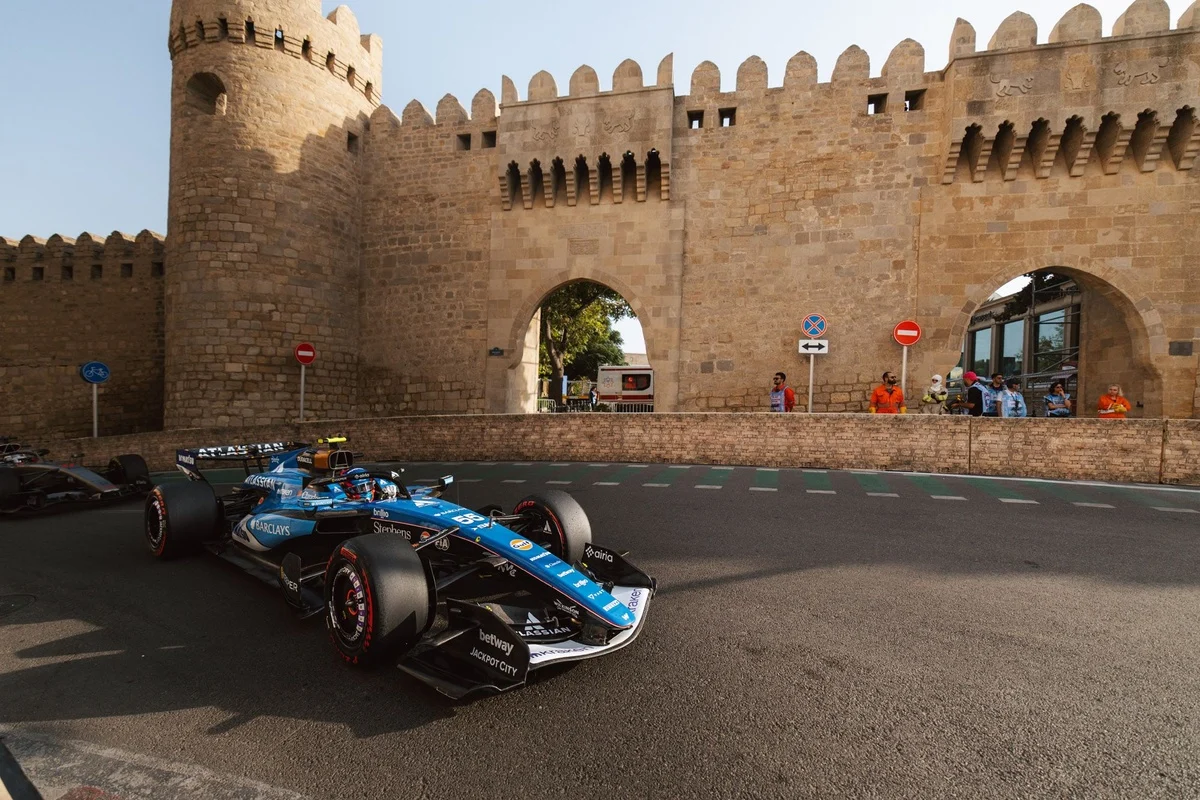
 Nila Kartika Wati
 Neng Nana
 Dwi Wanna
 Lina Hope
 Ali Ikhwan
 Siti Muinah