
 rifanmuazin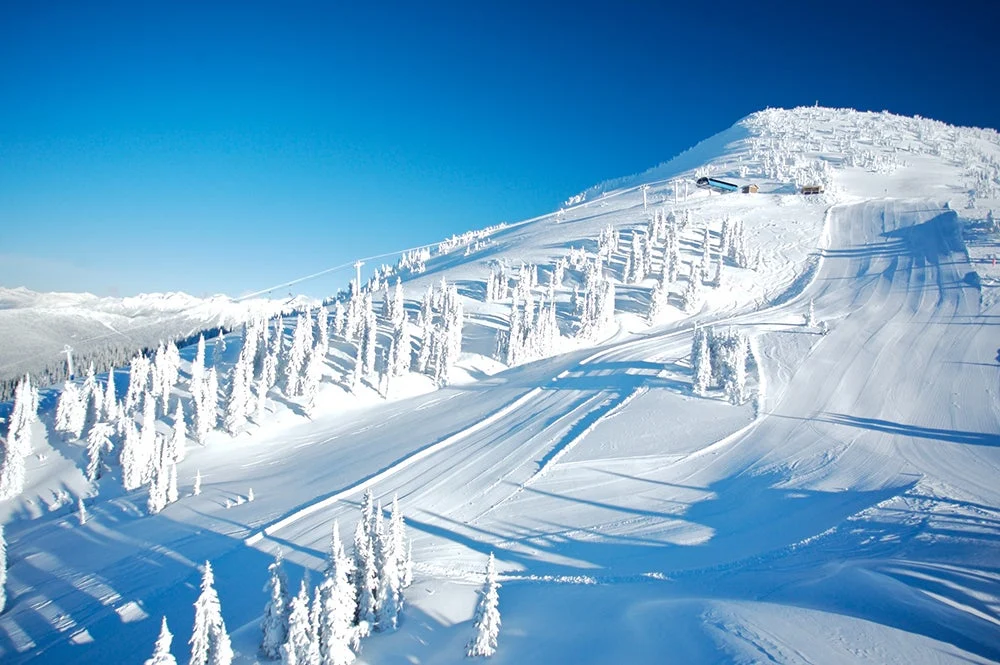
For the dedicated skier, the allure of the "vertical mile" is almost primal. It is the desire to push past the limits of a standard chairlift ride, to forgo the frequent pauses for hot cocoa or social chatter, and to instead commit to a singular, uninterrupted odyssey from the jagged, windswept peaks down to the bustling valley floor. It is a test of endurance, technique, and sheer willpower—a chance to feel the mountain’s full anatomy in one sweeping, continuous motion.
While the world’s most famous off-piste challenges, such as the legendary Vallée Blanche in Chamonix, offer massive vertical drops, they often require expert navigation, glacier safety gear, and local knowledge. This guide focuses on something different: the groomed, in-bound "marathon" runs. These are the singular, named trails that allow a skier to descend thousands of vertical feet in a single, sustained rhythm.
Defining the Odyssey: The Methodology of Measurement
When attempting to rank the longest ski runs on the planet, the discourse often devolves into debate. Resorts are notoriously creative with their marketing, often stitching together three or four different trails to claim a "10-mile descent." To provide an accurate picture, we have established a strict set of criteria for this list.
First, we define a "run" as a single, uninterrupted trail identifier as found on an official piste map. This excludes multi-stage routes like Sölden’s Schwarze Schneid or the famous Panorama in Saas-Fee, which require connecting disparate sections. Second, we focus exclusively on in-bound, patrolled, and groomed terrain. By excluding backcountry routes, we ensure that these experiences are accessible to any intermediate or advanced skier with the physical conditioning to handle the sustained effort.
Chronology of a Descent: The Experience of the Long Run
The psychology of a marathon run is unique. It begins with the anticipation at the summit—a place where the air is thin and the horizon stretches endlessly. As the skier drops into the first pitch, the adrenaline is high. The middle section is often characterized by a "flow state," where the rhythmic nature of turning takes over. However, the true test arrives in the final third.
The physical toll of 5,000-plus feet of vertical descent is cumulative. Quads begin to burn, the lactic acid builds, and focus becomes paramount. The transition from high-alpine ridgelines to the dense, oxygen-rich air of the valley trees marks the final leg, a transition that feels like moving through different climatic zones in a single hour.
The World’s Top Five Marathon Descents
1. The Last Spike: Revelstoke, Canada
Vertical Drop: 5,600 feet | Length: 9.5 miles | Difficulty: Green
Revelstoke Mountain Resort is widely regarded as the "big mountain" capital of North America, famous for its aggressive chutes and bowl skiing. Yet, the resort’s most impressive feat of engineering is a winding, gentle green trail that manages to traverse nearly the entire vertical relief of the mountain.
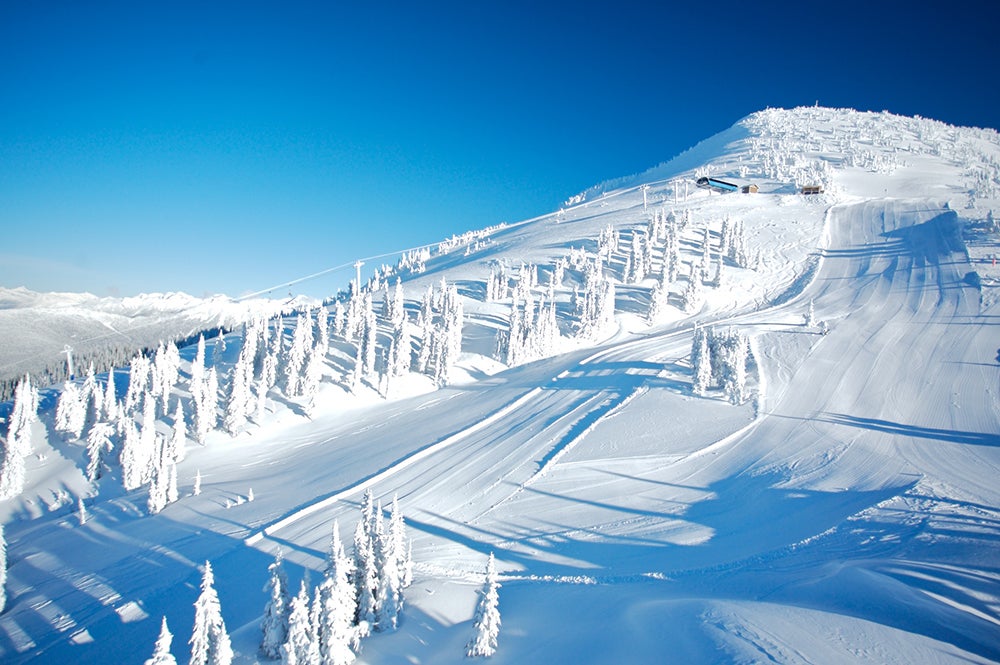
The Last Spike is a masterclass in terrain management. Dropping from approximately 7,280 feet, it snakes its way down to the base at 1,679 feet. While it lacks the steep, heart-pounding gradient of the resort’s famous bowls, it offers a different kind of challenge: the "leg burner." Nine and a half miles of consistent, rhythmic skiing requires a level of stamina that few other runs on the continent demand.
2. Les Cascades: Grand Massif, France
Vertical Drop: 5,600 feet | Length: 8.7 miles | Difficulty: Blue
Nestled in the shadows of Mont Blanc, the Grand Massif offers a quintessential French alpine experience. Les Cascades is a beautiful, sprawling route that feels like a tour through a high-altitude wilderness. Starting at 8,100 feet, the run provides a sensory shift from the treeless, lunar-like landscape of the upper ridge to the lush, pine-laden forests of the valley. Rated as a red run—roughly equivalent to a North American blue—it is accessible to intermediate skiers, though the length ensures that by the time you reach the village of Sixt, your legs will be begging for a break.
3. La Sarenne: Alpe d’Huez, France
Vertical Drop: 5,500 feet | Length: 10 miles | Difficulty: Black
If there is a "king" of the marathon runs, it is La Sarenne. While marketing departments often conflate the run’s starting point with its official length, leading to inflated claims of 6,560 feet of vertical, the truth remains staggering. Even by our conservative, strictly-measured criteria, La Sarenne is the longest black-diamond run in the world.
The run begins at the 10,900-foot Pic Blanc peak. It is a technical, unrelenting experience that tests the skier’s ability to maintain edge control over miles of varied terrain. It is not a run for the faint of heart; it is a serious, high-altitude expedition that demands respect and a high degree of technical proficiency.
4. Peak to Creek: Whistler-Blackcomb, Canada
Vertical Drop: 5,020 feet | Length: 6.8 miles | Difficulty: Blue
Whistler-Blackcomb is a behemoth of a resort, and Peak to Creek stands as its crowning achievement in long-form grooming. Connecting the summit of Whistler Mountain to the Creekside base, the run offers a diverse tapestry of terrain. Skiers begin on the high-alpine ridgeline before descending into a protected valley. The beauty of Peak to Creek lies in its versatility; it captures the grand scale of the Coast Mountains while remaining approachable enough for an intermediate skier to navigate with confidence.
5. La Longia: Val Gardena, Italy
Vertical Drop: 4,200 feet | Length: 6.5 miles | Difficulty: Blue
The Dolomites are arguably the most beautiful mountain range on Earth, and La Longia—the "Fairytale Run"—is the perfect way to soak them in. Stretching from the Seceda mountain down to the village of Ortisei, this run offers a mix of dramatic limestone vistas and dense forest tracks. As part of the massive Dolomiti Superski partnership, it serves as an gateway to a wider world of Italian skiing, but on its own, it stands as a sublime, 6.5-mile journey that blends scenery with sustained, cruiser-friendly vertical.
Official Responses and Resort Perspectives
Resort management teams often view these long runs as their "crown jewels." During interviews with representatives from Revelstoke and Alpe d’Huez, a common theme emerged: these runs are about the experience of the mountain, not just the stats.
"We want our guests to feel like they’ve truly explored the mountain," says a spokesperson for the Grand Massif tourism board. "The statistics matter, but the transition from the high-alpine to the forest is what makes a skier feel connected to the geography of the Alps."
Conversely, technical directors at resorts like Whistler-Blackcomb emphasize the maintenance challenge. Grooming a single 10-mile trail requires a coordinated effort from a fleet of snowcats, often working through the night to ensure that the "marathon" experience remains consistent from top to bottom.
The Implications of the Marathon Run
The existence of these runs has significant implications for modern ski resort development. As global temperatures fluctuate, the ability to maintain consistent snow cover on long, valley-floor trails is becoming a focal point for environmental management. Resorts are investing more in snowmaking infrastructure at lower elevations to ensure these legendary runs remain viable throughout the season.
Furthermore, these runs serve as a bridge between recreational skiing and endurance sports. They represent a cultural shift where skiers are increasingly seeking out "peak-to-base" challenges as a badge of honor. For the resorts, this translates into a unique marketing proposition: the chance to offer a "full-mountain" experience that feels like a true journey rather than a series of repetitive laps.
As we look toward the future of skiing, the "marathon run" remains a vital element of the sport’s appeal. It reminds us that skiing is not just about the technical mastery of a steep pitch; it is about the sustained joy of the descent, the beauty of the landscape, and the simple, undeniable satisfaction of skiing from the clouds down to the village.

 Iffa Jayyana
 Azzam Bilal Chamdy
 Neng Nana
 Nana Wu
 Lina Hope
 Sagoh
Sagoh