
 Layla Zulfa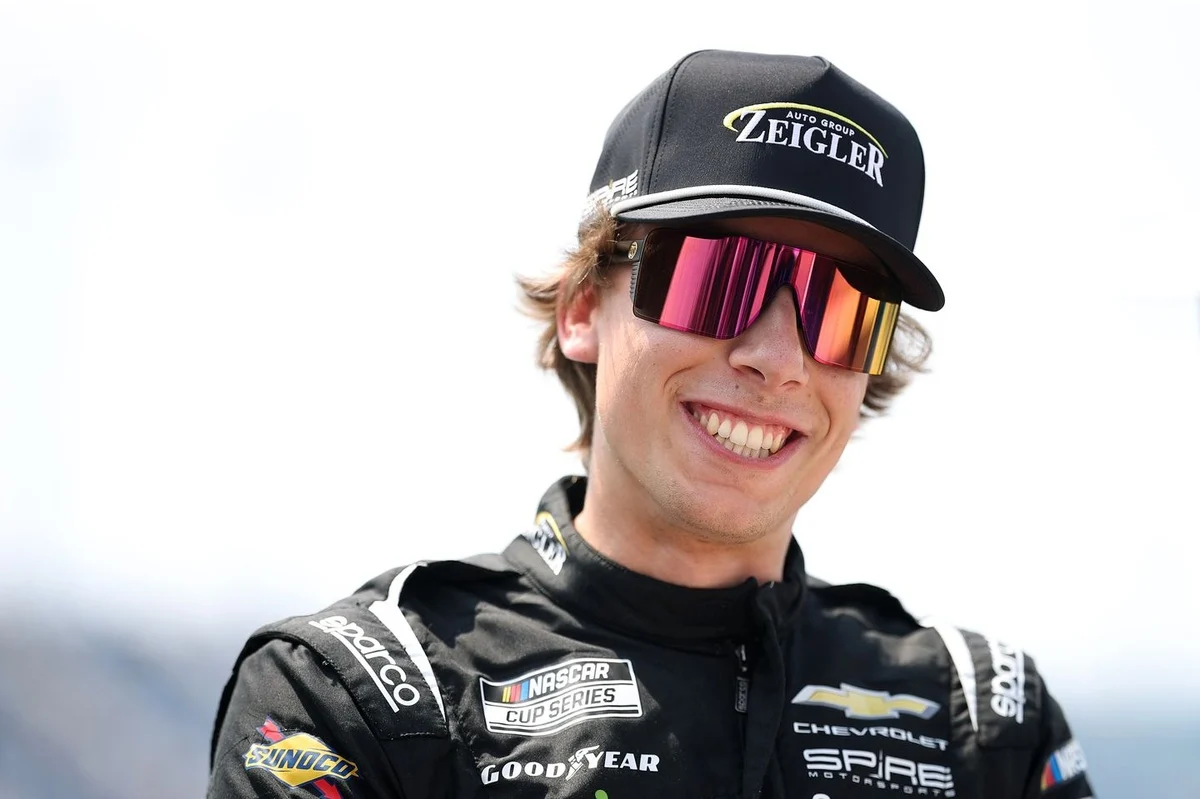
By Motorsport.com Staff
Main Facts: The Clash, the Code, and the Controversy
In the high-stakes ecosystem of the NASCAR Cup Series, rookie and sophomore drivers are typically expected to keep their heads down, respect the veteran guard, and issue prompt, contrite apologies whenever wheel-to-wheel combat crosses the line. Carson Hocevar, however, didn’t get that memo—nor does he care to read it.
The Spire Motorsports driver has quickly become one of the most polarizing figures in stock car racing. His aggressive driving style, combined with a distinct lack of remorse for on-track friction, has earned him both a growing legion of passionate fans and the fierce animosity of garage veterans. The latest flashpoint occurred early in the grueling Southern 500, where hard racing between Hocevar and RFK Racing owner-driver Brad Keselowski resulted in contact that severely disrupted Keselowski’s momentum.
Keselowski was left fuming, threatening retaliation with a stark warning: "His day is coming, and it’s coming hard."
For most drivers, a public threat from a Cup Series champion triggers a damage-control PR tour. For Hocevar, it triggered a marketing campaign. In classic troll fashion, Hocevar capitalized on the feud by adding a 6% discount to his merchandise store—directly referencing Keselowski’s iconic No. 6 car—piggybacking on a pre-existing 23% discount promotion. The move pushed his souvenir sales toward an astonishing $200,000 for the week, highlighting a modern athlete who understands how to monetize controversy.

Yet, beneath the social media savvy and merchandise spikes lies a core philosophy: Hocevar refuses to offer shallow, obligatory apologies for incidents he views as standard "hard racing." While veterans like Keselowski and Denny Hamlin view his demeanor as "unserious" or indicative of a lack of institutional oversight, Hocevar remains steadfast. He answers only to his team, his inner circle, and his own personal honor code.
Chronology of Conflict: From Martinsville to Darlington
To understand Hocevar’s current standoff with the NASCAR garage, one must look at the timeline of incidents that have shaped his reputation throughout his rise in the national touring series.
Spring: The Martinsville Awakening
Following a chaotic race at Martinsville Speedway earlier in the year, Hocevar found himself spun out after being hit full-throttle by 23XI Racing’s Bubba Wallace. Rather than escalating the feud in a post-race confrontation, Hocevar sent Wallace a text message expressing a twisted sense of gratitude. As a lifelong fan of the sport, Hocevar viewed getting wrecked at Martinsville—a legendary track notorious for driving drivers to their breaking points—as a rite of passage. Wallace was angry; Hocevar was simply thrilled to have survived on the lead lap at a historic short track.
The Summer Stretch: Retaliation as Mutual Respect
Hocevar’s philosophy is built on reciprocity. He readily acknowledges that he has been on the receiving end of aggressive moves throughout his career. He points to Corey Heim dumping him at San Diego and Zane Smith taking a shot at him during Chicago as proof that rough driving is a two-way street.
Rather than crying foul or demanding apologies, Hocevar respects these moments as part of the sport’s natural friction. In his eyes, demanding an apology on a Monday phone call is an artificial, strategic gesture designed to manipulate public perception rather than resolve genuine grievances.

Labor Day Weekend: The Southern 500 Explosion
The boiling point arrived at Darlington Raceway during the Southern 500. Hocevar and Keselowski spent 10 to 15 laps locked in a tense, inches-apart duel. Hocevar, racing aggressively to protect his position and drain Keselowski’s momentum, eventually made contact.
Keselowski’s post-race fury set the tone for the week, culminating in a fierce public condemnation. While Denny Hamlin chimed in by calling Spire Motorsports "unserious" and claiming there are "no adults in the room" overseeing Hocevar, the young driver doubled down on his approach, leaning into the narrative that he and his team are the "15-versus-1" villains of the NASCAR Chase for the Championship.
Supporting Data: Merchandising Magic and Fan Engagement
The friction between Hocevar and the garage has not hurt his bottom line—if anything, it has accelerated it. NASCAR’s marketing machine has leaned heavily into the David-versus-Goliath dynamic of Hocevar’s playoff run, releasing press statements highlighting his disruptive presence. Spire Motorsports has similarly embraced the chaos, amplifying the narrative across social media platforms.
The financial metrics speak for themselves:
- The 6% Promotion: Following Keselowski’s post-race threats, Hocevar’s clever nod to the No. 6 Ford Mustang drove an unprecedented surge in online traffic.
- Sales Milestone: Industry reports indicated that Hocevar’s souvenir and apparel shop approached $200,000 in sales over the week following the Darlington clash.
- Fan Growth: While traditionalists in the garage express frustration, Hocevar’s unapologetic authenticity is drawing in a younger, highly engaged demographic of fans from outside traditional NASCAR circles who appreciate his transparency and humor.
Hocevar notes that his partnership with Spire co-owner Jeff Dickerson—a former driver, spotter for legends like Jeff Gordon and Kyle Busch, and driver agent—provides him with the exact mentorship he needs. Dickerson understands the business and the psychological toll of racing, giving Hocevar the green light to be himself.

Official Responses: Inside the Garage vs. The Driver’s Seat
The philosophical divide between Hocevar and the rest of the Cup Series paddock highlights a generational and cultural shift within stock car racing.
The Veterans’ Perspective: Hamlin and Keselowski
Drivers like Brad Keselowski and Denny Hamlin represent the traditional guard of NASCAR. They operate on a strict, albeit unwritten, code of veteran respect, where aggressive driving must be balanced with contrition, and rookies are expected to pay their dues quietly.
- Brad Keselowski: Focused on the immediate physical toll of Hocevar’s driving style, viewing it as reckless and promising direct payback on the track.
- Denny Hamlin: Criticized the leadership structure around Hocevar, publicly labeling Spire Motorsports as "unserious" and arguing that a lack of veteran oversight allows the youngster’s antics to go unchecked.
Hocevar’s Defense: Intellectual Honesty and Family Values
Hocevar rejects the idea that he is reckless or disrespectful, drawing a sharp line between having fun and not caring.
"I mean, it’s kind of shit happens sometimes when we’re racing hard," Hocevar explained during a mid-week media availability. "I think Brad knows how aggressive he was being, racing is super hard, trying to keep me behind him."
Addressing the criticism regarding a lack of apologies, Hocevar emphasized that his loyalty lies exclusively with his team and his inner circle:

"I only care what Jeff (Dickerson), the sponsors and my team says… Whether it changes because of what Brad or Denny, or any of those guys think, I do care. But I think, ultimately, that racing is a family sport and this is a family and I just care what my family thinks, that is ultimately the most important."
Hocevar further dismissed the concept of Monday-morning apology calls as hypocritical and "extra fluff." To him, true integrity in racing means accepting that mistakes happen when everyone is pushing the limits of physics and equipment.
Implications: A New Era for NASCAR’s Personality Landscape
The Carson Hocevar phenomenon carries significant implications for the future of the NASCAR Cup Series as it navigates a changing media and cultural landscape.
- The Evolution of the Villain Role: NASCAR has historically thrived on "good guys versus bad guys" storylines—from Dale Earnhardt’s intimidating black No. 3 to Kyle Busch’s "Rowdy" persona. Hocevar has effortlessly stepped into the role of the unapologetic disruptor, giving fans a clear Heel to cheer or boo.
- The Business of Infamy: The immediate commercial success of Hocevar’s merchandise lines proves that controversy translates directly to consumer engagement. In an era where building a personal brand is just as important as crossing the finish line first, Hocevar’s refusal to sanitize his personality is a masterclass in modern sports marketing.
- Generational Friction: The clash between veterans expecting old-school deference and a new wave of drivers who view racing strictly through the lens of high-stakes competition without emotional baggage is here to stay. How race control, team owners, and drivers manage this friction will dictate the tone of on-track etiquette for years to come.
Ultimately, Carson Hocevar is living his childhood dream at the absolute peak of stock car racing. He wants to win races, satisfy his sponsors, make his team proud, and—above all—have fun doing it. Whether the rest of the garage approves or not, Hocevar has made it abundantly clear that he is not going to change who he is, and the racing world will simply have to catch up.

 Pevita Pearce
 Evan Lee Salim
 Neng Nana
 Nana Wu
 Lina Hope
 Sagoh
Sagoh
 Iffa Jayyana