
 Laily UPN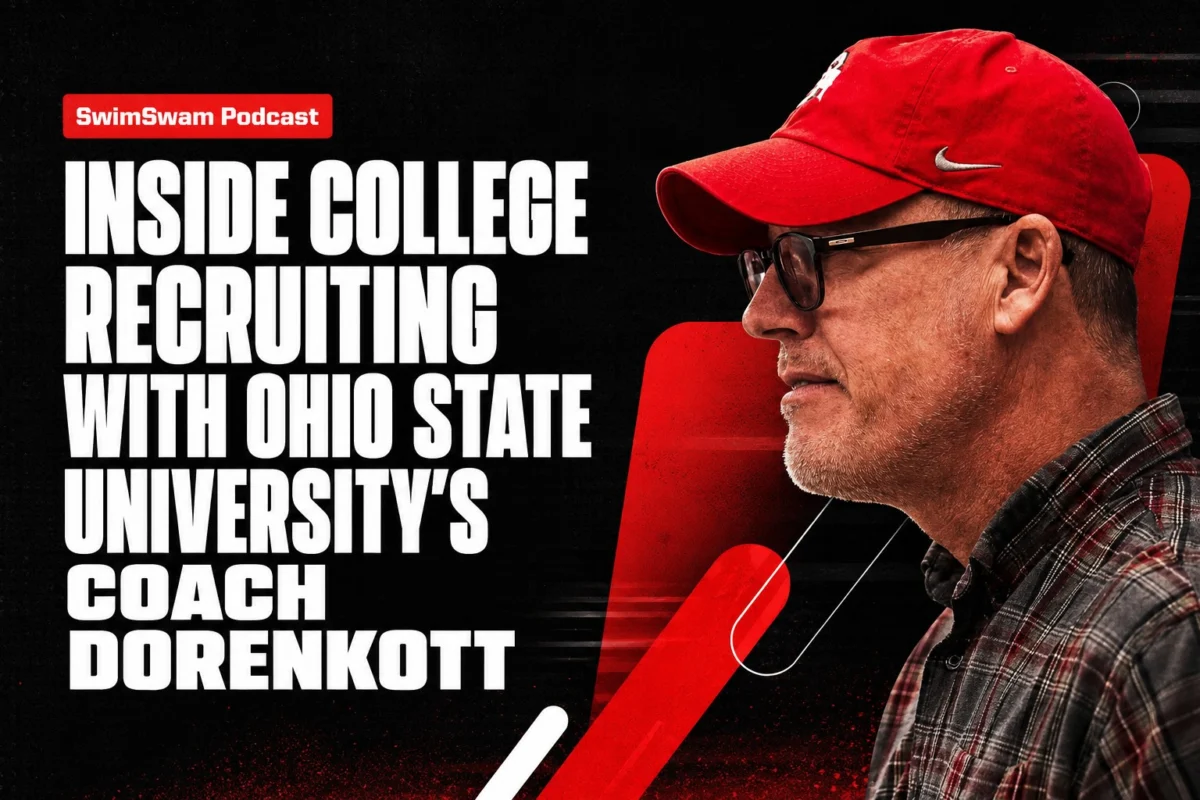
In the high-stakes, often anxiety-ridden world of collegiate swimming, the recruiting process is frequently reduced to a cold calculation of times and rankings. Swimmers, parents, and club coaches spend countless hours analyzing stopwatches and spreadsheets, searching for the "magic number" that will secure a spot at a top-tier university. However, according to Bill Dorenkott, the Director of Swimming & Diving at The Ohio State University, the most critical indicators of a future collegiate star are rarely found in a race result.
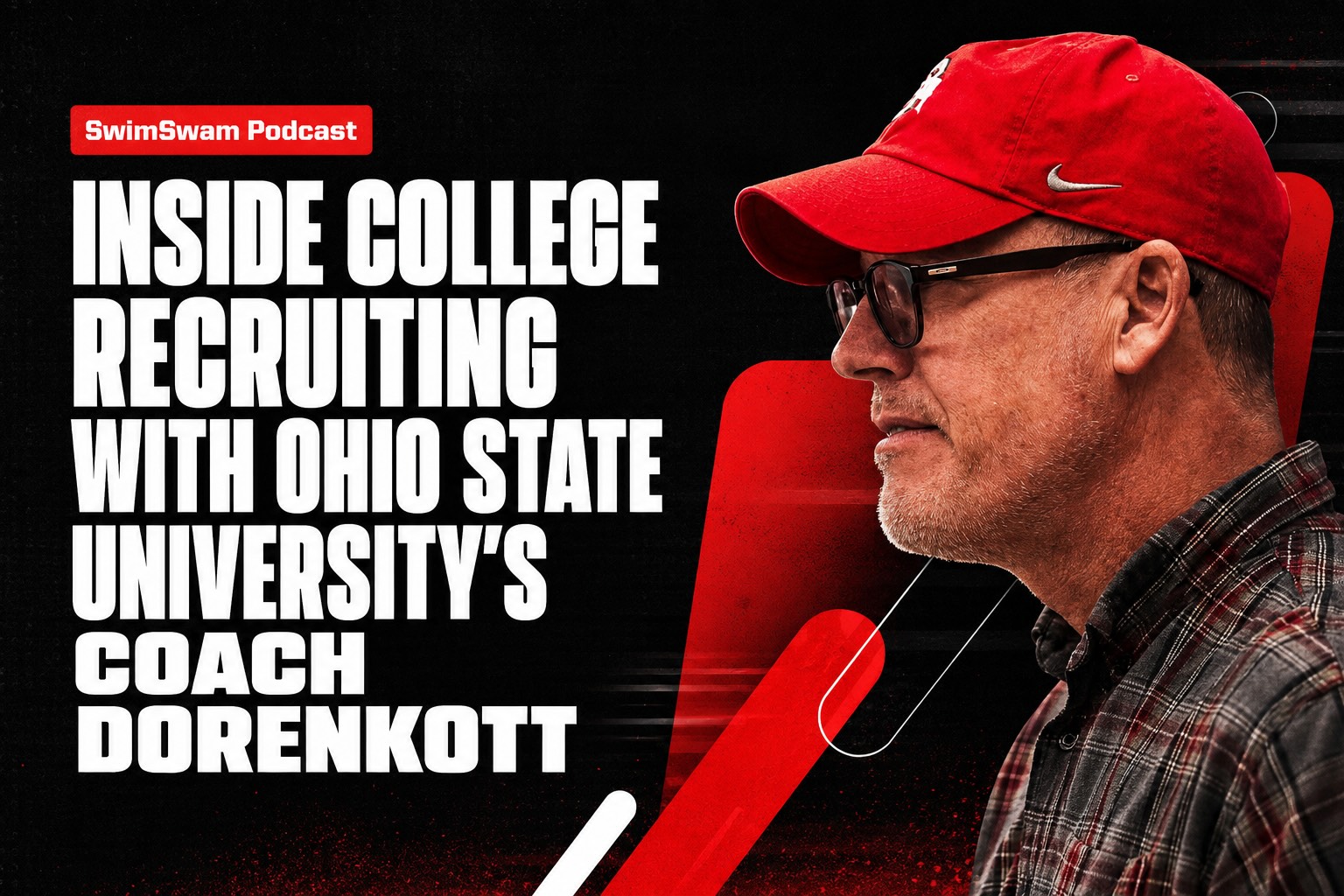
In a recent installment of the SwimSwam Podcast, hosted by Olympic medalist and Gold Medal Mel Stewart, Dorenkott offers a masterclass in the intangible qualities that define championship-caliber recruits. As a veteran of 36 years in the coaching ranks and the current President of the American Swimming Coaches Association (ASCA), Dorenkott’s insights provide a necessary, veteran perspective for those navigating the complex waters of NCAA recruiting.
The Weight of Experience: A Coaching Legacy
To understand the gravity of Dorenkott’s advice, one must first recognize the sheer depth of his tenure. Entering the 2026-2027 season, Dorenkott boasts 36 years of experience in the collegiate sphere. His footprint in the Big Ten is particularly significant; as he enters his 31st season within the conference—and his 19th overall at Ohio State—he stands as the longest-tenured coach in the Big Ten.
His leadership extends beyond the pool deck at Columbus. As the President of the ASCA, Dorenkott is at the forefront of the sport’s professional development, acting as a bridge between the youth club systems and the collegiate level. His philosophy, refined over three decades of observing thousands of student-athletes, is not focused on preserving the status quo but on identifying the next generation of leaders who possess the emotional intelligence to thrive in a high-pressure, elite-university environment.
The Recruiting Paradox: Beyond the Data Points
The college recruiting marketplace is defined by a central paradox: it is an emotional, high-stakes decision process predicated on predicting future success from imperfect, often fleeting, evidence.
"We are looking for more than just the output on the clock," Dorenkott explains. "Data points are a starting line, not the finish line."
During the 58-minute conversation, Dorenkott dismantled the myth that coaches are strictly looking for the fastest recruits. Instead, he emphasized that at the elite level, the margin for physical improvement is often slim. Therefore, the difference-maker becomes the athlete’s psychological profile. He argues that in an era where "results-only" culture dominates social media and recruiting rankings, the most valuable recruits are those who demonstrate resilience, self-awareness, and a capacity for growth beyond the confines of their personal best times.
The "Disappointment Test"
Perhaps the most striking takeaway from the podcast is Dorenkott’s emphasis on how a swimmer handles failure. He suggests that a recruit’s response to a "bad race" is a more reliable predictor of future success than their reaction to a gold-medal performance.
"If you want to know the truth about a recruit," Dorenkott notes, "don’t watch them when they touch the wall first. Watch them when they touch the wall fourth, when they miss their goal, or when their relay team drops a spot."
Body language, communication with coaches following a disappointing swim, and the ability to pivot to a constructive mindset are all tracked by staff during the recruiting process. A recruit who displays maturity and accountability in the face of adversity signals to a coach that they are "coachable"—a trait that, in Dorenkott’s view, is the single greatest indicator of a long-term collegiate success story.
The Developmental Philosophy
A recurring theme in the discussion is the concept of development. Too often, young athletes view their recruitment as the culmination of their work. Dorenkott argues that it is merely the opening of a new chapter where development—not just performance—must remain the primary objective.
The conversation touches upon:
- The Transition Period: How high school seniors must adjust their training expectations to meet the demands of an NCAA program.
- Academic Integration: The necessity of balancing the rigorous demands of a top-tier university like Ohio State with the physical tax of two-a-day practices.
- The Culture Fit: How a swimmer’s social habits and character within their club team act as a preview for their impact on a college team’s culture.
For parents and coaches, Dorenkott’s advice is clear: stop treating the athlete like a stock that must constantly appreciate in value. Instead, focus on building the foundational habits of curiosity and internal drive. The athletes who ask questions, who engage with their coaches, and who take ownership of their own training sessions are the ones who ultimately survive—and thrive—at the collegiate level.
Implications for the Future of Recruitment
This episode is part of a broader initiative by SwimSwam to pull back the curtain on the college recruiting process. Following the success of a similar feature with the University of Tennessee’s Matt Kredich and Sarah Collins, these deep-dive conversations are designed to provide transparency in an industry that has historically been shrouded in secrecy.
The implication is a shift toward a more informed, less frantic recruiting culture. By encouraging families to focus on character, body language, and development rather than just speed, coaches like Dorenkott are attempting to lower the stress levels of the recruiting process.
A Call for Engagement
The conversation serves as a catalyst for a larger dialogue. SwimSwam has invited listeners and readers to submit their own questions regarding the recruiting process for future episodes. As the industry evolves, the collaboration between media, elite coaches, and the swimming community at large will be vital in ensuring that the next generation of athletes is better prepared for the realities of the NCAA.
Final Thoughts: The Human Element
As the 2026-2027 season approaches, the recruiting cycle will intensify. For those caught in the whirlwind of emails, campus visits, and scholarship offers, Dorenkott’s message remains a grounding force. Success in swimming is not just about the physics of the stroke or the biology of the athlete; it is about the psychology of the person.
The "recruiting formula" is not a secret code or a hidden algorithm. It is a human-centric approach that prioritizes character over raw speed, and growth over immediate results. By shifting the focus to these core values, athletes, parents, and coaches can navigate the recruiting landscape with greater clarity and confidence.
For more information on the recruiting process and to keep up with the latest in the sport, follow Bill Dorenkott on Instagram and stay tuned to Gold Medal Media’s ongoing series, proudly supported by SwimOutlet.com, a partner of swimming excellence for the past 15 years.
Disclaimer: The views, opinions, and strategies discussed in this podcast are those of the featured guests and do not necessarily reflect the official policies or viewpoints of SwimSwam Partners, LLC or its affiliates. The recruiting landscape is subject to evolving NCAA regulations; always consult with institutional compliance officers for current eligibility rules.

 Sagoh
Sagoh
 Nana Muazin
 Neng Nana
 Nana Wu
 Lina Hope

 Iffa Jayyana