
 Siti Muinah
In the grand tapestry of professional cycling, few landmarks carry the weight, the mystique, and the brutal physical reality of Alpe d’Huez. Known colloquially as the "Mountain of the Dutch" and officially as the D211, this ascent in the French Alps is more than just a road; it is the ultimate crucible for the yellow jersey contenders of the Tour de France. With its 21 legendary switchbacks, each bearing the name of a previous stage winner, the climb serves as a vertical theater where dreams are forged and, more often than not, shattered.
Main Facts: The Anatomy of a Legend
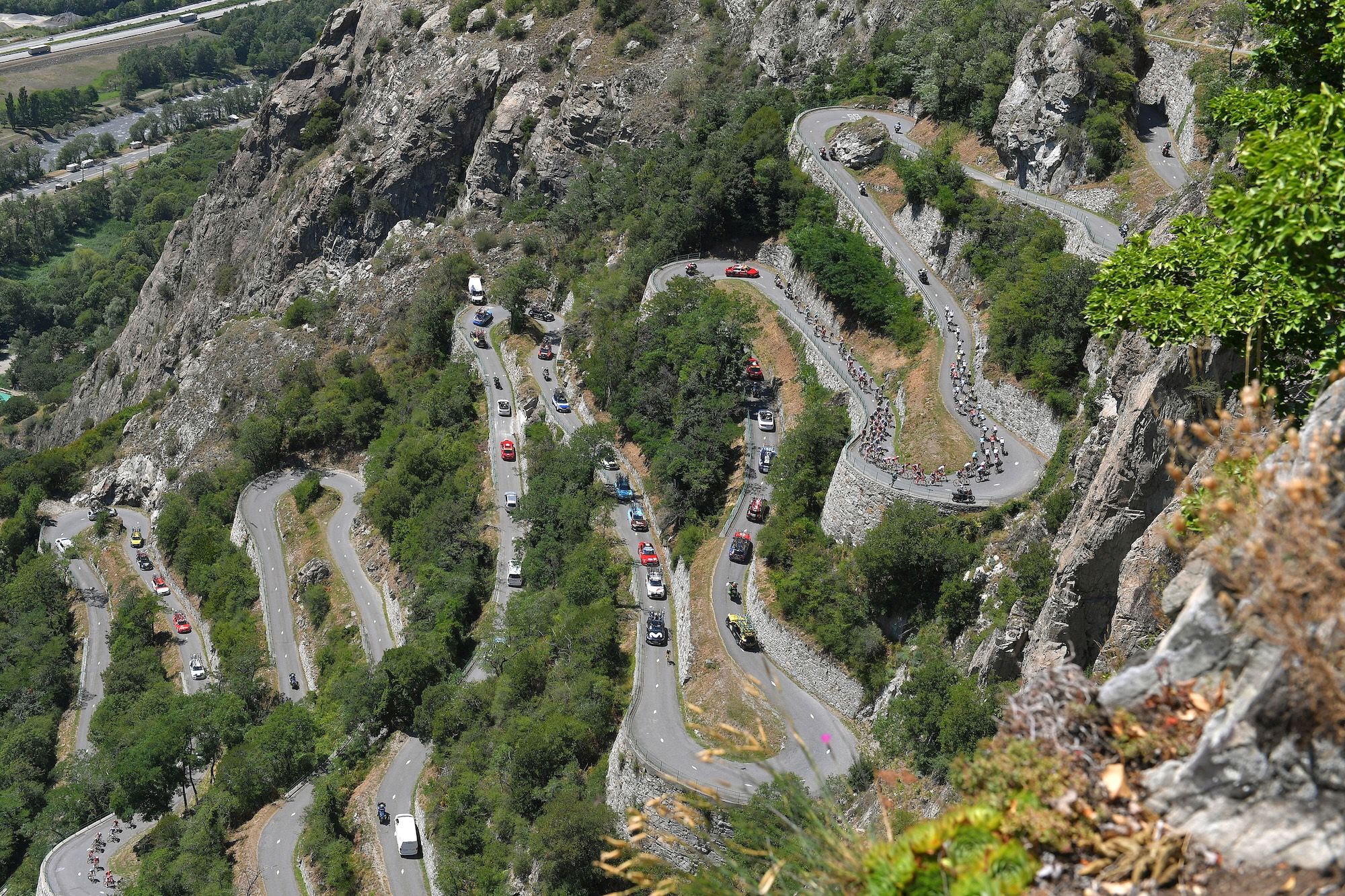
The ascent of Alpe d’Huez is a masterclass in geometric suffering. The climb begins at the base in the town of Bourg d’Oisans, situated in the valley floor. From this point, riders face a relentless 13.8-kilometer (8.6-mile) journey to the ski resort summit. The statistics are staggering: a vertical gain of 1,120 meters (3,670 feet) at an average gradient of 8.1%.
However, averages rarely tell the full story in cycling. The D211 is characterized by its punishing, irregular rhythm. It is not a steady, hypnotic climb; it is a series of explosive efforts required to accelerate out of each of the 21 hairpin bends, followed by brief, insufficient respites on the short straights between turns. These switchbacks, numbered in descending order from the top, act as psychological markers for the exhausted peloton. For a rider in the red zone, reaching the next turn is a temporary victory, a brief moment to shift gear and refocus before the next steep pitch tests their lactate threshold once more.
A Chronology of Conflict: From Fausto Coppi to Modern Legends
To understand the cultural significance of Alpe d’Huez, one must look back to its inception as a Tour de France stage in 1952. The victory of Fausto Coppi in that inaugural mountaintop finish set the template for the decades to follow.
- The 1950s–1970s: The Establishing Era: The climb was not a permanent fixture initially, returning only sporadically. It wasn’t until the 1976 victory of Joop Zoetemelk that the climb began to cement its reputation as a "king-maker."
- The Dutch Dominance: Throughout the 1970s and 80s, the mountain became a pilgrimage site for Dutch cycling fans. The "Dutch Corner" (historically located at bend 7) became a chaotic, vibrant sea of orange, with thousands of fans lining the road in a carnival atmosphere that felt more like a football stadium than a mountain pass.
- The Modern Era: Since the late 20th century, the climb has been synonymous with the most pivotal moments in the Tour. Whether it was the tactical battles of Greg LeMond and Bernard Hinault, or the high-wattage dominance of the early 2000s, the mountain has served as the definitive litmus test for the Maillot Jaune.
Supporting Data: The Physics of the Ascent
The climb is a unique study in power-to-weight ratios. Professional cyclists tackling Alpe d’Huez must balance aerobic capacity with explosive power. The most elite climbers—those who have conquered the mountain in under 40 minutes—operate at a level of physiological output that borders on the superhuman.
Data analysts often look at "VAM" (Velocità Ascensionale Media), or the average vertical speed in meters per hour. On Alpe d’Huez, a VAM of over 1,700 m/h is considered world-class. When riders like Marco Pantani set records in the late 90s, the VAM figures recorded were so high they fueled decades of intense speculation regarding performance-enhancing substances. Today, while the sport has moved into a more transparent era, the data remains a critical metric for team directors evaluating their riders’ performance under extreme fatigue.
The 3.7km segment mentioned in recent race routes—often used as a strategic final circuit or linked with the neighboring Col de Sarenne—adds a layer of complexity. By forcing riders to descend from the Sarenne and immediately attack the final kilometers of the Alpe, race organizers effectively neutralize the "steady-state" climbers and reward those with the technical skill and tactical versatility to handle changing terrain.
Official Perspectives: The Organizers and the Riders
From the perspective of the Amaury Sport Organisation (ASO), the owners of the Tour de France, Alpe d’Huez is the crown jewel of their media product. Its dramatic switchbacks provide unparalleled camera angles, capturing the raw emotion of the athletes as they face the "dizzying" reality of the ascent.
"It is a climb that doesn’t lie," says one veteran directeur sportif. "You cannot hide on the Alpe. If your legs are empty, the road will expose you within the first four kilometers. There is nowhere to sit in the wheels, no place for a tactical bluff."
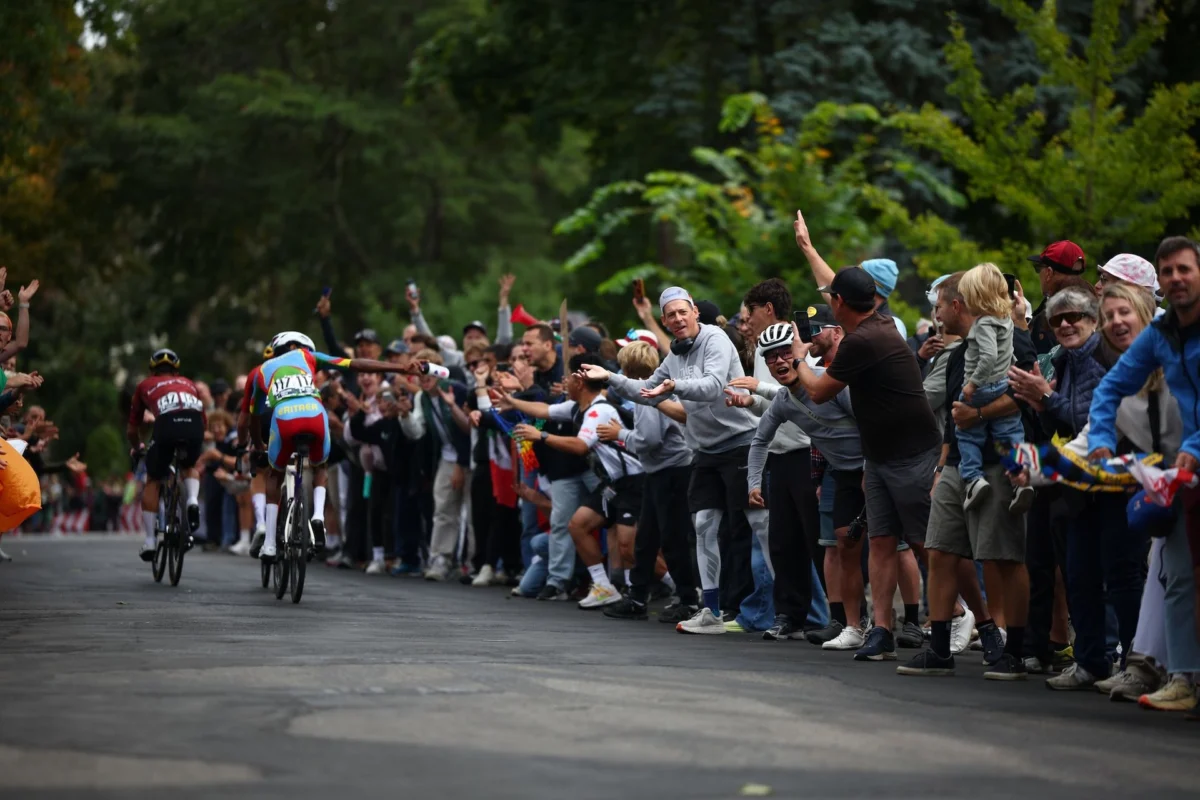
For the riders, the sentiment is more visceral. It is a mixture of awe and dread. Even for the most seasoned professionals, the sheer wall of sound provided by the hundreds of thousands of spectators creates a "tunnel effect." The noise is so deafening that riders have reported being unable to hear their own breathing or their team cars behind them.
Implications: The Mountain as a Defining Factor
The implications of including Alpe d’Huez in the route are profound. Firstly, it dictates the entire tactical structure of the race. Teams must build their rosters around "super-domestiques" capable of pacing their leaders deep into the climb. If a team leader cracks on the Alpe, the time gaps can be cavernous—often minutes, rather than seconds—effectively ending their podium aspirations in a single afternoon.
Secondly, the mountain influences the transfer market. A rider who performs well on the Alpe is instantly elevated to a higher tier of market value. It is the ultimate resume builder. Sponsors recognize that the visibility provided by a successful attack on the 21 turns is worth more than a dozen stage wins on flat, sprint-heavy days.
Finally, there is the socio-economic impact on the region. The D211 is a massive tourist draw, with cycling enthusiasts from around the globe arriving year-round to test themselves against the same switchbacks as their heroes. The local economy of Bourg d’Oisans and the resort at the summit are intrinsically tied to the mythology of the Tour. The climb is not just a sporting venue; it is a heritage site for the sport of cycling.
Conclusion
Whether one views it as a glorious spectacle or a cruel test of human endurance, Alpe d’Huez remains the beating heart of the Tour de France. It represents the intersection of history, physical suffering, and tactical brilliance. As the peloton continues to evolve, with new training methodologies and lighter equipment, the mountain remains a constant, immovable object—a 21-turn testament to the fact that, at the end of the day, the most important component in professional cycling is the human spirit, measured against the unforgiving gradient of the Alps.
As riders head into the final stages of the race, the anticipation of the D211 serves as a reminder: the Tour is not won on the flat plains, but in the thin, oxygen-deprived air of the high mountains, where 21 switchbacks stand between a rider and the immortality of the yellow jersey.

 Reynand Wu
 Nana
Nana
 Neng Nana
 Nana Wu
 Lina Hope

 Sagoh
Sagoh
 Iffa Jayyana