
 Ammar Sabilarrohman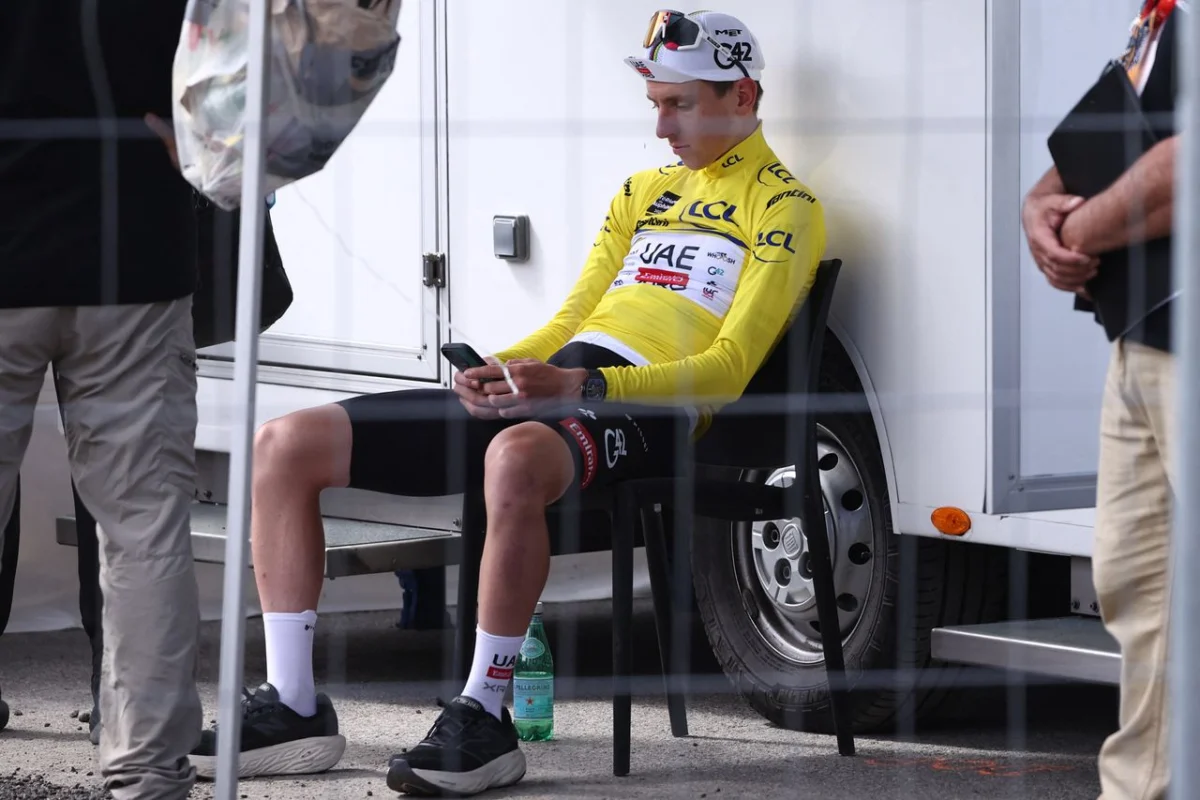
The integrity of professional cycling has long been tethered to its rigorous, often invasive, anti-doping regime. However, the equilibrium between safeguarding the sport’s credibility and respecting the physiological recovery of its elite athletes has been thrown into sharp relief following a series of high-profile "night raids" at the Tour de France.
The Cyclistes Professionnels Associés (CPA), the official union representing professional riders, has broken its silence regarding the controversial anti-doping controls conducted during the final weekend of the Tour. Confirming that race leaders Tadej Pogačar and Jonas Vingegaard were not the sole targets of these early-morning operations, the CPA is now leading a charge for a more balanced approach to testing, arguing that the current methods jeopardize the health and recovery of athletes during the sport’s most demanding competition.
The Anatomy of the Incident: A Chronology of Disruption
The controversy erupted in the early hours of Sunday morning, preceding the grueling mountainous stage to Plateau de Solaison. For riders already navigating the extreme physical fatigue of a Grand Tour, sleep is considered a vital performance enhancer. The intrusion into this recovery window has sparked significant backlash from both teams and athletes.
The Timeline of Events
- 2:00 a.m. (Sunday): Jonas Vingegaard was awoken by anti-doping officials for a mandatory sample collection. The abrupt interruption of the Visma-Lease a Bike rider’s sleep cycle was immediate and disorienting.
- 5:00 a.m. (Sunday): Tadej Pogačar was subjected to similar testing protocols. The UAE Team Emirates leader, already under immense pressure to defend his position, was forced to undergo the procedure just hours before the day’s stage.
- The Pre-Dawn Sweep: Beyond the two primary contenders, investigations by Cyclingnews suggest that at least five other teams were targeted for similar pre-dawn controls. Reports indicate that these teams were visited at or before 5:00 a.m., a time historically reserved for quiet recovery within the professional peloton.
Navigating the Regulatory Gray Area
The fundamental point of contention lies in the interpretation of the testing window. Under standard International Cycling Union (UCI) and World Anti-Doping Agency (WADA) guidelines, the "testing window" is typically established between 6:00 a.m. and 11:00 p.m. While these rules allow for out-of-competition testing at any time, the practice of testing between 11:00 p.m. and 6:00 a.m. is generally reserved for exceptional circumstances where there is a high suspicion of non-compliance or specific intelligence.
The International Testing Agency (ITA), which oversees the testing program for the Tour de France, operates with the autonomy to conduct "no-notice" testing. However, the sheer volume of early-morning visits on this specific weekend has led to accusations that the ITA may be stretching the spirit of these regulations. By treating the entire peloton—or significant portions of it—to these pre-dawn visits, the organization has ignited a debate over whether the testing is a necessary deterrent or an unnecessary burden on athlete welfare.
Official Responses and the CPA Stance
The CPA, under the leadership of Adam Hansen, has emerged as the primary advocate for the riders. Their response has been measured but firm, emphasizing that while the riders are entirely committed to a clean sport, the methodology of the testing must evolve.
"We fully support the fight against doping," a CPA spokesperson noted. "However, the current practice of night-time testing, particularly when it occurs on such a scale, is counter-productive to the recovery of athletes who are already pushing their physiological limits."
The CPA’s call for a "fairer fight" is not a call to end testing, but a call for standardization. They are urging the UCI and the ITA to provide more transparency regarding the "exceptional circumstances" that warrant an entry into a rider’s hotel room in the middle of the night. For many riders, these rooms are their only sanctuary during the three-week slog of the Tour; having that sanctity breached at 2:00 a.m. can have a measurable impact on their performance and mental well-being the following day.
The UCI has maintained a defensive posture, citing their mandate to protect the integrity of the race. "Anti-doping controls must remain unpredictable to be effective," a UCI representative stated. "The ITA acts independently to ensure that no rider has the advantage of knowing when they will be tested."
The Physiological and Tactical Implications
To understand the frustration of the riders, one must understand the physiological demands of a Grand Tour. In the third week of the Tour de France, a rider’s body is in a state of catabolic stress. Muscle tissue repair, glycogen replenishment, and psychological recovery occur almost exclusively during sleep.
When a rider is forced to wake up at 2:00 a.m., their REM sleep cycle is interrupted. The subsequent stress response—a spike in cortisol levels—can lead to inflammation and reduced cognitive function, both of which are detrimental to the safety and performance required for a mountain stage.
Impact on Recovery
- Disrupted Circadian Rhythms: Consistent sleep is the cornerstone of athlete recovery. Multiple interruptions over a weekend can lead to cumulative fatigue.
- The Psychological Toll: Being woken up by an official is a stressful event. The anxiety of having to provide a sample, combined with the difficulty of returning to sleep, impacts the rider’s ability to recover mentally for the following day’s tactical challenges.
- Performance Variance: While both Vingegaard and Pogačar were affected, critics argue that such testing creates an uneven playing field. If one rider is woken twice and another is not, the physical disadvantage is tangible.
Broader Context: The Evolution of Anti-Doping
The history of the Tour de France is inextricably linked to the history of doping. From the stimulants of the early 20th century to the blood doping scandals of the 1990s and 2000s, the sport has fought a relentless battle to distance itself from its past.
The ITA’s aggressive stance on testing is a direct reaction to the "dark ages" of the sport. The logic is simple: if a rider knows they are safe from testing between midnight and dawn, they might be tempted to use short-acting substances or procedures that clear the system by morning. By removing that "safe harbor," the ITA aims to eliminate any possibility of cheating.
However, the modern era of cycling is characterized by unprecedented levels of monitoring. Riders use constant glucose monitors, power meters, and biological passports. The data available to teams and the UCI is more robust than at any point in history. The question remains: is the "midnight knock" still necessary in an age where a rider’s physiological data is being tracked in real-time?
The Path Forward: Finding a Middle Ground
As the cycling world looks toward the future, the conversation is shifting from "should we test" to "how should we test." There is a growing consensus among team directors and riders that a middle ground is achievable.
Potential Reforms
- Strict "Reasonable Suspicion" Criteria: Implementing a policy where night-time testing is only permitted if there is specific, actionable intelligence regarding a potential violation, rather than as a standard procedure.
- Notification Protocols: Ensuring that if a rider must be tested, the process is streamlined to minimize the duration of the interruption, allowing the athlete to return to sleep as quickly as possible.
- Enhanced Transparency: The ITA should provide clearer reports on the frequency of night-time testing to ensure that the practice is not being used as a form of harassment or psychological pressure against specific teams or riders.
The CPA’s intervention marks a turning point in the relationship between the governing bodies and the athletes. By advocating for a "fairer fight," they are not seeking leniency for those who dope, but rather respect for those who remain clean.
In the high-stakes theater of the Tour de France, where seconds often determine the difference between glory and defeat, the integrity of the race is paramount. But that integrity must be balanced against the human rights of the athletes. The midnight raids have ignited a firestorm, and as the sport looks toward next year’s edition, the UCI and ITA will be under intense pressure to justify their methods. The future of anti-doping in cycling will depend on whether the authorities can prove that they are interested in more than just catching cheaters—but also in protecting the athletes who are the lifeblood of the sport.

 Reynand Wu
 Nana
Nana
 Neng Nana
 Nana Wu
 Lina Hope
 Sagoh
Sagoh
 Iffa Jayyana