
 Sagoh
Sagoh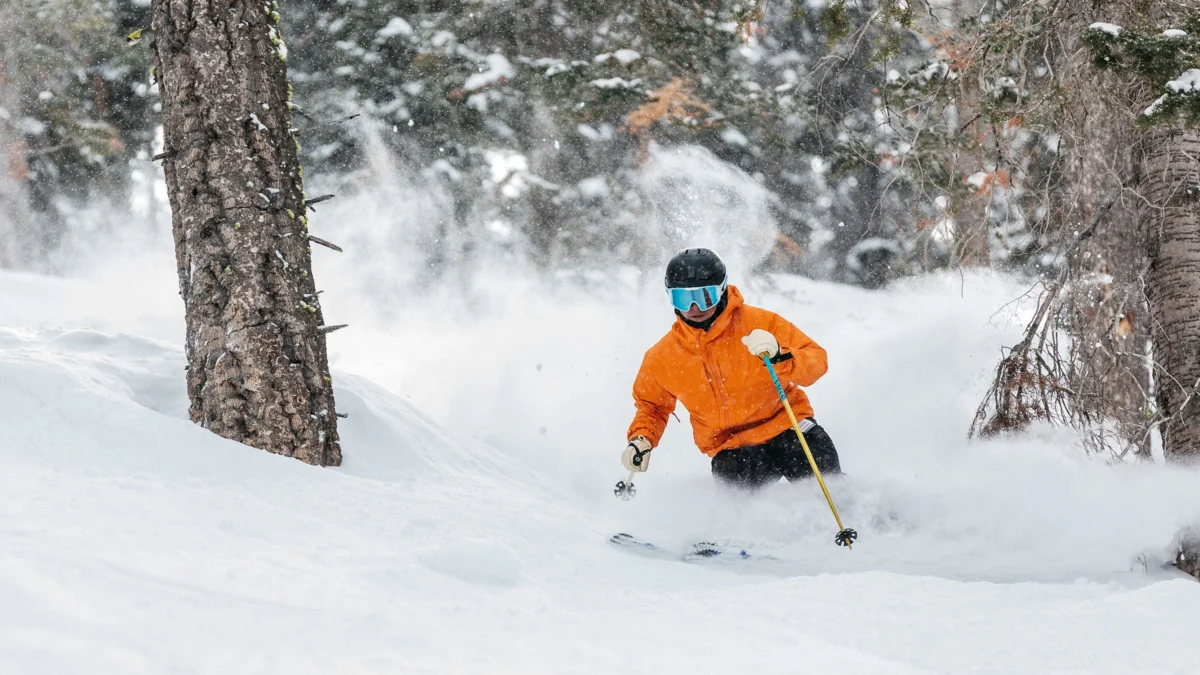
Main Facts
The winter gear landscape is once again dominated by a familiar yet continually refined heavyweight—or rather, lightweight—contender: the Atomic Bent 100. Released ahead of the 2026 ski season, this iteration of Atomic’s flagship all-mountain powder specialist continues to redefine what skiers can expect from a mid-fat, playful board. Boasting dimensions of 128.5 mm at the tip, 100 mm underfoot, and 119 mm at the tail, the Bent 100 bridges the gap between a dedicated powder plank and a nimble all-mountain daily driver.
Available in a comprehensive range of lengths—158, 165, 172, 179, and 186 centimeters—the ski is engineered primarily with Western resort skiers in mind. It features an all-wood core designed to shed unnecessary grams, a generous tip-and-tail rocker profile, and the unmistakable artistic flair of pro skier Chris Bentchetler, whose original graphics have become a hallmark of the Bent Chetler and Bent series.
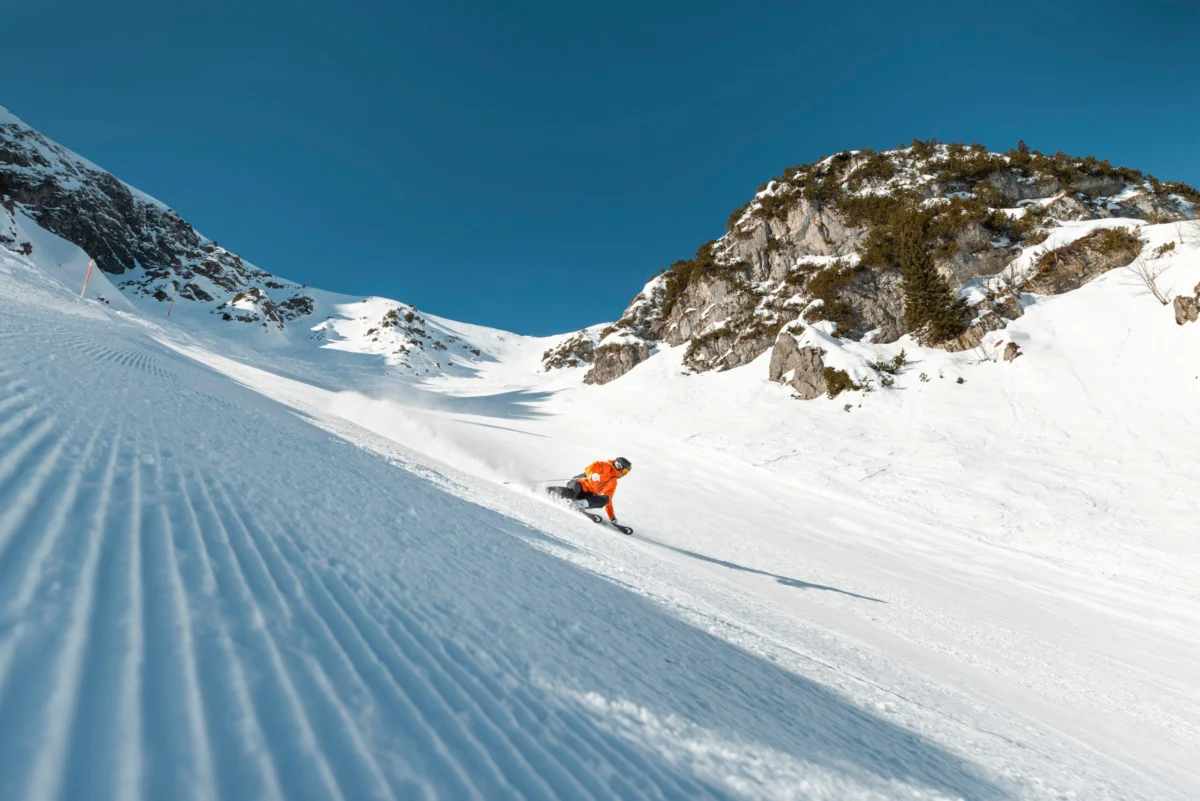
While the market is flooded with versatile 100mm-waisted skis, the Atomic Bent 100 sets itself apart through its user-friendly nature. It prioritizes a forgiving flex pattern, effortless maneuverability in soft snow, and a massive sweet spot that rewards creativity over rigid, race-room mechanics. However, gear testers and industry analysts note that it is not without compromises: its ultra-light construction sacrifices some high-speed stability and edge hold when confronting boilerplate ice, wind-scoured groomers, or heavy, refrozen crud.
Chronology: The Rise of the Bent Series
To understand the cultural and technological significance of the 2026 Atomic Bent 100, one must look backward through the timeline of modern ski design and the collaboration between Atomic and Chris Bentchetler.
The Genesis (Late 2000s)
Before the Bent 100 became a ubiquitous sight in the lift lines of Utah, Colorado, and the Pacific Northwest, the lineage began with the original Atomic Bent Chetler 120. Introduced over a decade ago, that massive powder ski was designed hand-in-hand with Bentchetler to float effortlessly through deep, untracked backcountry snow. It was wide, rockered, and sported artistic, hand-drawn top sheets that turned heads across the industry. For years, the Bent Chetler was viewed purely as a niche, deep-powder tool for cinematic heli-ski edits and steep tree runs.
The Mid-Width Revolution (Late 2010s to 2020)
As the ski industry shifted toward "quiver-killers"—one-ski-to-rule-them-all options—skiers demanded the playful DNA of the Bent Chetler scaled down into a more versatile waist width. Recognizing this market shift, Atomic dropped the waist to 100 millimeters, creating a board that could handle resort powder days, chopped-up powder bowls, and even casual groomer cruising. The transition from a pure powder weapon to an all-mountain playful specialist proved wildly successful, capturing the hearts of the rising freestyle-freeride generation.
Modern Refinements and Lightweight Engineering (2021–2025)
Over subsequent product cycles, Atomic refined the construction of the Bent 100. Engineers focused heavily on reducing swing weight by implementing tip and tail technologies borrowed from touring platforms, while maintaining the dampness needed for resort skiing. The graphics program also evolved, with Bentchetler introducing annual canvas iterations that made each model year a distinct collectible item.
The 2026 Release and Current Market Standing
The 2026 model arrives at a fascinating juncture in the ski industry. With consumers increasingly tightening their discretionary spending while simultaneously seeking high-performance gear, manufacturers are under pressure to deliver exceptional value. The 2026 Atomic Bent 100 hits the market not just as an innovative piece of hardware, but as a strategically positioned quiver specialist that appeals to both budget-conscious consumers and progressive freeriders.
Supporting Data and Technical Specifications
To properly evaluate the 2026 Atomic Bent 100, one must examine the hard numbers, material sciences, and performance metrics gathered during rigorous field testing across North American resorts.
Technical Breakdown
- Waist Width: 100 mm (Optimal balance of soft-snow flotation and edge-to-edge quickness)
- Sidecut Dimensions: 128.5 mm (Tip) / 100 mm (Waist) / 119 mm (Tail)
- Turn Radius: Varies by length, averaging roughly 18–19.5 meters in the mid-lengths (172–179 cm), promoting medium-to-long radius turns with smeary release points.
- Available Lengths: 158 cm, 165 cm, 172 cm, 179 cm, 186 cm.
- Core Material: Light Woodcore (Poplar-based composite designed to reduce weight without sacrificing structural integrity).
- Rocker Profile: Powder Rocker (Tip 20% / Camber 60% / Tail 20%), providing ample rise in soft snow while maintaining traditional camber underfoot for edge engagement on firm snow.
Performance Metrics (Comparative Analysis)
| Performance Category | Score (Out of 10) | Analysis |
|---|---|---|
| Soft Snow / Powder | 9.5/10 | Planes exceptionally well; light tips and tails prevent diving. |
| Playfulness / Maneuverability | 9.0/10 | Extremely easy to smear, pivot, and butter; ideal for progressive skiing. |
| Forgiveness | 9.0/10 | Massive sweet spot; does not punish minor technical errors. |
| Hard Snow / Carving | 6.0/10 | Adequate on smooth groomers, but lacks bite on ice. |
| Crud / Chop Performance | 5.5/10 | Lightweight build can get deflected in heavy, tracked-out snow. |
The Versatility Equation
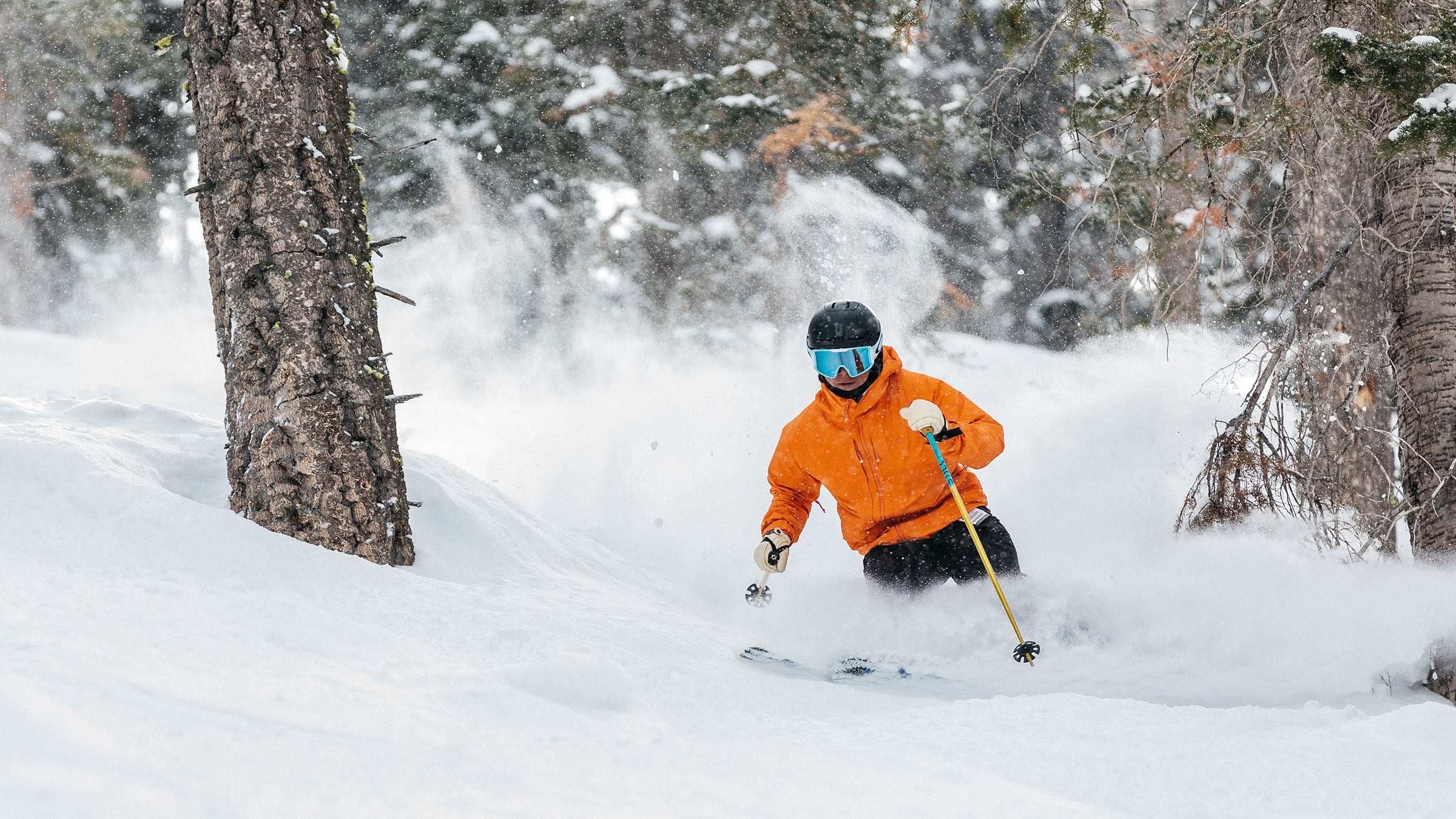
Data gathered from tester feedback highlights that the Bent 100 performs exceptionally well in environments where soft snow is prevalent or renewed frequently. Its lightweight nature reduces leg fatigue significantly, allowing skiers to log more vertical feet in a single day compared to traditional, metal-laminate all-mountain chargers. However, the data also underscores its limitations: skiers who prioritize high-speed GS-style carving or aggressive crud-busting will find the ski lacking the mass and torsional rigidity required to absorb violent feedback from frozen terrain.
Official Responses and Industry Perspectives
The reception of the 2026 Atomic Bent 100 across the ski industry has sparked engaging discussions among designers, retail experts, and professional athletes.
The Designer’s Vision: Chris Bentchetler
In recent interviews regarding the artistic and functional direction of the 2026 lineup, Chris Bentchetler emphasized the synergy between art and performance. "When we designed the original concept, the goal was to mimic the feeling of surfing on snow," Bentchetler noted. "With the 100-mm platform, we wanted to give everyday skiers that exact same sensation without forcing them to carry a 120-mm plank up the chairlift on a standard resort day. The art reflects that freedom—it’s fluid, abstract, and encourages you to look at the mountain as a blank canvas."
Retail and Market Analysis from Gear Outlets
Major online and brick-and-mortar retailers, such as Evo, have pointed to the Bent 100 as one of the most reliable volume movers in the modern inventory. Retail analysts observe that consumers are increasingly building multi-ski quivers rather than relying on a single compromise ski.
"The Bent 100 occupies a very specific, highly desirable mental real estate for the consumer," says a senior gear buyer for a major Western U.S. outdoor retailer. "Skier demographics are shifting younger and more trick-oriented. People want to throw 361s off side hits, weave through tight aspens, and ski switch without feeling like they are dragging anchors on their feet. The Bent 100 delivers that feel out of the box. And when retailers price-adjust or offer seasonal promotions—sometimes dropping these sought-after boards closer to half-off—they fly off the racks instantly."
Implications for the Future of All-Mountain Skiing
The sustained dominance and iterative success of the Atomic Bent 100 carry broader implications for how ski manufacturers approach product development, marketing, and consumer segmentation.
1. The Death of the "One-Quiver" Myth
For years, the holy grail of ski manufacturing was the universal all-mountain ski—a stiff, metal-infused board meant to carve ice, float powder, and smash crud with equal proficiency. The enduring popularity of the Bent 100 proves that consumers are moving away from this utilitarian ideal. Instead, skiers are embracing specialization. They are willing to own a dedicated powder/playful daily driver like the Bent 100 for soft days, complemented by a narrower carver or a heavier freeride board for other conditions. This behavioral shift encourages manufacturers to lean into distinct personalities for their skis rather than trying to make every product appeal to every skier.
2. The Fusion of Freestyle and Freeride
The design philosophy behind the Bent series blurs the traditional lines between park skiing and big-mountain freeride. By incorporating twin-tip influences, balanced rocker profiles, and ultra-light swings weights into a 100mm platform, Atomic has trained a new generation of skiers to treat the entire mountain like a terrain park. Natural wind lips, cliff drops, and tree gaps are approached with a freestyle mindset. This trend is reshaping how resort topography is utilized by the average recreational skier.
3. Sustainability and Artistic Collaboration
As hardware specifications across competing brands become increasingly homogeneous—with many factories utilizing similar wood cores, sidewall constructions, and base materials—differentiation often comes down to branding and aesthetics. The collaboration between Atomic and Chris Bentchetler demonstrates the immense value of authentic, artist-driven design. Consumers are buying into a lifestyle and a community, not just a slab of fiberglass and wood. This model suggests that future product launches in the snow sports industry will rely even more heavily on cultural currency, limited-edition visual collaborations, and emotional resonance with the target demographic.
Conclusion
The 2026 Atomic Bent 100 is far more than just another entry in a crowded catalog of mid-fat skis. It is a refined, highly specialized instrument tailored for the modern Western resort skier who values playfulness, ease of handling, and creative expression over rigid high-speed charging. While it requires concessions on icy mornings and tracked-out afternoons, its performance in soft snow and its unmatched fun factor ensure that it will remain a defining fixture of modern ski culture for seasons to come.

 Iffa Jayyana
 Evan Lee Salim
 Ali Ikhwan
 Jia Lissa
 Neng Nana

 Dwi Wanna