
 Nana Muazin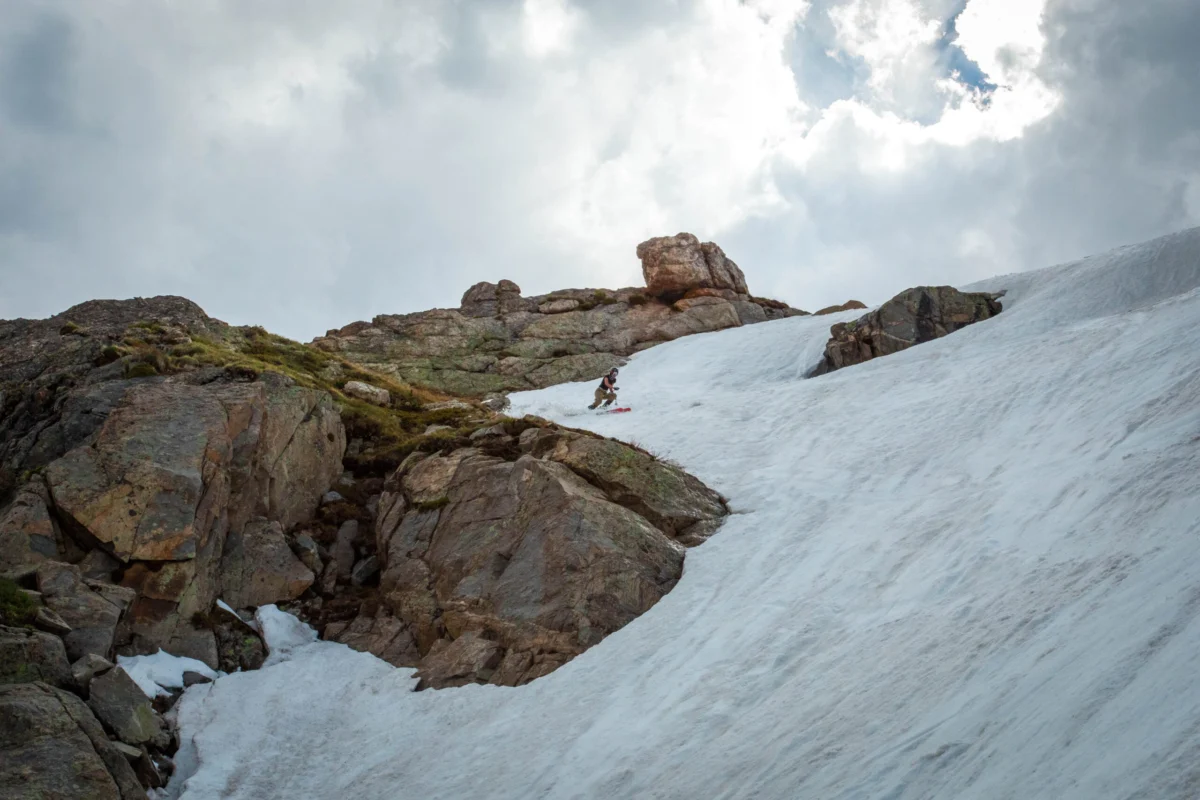
Updated September 20, 2026
By Maggie McCutcheon and Rick Sorensen
Main Facts
For the uninitiated, skiing is strictly a winter pursuit—a seasonal pastime defined by sub-zero temperatures, bulky outerwear, and the hum of chairlifts spinning over frosted pines. But for a dedicated subset of winter sports enthusiasts, skiing is less a hobby and more a chronic, year-round affliction. It is an insatiable craving for the weightless freedom of ripping down a steep line, the physical snap of carving an edge, and the intoxicating adrenaline rush that follows.
While the majority of skiers hang up their gear when spring temperatures rise and goggle tans fade, a resilient community of diehard mountaineers refuses to let go. Armed with sunscreen, splitboards, and touring setups, these summer shredders scour the high-alpine terrain of the Colorado Rockies in search of lingering snowfields.
The epicenter of this obsession sits high above Idaho Springs at St. Mary’s Glacier. Following an abrupt end to the traditional winter ski season due to pandemic-related resort closures, local ski bums—fueled by cheap beer and endless viewings of classic Warren Miller ski films—burst out of lockdown restrictions eager to reclaim their mountain freedom. Trading resort grooming for human-powered ascents, these rugged outdoor adventurers proved that the spirit of skiing cannot be melted away by the June sun.
Chronology: A Day in the Life of a Summer Ski Mission
Morning: Departure from Boulder and the Ascent Up Route 6
The journey began early in Boulder, Colorado, under a blazing 80-degree sun that cast a brilliant golden glow across the jagged, iconic rock faces of the Flatirons. Packing skis, boots, and an arsenal of sunscreen into the trunk, we headed west.
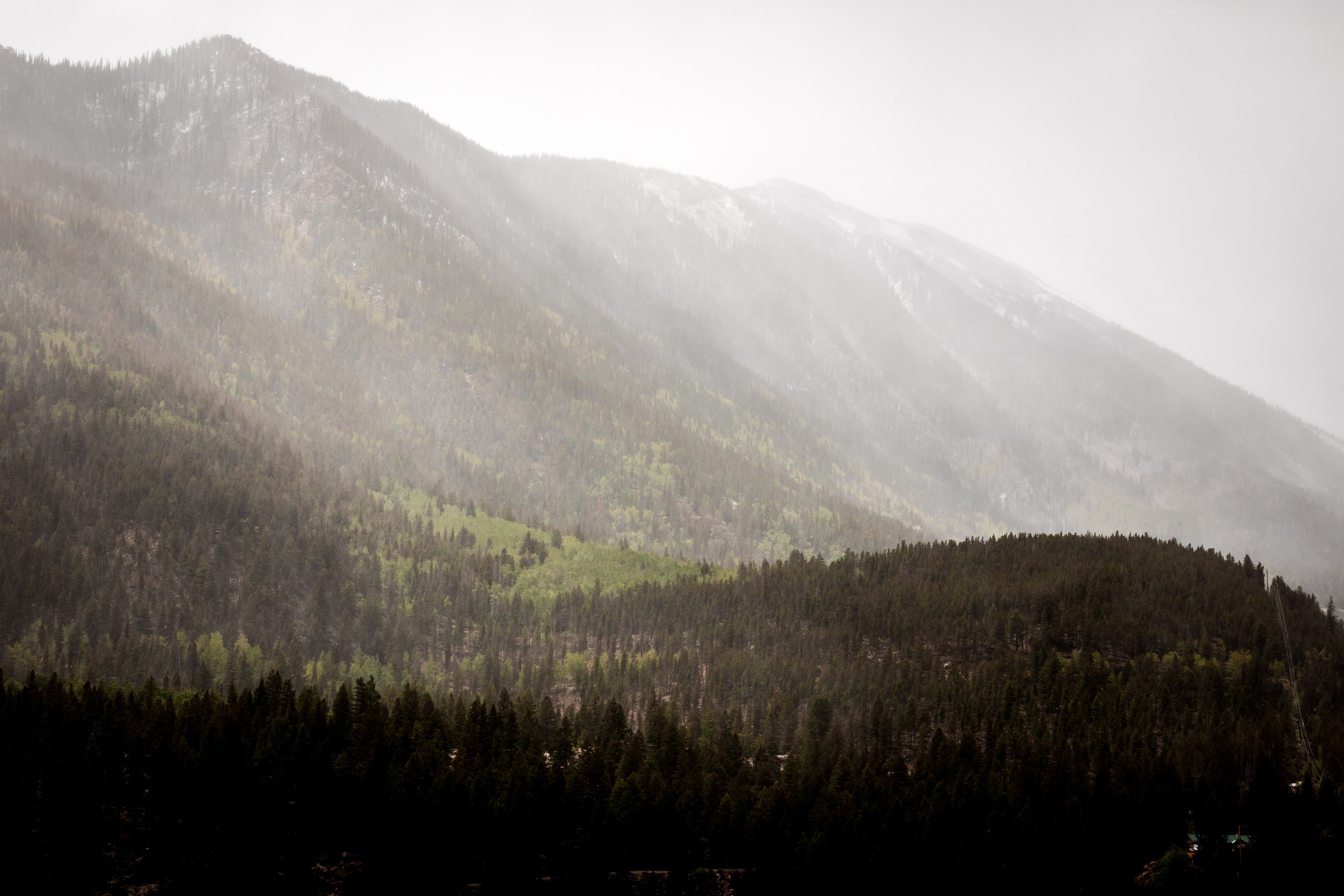
Winding up Route 6, the landscape transformed rapidly. Rock climbers hung suspended like colorful spiders hundreds of feet above the highway, while the icy, churning waters of Clear Creek rushed alongside the pavement. An hour and fifteen minutes later, we arrived at the St. Mary’s Glacier trailhead, greeted by a chaotic parking lot overflowing onto the adjacent "No Parking" zones—a clear indicator of just how starved Coloradans were for outdoor recreation.
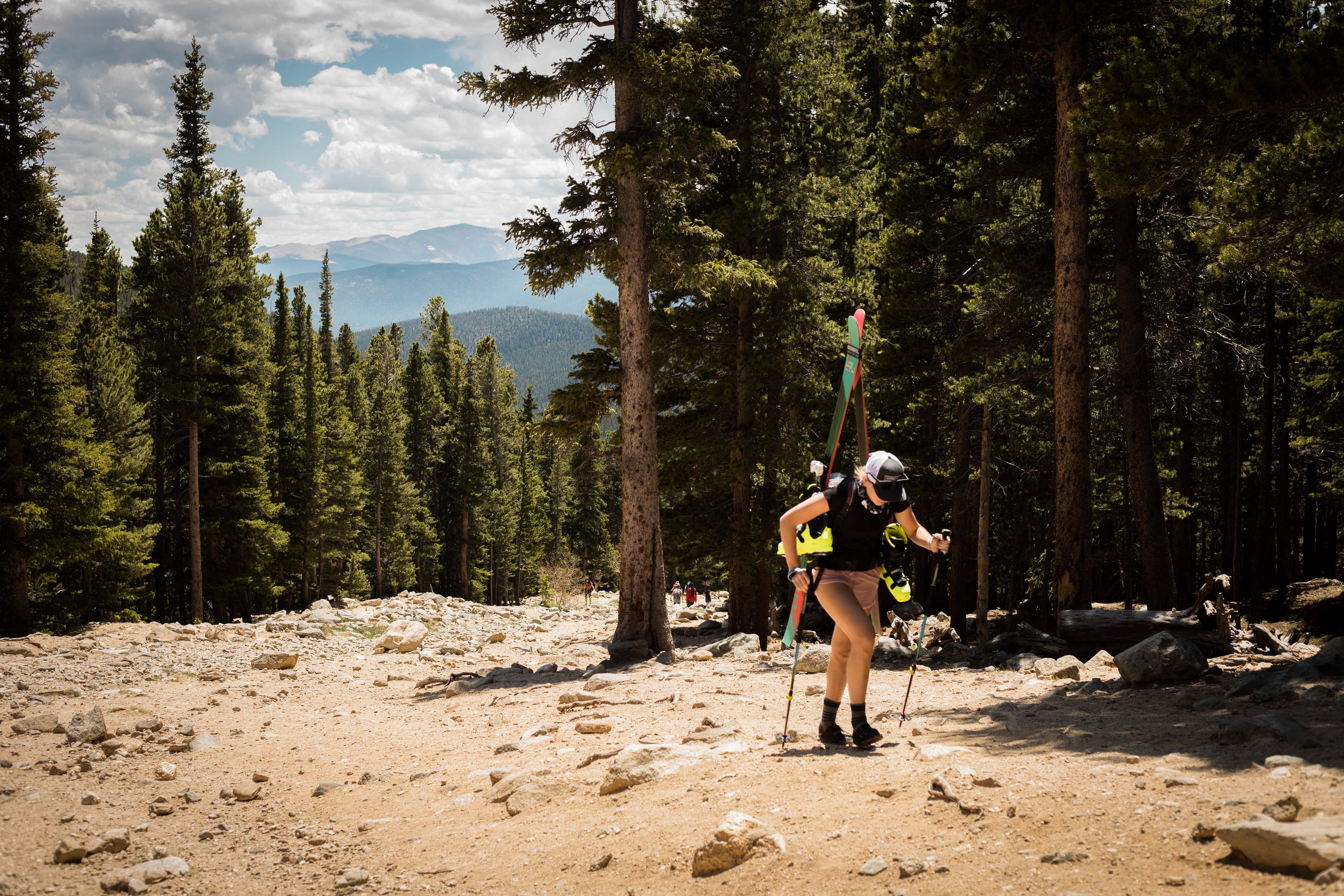
The trail itself was a melting pot of summer mountain culture. Legging-clad hikers, trail runners, and even children in sandals surged upward through the sparse, sun-dappled pine forest, sharing the switchbacks with heavy-laden backcountry skiers hauling their gear to the snowline.
Midday: The Proglacial Lake and the Sweat-Inducing Trek
As we made our final push out of the treeline, a crisp, refreshing breeze whipped off the proglacial lake. The water shimmered in a breathtaking turquoise hue under the afternoon sky, serving as a vibrant basecamp. Surrounding the shore were picnicking families, dogs splashing in the shallows, sunbathers, and hammock-lounging locals soaking in the alpine atmosphere.
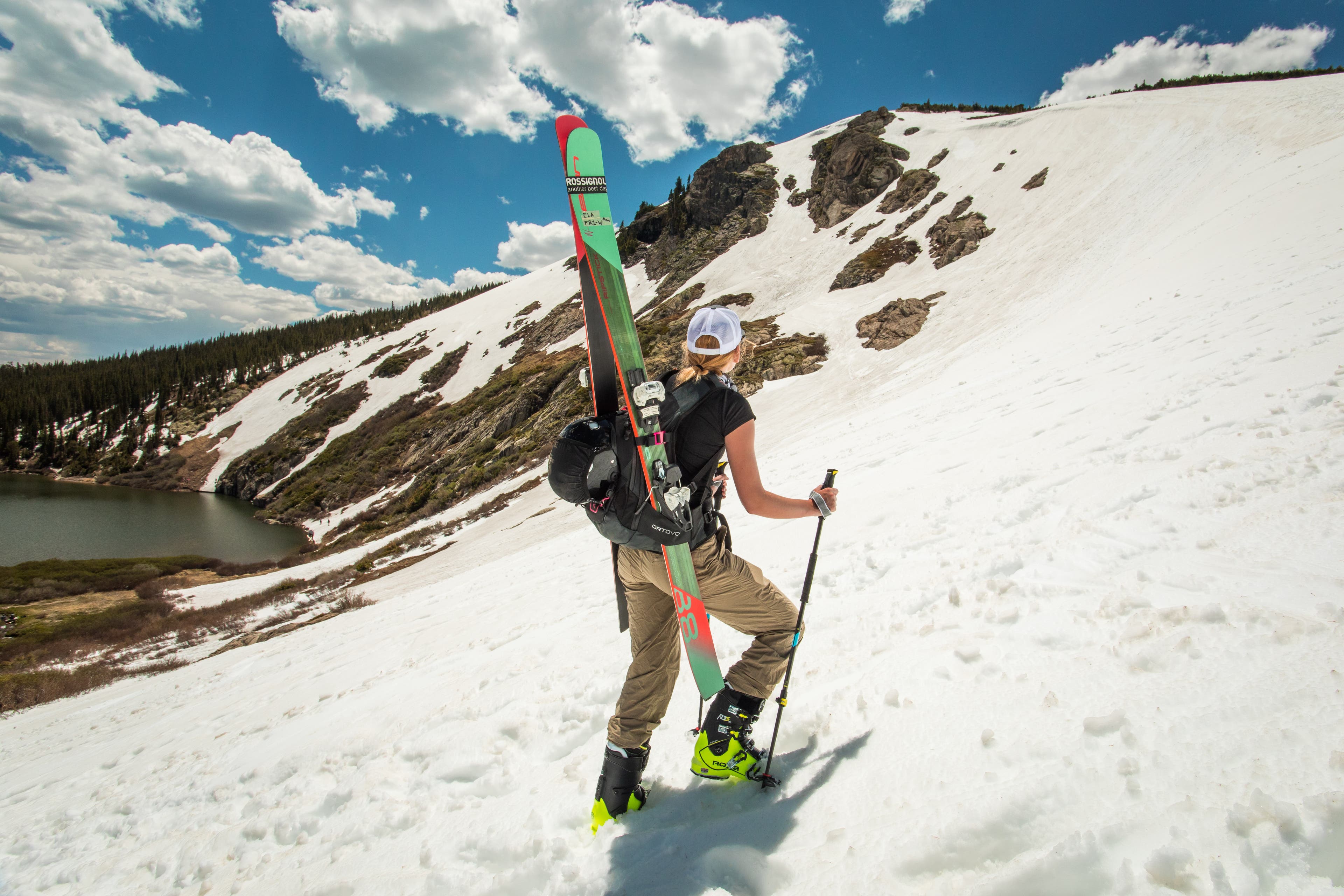
Ditching our Birkenstocks for rigid plastic ski boots, the reality of summer mountaineering set in immediately. Trekking up loose dirt trails with skis strapped to packs while wrapped in insulating layers quickly induced a heavy sweat under the baking sun. However, the physical discomfort evaporated the moment we topped the rise and looked down at the snowfield stretching out below us.
Afternoon: Slush, Corn Snow, and the First June Turns
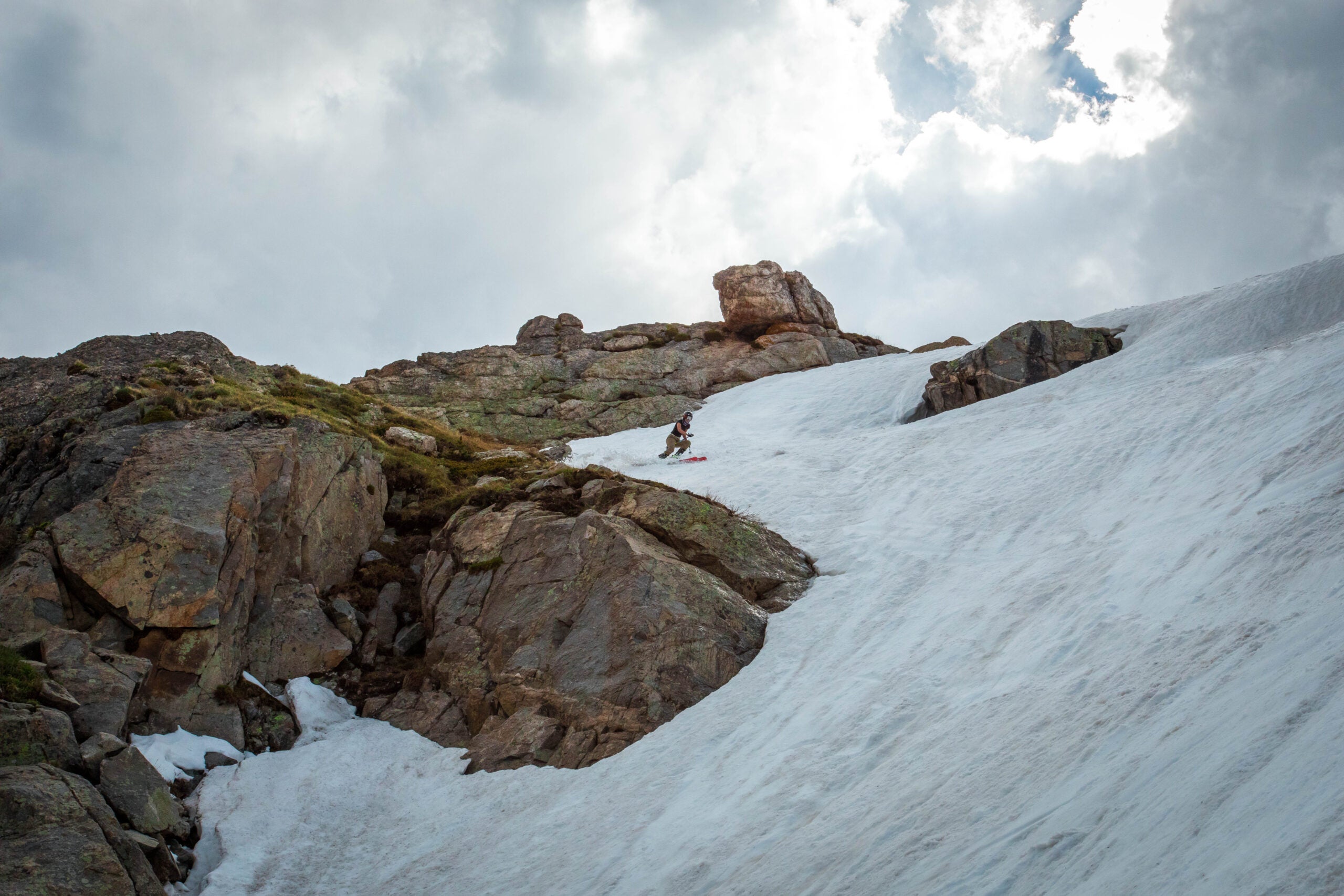
Dropping into our first turns of June delivered an indescribable euphoria, amplified tenfold by the abrupt termination of the winter resort season. Though the snowpack was sun-soaked, wet, and heavy, it yielded cleanly to our edges, providing an exhilarating, splashy ride down the slushy gradient.
Initially, our movements were cautious and mechanical—awkward pole plants and deliberate hop turns designed to recalibrate our muscle memory to the unpredictable summer snowpack. But as the afternoon sun began its slow descent behind the jagged peaks, the snow transformed, rewarding our persistence.
Eyeing a protected chute near the top of the ridge that had remained shielded from the harshest solar glare, we hoisted our skis onto our shoulders for one final, grueling push. With the elevation climbing past 10,000 feet, our legs quickly turned to rubber, testing our cardiovascular endurance to its absolute limits.
Near the summit, we crossed paths with another displaced East Coast transplant: Dillon Priolet, originally from Darien, Connecticut. Priolet, who was out grabbing some after-work turns, casually mentioned that this marked his 100th day on snow for the calendar year. After a brief exchange of east-meets-west ski lore, we prepped for our final descent.
Evening: The Final Descent and Community Celebration
The evening chill firmed up the remaining snow surface, allowing us to lay down longer, more graceful arcs. As we carved downward, the cold breeze brushed against our bare arms, a sharp reminder that despite the snow beneath our feet, it was unequivocally summer. Patches of exposed brown earth and jagged grey rocks framed the edges of our line.
Skidding to a halt at the base of the glacier, time seemed to slow down. Spontaneous cheers erupted from the diverse crowd gathered along the lake shore—hikers, families, and tourists alike. In that moment, it was clear: the allure of a snowy mountain escape transcends skiing ability, uniting everyone in a shared appreciation for alpine adventure.
Supporting Data & Environmental Context
Summer skiing in Colorado is uniquely dependent on microclimates, winter snowpack accumulations, and late-spring weather anomalies.
- Elevation Impact: St. Mary’s Glacier sits comfortably above 10,000 feet, allowing snow to persist well into the summer months, particularly within protected glacial cirques facing north and northeast.
- Weather Volatility: The durability of summer snow is heavily reinforced by freak alpine weather events. For instance, a notable cold front slammed into the Colorado Rockies on June 9, dropping upwards of a foot of fresh, high-elevation powder on peaks throughout the range—providing an unexpected mid-summer refresh for dedicated backcountry travelers.
- Participation Surges: Data from outdoor recreation monitoring groups indicated a massive spike in backcountry traffic during the easing of pandemic restrictions, as outdoor enthusiasts sought socially distanced activities in open alpine environments.
Official Perspectives and Safety Warnings
While the pursuit of summer turns offers unmatched psychological and physical rewards, mountain authorities and experienced mountaineers emphasize that backcountry skiing outside of patrolled resort boundaries comes with heightened risks.
"It is all too common that less experienced skiers disregard their limits when venturing into the backcountry," noted veteran mountain guides. "As the temperatures climb and the snow softens into unpredictable slush, it is easy to forget the crucial safety protocols that we strictly observe during the dead of winter."
Furthermore, public health officials and search-and-rescue organizations issued explicit guidance during the reopening phases of outdoor recreation:
- Preserving Medical Resources: Backcountry travelers have a civic responsibility to avoid imposing any additional burden on healthcare workers and emergency first responders who are already managing regional healthcare challenges.
- Skill Alignment: Skiers are strongly urged to stay well within the strict limits of their personal ability. The golden rule of the backcountry remains: If you don’t know, don’t go.
- Preparedness: Summer gear essentials—including proper navigation tools, hydration, sun protection, and awareness of changing snow conditions—are just as critical in June as they are in January.
Implications for the Future of Mountain Culture
The vibrant scene at St. Mary’s Glacier highlights a profound shift in modern outdoor culture. Skiing is no longer confined by the operating dates dictated by corporate resort calendars. Instead, human-powered touring and glacier skiing represent a growing counter-culture that values self-reliance, exploration, and a year-round connection to the mountains.
At the same time, this surge in popularity poses significant conservation challenges. Increased foot traffic accelerates the erosion of delicate alpine tundra, crowds fragile ecosystems around high-altitude lakes, and tests the infrastructure of rural mountain communities.
Ultimately, the enduring popularity of summer turns proves that the soul of skiing is indestructible. Whether carving through crisp February powder or hiking across melting June snowfields under a blazing sun, the community remains united by a shared passion—reminding us all to respect the mountains, protect one another, and live to ski another day.

 Iffa Jayyana
 Evan Lee Salim
 Ali Ikhwan
 Jia Lissa
 Neng Nana

 Dwi Wanna