
 Sagoh
Sagoh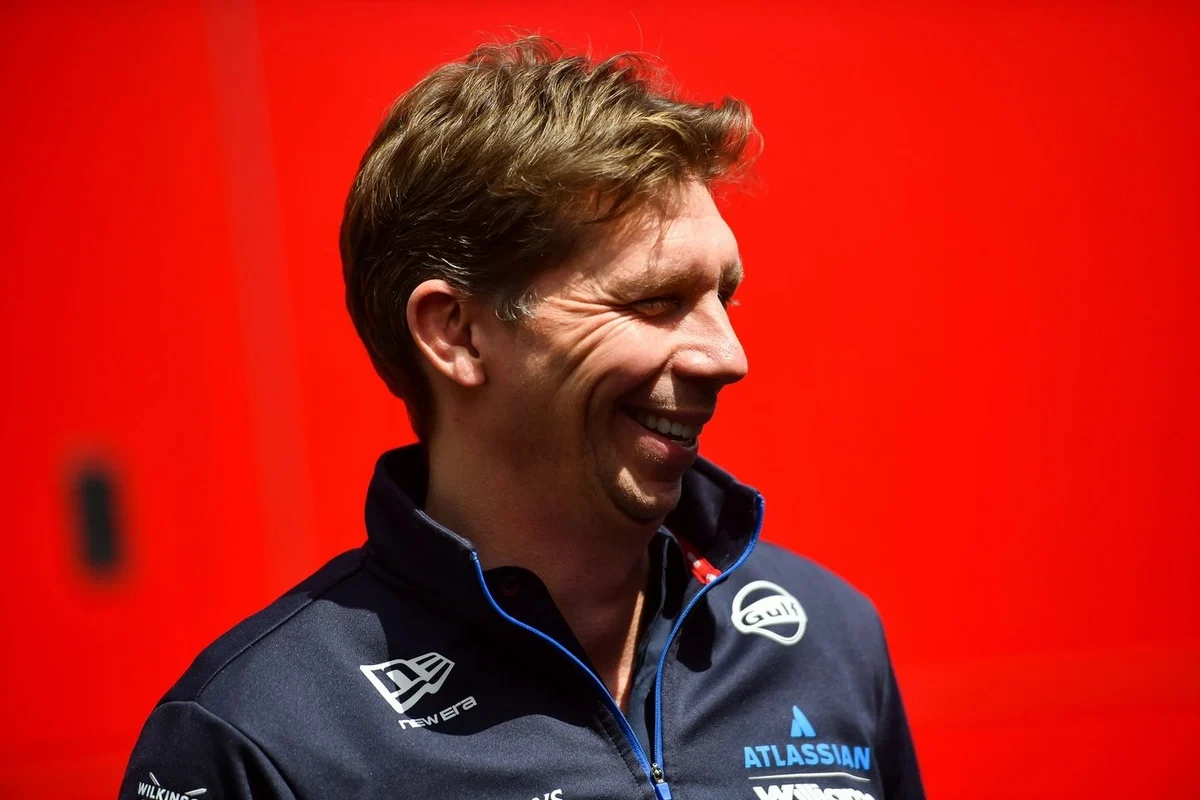
MADRID — Formula 1’s newest venue has officially welcomed the world, and while the racing action left some fans wanting more, the overarching reviews from the paddock suggest that the Spanish capital has laid a strong foundation for a glittering future in the sport.
Williams Racing Team Principal James Vowles has stepped forward to praise the organizers of the inaugural Spanish Grand Prix at the brand-new Madring circuit. Speaking on the latest episode of his digital review series, The Vowles Verdict, the seasoned team boss defended the event against early criticisms, predicting that Madrid could soon cement its status as one of the true standout fixtures on the annual FIA Formula 1 World Championship calendar.
Yet, beneath the glossy exterior of a successful capital-city race weekend lay genuine sporting challenges. The circuit’s layout, praised by drivers for its technical complexity and demanding nature, proved notoriously difficult for wheel-to-wheel combat. As teams review the data and look ahead to future iterations of the event, the debate over layout modifications, tire behavior, and Williams’ own internal struggles paints a complex picture of F1’s newest destination.
Main Facts: A New Era for Spain in Formula 1
The inaugural Spanish Grand Prix at the Madring circuit marked a historic shift for motorsport in the country, relocating the premier class away from the traditional home of the Circuit de Barcelona-Catalunya to the heart of the capital region.
Key takeaways from the inaugural weekend include:
- Logistical Triumph: Unlike many inaugural street and hybrid circuits that suffer from chaotic paddock access, grid-lock, and infrastructure failures, Madrid’s organization was widely lauded.
- Accessibility and Space: Situated roughly half an hour from the city center—and a mere 10-minute metro ride away—the venue offered vast paddock and fan-zone spaces, reportedly ten times larger than the average modern F1 street circuit.
- The Racing Dilemma: Despite the organizational success, the on-track action suffered due to a distinct lack of overtaking opportunities, prompting calls from teams and pundits for layout adjustments ahead of the 2027 season.
- Technical Challenges: Drivers reported that the track layout provided a stern and enjoyable driving challenge, but the lack of passing zones neutralized strategic variability during the grand prix itself.
- Williams’ Struggles: For Williams, the weekend compounded existing car performance deficits, highlighting a lack of recent upgrades compared to their direct midfield rivals.
Chronology: From Build-Up to the Checkered Flag
The journey to the first-ever Madring Formula 1 Grand Prix was fraught with high expectations, intense scrutiny, and the usual anxieties associated with introducing a new venue to a hyper-compressed modern F1 calendar.
Build-Up and Arrival
Weeks prior to the event, team logistics personnel and FIA officials inspected the Madring circuit. While construction and safety certifications met tight deadlines, skepticism remained regarding how a newly paved hybrid street circuit would handle the immense loads generated by modern ground-effect Formula 1 cars. Teams arrived in Madrid facing the unknown, with zero historical telemetry to rely on for setup simulations.
Practice and Qualifying
Free practice sessions immediately validated the drivers’ expectations: the track was fast, highly technical, and completely unforgiving. Drivers wrestled their machines through complex sequences of corners that tested both car balance and physical endurance. However, engineers quickly noticed a troubling trend during long-run simulations. On the softer Pirelli compounds (the soft and medium tires), severe graining set in rapidly, degrading lap times. Meanwhile, qualifying saw tight margins, but underscored the stark performance disparities in the midfield.
Race Day and the Inaugural Grand Prix
When the lights went out on Sunday, the capital city venue delivered a visually stunning backdrop, backed by roaring grandstands filled with passionate Spanish fans eager to support local heroes. Yet, once the initial start phase settled, the limitations of the circuit layout became glaringly apparent. Clean air dictated pace, and following another car closely through the technical, winding sections proved nearly impossible. Drivers locked into trains, rendering strategic overtaking a rarity.
Despite the lack of on-track passing, the race unfolded as an intriguing test of tire preservation—particularly on the hard compound, which managed to survive race distances far beyond initial expectations—before crowning the weekend’s ultimate victors and sending teams into immediate debrief sessions.
Supporting Data: Infrastructure, Tires, and Performance Metrics
Analyzing the success of a grand prix requires looking beyond the spectacle and examining the cold, hard metrics of logistics, tire performance, and engineering data collected over the weekend.
Spatial Logistics and Infrastructure
One of the most striking revelations from James Vowles’ post-race analysis was the sheer physical footprint of the Madring venue.
- The Scale: Vowles noted that the event offered roughly 10 times more space than standard modern F1 street circuits.
- The Trade-Off: While this expansive layout provided massive fan villages, generous hospitality zones, and eased crowd congestion, it came with a humorous physical tax. Paddock personnel, media, and drivers found themselves racking up steps, with Vowles joking that team members quickly "wore out their shoe leather" navigating the vast distances between the various arenas and the team garages.
- Commuter Efficiency: Situated only 30 minutes from downtown Madrid—and a remarkably swift 10 minutes via the metro system—transportation logistics received glowing marks from teams and traveling media alike.
Tire Performance and Pirelli’s Hard Compound Triumph
Pirelli’s rubber selection played a defining role in how the grand prix unfolded strategically:

- The Soft and Medium Graining Issue: During Friday and Saturday long runs, teams utilizing the soft and medium compounds experienced acute graining. This phenomenon—where strips of rubber tear away from the tire surface due to sliding—caused a sudden, steep drop-off in lap performance lap-over-lap, heavily influencing qualifying and race stint lengths.
- The Hard Compound Savior: Conversely, the hard compound proved to be a masterclass in durability. Multiple teams successfully pushed the hard tires to near-complete race distances. Vowles praised Pirelli and the circuit’s track surface condition, noting that while the compound was pushed to the absolute edge, it stayed on the "good side" of performance and safety, validating the supplier’s pre-race forecasts.
Official Responses: James Vowles and the Paddock Perspective
Williams Team Principal James Vowles did not shy away from addressing both the triumphs and the tribulations of the Madrid weekend. Offering a candid assessment on The Vowles Verdict, Vowles balanced high praise for the local promoters with harsh honesty regarding his own team’s technical shortcomings.
"First and foremost, well done to the organisers," Vowles stated. "It’s the first year of the grand prix, and typically that just means the event is a little chaotic, but it wasn’t the case in Madrid. In fact, what I would say is it may be one of the races to watch in the future."
Detailing the physical layout and transport links, Vowles emphasized the ease of access for attendees before pivoting to the circuit’s racing dynamics:
"In terms of the track itself, as you saw, very technical, and the drivers all commented that it was a difficult challenge for them, an enjoyable challenge for them. But the racing also suffered slightly, and I’m sure the circuit organisers will be looking into how they can improve that for next year."
When turning his focus inward to Williams’ performance, Vowles offered a sobering reality check regarding the FW-series car and its current development trajectory:
"For us, a difficult grand prix, we knew it was going to be difficult going into it. It’s just exaggerating the issues we have at the moment and we haven’t added performance to the car for far too long and have fallen back relative to teams around us."
Despite these internal team struggles, Vowles reiterated his confidence in the circuit’s tarmac and the overarching event management, concluding: "As I said, the main real issue is: let’s look into how we can get more overtaking in future years. Otherwise, well done. Brilliant first race."
Implications: What Madrid Means for the Future of F1
The successful debut of the Madrid Grand Prix carries significant ramifications for the commercial, technical, and geographical makeup of the Formula 1 World Championship.
1. Pressure on Circuit Design and Layout Modifications
While capital city venues guarantee immense commercial revenue, high-profile media attention, and local governmental backing, they are perpetually vulnerable to the "boring race" critique. The lack of overtaking at Madring has already sparked internal discussions among FIA race directors, circuit architects, and team principals. For Madrid to truly become the standout event Vowles envisions, layout tweaks—potentially modifying slow-speed heavy braking zones or reshaping critical corner complexes—will likely be evaluated ahead of the 2027 championship.
2. The Midfield Arms Race
For teams like Williams, the Madrid weekend served as a stark reminder of the unforgiving nature of the F1 development race. Vowles’ admission that Williams has gone "far too long" without adding meaningful performance highlights a broader truth of the current aerodynamic regulations: standing still equals moving backward. As rival midfield organizations continue to pump upgrades into their wind tunnels, Williams faces intense pressure to accelerate its development pipeline to avoid being swallowed by the competition at every upcoming round.
3. The Blueprint for Future Street Circuits
Madrid has successfully disproven the myth that first-year street races must be synonymous with organizational chaos, transport nightmares, and cramped paddocks. By leveraging ample land space—roughly ten times that of traditional street tracks—and integrating seamlessly with a robust municipal metro system, Madrid has established a new gold standard for how modern cities can host a Formula 1 grand prix without choking local infrastructure.
If event organizers can successfully address the on-track overtaking drought in collaboration with the FIA and Formula One Management, Madrid’s place on the calendar will transform from a commercial novelty into an undisputed sporting masterpiece.

 Iffa Jayyana
 Dwi Wanna
 Suro Senen
 Pevita Pearce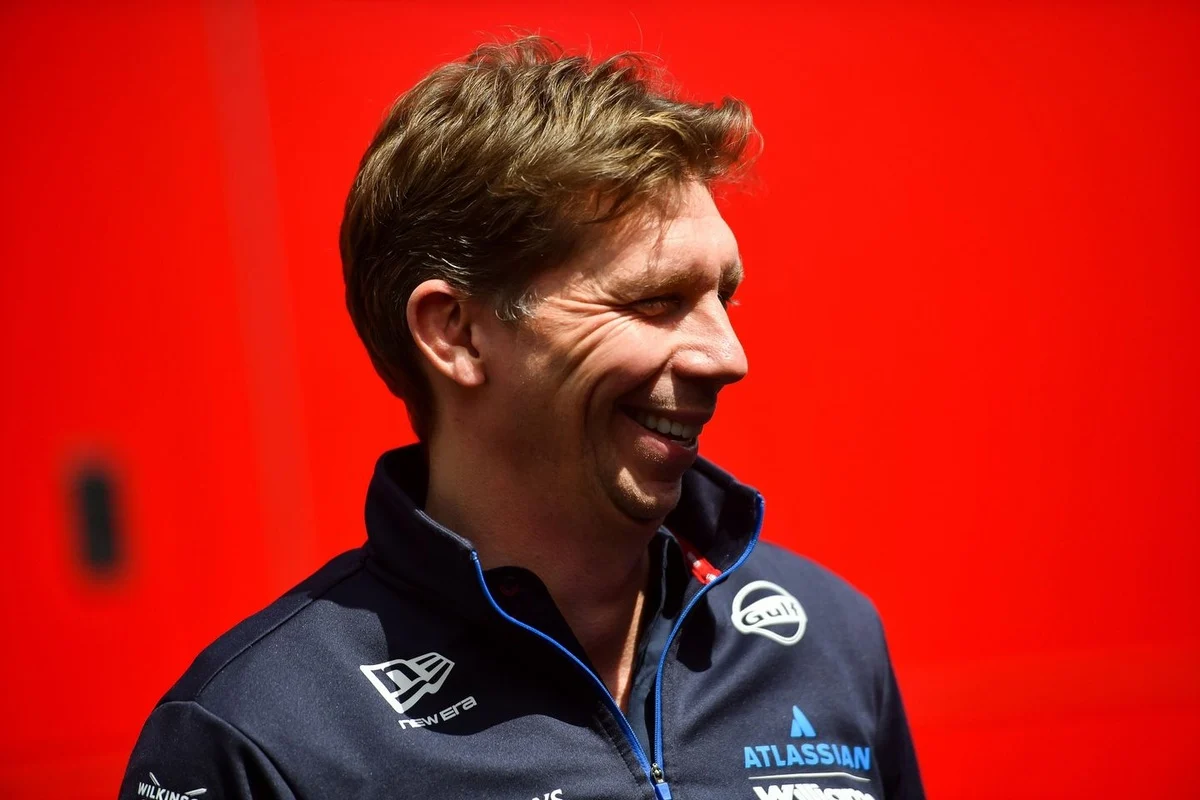

 Reynand Wu
 Lina Hope