Trending News:Bayern Munich Crisis: Harry Kane Sidelined for Months Following Ankle InjuryThe Boiling Point of Peloton Safety: How a Five-Minute Protest at Il Lombardia Marked a Turning Point for Professional CyclingThe Spirit of the District: How Washington’s NWSL Powerhouse Became a Cultural BeaconThe New Face of Leonida: Why Vicki the Bartender Has Captured the GTA 6 Community’s ImaginationElite Endurance Stars Collide: World Athletics Cross Country Tour Brings High-Stakes Battles to Atapuerca and Cinque MuliniCycling Royalty to Meet Pope Leo XIV at the Vatican: A Historic Summit for Peace and SportLyon Assert European Dominance with Clinical Victory Over Arsenal at Meadow ParkInside Cadillac F1’s Driver Dilemma: Why Stability Prevailed Over a Shakeup for 2027The Elite Echelon: Rugby World’s Top 50 Countdown Continues (40-31)The Architect of Greatness: How Chris Williams Found His True Calling in the Shadow of a LegendWolfpack Elite GAC Invitational: Opening Night Delivers High-Octane Midseason DramaRaising the Bar for Family Skiing: How Banff Sunshine Village is Redefining Multi-Generational Mountain AdventuresStalemate in London: Chelsea and PSG Play Out Tactical Deadlock in Women’s Champions LeagueRoyals Designate Kyle Isbel for Assignment Following Blockbuster Trade with MarinersSt. Louis Blues Forward Adam Jecho Cleared by NHL/NHLPA Player Assistance Program, Reports to AHL SpringfieldInside the Racing Bulls Decision: How Liam Lawson’s 2026 Resurgence Secured His Future and Balanced Red Bull’s Junior StrategyThe Pochettino-Guardiola Nexus: A New Era for the USMNT and the Legacy of a DepartureHendrick Motorsports Shakes Up Crew Chief Lineup: Rudy Fugle Moves to Alex Bowman’s No. 48 Team While Adam Wall Promoted to William Byron’s No. 24Tactical Masterclass and Nerve-Wracking Finale: England Edge Past Spain in Nations League ThrillerDecoding the Red Bull Dilemma: Why the Second Seat Became F1’s Most Impossible ChallengeLegal Standoff: Dana White’s Power Slap Battles Parody Rival ‘Power Spank’ Over Branding RightsBattle of the Fallen: Scotland and Australia Eye Redemption at MurrayfieldRemembering Bill Watters: A Towering Figure in Canadian Hockey, Media, and Front-Office ManagementRising Star Emma Grace Richardson Commits to NC State: A New Era for Wolfpack SprintingFrom Hardgoods to Hardshells: Why Iconic Ski Brand Atomic is Taking a Gamble on the Crowded Apparel MarketNations League Roundup: A New Era Begins as Denmark Stuns Portugal and Northern Ireland Inches Toward GloryHow Mercedes Won Early and Stumbled Late: Inside the 2026 F1 W17 Development ParadoxRising Stars Define the 2026 NOVA Short Course Senior Classic: A Masterclass in Youth SpeedMcGinn Magic Saves Scotland: A Tense Night at Hampden ParkThe Evolution of a Digital Icon: Daily Dose of Internet Enters the "Semi-Retirement" EraThe Iron Men: A Deep Dive into the Top 10 Most-Capped Men’s Rugby Players of All TimeMcAnally-Hilgemann Racing Overhauls Leadership and Crew Chief Lineup in Pursuit of 2027 NASCAR FedEx Freight Truck Series GloryThe Return of the Theorist: MatPat Ends YouTube Hiatus with a New Vision for Content CreationThe Ultimate Pilgrimage: Why the Men’s Rugby World Cup 2027 in Australia is a Once-in-a-Lifetime OpportunityGiants Overhaul Coaching Staff: James Rowson Named Offensive Coordinator in Major ShakeupA Voice That Defined Generations: Remembering Iconic NBC Sportscaster Dan HicksSteiner Questions Hamilton’s Ferrari Impact, Argues Verstappen Is the Ultimate Fit for MaranelloThe Global Stage: Navigating the 2026 Nations Championship Broadcast LandscapeTexas Rangers Overhaul Coaching Staff: Tommy Joseph Joins Hitting Department in Push for Offensive ConsistencyLife Time Grand Prix Raises the Stakes: Record $800,000 Prize Purse Set for 2027 Off-Road SeriesGermany’s Elite Swimmers Converge: 2026 Short Course Championships Open in WuppertalRethinking Recovery: How Harmless Harvest is Cutting Through the Hydration Noise with Uncomplicated, Plant-Based NutritionSteiner Questions Hamilton’s Ferrari Impact, Argues Verstappen Is the Ultimate Fit for MaranelloKimi Antonelli Honors Pledge with Tricolore Makeover as Mercedes Celebrates Historic Double Title Triumph at BrackleyHigh Stakes in Newcastle: New Zealand and Tonga Clash for a World Cup Final BerthTemple Cycles Enters Liquidation: Bristol Bike Maker Closes After 12 YearsRaising the Bar: World Athletics Unveils Gruelling Qualification Standards for the Los Angeles 2028 Olympic GamesNCAA All-American Lucy Thomas Enters Transfer Portal, Signaling Shift in Graduate Eligibility LandscapeThe Battle for Eastern Supremacy: SKI Magazine Readers Rank the Top 10 Eastern Resorts for Terrain VarietyThe Resurrection of the Ghost Ship: Mauricio Pochettino and the Manchester United ConundrumThe Commercial Shift in Formula 1: Lewis Hamilton Slips as Charles Leclerc Takes the F1 Marketability CrownThe Mustache Protocol: How Henry Cavill’s AI-Powered Passion Project Defied Industry SkepticismThe Red Rose Paradox: Why England’s Men Are Better Than the Critics BelieveBritish Marathon Star Josh Griffiths Handed Three-Month Ban After Positive Test for Cocaine MetaboliteDrama and Dominance: Chandler Park and Phoenix Country Day Crowned at 2026 AIA Division 3 State Swimming ChampionshipsThe Ultimate All-Mountain Evolution: Inside Backcountry’s Redesigned Cottonwoods Xpore LT G2 KitThe Shifting Landscape of F1 Marketability: How Leclerc Overtook Hamilton in the 2026 SportsPro RankingsFormula 1 Clears Path for Middle Eastern Season Finale Despite Regional InstabilityThe Hare and the House: The Intellectual Property Tug-of-War Over Jazz JackrabbitThe Global Stage Reimagined: Your Comprehensive Guide to the 2026 Nations ChampionshipThe Evolution of Gravel Racing: Inside The Traka World Series’ New 2027 Ranking and Qualification ArchitectureA New Chapter: Olympic Legend Tatjana Smith Switches Allegiance to the NetherlandsThe Art of the Corduroy: Ranking the Top 10 Eastern Ski Resorts for GroomingBeyond the Curly Hair and the Legend: How Kimi Antonelli Earned the Blessing of the Senna FamilyThe Paper Archive: How One Man’s Four-Decade Obsession Preserved a Century of Rugby HistoryCanyon-SRAM Enters the AI Era: German WorldTour Squad Pioneers Machine Learning in Women’s Cycling with FasCat PartnershipInside the Rise of Van Deer-Red Bull Sports: How a Racing Legend’s Startup is Shaking Up the Ski IndustryFord Stars to Light Up Daytona: Star-Studded Veteran’s Day Charity Race Blends Motorsport Glory with National GratitudeThe Weight of a Long Season: Why George Russell’s Defeatist Look at Interlagos Tells a Deeper F1 StoryDavid vs. Goliath: Italy Faces Springbok Might in Turin’s Nations Championship ClashA Record-Breaking Masterclass: Marrit Steenbergen Shatters Long-Standing Dutch IM StandardThe Ultimate Storm-Chasing Playbook: Expert-Tested Gear for the Deepest Winter CyclesGeorge Russell Teases Karting Academy Launch in Mysterious Social Media Video Ahead of Final F1 StretchHyrule’s New Physics: Speedrunners Break The Legend of Zelda: Ocarina of Time Remake in Record TimeHistory in the Making: Can Scotland Finally Break the All Black Curse at Murrayfield?Behind the Scenes with Luke Tuckwell: How an Early Finish and a Reset Off-Season Are Fueling His 2027 CampaignWeekend Cross-Country Roundup: Grace Baker Ends Title Drought as Regional Leagues Fire into LifeA New Chapter: Olympic Gold Medalist Shayna Jack Marries Joel RintalaBeyond the Stereotype: The Ultimate Guide to the East Coast’s Top 10 Snow ResortsGeorge Russell Teases Major Karting Venture Ahead of Imminent November 12 AnnouncementBeyond the Simulations: Max Verstappen Defies All Odds with Historic Charge from P21 to P2 at InterlagosA Clash of Titans: Australia and Samoa Set for High-Stakes World Cup Semi-Final ShowdownThe Ascension of Isaac del Toro: From Mexican Prodigy to WorldTour DominatorBeyond the Powder: How Red Bull and Legs of Steel’s ‘We Can’t Not’ Reimagines the Modern Ski Film for EveryoneDefying the Data: Max Verstappen’s Legendary Interlagos Charge Rewrites the Red Bull PlaybookAntonelli Channels Frustration into Celebration as Mercedes Secures F1 Constructors’ Crown in BrazilA Defining Sunday at Twickenham: England Faces Australia in Crucial Nations Championship ClashA New Era in the Arena: The WTGL Launches High-Tech Golf for the Women’s GameNHL Department of Player Safety Fines Islanders’ Logan Stanley Maximum Amount Following Heated Clash with Devils’ Nico HischierSlow Start Derails Cameron Mason’s Podium Quest at European Cyclo-cross Championships in ZeddamSpeed and Stakes: Russian Short Course Nationals Intensify Selection Drama for BeijingThe Great White Horizon: How Québec’s Public Lands and Deep-Rooted Winter Culture Define the Ultimate Cold-Weather ExpeditionFrom Potential Glory to Frustration: Kimi Antonelli’s Brazilian Grand Prix Drama and Mercedes’ Triumphant MilestoneLiam Lawson Laments "What Might Have Been" After Sao Paulo GP Qualifying Mistake Promotes Him to P3Wales vs Japan: Gallagher Premiership Stars Converge for a Tactical Showdown at the PrincipalityThe Last Stand? Max Scherzer’s Offseason “Lockout Games” and the Quest for Milestone HistoryDrama in Zeddam: Lucinda Brand Awarded European Cyclo-cross Title After Dramatic Sprint RelegationThe College Swimming League Announces Return for Season Two Following Inaugural SuccessThe State of North American Skiing: Inside the 2027 Reader Resort Survey RankingsLawson Left Wanting More in Sao Paulo Despite Securing P3 Grid Slot After Wet Qualifying Thriller
Trending News:Bayern Munich Crisis: Harry Kane Sidelined for Months Following Ankle InjuryThe Boiling Point of Peloton Safety: How a Five-Minute Protest at Il Lombardia Marked a Turning Point for Professional CyclingThe Spirit of the District: How Washington’s NWSL Powerhouse Became a Cultural BeaconThe New Face of Leonida: Why Vicki the Bartender Has Captured the GTA 6 Community’s ImaginationElite Endurance Stars Collide: World Athletics Cross Country Tour Brings High-Stakes Battles to Atapuerca and Cinque MuliniCycling Royalty to Meet Pope Leo XIV at the Vatican: A Historic Summit for Peace and SportLyon Assert European Dominance with Clinical Victory Over Arsenal at Meadow ParkInside Cadillac F1’s Driver Dilemma: Why Stability Prevailed Over a Shakeup for 2027The Elite Echelon: Rugby World’s Top 50 Countdown Continues (40-31)The Architect of Greatness: How Chris Williams Found His True Calling in the Shadow of a LegendWolfpack Elite GAC Invitational: Opening Night Delivers High-Octane Midseason DramaRaising the Bar for Family Skiing: How Banff Sunshine Village is Redefining Multi-Generational Mountain AdventuresStalemate in London: Chelsea and PSG Play Out Tactical Deadlock in Women’s Champions LeagueRoyals Designate Kyle Isbel for Assignment Following Blockbuster Trade with MarinersSt. Louis Blues Forward Adam Jecho Cleared by NHL/NHLPA Player Assistance Program, Reports to AHL SpringfieldInside the Racing Bulls Decision: How Liam Lawson’s 2026 Resurgence Secured His Future and Balanced Red Bull’s Junior StrategyThe Pochettino-Guardiola Nexus: A New Era for the USMNT and the Legacy of a DepartureHendrick Motorsports Shakes Up Crew Chief Lineup: Rudy Fugle Moves to Alex Bowman’s No. 48 Team While Adam Wall Promoted to William Byron’s No. 24Tactical Masterclass and Nerve-Wracking Finale: England Edge Past Spain in Nations League ThrillerDecoding the Red Bull Dilemma: Why the Second Seat Became F1’s Most Impossible ChallengeLegal Standoff: Dana White’s Power Slap Battles Parody Rival ‘Power Spank’ Over Branding RightsBattle of the Fallen: Scotland and Australia Eye Redemption at MurrayfieldRemembering Bill Watters: A Towering Figure in Canadian Hockey, Media, and Front-Office ManagementRising Star Emma Grace Richardson Commits to NC State: A New Era for Wolfpack SprintingFrom Hardgoods to Hardshells: Why Iconic Ski Brand Atomic is Taking a Gamble on the Crowded Apparel MarketNations League Roundup: A New Era Begins as Denmark Stuns Portugal and Northern Ireland Inches Toward GloryHow Mercedes Won Early and Stumbled Late: Inside the 2026 F1 W17 Development ParadoxRising Stars Define the 2026 NOVA Short Course Senior Classic: A Masterclass in Youth SpeedMcGinn Magic Saves Scotland: A Tense Night at Hampden ParkThe Evolution of a Digital Icon: Daily Dose of Internet Enters the "Semi-Retirement" EraThe Iron Men: A Deep Dive into the Top 10 Most-Capped Men’s Rugby Players of All TimeMcAnally-Hilgemann Racing Overhauls Leadership and Crew Chief Lineup in Pursuit of 2027 NASCAR FedEx Freight Truck Series GloryThe Return of the Theorist: MatPat Ends YouTube Hiatus with a New Vision for Content CreationThe Ultimate Pilgrimage: Why the Men’s Rugby World Cup 2027 in Australia is a Once-in-a-Lifetime OpportunityGiants Overhaul Coaching Staff: James Rowson Named Offensive Coordinator in Major ShakeupA Voice That Defined Generations: Remembering Iconic NBC Sportscaster Dan HicksSteiner Questions Hamilton’s Ferrari Impact, Argues Verstappen Is the Ultimate Fit for MaranelloThe Global Stage: Navigating the 2026 Nations Championship Broadcast LandscapeTexas Rangers Overhaul Coaching Staff: Tommy Joseph Joins Hitting Department in Push for Offensive ConsistencyLife Time Grand Prix Raises the Stakes: Record $800,000 Prize Purse Set for 2027 Off-Road SeriesGermany’s Elite Swimmers Converge: 2026 Short Course Championships Open in WuppertalRethinking Recovery: How Harmless Harvest is Cutting Through the Hydration Noise with Uncomplicated, Plant-Based NutritionSteiner Questions Hamilton’s Ferrari Impact, Argues Verstappen Is the Ultimate Fit for MaranelloKimi Antonelli Honors Pledge with Tricolore Makeover as Mercedes Celebrates Historic Double Title Triumph at BrackleyHigh Stakes in Newcastle: New Zealand and Tonga Clash for a World Cup Final BerthTemple Cycles Enters Liquidation: Bristol Bike Maker Closes After 12 YearsRaising the Bar: World Athletics Unveils Gruelling Qualification Standards for the Los Angeles 2028 Olympic GamesNCAA All-American Lucy Thomas Enters Transfer Portal, Signaling Shift in Graduate Eligibility LandscapeThe Battle for Eastern Supremacy: SKI Magazine Readers Rank the Top 10 Eastern Resorts for Terrain VarietyThe Resurrection of the Ghost Ship: Mauricio Pochettino and the Manchester United ConundrumThe Commercial Shift in Formula 1: Lewis Hamilton Slips as Charles Leclerc Takes the F1 Marketability CrownThe Mustache Protocol: How Henry Cavill’s AI-Powered Passion Project Defied Industry SkepticismThe Red Rose Paradox: Why England’s Men Are Better Than the Critics BelieveBritish Marathon Star Josh Griffiths Handed Three-Month Ban After Positive Test for Cocaine MetaboliteDrama and Dominance: Chandler Park and Phoenix Country Day Crowned at 2026 AIA Division 3 State Swimming ChampionshipsThe Ultimate All-Mountain Evolution: Inside Backcountry’s Redesigned Cottonwoods Xpore LT G2 KitThe Shifting Landscape of F1 Marketability: How Leclerc Overtook Hamilton in the 2026 SportsPro RankingsFormula 1 Clears Path for Middle Eastern Season Finale Despite Regional InstabilityThe Hare and the House: The Intellectual Property Tug-of-War Over Jazz JackrabbitThe Global Stage Reimagined: Your Comprehensive Guide to the 2026 Nations ChampionshipThe Evolution of Gravel Racing: Inside The Traka World Series’ New 2027 Ranking and Qualification ArchitectureA New Chapter: Olympic Legend Tatjana Smith Switches Allegiance to the NetherlandsThe Art of the Corduroy: Ranking the Top 10 Eastern Ski Resorts for GroomingBeyond the Curly Hair and the Legend: How Kimi Antonelli Earned the Blessing of the Senna FamilyThe Paper Archive: How One Man’s Four-Decade Obsession Preserved a Century of Rugby HistoryCanyon-SRAM Enters the AI Era: German WorldTour Squad Pioneers Machine Learning in Women’s Cycling with FasCat PartnershipInside the Rise of Van Deer-Red Bull Sports: How a Racing Legend’s Startup is Shaking Up the Ski IndustryFord Stars to Light Up Daytona: Star-Studded Veteran’s Day Charity Race Blends Motorsport Glory with National GratitudeThe Weight of a Long Season: Why George Russell’s Defeatist Look at Interlagos Tells a Deeper F1 StoryDavid vs. Goliath: Italy Faces Springbok Might in Turin’s Nations Championship ClashA Record-Breaking Masterclass: Marrit Steenbergen Shatters Long-Standing Dutch IM StandardThe Ultimate Storm-Chasing Playbook: Expert-Tested Gear for the Deepest Winter CyclesGeorge Russell Teases Karting Academy Launch in Mysterious Social Media Video Ahead of Final F1 StretchHyrule’s New Physics: Speedrunners Break The Legend of Zelda: Ocarina of Time Remake in Record TimeHistory in the Making: Can Scotland Finally Break the All Black Curse at Murrayfield?Behind the Scenes with Luke Tuckwell: How an Early Finish and a Reset Off-Season Are Fueling His 2027 CampaignWeekend Cross-Country Roundup: Grace Baker Ends Title Drought as Regional Leagues Fire into LifeA New Chapter: Olympic Gold Medalist Shayna Jack Marries Joel RintalaBeyond the Stereotype: The Ultimate Guide to the East Coast’s Top 10 Snow ResortsGeorge Russell Teases Major Karting Venture Ahead of Imminent November 12 AnnouncementBeyond the Simulations: Max Verstappen Defies All Odds with Historic Charge from P21 to P2 at InterlagosA Clash of Titans: Australia and Samoa Set for High-Stakes World Cup Semi-Final ShowdownThe Ascension of Isaac del Toro: From Mexican Prodigy to WorldTour DominatorBeyond the Powder: How Red Bull and Legs of Steel’s ‘We Can’t Not’ Reimagines the Modern Ski Film for EveryoneDefying the Data: Max Verstappen’s Legendary Interlagos Charge Rewrites the Red Bull PlaybookAntonelli Channels Frustration into Celebration as Mercedes Secures F1 Constructors’ Crown in BrazilA Defining Sunday at Twickenham: England Faces Australia in Crucial Nations Championship ClashA New Era in the Arena: The WTGL Launches High-Tech Golf for the Women’s GameNHL Department of Player Safety Fines Islanders’ Logan Stanley Maximum Amount Following Heated Clash with Devils’ Nico HischierSlow Start Derails Cameron Mason’s Podium Quest at European Cyclo-cross Championships in ZeddamSpeed and Stakes: Russian Short Course Nationals Intensify Selection Drama for BeijingThe Great White Horizon: How Québec’s Public Lands and Deep-Rooted Winter Culture Define the Ultimate Cold-Weather ExpeditionFrom Potential Glory to Frustration: Kimi Antonelli’s Brazilian Grand Prix Drama and Mercedes’ Triumphant MilestoneLiam Lawson Laments "What Might Have Been" After Sao Paulo GP Qualifying Mistake Promotes Him to P3Wales vs Japan: Gallagher Premiership Stars Converge for a Tactical Showdown at the PrincipalityThe Last Stand? Max Scherzer’s Offseason “Lockout Games” and the Quest for Milestone HistoryDrama in Zeddam: Lucinda Brand Awarded European Cyclo-cross Title After Dramatic Sprint RelegationThe College Swimming League Announces Return for Season Two Following Inaugural SuccessThe State of North American Skiing: Inside the 2027 Reader Resort Survey RankingsLawson Left Wanting More in Sao Paulo Despite Securing P3 Grid Slot After Wet Qualifying Thriller
By Cycling News Editorial Staff Published in Pro Cycling
Main Facts: The Catalyst for Change at the Close of the Season
The European professional cycling season drew to a close under an unusual and charged atmosphere at Il Lombardia, the final Monument of the year. Rather than rolling out of the start gate with the usual festive energy, the peloton enacted a coordinated, symbolic five-minute delay before racing commenced.
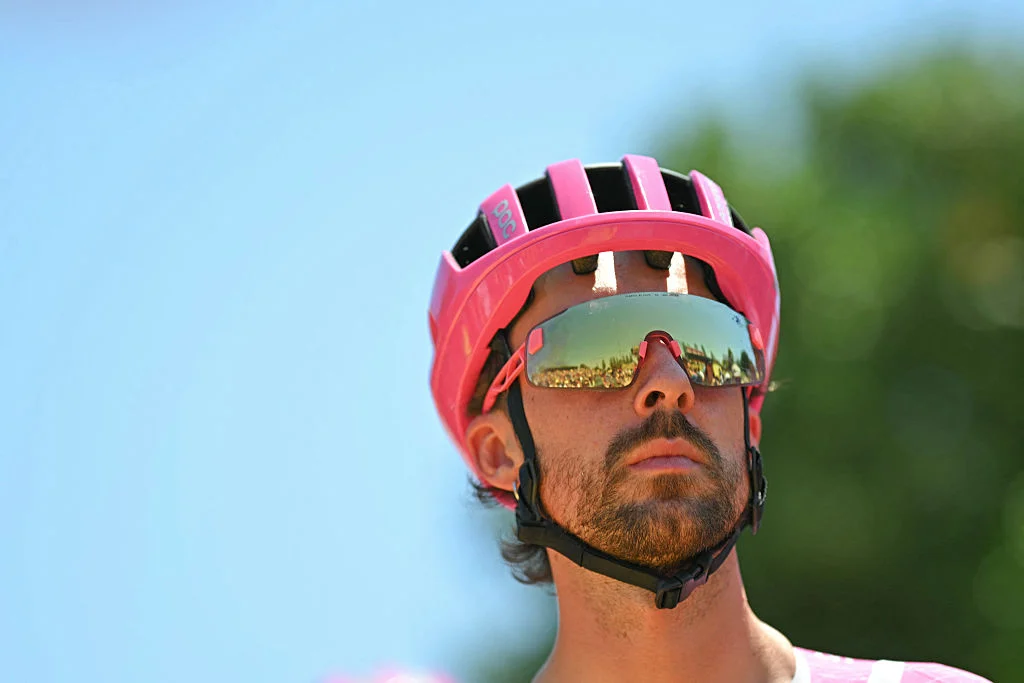
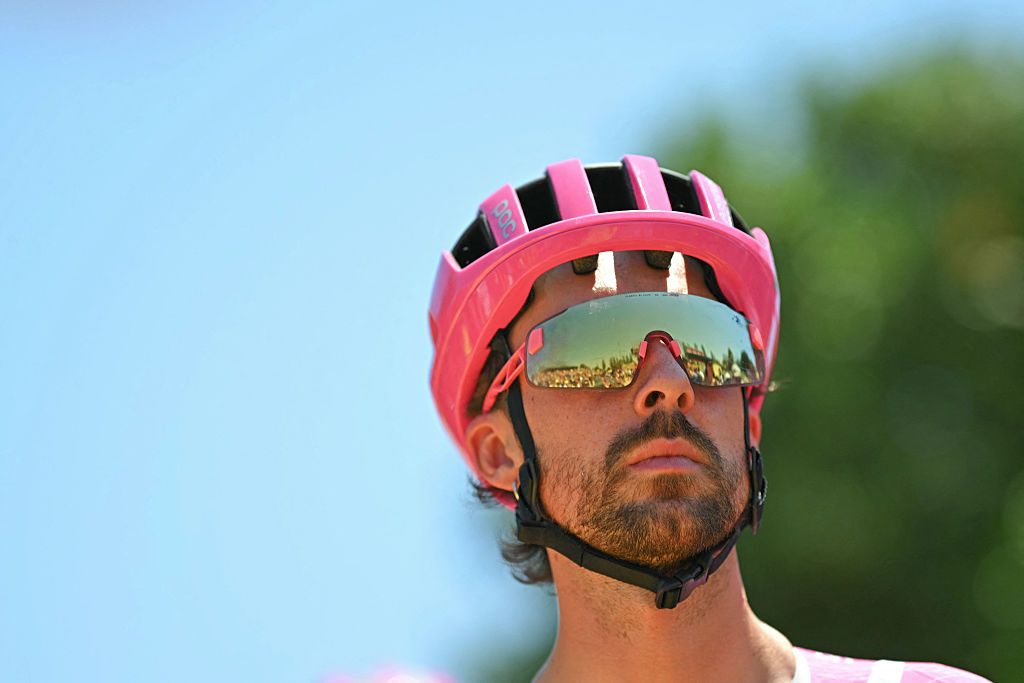
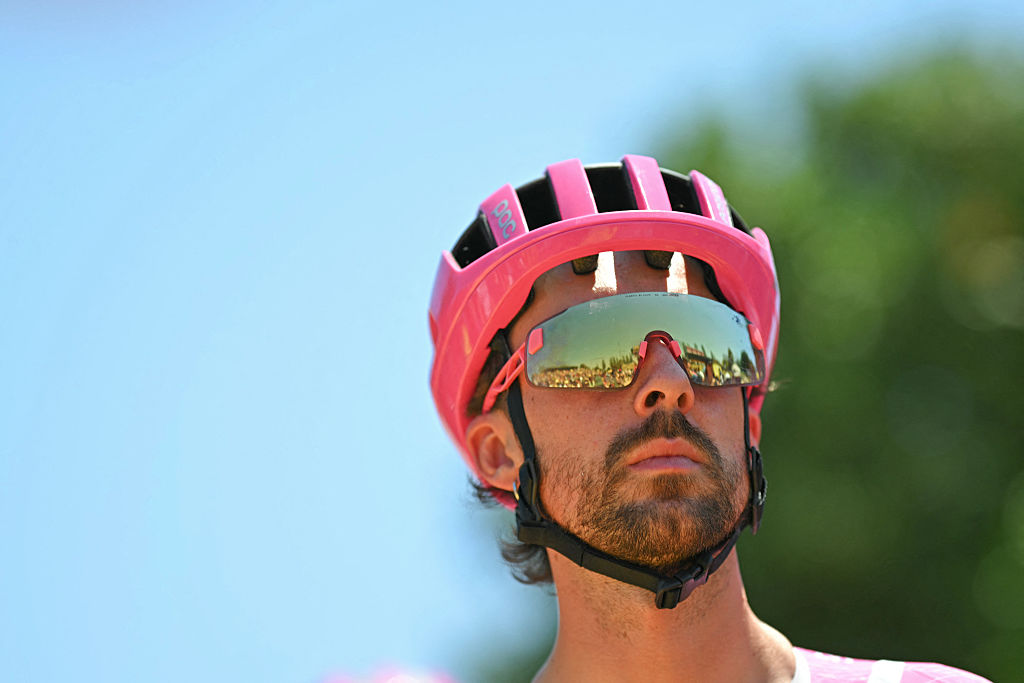
For EF Education-EasyPost rider Ben Healy, those three hundred stationary seconds represented far more than a minor scheduling hiccup. According to Healy, the demonstration served as a powerful proof of concept—a concrete illustration that the peloton possesses the collective leverage required to force race organizers and governing bodies to take rider safety seriously.
The immediate backdrop to the protest was a distressing series of dangerous incidents during the prestigious Italian autumn Classics. These narrow escapes compounded an already tense atmosphere within the international bunch, which had been in mourning and a state of high agitation since the tragic death of young rider Finlay Tarling at the Volta a Portugal earlier in the summer.
With riders feeling increasingly vulnerable on poorly secured, high-speed descents and hazard-strewn urban approaches, the silent protest at Il Lombardia signaled that patience within the professional ranks had officially run out.
Chronology: From Summer Tragedy to Autumn Action
To understand how professional cycling arrived at a standstill in Lombardy, it is necessary to retrace the timeline of mounting grievances that defined the 2023 and 2024 late-season calendars.
June–August: The Turning Point in Portugal
The fracture in the relationship between race organizers and the peloton deepened significantly following the tragic, fatal accident of Finlay Tarling during Stage 8 of the Volta a Portugal. The incident, occurring under heavily criticized racing conditions, sent shockwaves through the global cycling community. It initiated urgent, albeit sluggish, conversations among teams, riders, and the Union Cycliste Internationale (UCI) regarding standard operating procedures for course safety, vehicle management, and barrier integrity.
September: The Italian Autumn Escalation
As the calendar flipped to the autumn one-day races in Italy—a grueling sequence of races including the Giro dell’Emilia, Coppa Bernocchi, and Tre Valli Varesine—the promised safety overhauls failed to materialize in a tangible way for the athletes on the road. Riders reported a succession of terrifying near-misses, ranging from unsecured spectator vehicles encroaching on active racing lines to poorly marked road furniture on treacherous, rain-slicked descents.
October: The Il Lombardia Standstill
The culmination of this mounting frustration arrived at Il Lombardia. As the flag dropped to signal the start of the "Race of the Falling Leaves," the peloton collectively refused to pedal. For five minutes, the race was frozen in time. Cameras captured riders chatting calmly, blocking the road, and holding their ground in a unified front. The message was unmistakable: athlete welfare could no longer be treated as an afterthought in the pursuit of spectacle.
Supporting Data: The Rising Toll of Pelotons Under Pressure
While dramatic crashes frequently dominate highlight reels, data compiled by rider associations and safety advocates over recent seasons paints a grim statistical picture of modern professional cycling.
Course Infrastructure Hazards: Internal team audits from the 2024 European road season revealed an average of 14 poorly marked or entirely unprotected high-risk obstacles (such as unpadded concrete barriers, traffic islands, and unprotected poles) per WorldTour one-day race.
Speed and Equipment Dynamics: Average speeds in major Classics have risen by nearly 2.5 km/h over the past five years, driven by aerodynamic technology, nutritional science, and high-performance training methods. This velocity increase has exponentially raised the kinetic energy involved in crashes, turning minor errors into catastrophic multi-rider pile-ups.
The Human Cost: Beyond the tragic fatalities like that of Finlay Tarling, career-ending concussions and severe orthopedic injuries have sidelined an unprecedented percentage of the WorldTour peloton during peak racing blocks, placing immense financial and psychological strain on both athletes and teams.
These figures underscore why riders like Ben Healy argue that symbolic resistance is no longer optional—it is a mandatory defense mechanism for athletes whose livelihoods and lives are on the line.
Official Responses: Organizers, Unions, and the UCI
The unprecedented nature of the Il Lombardia protest triggered immediate reactions across the sport’s institutional landscape, highlighting a stark philosophical divide between race promoters and the athletes who animate the sport.
The Riders’ Perspective: Ben Healy and the Collective Voice
Speaking on the implications of the five-minute stoppage, Ben Healy emphasized that the protest was not designed to punish fans or disrupt broadcasting schedules, but rather to establish a precedent.
"The five-minute delay before the start of Il Lombardia demonstrated the power riders have in forcing better safety in races," Healy noted.
By taking control of the start window, the peloton demonstrated that they are not merely passive actors in a commercial entertainment product, but skilled laborers demanding a safe working environment.
The UCI and Race Organizers: Between Rhetoric and Reform
The Union Cycliste Internationale (UCI) and prominent race organizing bodies—such as RCS Sport and ASO—have routinely issued press releases vowing to prioritize "SafeR," a joint initiative aimed at overhauling race safety protocols, monitoring course hazards, and establishing standardized protocols for adverse weather and road furniture.
However, critics within the peloton argue that implementation remains painfully slow. While organizers are quick to adopt high-tech tracking and communication tools, fundamental issues regarding physical road barriers, neutral service vehicle speeds, and the layout of technical finales often remain unaddressed until riders threaten direct action.
Implications: What the Lombardia Protest Means for the Future of Cycling
The quiet defiance witnessed at the end of the European season marks a watershed moment that will reverberate into upcoming racing campaigns. Several key implications emerge from this shifting paradigm:
1. Shift in Power Dynamics
For decades, the traditional hierarchy of professional cycling placed race organizers and governing bodies at the apex of decision-making. The Il Lombardia action signals a decentralized, highly organized willingness among athletes to leverage their star power and collective unity. If safety standards do not improve, future protests are unlikely to be limited to brief start-line delays; mid-race neutralizations and rider-led course alterations could become commonplace.
2. Accountability for Course Design
Designers of historic and modern courses alike will now face heightened scrutiny. Promoters can no longer rely purely on the prestige of iconic climbs like the Madonna del Ghisallo to mask dangerous infrastructure or substandard traffic management. Financial and logistical investments in course modification, padding, and marshaling will have to scale up dramatically.
3. A Lasting Legacy for Fallen Riders
Ultimately, the modern safety movement in cycling—galvanized by the memory of Finlay Tarling and amplified by the voices of contemporary stars like Ben Healy—demands systemic cultural change. The five-minute delay in Italy was a small gesture, but it represents the exact moment the peloton stopped asking for safety and began demanding it. As the sport looks toward future calendars, the message to stakeholders is clear: the race can only go on if the riders are protected.
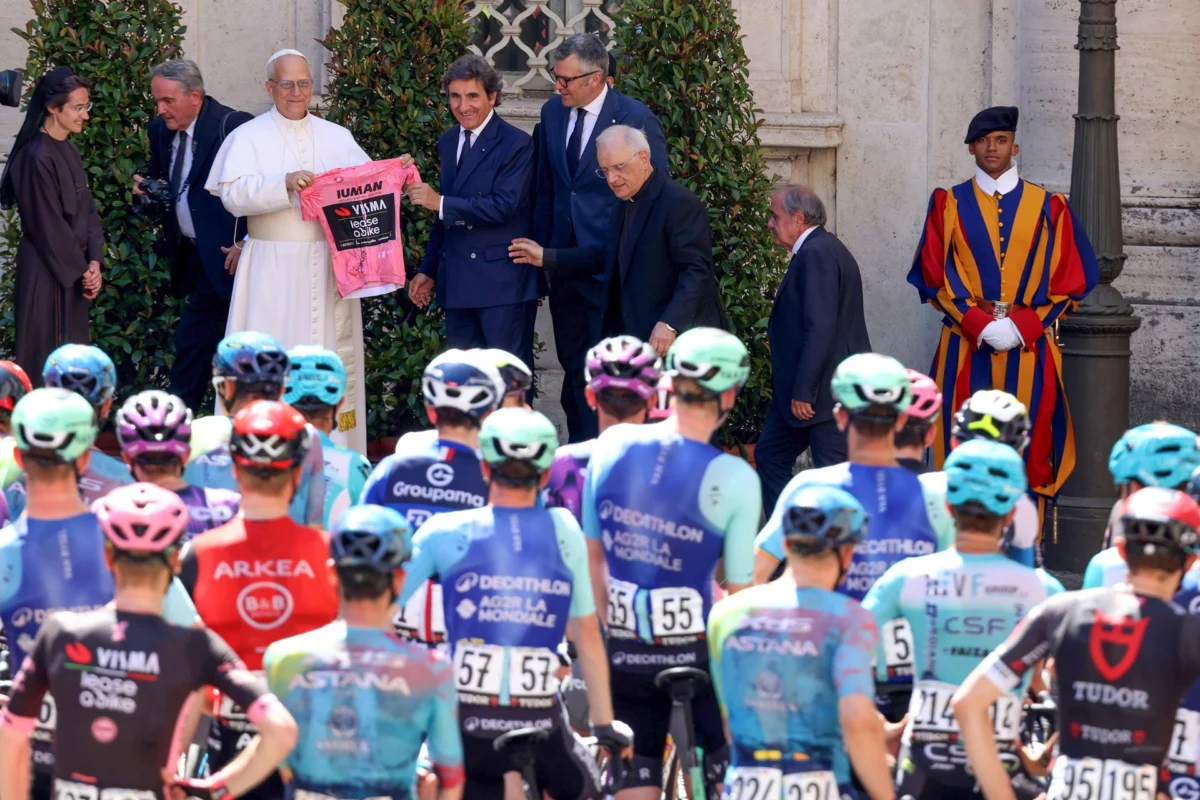
Cycling Royalty to Meet Pope Leo XIV at the Vatican: A Historic Summit for Peace and Sport
VATICAN CITY — In a momentous convergence of faith, global diplomacy, and elite athletics, a high-profile delegation representing the absolute pinnacle of professional cycling is set to travel to Vatican…
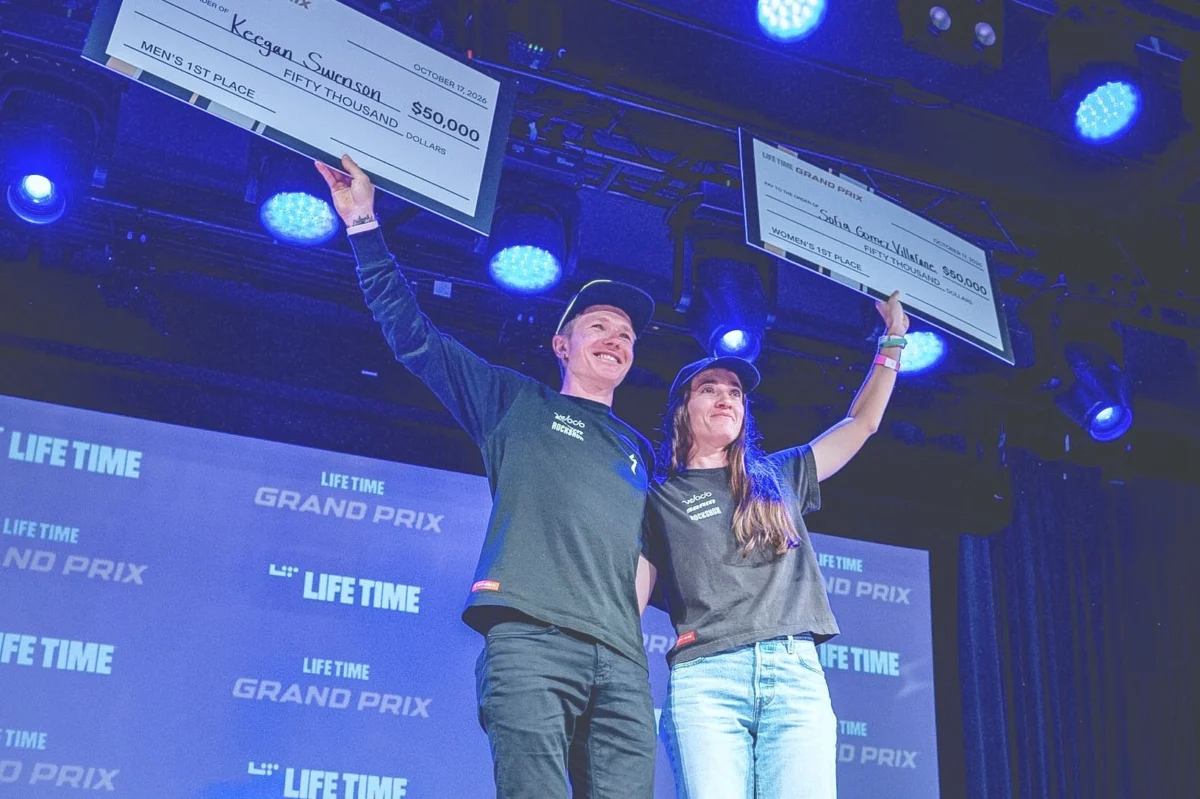
Life Time Grand Prix Raises the Stakes: Record $800,000 Prize Purse Set for 2027 Off-Road Series
By Cycling News Staff / Analysis by Pro-Cycling Correspondents The premier off-road cycling calendar in North America is scaling unprecedented financial heights. Organizers of the Life Time Grand Prix presented…

 Sagoh

 Suro Senen
 Nana Muazin
 Asro
 Ammar Sabilarrohman

 Lina Hope