Trending News:Red Bull’s Narrow Setup Window Threatening Verstappen and Hadjar’s 20th F1 Campaign: Naomi Schiff’s AnalysisAll or Nothing: Kiwis Face Must-Win Clash Against Cook Islands in Rugby League World Cup 2026Mets Reshape Coaching Staff: Mariano Duncan Elevated to Big League Role; Long and Mallee Out of ConsiderationThe Battle for Yellow: Analyzing the Contenders, Route, and Stakes of the 2027 Tour de France FemmesThe Ultimate Pre-Season Ski Gear Inspection Guide: Expert Strategies to Prepare for Opening DayRed Bull’s Narrow Set-Up Window Threatening Verstappen and Hadjar’s 2026 F1 Campaigns, Warns Naomi SchiffPhantom Debris, Radio Meltdowns, and a Silver Lining: Inside Red Bull’s Turbulent US Grand PrixChasing Immortality: The Premiership’s Most Prolific Try ScorersThe Truth About Your Missed Putts: Why Top-100 Teacher Stephen Sweeney Wants You to Stop GuessingThe Seixas Enigma: Inside the Future Planning of Cycling’s Youngest Monument WinnerBuilding a Future in Pittsburgh: Aubrey Buchanan and Emee Henkel Headline Wave of 2027 CommitmentsBeyond the Flakes: Inside the High-Stakes World of Modern Ski Resort SnowmakingDamage Control in Texas: Inside Red Bull’s Turbulent United States Grand Prix WeekendTriumph Over the Elements: Ethiopian Victories and Historic German Breakthroughs at the 43rd Mainova Frankfurt MarathonCal Golden Bears Sweep Saint Mary’s in Dominant Dual Meet ShowcaseThe Ultimate Pre-Season Migration: Snowbound Expo Returns to Mohegan Sun for 2026Red Bull Under Pressure: Isack Hadjar Demands Urgent Clutch Redesign After US Grand Prix DisasterInside the Mercedes Masterclass: Toto Wolff Demystifies the Brutal Science of F1 ScoutingA Message from the Past: The 53-Year Journey of an Ocean City Time CapsuleKangaroos Ready to Roar: Australia Faces Fiji in High-Stakes World Cup Clash at SuncorpAstros Bolster Player Development Infrastructure with Appointment of Conner Watson as Director of HittingRising Star: Katelyn Borland Announces Commitment to University of Tampa SwimmingThe Ultimate 2026 Holiday Gift Guide for Skiers: Top Gear and Apparel From REI to Rule the SlopesInside the Mercedes F1 Scouting Matrix: Toto Wolff Pulls Back the Curtain on Finding Generation-Defining TalentRugby League World Cup 2026: Samoa Faces High-Stakes Test Against Co-Hosts Papua New GuineaWyseure Conquers the Sand at Heerderstrand: A Tactical Masterclass Secures His Maiden Cyclo-Cross VictoryTigers Roar: LSU Swimming and Diving Dominates Texas A&M in Statement Dual Meet VictoryU.S. Women’s Alpine Ski Team Ready to Defend Historic Legacy at Sölden World Cup OpenerFrom IndyCar Prodigy to F1 Aspirant: Colton Herta’s Arduous European Odyssey and the Quest for a Cadillac FutureWorld Cup Survival: England’s Desperate Bid for Redemption Against FranceFrom Host-Housing Hero to PGA Tour Member: The Remarkable Rise of Davis LambElisa Longo Borghini Dominates Piasco to Claim Eighth Italian Time Trial TitleRunning Safely in the Dark: How Open-Ear Technology Keeps Athletes Connected and Aware as Clocks Go BackRising Star Briana Mingmuang Commits to University of Illinois: A New Chapter for Fighting Illini SwimmingTracks in the Snow: How Bigfoot Became the Undisputed Mascot of Pacific Northwest Ski CultureThe Long and Winding Road: Colton Herta’s Formula 1 Quest, F2 Struggles, and Cadillac AmbitionsSteiner Dismisses "Dream" Pairing: Why Christian Horner and Fred Vasseur Will Never Coexist at FerrariThe United Rugby Championship 2026/27: A Comprehensive Guide to the Global Rugby ShowcaseThe Psychedelic Fairway: Inside the High-Stakes World of Ayahuasca-Infused Golf RetreatsRock, Paper, Scissors Settles Elite Race Order for Historic Two-Day TCS London MarathonBeyond the Goggles: Redefining Aquatic Ear Health for the Year-Round AthleteChasing the Deep: The Definitive Guide to the Best Powder Skis of 2027Steiner Debunks Ferrari "Dream Team" Speculation: Why Horner and Vasseur Coexisting in Maranello is a Formula 1 ImpossibilityThe Global Stage: Your Comprehensive Guide to the 2026-27 United Rugby ChampionshipBreakthrough in Baku: Cadillac F1 Cures Major Cooling Achilles’ Heel as High-Profile Engineering Signings Bolster Long-Term AmbitionsThe End of a Breakfast Cocktail: Mars Terminates BuzzBallz Partnership Amid Public Health BacklashThe Endless Odyssey: Viktor Hovland’s Struggle to Reclaim His Golfing IdentityClash of Styles: How Jim Hiller’s Analytical Approach and Defensive Pedigree Will Shape the Toronto Maple Leafs’ Star-Studded OffenseA Championship to Forget: Visa Hurdles, Roster Depletion, and UCI Penalties Plague Eritrea at the Road World ChampionshipsCal Swimming Scores Massive Recruiting Coup: Top-Ranked Class of 2028 Prospect Kai Joyner Commits to BerkeleyWeather Woes and Balance Sheets: Vail Resorts Navigates a Historic Low-Snow Season and Prepares for What’s NextThe Perth Crucible: Les Kiss and the Wallabies Face Their Ultimate 2026 Reckoning Against the SpringboksResilience and Tactics: How Mads Pedersen Fought Through Adversity to Secure Sixth at the World ChampionshipsThe Nordica Santa Ana 102: Why Last Season’s Discounted All-Mountain Charger is the Smartest Buy in SkiingA Mixed Bag in Baku: How Williams’ Long-Awaited B-Spec Upgrade Sparked Hope Amid Familiar Growing PainsMcLaren Racing on Track to Shatter F1 Financial Records with Projected $1 Billion Revenue MilestoneThe Dragon’s Call: LEGO Finally Unveils First-Ever Dragon Ball Set in Leaked RevealThe Twilight Chase: Adam Scott and the Weight of Unfinished BusinessTampa Bay Rays Outright Veteran Pitcher Jake Woodford to Triple-A DurhamA Titan of the Pool: Remembering Legendary Coach Frank Busch (1951–2026)The Smartest Move on Snow: Why the Unchanged Nordica Santa Ana 102 is the Ultimate Gear HackDenny Hamlin Demands Severe Penalties Following Ugly Post-Race Brawl at Martinsville SpeedwayWSL Weekly Roundup: Tactical Struggles, Emerging Stars, and the Shifting Power DynamicsSebastian Vettel Reflects on Post-Retirement Life, F1’s Future, and the Door to a Potential ReturnThe Weight of Gold: Tom Kim’s Relentless Week at Medinah and the High-Stakes Path to ExemptionAthletics General Manager Search: Jon Daniels Declines Candidacy as Oakland Continues High-Stakes Front Office HuntTriumphs on Welsh Soil: Courtney-Bryant and Kavanagh Claim Crowns at the SportsShoes Podium Home Nations 5kmRising Star Maggie Wanezek Extends Partnership with A3 Performance on Road to 2028 OlympicsSebastian Vettel Weighs Future F1 Role: Life After the Cockpit, Sustainability Goals, and the 2026 RegulationsRacing Bulls Rookie Arvid Lindblad Issues Public Apology to Teammate Liam Lawson After Dramatic Baku CollisionFrom Browser Staple to Steam Success: The Phenomenal Resurgence of Happy WheelsThe Crucible in Perth: Les Kiss’s Wallabies Face the Ultimate Springbok TestEnd of an Era: Dan Wilson Out as Mariners Manager Following Disappointing 2026 CampaignRising Star Jack Miceli Commits to UC Santa Barbara: A Strategic Addition for the GauchosMasterclass at Kansas: Kyle Larson Dominates with Historic Maximum-Points Performance in 2026 NASCAR Cup ThrillerAlexander Isak Returns to Liverpool Following Injury on International DutyMastering the Chaos: How Isack Hadjar’s Stunning Baku Comeback Proved His Red Bull ReadinessThe Foursomes Fiasco: Is the American Golf Machine Breaking Down?Phillies Turn to Zack Wheeler in Desperate Finale as Jesús Luzardo Returns to Bolster BullpenSt. Louis Blues Face Early Season Uncertainty as Young Defenceman Logan Mailloux Suffers Upper-Body Injury in Preseason ActionDrexel Swimming Bolsters Future: Emily Black-Wright and Maddie Inman Commit to Class of 2031Beyond the Giants: Why the Power Pass Is Quietly Rewriting the Southwest Ski SeasonMastering the Chaos: How Isack Hadjar’s Baku Masterclass Proved He is Red Bull’s FutureMaine’s Culinary Icon Evolves: W.A. Bean Replaces Red Dye 3 with Insect-Based PigmentA New Era at Welford Road: Leicester Tigers vs. Saracens Set to Define the Opening Weekend of the Gallagher PremiershipThe Final Push: Presidents Cup Sunday at Medinah Reaches a Boiling PointA Rainbow in Montreal: Demi Vollering Claims Historic Elite Women’s Road Race World Title in Thrilling FinaleRedefining Aging: A Comprehensive Review of British Masters Track Records Following a Historic Weekend in DerbyLegacy of Speed: Anders Koschmann Commits to Northwestern’s Class of 2032Red Bull’s Resurgence: Isack Hadjar’s Stunning Comeback Podium in Baku Highlights Team SynergyThe Manchester City Reckoning: A Watershed Moment for English FootballOff-Track Bonding and On-Track Upgrades: Inside Williams’ High-Stakes Azerbaijan Grand Prix WeekendThe Unsettling Mirror: Chris Hansen Breaks Silence on Robert Pattinson’s Portrayal in A24’s PrimetimeOttawa Senators Bolster Goalie Depth, Acquiring Jonas Johansson from Tampa Bay Lightning Following Waiver LossThe Battle for the Rainbow Jersey: Your Ultimate Guide to the 2026 UCI Road World Championships in MontréalVirginia Dominates Match #2 of the College Swimming League: A Masterclass in Depth and VersatilityBeyond the Giants: Why the Power Pass Is Quietly Reshaping Southwest Ski CultureA Night of Nations League Drama: Mbappé Injury Overshadows French Victory as Italy StumblesSteiner Slams Williams’ "Crocodile Tears" Over F1 Cap Ex Limits and Vowles’ Shifting TimelinesThe "Torture" of Productivity: Why Alarmy is Turning Morning Routines into Digital Bootcamps
Trending News:Red Bull’s Narrow Setup Window Threatening Verstappen and Hadjar’s 20th F1 Campaign: Naomi Schiff’s AnalysisAll or Nothing: Kiwis Face Must-Win Clash Against Cook Islands in Rugby League World Cup 2026Mets Reshape Coaching Staff: Mariano Duncan Elevated to Big League Role; Long and Mallee Out of ConsiderationThe Battle for Yellow: Analyzing the Contenders, Route, and Stakes of the 2027 Tour de France FemmesThe Ultimate Pre-Season Ski Gear Inspection Guide: Expert Strategies to Prepare for Opening DayRed Bull’s Narrow Set-Up Window Threatening Verstappen and Hadjar’s 2026 F1 Campaigns, Warns Naomi SchiffPhantom Debris, Radio Meltdowns, and a Silver Lining: Inside Red Bull’s Turbulent US Grand PrixChasing Immortality: The Premiership’s Most Prolific Try ScorersThe Truth About Your Missed Putts: Why Top-100 Teacher Stephen Sweeney Wants You to Stop GuessingThe Seixas Enigma: Inside the Future Planning of Cycling’s Youngest Monument WinnerBuilding a Future in Pittsburgh: Aubrey Buchanan and Emee Henkel Headline Wave of 2027 CommitmentsBeyond the Flakes: Inside the High-Stakes World of Modern Ski Resort SnowmakingDamage Control in Texas: Inside Red Bull’s Turbulent United States Grand Prix WeekendTriumph Over the Elements: Ethiopian Victories and Historic German Breakthroughs at the 43rd Mainova Frankfurt MarathonCal Golden Bears Sweep Saint Mary’s in Dominant Dual Meet ShowcaseThe Ultimate Pre-Season Migration: Snowbound Expo Returns to Mohegan Sun for 2026Red Bull Under Pressure: Isack Hadjar Demands Urgent Clutch Redesign After US Grand Prix DisasterInside the Mercedes Masterclass: Toto Wolff Demystifies the Brutal Science of F1 ScoutingA Message from the Past: The 53-Year Journey of an Ocean City Time CapsuleKangaroos Ready to Roar: Australia Faces Fiji in High-Stakes World Cup Clash at SuncorpAstros Bolster Player Development Infrastructure with Appointment of Conner Watson as Director of HittingRising Star: Katelyn Borland Announces Commitment to University of Tampa SwimmingThe Ultimate 2026 Holiday Gift Guide for Skiers: Top Gear and Apparel From REI to Rule the SlopesInside the Mercedes F1 Scouting Matrix: Toto Wolff Pulls Back the Curtain on Finding Generation-Defining TalentRugby League World Cup 2026: Samoa Faces High-Stakes Test Against Co-Hosts Papua New GuineaWyseure Conquers the Sand at Heerderstrand: A Tactical Masterclass Secures His Maiden Cyclo-Cross VictoryTigers Roar: LSU Swimming and Diving Dominates Texas A&M in Statement Dual Meet VictoryU.S. Women’s Alpine Ski Team Ready to Defend Historic Legacy at Sölden World Cup OpenerFrom IndyCar Prodigy to F1 Aspirant: Colton Herta’s Arduous European Odyssey and the Quest for a Cadillac FutureWorld Cup Survival: England’s Desperate Bid for Redemption Against FranceFrom Host-Housing Hero to PGA Tour Member: The Remarkable Rise of Davis LambElisa Longo Borghini Dominates Piasco to Claim Eighth Italian Time Trial TitleRunning Safely in the Dark: How Open-Ear Technology Keeps Athletes Connected and Aware as Clocks Go BackRising Star Briana Mingmuang Commits to University of Illinois: A New Chapter for Fighting Illini SwimmingTracks in the Snow: How Bigfoot Became the Undisputed Mascot of Pacific Northwest Ski CultureThe Long and Winding Road: Colton Herta’s Formula 1 Quest, F2 Struggles, and Cadillac AmbitionsSteiner Dismisses "Dream" Pairing: Why Christian Horner and Fred Vasseur Will Never Coexist at FerrariThe United Rugby Championship 2026/27: A Comprehensive Guide to the Global Rugby ShowcaseThe Psychedelic Fairway: Inside the High-Stakes World of Ayahuasca-Infused Golf RetreatsRock, Paper, Scissors Settles Elite Race Order for Historic Two-Day TCS London MarathonBeyond the Goggles: Redefining Aquatic Ear Health for the Year-Round AthleteChasing the Deep: The Definitive Guide to the Best Powder Skis of 2027Steiner Debunks Ferrari "Dream Team" Speculation: Why Horner and Vasseur Coexisting in Maranello is a Formula 1 ImpossibilityThe Global Stage: Your Comprehensive Guide to the 2026-27 United Rugby ChampionshipBreakthrough in Baku: Cadillac F1 Cures Major Cooling Achilles’ Heel as High-Profile Engineering Signings Bolster Long-Term AmbitionsThe End of a Breakfast Cocktail: Mars Terminates BuzzBallz Partnership Amid Public Health BacklashThe Endless Odyssey: Viktor Hovland’s Struggle to Reclaim His Golfing IdentityClash of Styles: How Jim Hiller’s Analytical Approach and Defensive Pedigree Will Shape the Toronto Maple Leafs’ Star-Studded OffenseA Championship to Forget: Visa Hurdles, Roster Depletion, and UCI Penalties Plague Eritrea at the Road World ChampionshipsCal Swimming Scores Massive Recruiting Coup: Top-Ranked Class of 2028 Prospect Kai Joyner Commits to BerkeleyWeather Woes and Balance Sheets: Vail Resorts Navigates a Historic Low-Snow Season and Prepares for What’s NextThe Perth Crucible: Les Kiss and the Wallabies Face Their Ultimate 2026 Reckoning Against the SpringboksResilience and Tactics: How Mads Pedersen Fought Through Adversity to Secure Sixth at the World ChampionshipsThe Nordica Santa Ana 102: Why Last Season’s Discounted All-Mountain Charger is the Smartest Buy in SkiingA Mixed Bag in Baku: How Williams’ Long-Awaited B-Spec Upgrade Sparked Hope Amid Familiar Growing PainsMcLaren Racing on Track to Shatter F1 Financial Records with Projected $1 Billion Revenue MilestoneThe Dragon’s Call: LEGO Finally Unveils First-Ever Dragon Ball Set in Leaked RevealThe Twilight Chase: Adam Scott and the Weight of Unfinished BusinessTampa Bay Rays Outright Veteran Pitcher Jake Woodford to Triple-A DurhamA Titan of the Pool: Remembering Legendary Coach Frank Busch (1951–2026)The Smartest Move on Snow: Why the Unchanged Nordica Santa Ana 102 is the Ultimate Gear HackDenny Hamlin Demands Severe Penalties Following Ugly Post-Race Brawl at Martinsville SpeedwayWSL Weekly Roundup: Tactical Struggles, Emerging Stars, and the Shifting Power DynamicsSebastian Vettel Reflects on Post-Retirement Life, F1’s Future, and the Door to a Potential ReturnThe Weight of Gold: Tom Kim’s Relentless Week at Medinah and the High-Stakes Path to ExemptionAthletics General Manager Search: Jon Daniels Declines Candidacy as Oakland Continues High-Stakes Front Office HuntTriumphs on Welsh Soil: Courtney-Bryant and Kavanagh Claim Crowns at the SportsShoes Podium Home Nations 5kmRising Star Maggie Wanezek Extends Partnership with A3 Performance on Road to 2028 OlympicsSebastian Vettel Weighs Future F1 Role: Life After the Cockpit, Sustainability Goals, and the 2026 RegulationsRacing Bulls Rookie Arvid Lindblad Issues Public Apology to Teammate Liam Lawson After Dramatic Baku CollisionFrom Browser Staple to Steam Success: The Phenomenal Resurgence of Happy WheelsThe Crucible in Perth: Les Kiss’s Wallabies Face the Ultimate Springbok TestEnd of an Era: Dan Wilson Out as Mariners Manager Following Disappointing 2026 CampaignRising Star Jack Miceli Commits to UC Santa Barbara: A Strategic Addition for the GauchosMasterclass at Kansas: Kyle Larson Dominates with Historic Maximum-Points Performance in 2026 NASCAR Cup ThrillerAlexander Isak Returns to Liverpool Following Injury on International DutyMastering the Chaos: How Isack Hadjar’s Stunning Baku Comeback Proved His Red Bull ReadinessThe Foursomes Fiasco: Is the American Golf Machine Breaking Down?Phillies Turn to Zack Wheeler in Desperate Finale as Jesús Luzardo Returns to Bolster BullpenSt. Louis Blues Face Early Season Uncertainty as Young Defenceman Logan Mailloux Suffers Upper-Body Injury in Preseason ActionDrexel Swimming Bolsters Future: Emily Black-Wright and Maddie Inman Commit to Class of 2031Beyond the Giants: Why the Power Pass Is Quietly Rewriting the Southwest Ski SeasonMastering the Chaos: How Isack Hadjar’s Baku Masterclass Proved He is Red Bull’s FutureMaine’s Culinary Icon Evolves: W.A. Bean Replaces Red Dye 3 with Insect-Based PigmentA New Era at Welford Road: Leicester Tigers vs. Saracens Set to Define the Opening Weekend of the Gallagher PremiershipThe Final Push: Presidents Cup Sunday at Medinah Reaches a Boiling PointA Rainbow in Montreal: Demi Vollering Claims Historic Elite Women’s Road Race World Title in Thrilling FinaleRedefining Aging: A Comprehensive Review of British Masters Track Records Following a Historic Weekend in DerbyLegacy of Speed: Anders Koschmann Commits to Northwestern’s Class of 2032Red Bull’s Resurgence: Isack Hadjar’s Stunning Comeback Podium in Baku Highlights Team SynergyThe Manchester City Reckoning: A Watershed Moment for English FootballOff-Track Bonding and On-Track Upgrades: Inside Williams’ High-Stakes Azerbaijan Grand Prix WeekendThe Unsettling Mirror: Chris Hansen Breaks Silence on Robert Pattinson’s Portrayal in A24’s PrimetimeOttawa Senators Bolster Goalie Depth, Acquiring Jonas Johansson from Tampa Bay Lightning Following Waiver LossThe Battle for the Rainbow Jersey: Your Ultimate Guide to the 2026 UCI Road World Championships in MontréalVirginia Dominates Match #2 of the College Swimming League: A Masterclass in Depth and VersatilityBeyond the Giants: Why the Power Pass Is Quietly Reshaping Southwest Ski CultureA Night of Nations League Drama: Mbappé Injury Overshadows French Victory as Italy StumblesSteiner Slams Williams’ "Crocodile Tears" Over F1 Cap Ex Limits and Vowles’ Shifting TimelinesThe "Torture" of Productivity: Why Alarmy is Turning Morning Routines into Digital Bootcamps
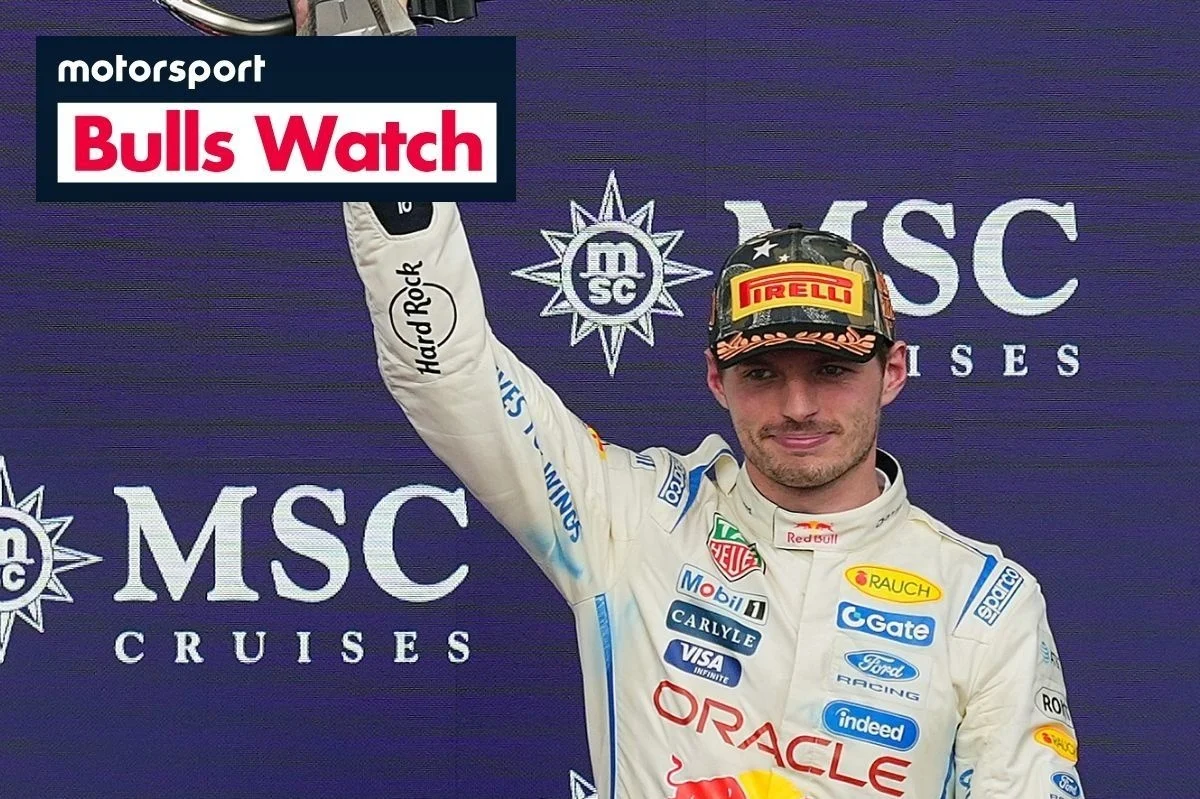
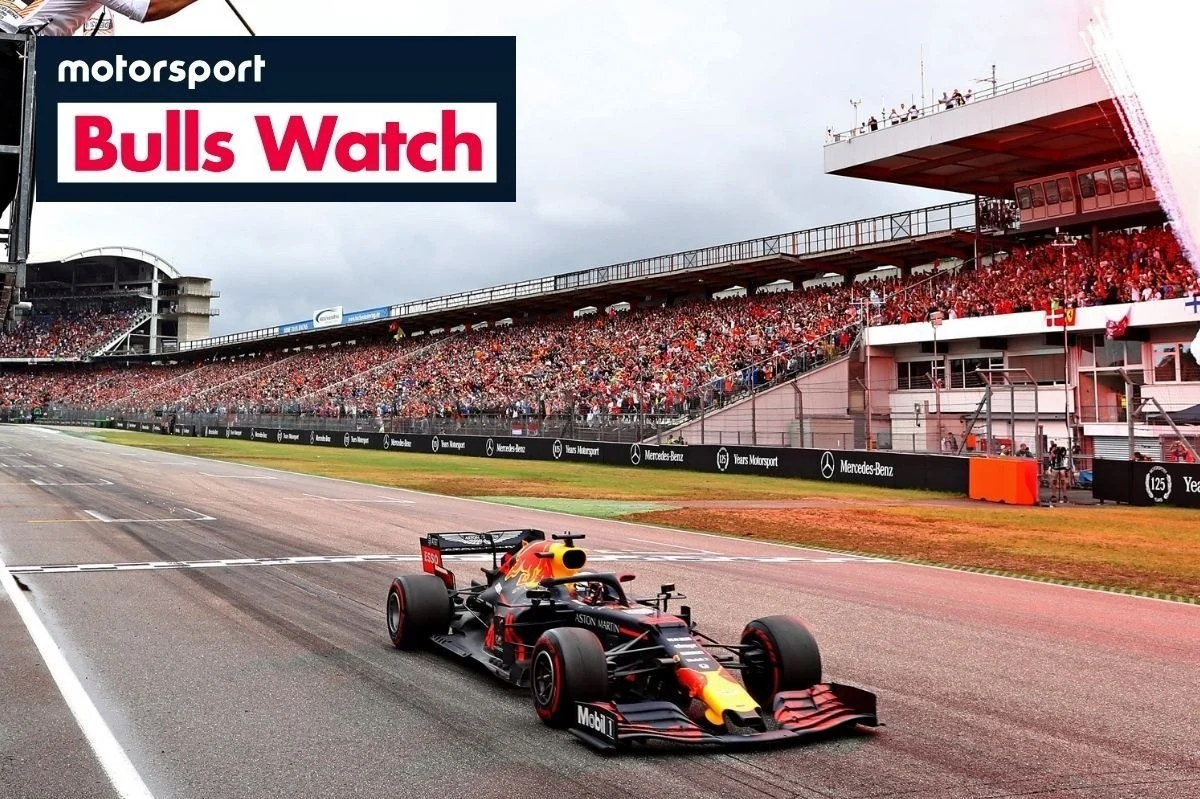
The United States Grand Prix at the Circuit of the Americas (COTA) delivered a weekend of contrasting fortunes for Red Bull Racing. While Max Verstappen managed to salvage a podium finish with a gritty drive to third place, the post-race atmosphere was dominated by visible frustration from the reigning world champion. Verstappen took to the global broadcast waves immediately after stepping out of his cockpit to deliver a scathing critique of his car’s performance, explicitly criticizing the team’s pit stop strategy, tyre degradation management, and engine braking issues.
In response to the public radio meltdown, Red Bull Racing CEO and Team Principal Laurent Mekies swiftly entered PR damage control mode. Rather than pointing the finger at engineering setups or strategic miscalculations, Mekies revealed that the car’s struggles stemmed from an unexpected physical handicap: a piece of rogue carbon fiber debris that struck Verstappen’s car on lap eight.
Despite the technical gremlins and handling imbalances that ultimately cost Verstappen second place—which went unchallenged to a dominant Kimi Antonelli—Red Bull left Austin with significant championship gains. The Milton Keynes-based squad climbed to third in the Constructors’ Championship, while Verstappen closed the gap in the Drivers’ Standings to just six points behind second place. However, teammate Isack Hadjar endured a completely different kind of Sunday nightmare, compromised by a faulty clutch and a subsequent radio blackout that crippled his strategic outlook.
Chronology of Events
Friday and Saturday: The Prelude to Uncertainty
The cracks in Red Bull’s weekend were evident long before the lights went out on Sunday afternoon. During practice and qualifying sessions at COTA, both Verstappen and Hadjar struggled to find a consistent mechanical balance. While the high-speed sweeping corners of the Austin circuit usually favor well-planted aerodynamic packages, the RB22 proved temperamental. Engineers worked frantically through the nights, attempting to dial in the setup, but underlying issues with traction and power unit deployment remained unresolved heading into race day.
Sunday, Lap 1 to Lap 8: The Immediate Complications
As the race commenced under the blazing Texas sun, the first major warning signs for Red Bull appeared at the very start. Isack Hadjar suffered a catastrophic launch off the line, hindered by a faulty clutch that immediately dropped him down the order.
Meanwhile, Max Verstappen tried to settle into a rhythm near the front. However, disaster struck on just the eighth lap. Cruising through the high-speed sections of the circuit, Verstappen’s car collected a stray piece of carbon fiber debris left behind from an earlier midfield scuffle. The impact inflicted immediate, subtle aerodynamic damage to the floor and sidepod geometry, setting off a chain reaction that would compromise the car’s balance for the remainder of the Grand Prix.
Mid-Race: Compounding Failures and Communication Blackouts
As the laps ticked by, the damage sustained on lap eight began to severely impact tyre life. Verstappen’s complaints over the team radio grew increasingly pointed. He wrestled with erratic engine braking and rapidly degrading rubber, unable to match the blistering, untroubled pace set by race leader Kimi Antonelli.
For Isack Hadjar, the race devolved into complete chaos. Alongside his poor start, the young driver suffered a total radio blackout. Deprived of communication with his pit wall, Hadjar was forced to navigate crucial tactical decisions blind, rendering any structured pit strategy useless and destroying his chances of a points-paying finish.
Post-Race: The Meltdown and the Cleanup
Upon crossing the finish line in third place, Verstappen’s frustration boiled over. His unfiltered radio messages beamed directly to millions of viewers worldwide, highlighting a rare public display of tension between driver and team. Laurent Mekies was forced to step up to the microphones immediately, balancing the acknowledgment of mechanical failures with a defense of the team’s underlying capabilities as they prepared to pack up and head south for Mexico.
Supporting Data and Technical Insights
To understand the scale of Red Bull’s challenges at COTA, one must look at the telemetry and mechanical limitations that plagued the RB22 throughout the weekend.
Tyre Degradation Delta: Due to the aerodynamic floor damage sustained by Verstappen on lap eight, his car suffered from a localized loss of downforce. This forced the tyres to slide more through medium- and high-speed corners, increasing thermal degradation by an estimated 15% compared to pre-race simulations.
Championship Shift:
Max Verstappen’s third-place finish secured his 12th podium of the season.
Verstappen narrowed the gap to P2 in the Drivers’ Championship to a mere six points.
Red Bull Racing advanced to third place in the fiercely contested Constructors’ Standings.
Start Failures: Both Red Bull entries experienced anomalous clutch behavior off the line, highlighting an ongoing reliability and calibration concern with the power unit integration that the team’s factory engineers must address before the upcoming rounds.
Official Responses and Team Perspectives
Laurent Mekies’ post-race address was a masterclass in transparency mixed with strategic defense. Addressing the media, the Red Bull boss did not attempt to sugarcoat the team’s shortcomings, particularly regarding the execution of their race day operations.
"It’s fair to say that, despite a 12th podium of the season with Max finishing third, we are leaving Austin not fully satisfied," Mekies confessed. "We lost a bit of our edge today, and I don’t think we had enough pace to fight with Kimi [Antonelli], who had a very strong race, so well done to him."
Detailing the root cause of Verstappen’s mid-race fade, Mekies emphasized the unpredictable nature of modern Formula 1 aerodynamics:
"Max’s car hit some debris around lap eight and picked up some damage. On top of that, we had a few issues that hurt the balance and, as a result, the pace dropped off, the degradation increased, and Max couldn’t hang on to second place."
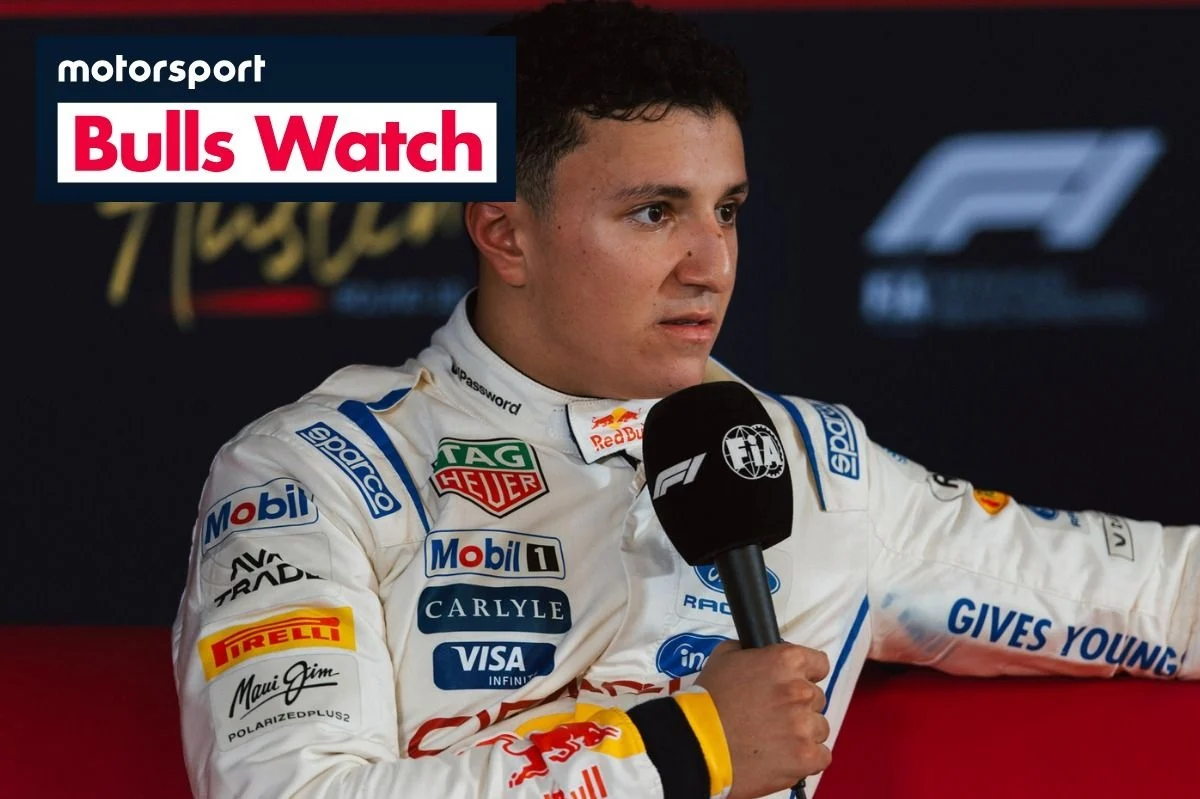
Turning his attention to Isack Hadjar’s disastrous afternoon, Mekies took full accountability for the mechanical and communication failures that sidelined the rookie’s progress:
"It was a similar story for Isack, whose race was compromised by the start and then by a couple of problems during the race. Once again, the starts weren’t perfect, but the team is working to make sure we have the tools to fix that in the future."
Max Verstappen, while visibly agitated in his post-race media appearances, chose to focus his frustrations on the immediate technical limitations of the car rather than dwelling on the external factors cited by his team principal, urging his engineers to find immediate solutions ahead of the triple-header conclusion.
Implications for the Championship and the Season Ahead
The events at the Circuit of the Americas carry profound implications for the remainder of the Formula 1 season. While the public friction between Verstappen and his engineering crew makes for dramatic headlines, the mathematical reality of the weekend is undeniably positive for Red Bull Racing.
1. The Fight for P2 in the Drivers’ Championship
With Verstappen now sitting only six points away from second place in the standings, every single weekend from this point forward is a high-stakes battle. If Red Bull can rectify the clutch calibration issues and restore optimal aerodynamic correlation to the RB22, Verstappen possesses the raw race-craft required to overhaul his rival before the season finale.
2. Constructors’ Momentum
Climbing to third in the Constructors’ Championship provides a vital morale boost for the Milton Keynes workforce. However, securing this position—or threatening higher up the table—depends entirely on reliability. Incidents like Isack Hadjar’s radio blackout and poor start clutch behavior are luxury mistakes Red Bull cannot afford if they wish to fend off trailing constructor rivals.
3. Immediate Engineering Pressures in Mexico
Formula 1 waits for no one. With the circus immediately packing up to head to the high-altitude air of Mexico City, Red Bull’s engineering department faces a compressed turnaround window. The thin air of Autódromo Hermanos Rodríguez places unique demands on turbochargers, cooling systems, and downforce configurations. If Red Bull fails to dial in the setup balance and eliminate the gremlins that plagued them in Texas, Verstappen’s frustrations may well spill over once again under the Mexican sun.
Red Bull’s Narrow Set-Up Window Threatening Verstappen and Hadjar’s 2026 F1 Campaigns, Warns Naomi Schiff
MILTON KEYNES — As the 2026 Formula 1 World Championship begins to take shape under the sport’s radical new technical regulations, warning signs are already flashing inside the Red Bull…
Red Bull Under Pressure: Isack Hadjar Demands Urgent Clutch Redesign After US Grand Prix Disaster
AUSTIN, Texas — Frustration boiled over in the Red Bull Racing garage following the United States Grand Prix at the Circuit of the Americas (COTA). Rising French star Isack Hadjar…

 Neng Nana


 Ammar Sabilarrohman
 Siti Muinah
 Reynand Wu
 Ali Ikhwan
 Lina Hope