
 Laily UPN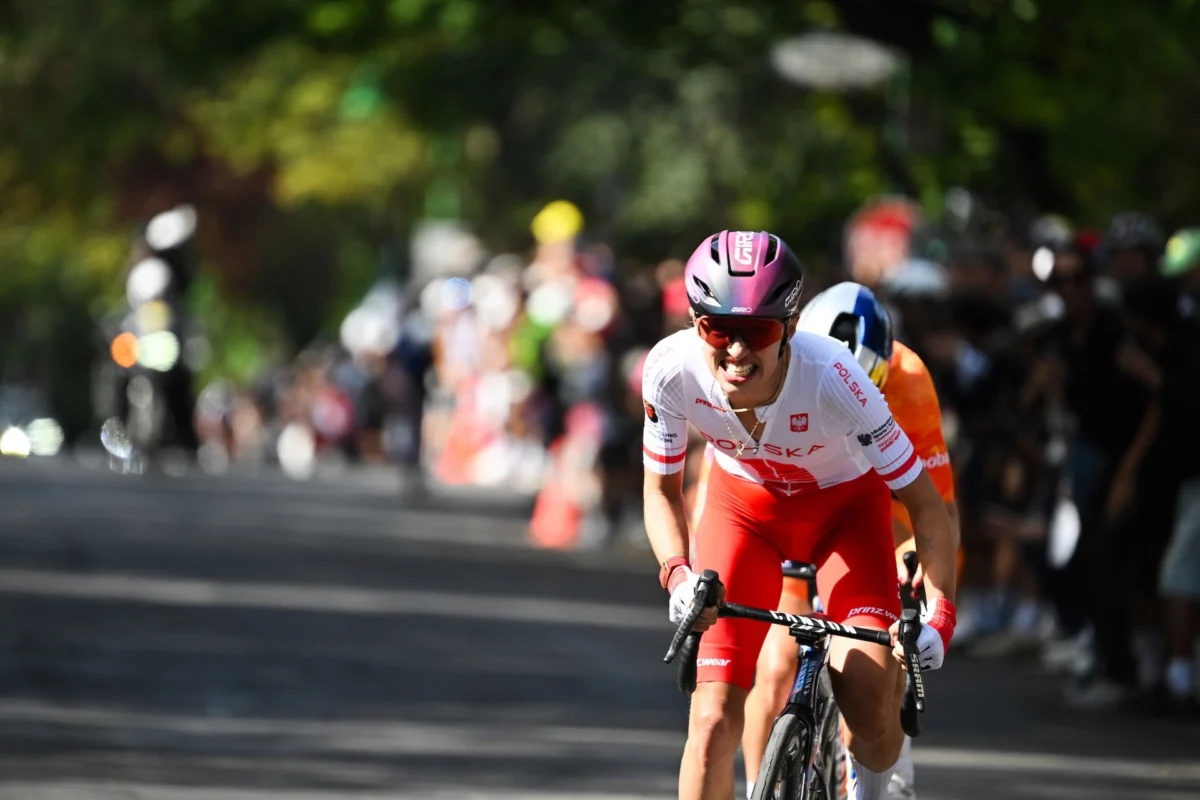
MONTREAL — In a sport where legends are defined by a single afternoon, Saturday’s elite women’s road race at the UCI Road World Championships delivered a masterclass in tactical warfare, physical suffering, and high drama. When the dust finally settled on the iconic circuits of Montreal, the coveted rainbow jersey belonged to the Netherlands’ Demi Vollering, who out-maneuvered and out-sprinted her fiercest rivals to claim her first-ever elite world road title.
Yet, the victory was only part of the story. Saturday’s showdown will long be remembered as a heavyweight prize-fight between three of the absolute titans of modern women’s cycling—Vollering, Poland’s Kasia Niewiadoma-Phinney, and Italy’s Elisa Longo Borghini—none of whom had ever previously worn the coveted rainbow jersey in the elite road race.
For Niewiadoma-Phinney, the afternoon ended in heartbreaking fashion, a sudden and cruel leg cramp snatching victory away from her in the final meters. For Longo Borghini, a relentless, gutsy chase secured a hard-earned bronze medal. And for Vollering, the victory represents the crowning achievement of an already illustrious career, sealing her legacy with gold, glory, and the Dutch national anthem echoing across Quebec.
Main Facts: The Podium and the Stakes
The 2026 UCI Road World Championships elite women’s road race in Montreal will enter the history books as one of the most compelling editions in recent memory.
- The Gold Medalist: Demi Vollering (Netherlands), who added the elite road race world title to her glittering palmarès, crossing the line first after a gripping final-lap duel.
- The Silver Medalist: Kasia Niewiadoma-Phinney (Poland), who animated the finale with a daring late attack on the uphill sprint, only to be undone by a catastrophic late-race cramp.
- The Bronze Medalist: Elisa Longo Borghini (Italy), who mounted an epic, characteristic charge from the select chasing group to secure a spot on the podium.
- The Narrative Arc: Remarkably, heading into Saturday’s race, none of these three generational talents—despite countless Monument victories, Grand Tour wins, and WorldTour titles—had ever captured the rainbow jersey in the elite road race.
The stakes were immense, the course was brutally selective, and the outcome hung in the balance until the final hundred meters of the grueling Montreal circuit.
Chronology: A Race of Elimination and Sudden Drama
Early Maneuvers and the Selection
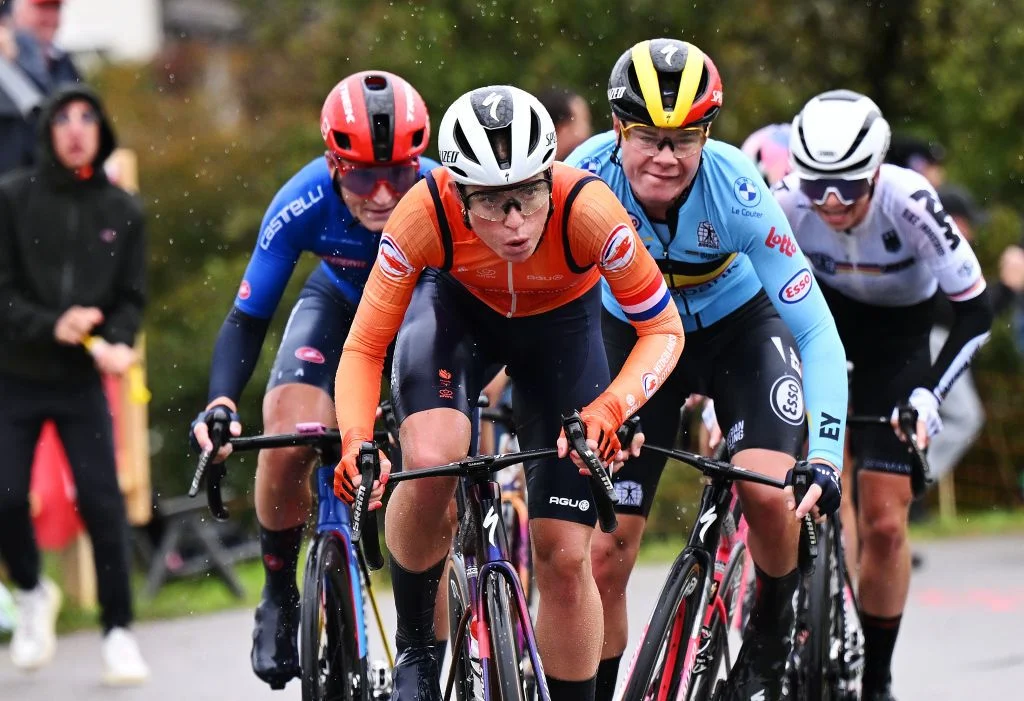
The early kilometers of the Montreal world championship course set a blistering pace, designed to weed out the sprinters and isolate the climbers. As the peloton tackled the relentless punchy climbs of the local circuit, national teams began to test one another’s depth. The Dutch squad, as expected, played a commanding tactical role, but it was clear early on that Vollering would have to share the spotlight with an inspired group of rivals.
As the race ticked into its final third, the peloton fractured completely. Breakaways were reeled in by a rapidly shrinking pack of favorites, and the race transformed into an elimination game. The attacks began to fly with terrifying frequency on the penultimate lap, shedding domestiques and leaving only the world’s elite climbers at the sharp end of the race.
The Final Lap: The Crucible
Entering the bell lap, the race crystallized into a three-way psychological and physical battle between Vollering, Niewiadoma-Phinney, and Longo Borghini. The lack of a prior elite road world title between the trio created an electric atmosphere of desperation and ambition.
Longo Borghini was the first of the trio to truly spark the final phase of hostilities, launching a trademark, teeth-gritting surge that tested the limits of her rivals. But Vollering and Niewiadoma-Phinney marked the Italian champion closely, refusing to let any daylight open up.
As the road pointed upward toward the grueling uphill finish, Niewiadoma-Phinney sensed her moment. The Polish star launched an explosive, all-or-nothing attack, digging deep into her reserves to gap Vollering and break the hearts of the chasing group. For a fleeting, glorious moment, it looked as though Niewiadoma-Phinney was finally going to claim the rainbow jersey that had eluded her throughout her storied career.
The Heartbreak and the Sprint
Cruel fate, however, intervened in the most painful way possible. Just as Niewiadoma-Phinney hit maximum acceleration on the punishing uphill drag to the line, a violent leg cramp seized her muscles. Her momentum instantly evaporated.
Sensing the shift, Vollering reacted with predatory precision. Closing the gap with a final, searing surge of power, the Dutch superstar swept past her ailing rival. Niewiadoma-Phinney fought valiantly to salvage her position, but the damage was done. Vollering powered across the finish line to take the victory, while Niewiadoma-Phinney heroically held on for silver. Behind them, Longo Borghini crossed shortly after to secure a hard-fought bronze medal, capping off a podium of true cycling royalty.
Supporting Data and Course Demographics
The 2026 Montreal World Championships course proved to be an ideal chessboard for a tactical masterpiece. Known for its relentless, urban climbing profile, the circuit offered no sustained recovery zones, constantly testing the anaerobic thresholds of the riders.
- Distance: Spanning over 150 kilometers of racing, the cumulative elevation gain over the Montreal circuit shredded the peloton, leaving fewer than 30 riders in contention by the final lap.
- The Decisive Sector: The uphill drag to the finish line—featuring steep, leg-breaking gradients—acted as the ultimate springboard for Niewiadoma-Phinney’s attack and Vollering’s counter-punch.
- Historical Context: Prior to Saturday, the absence of a rainbow jersey on the resumes of Vollering, Niewiadoma-Phinney, and Longo Borghini was a frequently discussed statistical anomaly in women’s cycling. Between them, the trio boasts multiple victories at the Tour de France Femmes, Giro d’Italia Women, Liège-Bastogne-Liège, Strade Bianche, and the Tour of Flanders. Adding the rainbow jersey to this specific group validates an era of exceptional dominance in the sport.
Official Responses and Reactions
The emotional spectrum in the post-race mixed zone stretched from absolute ecstasy to profound devastation.
Demi Vollering (Gold Medalist):
"It is hard to put into words right now. You dream of this moment your entire life, and you work year after year, suffering through training camps and hard races, all for this specific jersey. To finally have it—to know I am the World Champion—is overwhelming. It was an incredibly hard race out there. Kasia and Elisa pushed us to the absolute limit. When Kasia went, I just had to dig as deep as I ever have in my life to find something. I feel so much respect for my rivals today; we left everything out on the road."
Kasia Niewiadoma-Phinney (Silver Medalist):
"It’s a mix of immense pride and a huge gut-punch. I gave everything I had on that final climb. I felt the win right there in my legs, and then my body just locked up with a cramp. You can’t control when those things happen, but when they happen at the World Championships with the rainbow jersey on the line, it hurts deeply. Still, looking back at the race, I rode with my heart, and I can be proud of the silver medal, even if the gold slipped away."
Elisa Longo Borghini (Bronze Medalist):
"It was a brutal race from the very first kilometer. We knew the Dutch and the Polish teams would animate the final, and I just tried to play my cards as best as I could. I had to empty the tank just to stay in contact with Demi and Kasia when they accelerated. Coming away with a bronze medal at the World Championships is always something to celebrate, especially against a field of this caliber."
Implications for the Future of Women’s Cycling
Saturday’s dramatic conclusion in Montreal carries significant ripple effects across the professional peloton as the sport looks toward the future.
1. The Validation of a Generation
For years, Vollering, Niewiadoma-Phinney, and Longo Borghini have defined the gold standard of one-day and stage racing. However, the absence of a world title was occasionally cited by critics as the only missing piece in their legendary resumes. With Vollering now securing the rainbow jersey—and Niewiadoma-Phinney and Longo Borghini confirming their status as perpetual championship threats—this generation’s legacy is firmly cemented. Vollering will now spend the next 365 days wearing the iconic rainbow bands in the professional peloton, a target on her back at every major Spring Classic and WorldTour event.
2. The Evolution of Tactical Racing
The race demonstrated the diminishing utility of straightforward team dominance. While the Netherlands entered with a powerhouse roster, the race ultimately came down to raw, individual physical fortitude and tactical intuition in the closing kilometers. The aggressive racing style embraced by Niewiadoma-Phinney and Longo Borghini proves that defensive racing is increasingly ineffective against elite fields willing to gamble from afar.
3. A Look Ahead to Upcoming Championships
As the cycling world digests the events in Montreal, attention will inevitably begin to shift toward the defense of the rainbow jersey. Vollering’s triumph adds a new chapter to Dutch cycling hegemony, but the narrow margins separating the top three finishers signal that the competitive balance at the absolute top of the sport remains razor-thin. When the peloton lines up for next year’s World Championships, the psychological scars of Saturday’s gripping duel—and Niewiadoma-Phinney’s agonizing near-miss—will undoubtedly fuel an even more ferocious battle for the ultimate prize in cycling.

 Pevita Pearce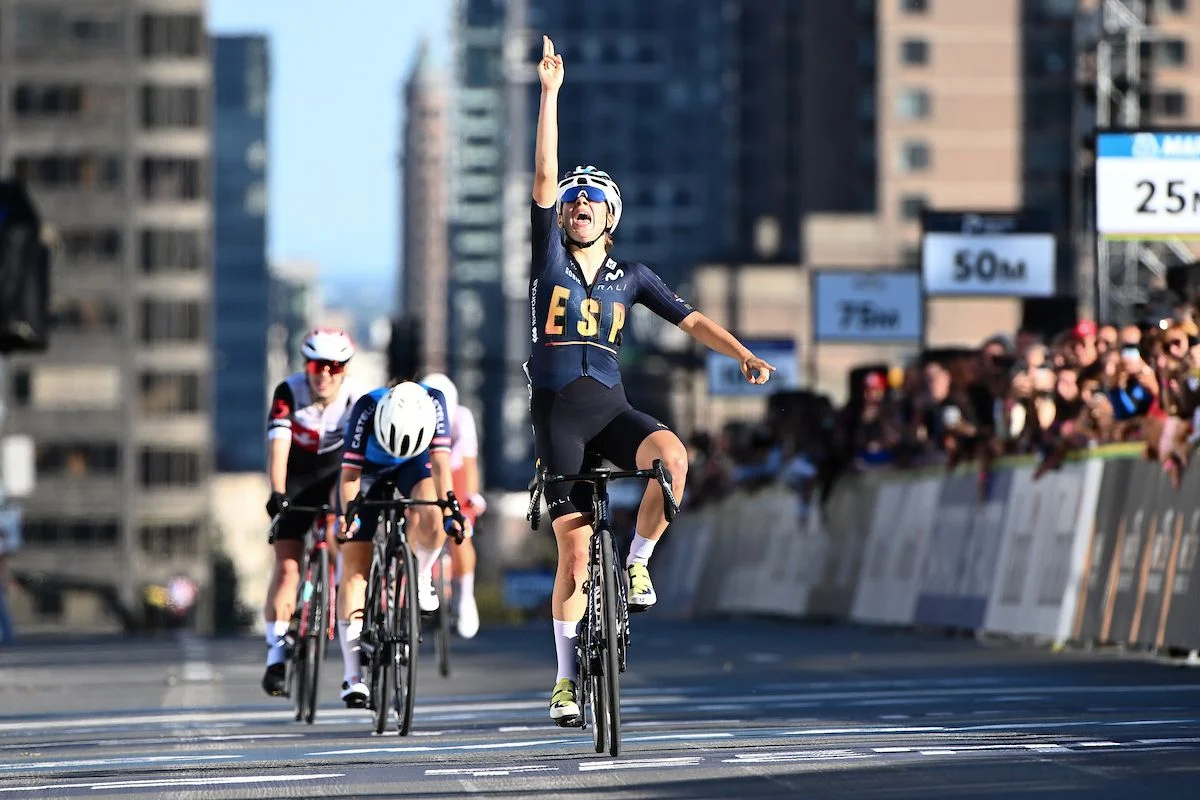
 Basiran
 Reynand Wu
 Siti Muinah