
 Evan Lee Salim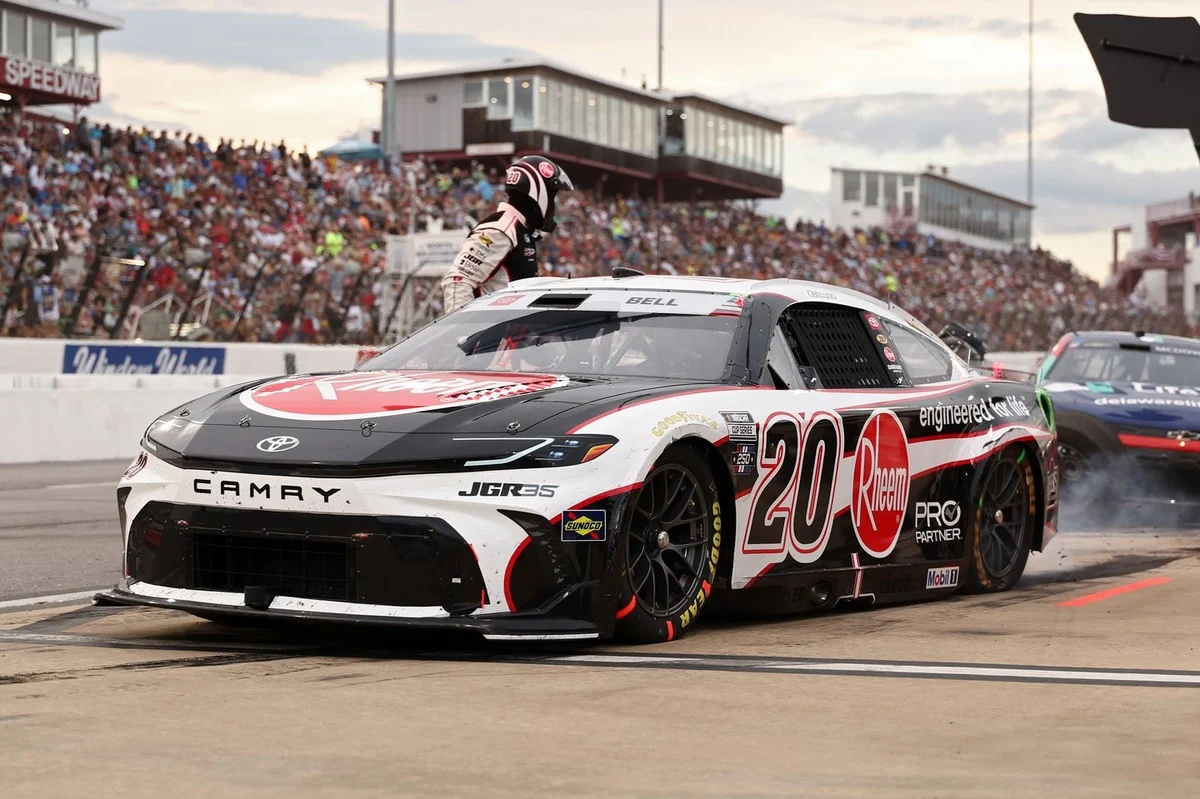
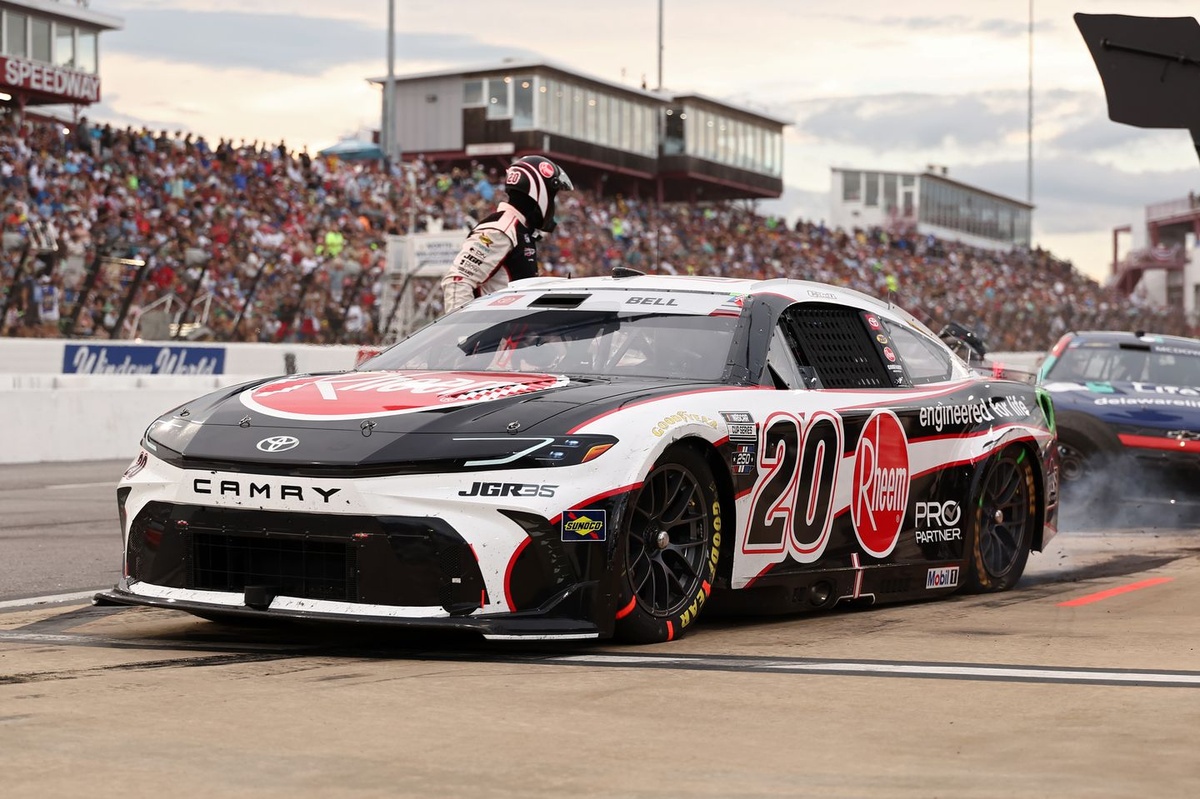
In a significant pivot toward optimizing the competitive landscape, NASCAR has announced a major restructuring of its practice format for the 2026 Cup Series season. Beginning with the race weekend at New Hampshire Motor Speedway on August 23, the governing body is abandoning the split-group practice sessions that have defined the sport’s "condensed" era. Instead, teams will be granted a unified 50-minute open practice session for all non-superspeedway events, accompanied by an additional set of tires to encourage more meaningful on-track development.
This move marks a departure from the efficiency-first mindset adopted during the 2020 pandemic and signals a renewed commitment to parity and track time as the sport heads into the high-stakes pressure of the 2026 Chase for the Championship.
The Core Changes: Unifying the Field
For several seasons, the NASCAR Cup Series has utilized a split-field format, where the entry list was divided into two groups, each receiving 25 minutes of track time. While this helped reduce logistical costs and personnel hours at the track, it created significant competitive imbalances.
The primary criticism of the split-group approach centered on shifting track conditions. Factors such as ambient temperature changes, rubber buildup, and evolving wind conditions often meant that the second group faced a vastly different track than the first. Teams in the earlier session were frequently left to chase a "moving target," while those in the second group had the advantage of more representative data for the subsequent qualifying session and the race.
By moving to a single 50-minute block, NASCAR ensures that every driver and team operates under identical environmental conditions. This parity is expected to provide engineers with a more accurate data set, potentially tightening the field as they prepare for the season’s most critical races.
Chronology of the Shift: From Pandemic Efficiency to Modern Performance
The evolution of NASCAR’s weekend format tells the story of a sport in transition.
The COVID-19 Catalyst (2020–2021)
When the pandemic forced the world—and professional sports—to a standstill, NASCAR pioneered the "one-day show." To minimize exposure and personnel requirements, the sport eliminated practice and qualifying almost entirely, relying on performance metrics to set starting grids.
The Return to Practice (2022–2025)
As normalcy returned, NASCAR gradually reintroduced limited track time. However, the organization maintained a "condensed" philosophy, fearing that returning to the lengthy practice sessions of the 2010s would inflate costs and burden smaller teams. The split-group session was the middle-ground solution, balancing the need for car setup time with the desire to keep weekend operations lean.
The 2026 Reset
The decision to implement the new 50-minute format starting at New Hampshire is a tactical bridge into the playoffs. By the time the cars hit the track in Loudon, the championship battle will be intensifying. The additional set of tires provided to each team is a crucial component of this change, allowing teams to move beyond "shakedown" laps and engage in legitimate high-speed testing without the fear of degrading their only set of rubber.
Superspeedways: The Notable Exceptions
While the majority of the schedule will adopt the 50-minute format, NASCAR has carved out specific exceptions for the sport’s most volatile tracks.
The high-stakes, pack-racing environments of Daytona and Talladega will remain exempt from practice. For these venues, the cars will head directly from the hauler to the qualifying session. This policy is designed to maintain the "wild card" nature of these races; by limiting practice, NASCAR prevents teams from fine-tuning setups to an extreme degree, which often leads to more aggressive, unpredictable racing.
Homestead-Miami Speedway, which has been restored to its position as the season finale, remains the outlier in a positive way. Because the track already features a uniquely structured extended practice session, its schedule will remain untouched by these changes, ensuring that the championship crowning ceremony benefits from the most comprehensive preparation possible.

Technical Implications: Engineering and Strategy
The addition of a fresh set of tires is more than just a logistical convenience—it is a technical lever that will shift how teams approach the weekend. In the current 25-minute format, teams often spend the first 10 minutes performing "installation laps" to ensure systems are functioning correctly, leaving only 15 minutes of actual performance testing.
With 50 minutes and an extra set of tires, teams can afford to:
- Focus on Long-Run Speed: With more rubber, teams can simulate race-trim stints, helping them understand how their cars will handle after 30 or 40 laps of wear.
- Setup Iteration: Teams will have the time to return to the garage, make significant adjustments to springs, shocks, or track bar settings, and return to the track to measure the results—a luxury that was effectively nonexistent in the 25-minute split format.
- Driver Feedback: The extended time allows drivers to provide more nuanced feedback, helping them calibrate their driving style to the specific nuances of the track surface.
Official Stance and Industry Sentiment
NASCAR leadership has maintained that the goal of this change is to strike a balance between fiscal responsibility and the pursuit of competitive excellence. While cost-cutting remains a priority, there is a growing consensus within the garage that the lack of track time was beginning to hinder the development of the Next Gen car.
"We want the best drivers and the best engineers to have the tools they need to put on the best show possible," said a NASCAR spokesperson. "By equalizing the conditions for everyone and giving them the time to dial in their machines, we believe we’ll see closer, more competitive racing during the Chase."
Industry insiders, including veteran crew chiefs and drivers, have largely praised the move. The discord surrounding the split-group format had become a frequent talking point in media scrums, with many teams feeling that a bad "group draw" could compromise their entire weekend. The transition to a unified session effectively removes that variable, putting the onus on the team’s preparation rather than a random draw.
Looking Ahead: The Future of the Race Weekend
The 2026 season marks a critical juncture for NASCAR. As the sport continues to experiment with its media footprint and fan engagement strategies, the on-track product remains the ultimate driver of success.

Will the extra 25 minutes of practice lead to a more predictable field, or will it simply raise the floor for the entire garage? The likely answer is a mix of both. As the sport moves toward the playoffs, the gap between the dominant teams and the mid-field is expected to shrink, as the additional time allows smaller organizations to catch up on setup data that they previously lacked the time to gather.
As the August 23 date at New Hampshire approaches, all eyes will be on how the teams utilize this newfound window of opportunity. For the fans, it promises more action on the track. For the teams, it represents a return to the fundamentals of racing: preparation, iteration, and execution.
With no changes to the current qualifying format or the metric used to set the grid in the event of a rainout, the core structure of the weekend remains stable. However, the qualitative change in practice time is poised to be the most significant performance-related adjustment of the 2026 season. As the countdown to the Chase begins, the playing field is being leveled, and the competition is expected to be fiercer than ever.

 Raul Delapena Setiawan
 Nana Muazin
 rifanmuazin
 Asro
Asro
 Ali Ikhwan
 Muslim
 Sagoh
Sagoh
 Asep Darmawan