
 Reynand Wu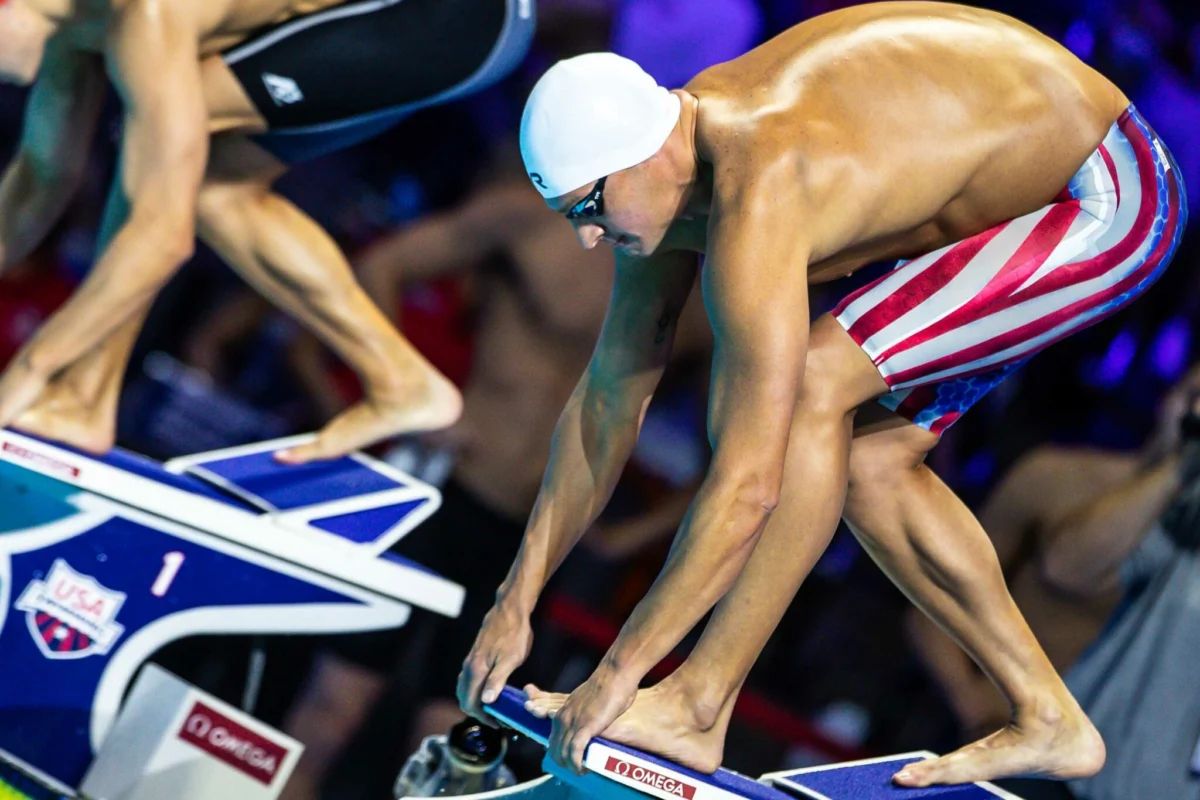
Introduction: A Splash of Nostalgia
For the better part of two decades, the name Ryan Lochte was synonymous with high-stakes international competition, gold medals, and the relentless pursuit of excellence in the pool. A 12-time Olympic medalist, Lochte became a household name for his unorthodox flair, his longevity in a grueling sport, and his ability to push the limits of human performance. However, following the 2021 U.S. Olympic Swimming Trials in Omaha, Nebraska, the racing world saw less of the veteran star.
Now, in a move that has captured the attention of the swimming community, Lochte has officially returned to the starting blocks. In a recent social media reveal, the 40-year-old icon shared that he participated in a 100-meter individual medley, marking his first competitive race since failing to qualify for the Tokyo Olympic team. While the setting was modest—far from the roaring, lights-blinding atmosphere of an Olympic arena—the significance of the moment was profound for the athlete himself.
The Chronology of a Career Transition
To understand the weight of this recent return, one must look back at the trajectory of Lochte’s career. His professional journey has been defined by extreme highs and challenging public scrutiny.
The Omaha Exit (2021)
The last time the public saw Lochte in a high-pressure, major-meet capacity was at the 2021 U.S. Olympic Swimming Trials. Entering the competition as a veteran looking to secure one final Olympic berth, Lochte fell short, finishing 7th in the 200m individual medley. For many, that race felt like a closing chapter. The transition from elite athlete to the next stage of life is rarely linear, and for an athlete of Lochte’s caliber, it proved to be a complex, multi-year process of soul-searching.
The Coaching Pivot (2024)
In May of this year, the narrative shifted from athlete to mentor. Lochte announced he would be joining the coaching staff at Missouri State University. This move signaled a formal integration into the collegiate landscape, allowing him to pass down the technical acumen he honed over four decades. His father, Steve Lochte, a seasoned coach with 44 years of experience who retired in 2018, likely serves as the inspiration for this career pivot. By stepping onto the deck as an assistant coach, Ryan is effectively continuing the family legacy in the sport.
The Return to the Water (Late 2024)
The recent 100 IM swim was not a return to professional competition in the traditional sense, but rather an internal milestone. Sharing his experience on Instagram, Lochte noted that the act of wearing a racing suit and stepping up to the blocks provided a "huge smile" on his face—a testament to the joy of swimming that often gets buried under the pressure of elite training cycles.
Supporting Data: Why This Matters
While the race itself was not a record-breaking event, the context surrounding it is substantial. The swimming industry has been evolving, and Lochte remains at the center of several critical conversations regarding the future of the sport.
Engagement and Personal Stability
Lochte’s return to the water coincides with significant personal milestones. His recent engagement to Molly Gillihan, a native of Springfield, Missouri—the home of Missouri State University—suggests that he has found a sense of stability that was perhaps missing during the chaotic later years of his competitive career. This personal growth appears to have bled into his professional outlook, as he has spoken openly about "loving life again" and being "happy and healthy."
The "Enhanced Games" Discourse
Perhaps the most controversial aspect of Lochte’s recent public persona is his vocal support for the "Enhanced Games." Three weeks prior to his race, he posted a video discussing the venture, which aims to host competitions where performance-enhancing substances are not banned.
Lochte’s endorsement—or at least his willingness to engage with the concept—highlights a growing sentiment among veteran athletes regarding the financial limitations of traditional amateur sports. He has cited the "financial stability" that the Enhanced Games could offer as a primary motivator for his interest. In an era where many Olympic athletes struggle to make a living wage, Lochte’s commentary reflects a broader debate about athlete compensation and the sustainability of a career in professional swimming.
Professional Journalistic Analysis: The Implications
The implications of Lochte’s return to the blocks, combined with his new coaching role and his controversial views on the future of sports, are multifaceted.
The Psychology of the Athlete
Lochte’s own words—"Life really has a way of testing you. There were times I wasn’t sure I’d ever feel like myself again"—offer a rare, vulnerable insight into the post-career identity crisis faced by elite athletes. For many, the "athlete" persona is the only one they have ever known. By returning to the water, not to win a medal, but to feel the sensation of racing, Lochte is reclaiming the sport on his own terms. This is a crucial step in the psychological transition from "competitor" to "contributor."
The Missouri State Influence
By joining the Missouri State program, Lochte is effectively testing his ability to translate his internal knowledge into external instruction. College swimming is a unique ecosystem that requires not just swimming skill, but recruitment ability, interpersonal management, and long-term athletic development planning. If Lochte can successfully transition into a long-term coaching career, he will solidify his place in the sport’s history as more than just a competitor, but as a pillar of the community.
The Future of "Professional" Swimming
Lochte’s support for alternative competition models like the Enhanced Games places him at odds with the traditional governing bodies of the sport. However, it also highlights a shift in how legacy athletes view their own value. As the landscape of professional sports shifts toward athlete-centric models, voices like Lochte’s will continue to force the industry to confront difficult questions regarding athlete welfare and financial sustainability.
Conclusion: A New Pace
Ryan Lochte’s recent swim may have been a "one-off" exhibition, but it serves as a powerful metaphor for his current life stage. He is no longer racing against the clock to prove his worth to the world; he is racing for the sake of the craft.
As he settles into his role in Springfield, Missouri, with a new fiancée and a new career path, the man who was once the face of American swimming is finding a new rhythm. Whether or not he continues to engage with the, at times, polarizing business of modern swimming, one thing remains clear: he has finally made peace with the water. The pressure of the podium has been replaced by the pleasure of the lap, and for an athlete who has given everything to the sport, that is perhaps the greatest victory of all.
The swimming world will continue to watch, not necessarily for the times he puts on the clock, but to see how the next chapter of the Lochte legacy unfolds—one that looks, by all accounts, much more sustainable and, most importantly, much happier than the one that came before.

 Sagoh
Sagoh
 Nana Muazin
 Neng Nana
 Nana Wu
 Lina Hope

 Iffa Jayyana