
 Reynand Wu
By Editorial Staff | Updated July 9, 2026
For the dedicated winter enthusiast, the transition from the spring thaw to the dog days of summer often signals a period of dormancy. The frantic energy of powder days, the biting chill of a high-altitude chairlift, and the ritual of the frigid parking lot scramble are distant memories. However, for those who view skiing not merely as a seasonal hobby but as a lifestyle, the off-season is the most critical window for preparation.
As we sit in the heart of July, the upcoming season may seem like a far-off horizon, but the work performed now dictates the quality of your experience when the first storm cycle hits. Being a skier is a year-long commitment. To ensure your gear is primed, your body is conditioned, and your logistics are locked in, we have curated a master checklist for the modern skier.
1. Safety First: The Criticality of Avalanche Beacon Maintenance
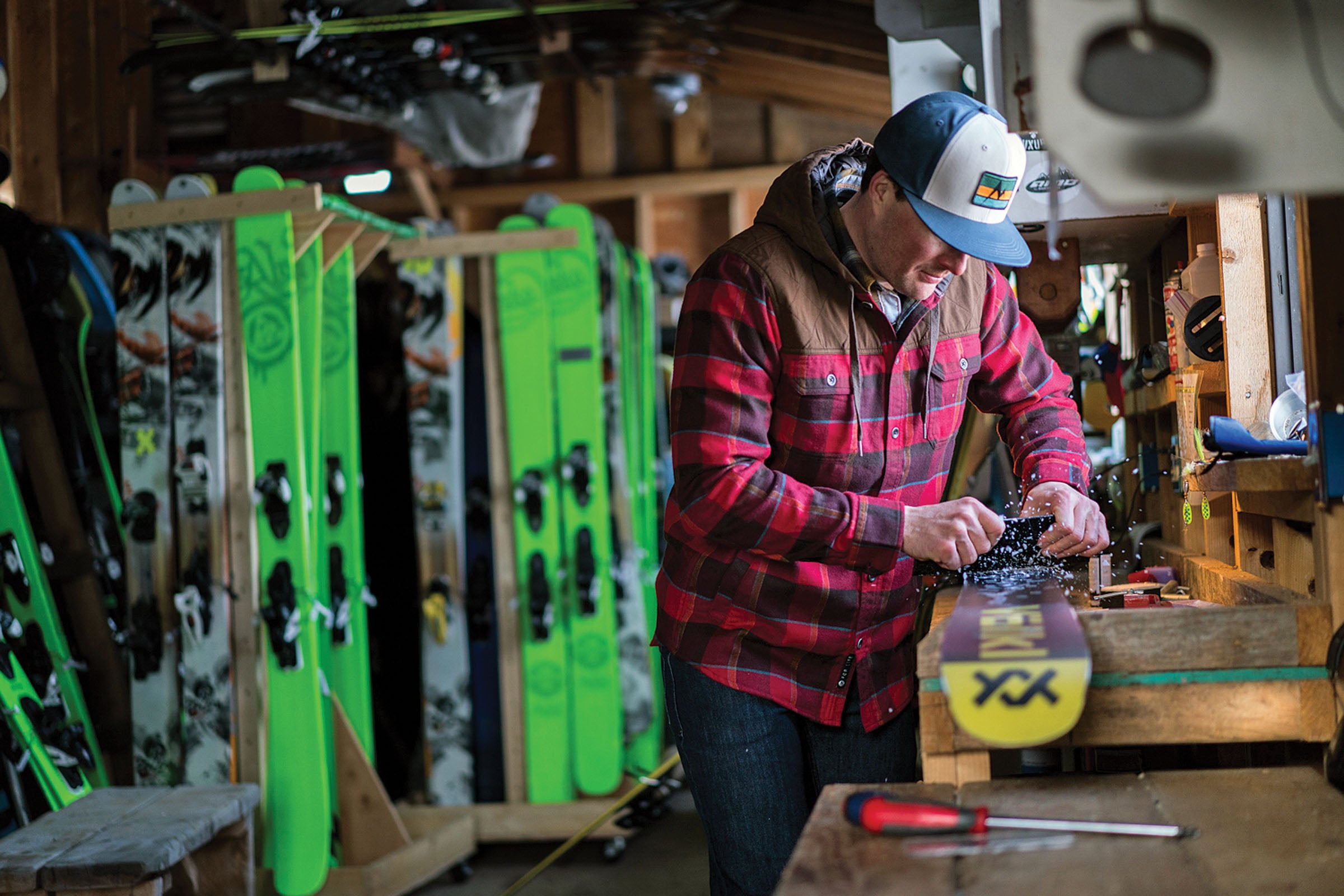
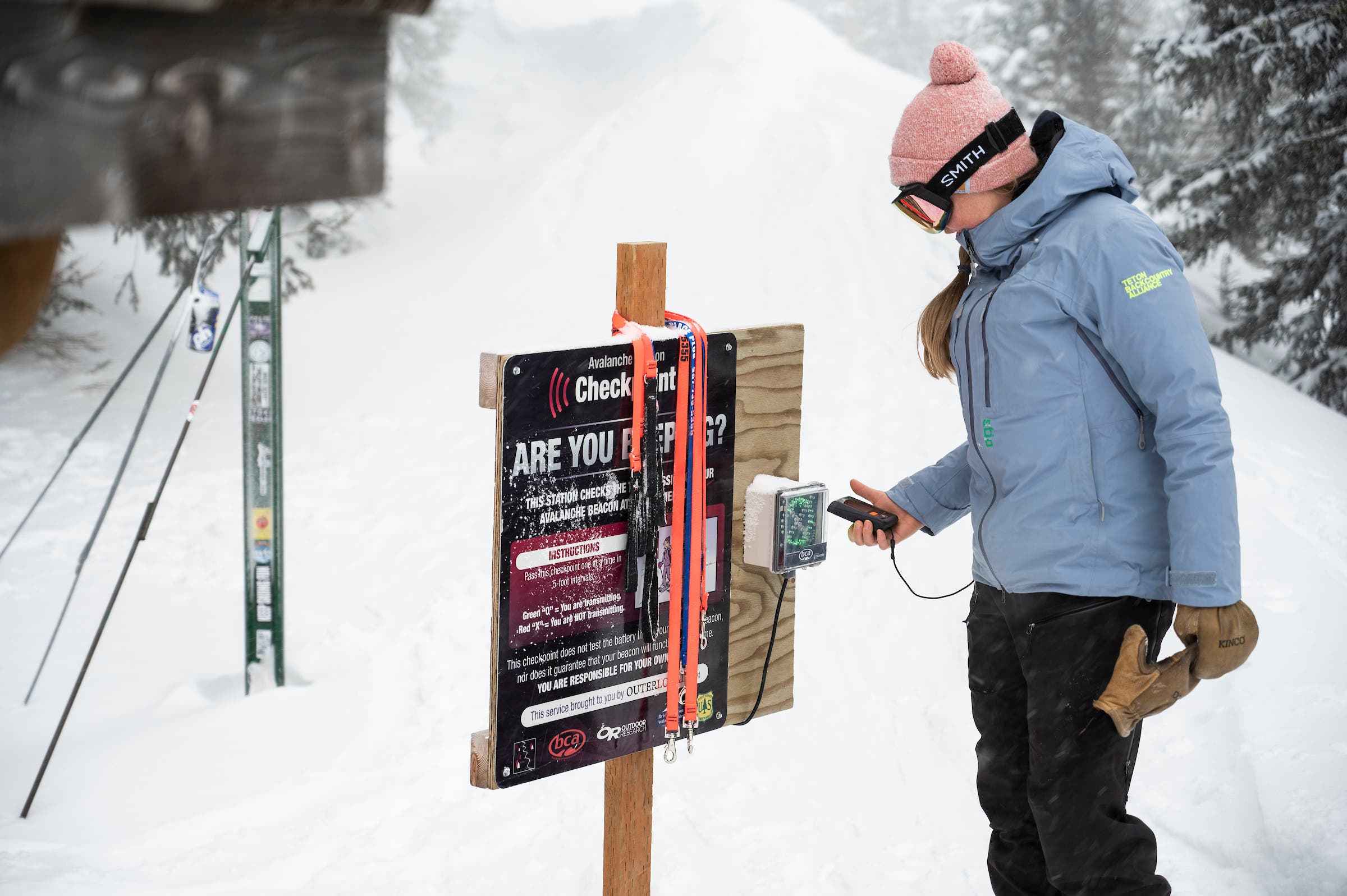
The most vital piece of equipment in any backcountry skier’s kit is the avalanche transceiver (beacon). While many skiers treat these devices as "set it and forget it" tools, they require meticulous attention during the summer months.
The Battery Protocol
If you tucked your beacon away in a closet last April without addressing the power source, you are overdue for action. Leaving batteries inside a beacon for extended periods—especially in variable temperature environments—poses a significant risk of leakage and corrosion. Acid leakage can permanently damage the sensitive internal circuitry of your beacon, rendering it useless during a life-or-death emergency.
Recommendation: Remove all batteries immediately. Clean the battery compartment with a Q-tip and a tiny amount of vinegar if you spot any crusty residue. Store your beacon in a cool, dry place, and keep fresh, high-quality lithium batteries stored separately in your gear bag, ready to be installed on your first tour of the season.
2. Mid-Summer Ski Tuning: Preservation and Performance
There is a common misconception that skis are "dead" once the final lift stops spinning. In reality, the summer months are when your equipment is most vulnerable to oxidation and base degradation.
Why a Summer Tune Matters
If you neglected to perform a "storage wax" at the end of the season, your bases are likely dry and thirsty. A dry base can become brittle, and the edges—if left exposed to moisture—are prone to rust. A summer tune-up is not just about performance; it is about extending the lifespan of your investment.
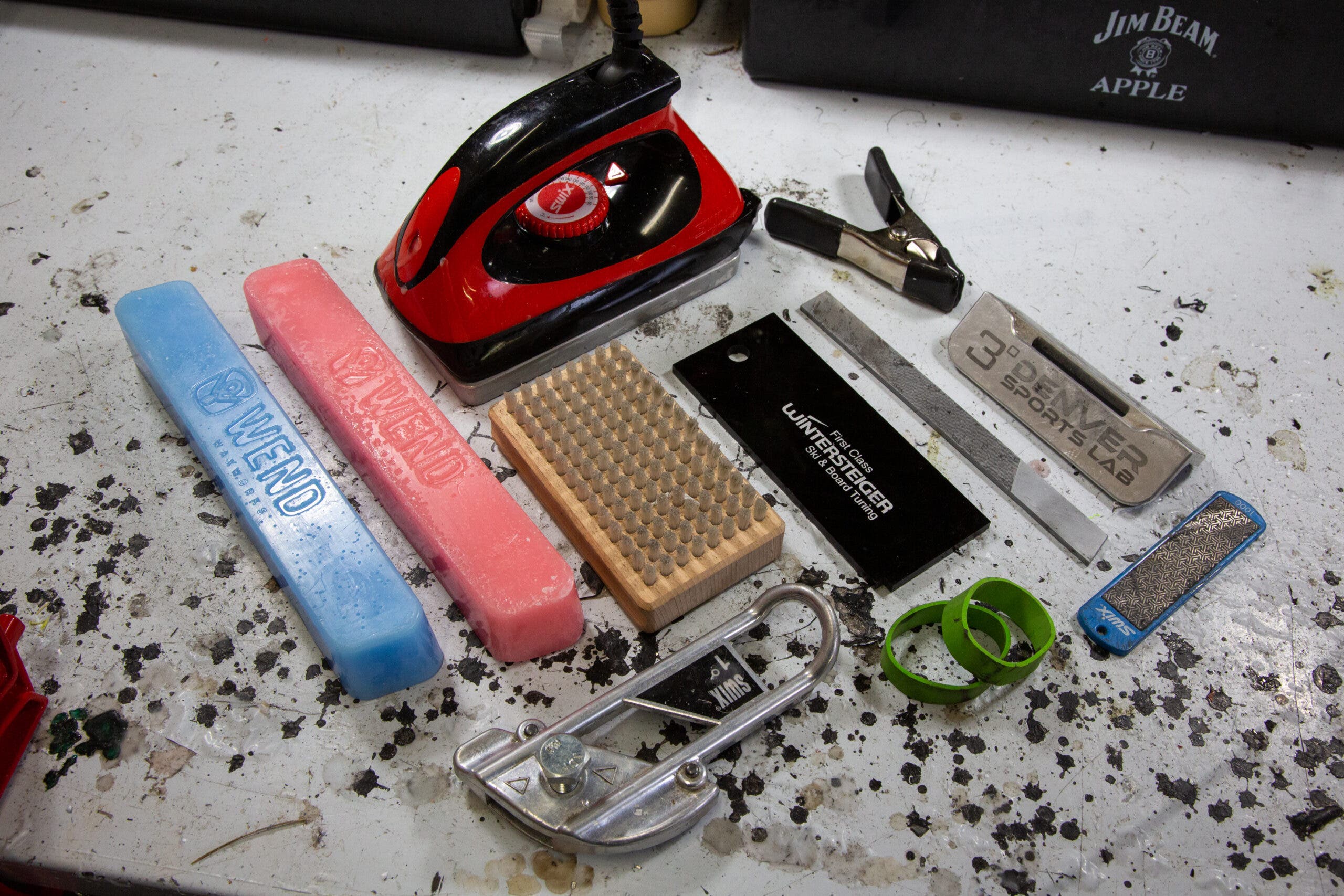
- The Cleaning Phase: Remove all old, oxidized wax using a citrus-based cleaner or a fine base brush.
- The Edge Check: Inspect your edges for burrs or nicks. If the damage is superficial, a light pass with a diamond stone will suffice.
- The Storage Wax: Apply a thick layer of hydrocarbon wax. Crucially, do not scrape it off. This thick layer acts as a sealant, protecting the polyethylene base from drying out and preventing the edges from rusting during the humid summer months.
3. Physiological Readiness: Building the "Ski-Ready" Body
Physical therapists and elite coaches agree: the most common cause of early-season ACL tears and soft-tissue injuries is the "weekend warrior" syndrome—attempting to ski at 100% capacity with 0% conditioning.
The Focus on Functional Strength
Skiing requires eccentric strength, stability, and cardiovascular endurance. The off-season provides the luxury of time to focus on the posterior chain.
- Single-Leg Stability: Exercises like single-leg hops and Bulgarian split squats mimic the asymmetrical nature of skiing. They build the proprioception required to recover when you hit an unexpected patch of ice.
- Glute and Hamstring Activation: Strong glutes are the primary defense against knee injuries. Incorporate deadlifts and glute bridges into your weekly routine.
- Cross-Training Integration: The goal is to build an "engine." Incline treadmill walking, trail running, and swimming offer low-impact ways to build the lung capacity necessary for high-altitude endurance.
4. The Digital and Physical Decluttering
A cluttered gear closet is the enemy of a smooth transition into winter. Taking the time to audit your inventory now prevents the mid-November panic.
The Gear Audit
- Consumables: Throw away expired hand warmers and chemical heat packs. They lose effectiveness over time, and there is nothing worse than relying on a dud during a sub-zero day.
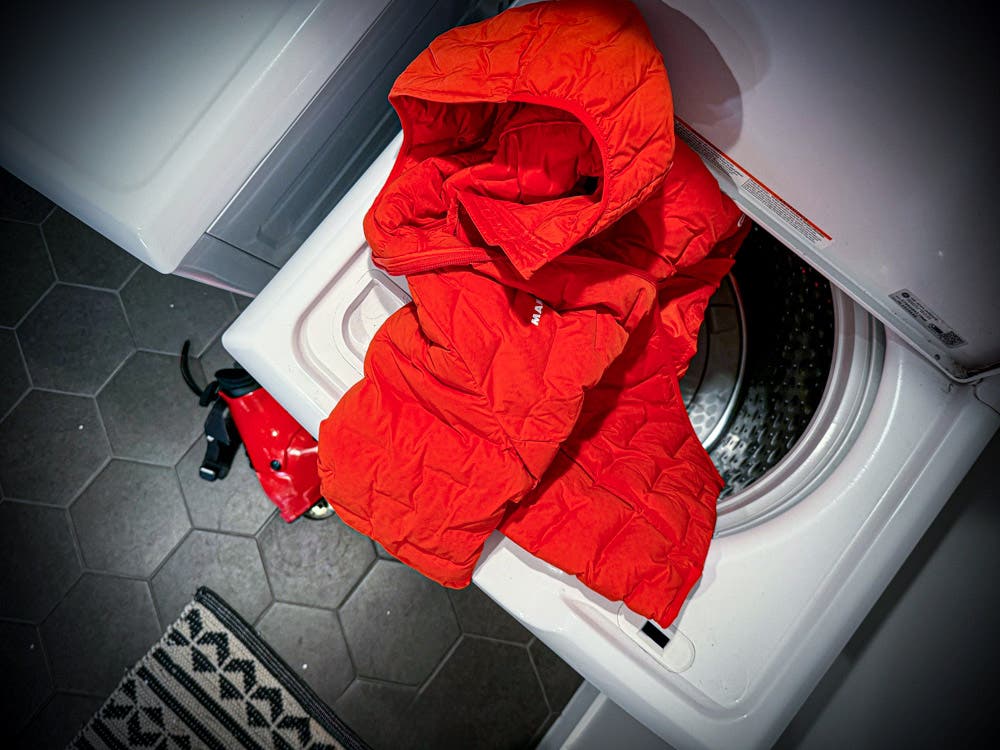
- Apparel Refresh: Outerwear (Gore-Tex and other waterproof-breathable membranes) loses its DWR (Durable Water Repellent) coating through dirt and sweat accumulation. Wash your jackets and pants using a technical fabric cleaner, and apply a fresh layer of DWR spray.
- The "Graveyard" Effect: If you have gear that no longer fits, or has been replaced, do not let it collect dust. The second-hand market is currently robust. Listing gear on platforms like SidelineSwap or donating to local ski swaps helps the community and keeps gear out of landfills.
5. Strategic Planning: Logistics and Booking
The economics of the ski industry have shifted significantly in recent years. Waiting until October to plan your season is no longer just inconvenient—it is expensive.

Leveraging the Summer Window
- Resort Selection: Use the current downtime to research and book your lodging. Summer is the "sweet spot" for availability; you can secure prime ski-in/ski-out locations before they are fully booked by the holiday rush.
- Pass Economics: Multi-resort passes (Epic, Ikon, etc.) generally increase in price or stop being sold entirely by late autumn. Securing your pass now is a guaranteed hedge against seasonal inflation.
- Travel Costs: Airfare trends show that booking winter travel during the off-season can save a traveler anywhere from 15% to 30% compared to booking in the late autumn.
6. Supporting Data and Professional Insights
According to recent surveys conducted by ski industry analysts, 78% of ski-related injuries occur in the first two weeks of the season, largely attributed to a lack of cardiovascular and muscular preparation. Furthermore, retail data indicates that skiers who maintain their equipment during the summer months enjoy a 40% longer functional lifespan for their skis compared to those who store them improperly.
Official Perspectives
"The transition to winter is a shock to the system," notes Dr. Elena Vance, a sports physiologist specializing in alpine athletics. "By beginning a targeted strength program in July, the athlete transitions from a state of general fitness to specific alpine readiness by November, drastically reducing the risk of kinetic chain failure."
7. Implications: The Long-Term Benefit
The effort you put into your equipment and your physical self today has direct implications for your performance in January and February. By shifting the perspective of "ski season" from a four-month window to a year-long commitment, you not only protect your financial and physical investments but also enhance the quality of your time on the snow.
A well-maintained beacon is the difference between life and death. A conditioned body is the difference between a season-ending injury and a season of progression. A well-planned travel itinerary is the difference between a stressful holiday and a seamless vacation.
As we look toward the 2026-2027 season, remember that the most successful skiers are those who prepare when the snow is nowhere to be seen. Your future self will thank you when the lift starts spinning and you are ready to drop in, stronger and more prepared than ever.

 Iffa Jayyana
 Azzam Bilal Chamdy
 Neng Nana
 Nana Wu
 Lina Hope

 Sagoh
Sagoh