
 rifanmuazin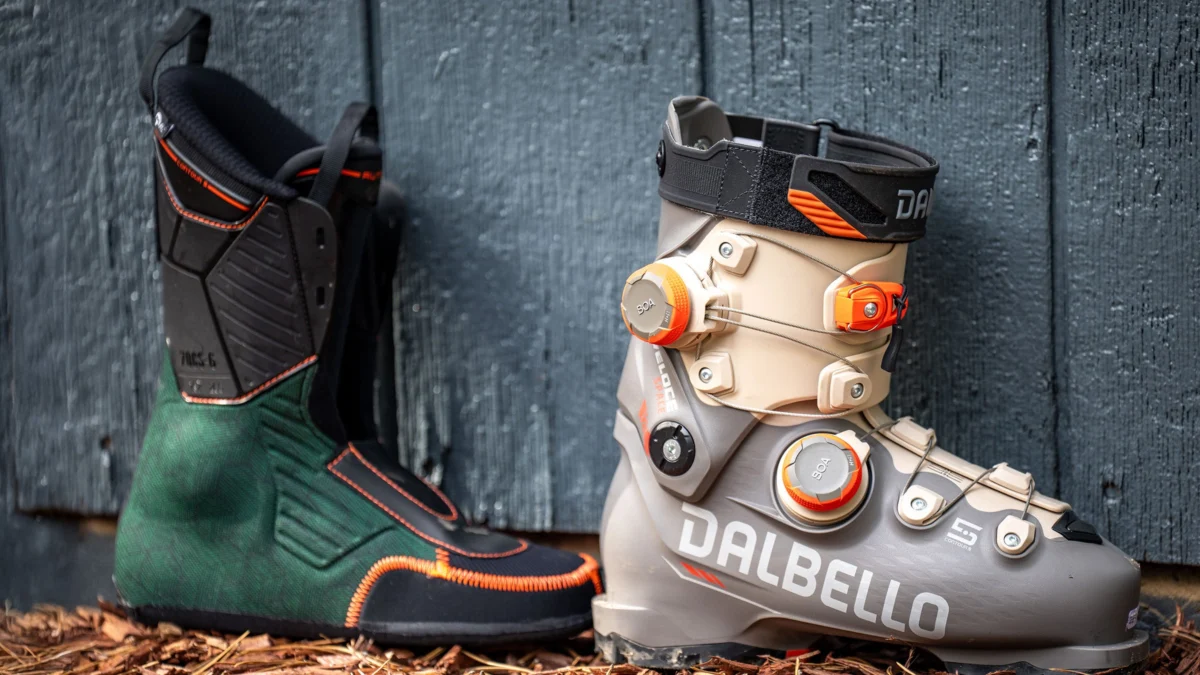
By [Author Name]
Published: June 30, 2026
Four years ago, the ski industry was braced for a seismic shift. I penned a headline that echoed throughout the community: "Four-Buckle Boots Are About to Become a Relic of the Past." Looking back from the vantage point of mid-2026, I am forced to offer a humble correction: I was partially wrong. Traditional buckles remain a cornerstone of the sport, stubbornly refusing to vanish. However, to suggest that "nothing changed" would be a profound oversight. When BOA dials integrated into the lower shells of alpine ski boots during the 2023–’24 season, they didn’t just add a piece of hardware; they fundamentally altered how manufacturers conceptualize, engineer, market, and retail the most critical piece of equipment in a skier’s kit.
The novelty has worn off. The early-adopter hype has settled into a period of pragmatic assessment. As we stand at this juncture, it is time to peel back the layers of the "BOA Revolution" to understand what has truly changed, what remains the same, and where the industry goes from here.
The Evolution of the BOA Integration
The rollout of the H+i1 dial system was one of the most aggressive product launches in the history of winter sports. When industry titans like Salomon, Atomic, K2, and Fischer debuted boots featuring BOA dials on the lower cuffs, the reaction was a mixture of genuine excitement and deep-seated skepticism.
For decades, the "four-buckle overlap" boot reigned supreme. It was a known quantity—simple, repairable, and consistent. The introduction of the BOA dial promised to replace that mechanical simplicity with a cable-tension system that promised uniform, 360-degree wrapping of the foot. It was touted as the most significant innovation in boot geometry since the legendary Raichle Flexon—a design shift that, for many, felt like a bridge too far. The primary point of contention among traditionalists was the "multi-last" concept: how could a single shell volume be expected to accommodate the infinite variety of human foot shapes through a dial alone?
BOA’s answer arrived in the form of rigorous data. In a series of proprietary studies, the company argued that its H+i1 system increased power transfer by providing a more precise, nuanced closure than a static metal buckle could ever hope to achieve. Dan Feeney, the VP of Innovation and Development at BOA, explains the philosophy: "People have spent years saying, ‘cuff equals power.’ We challenged that. We argued that if you optimize the wrap of the lower shell, you are effectively applying power more efficiently to the ski’s edge."
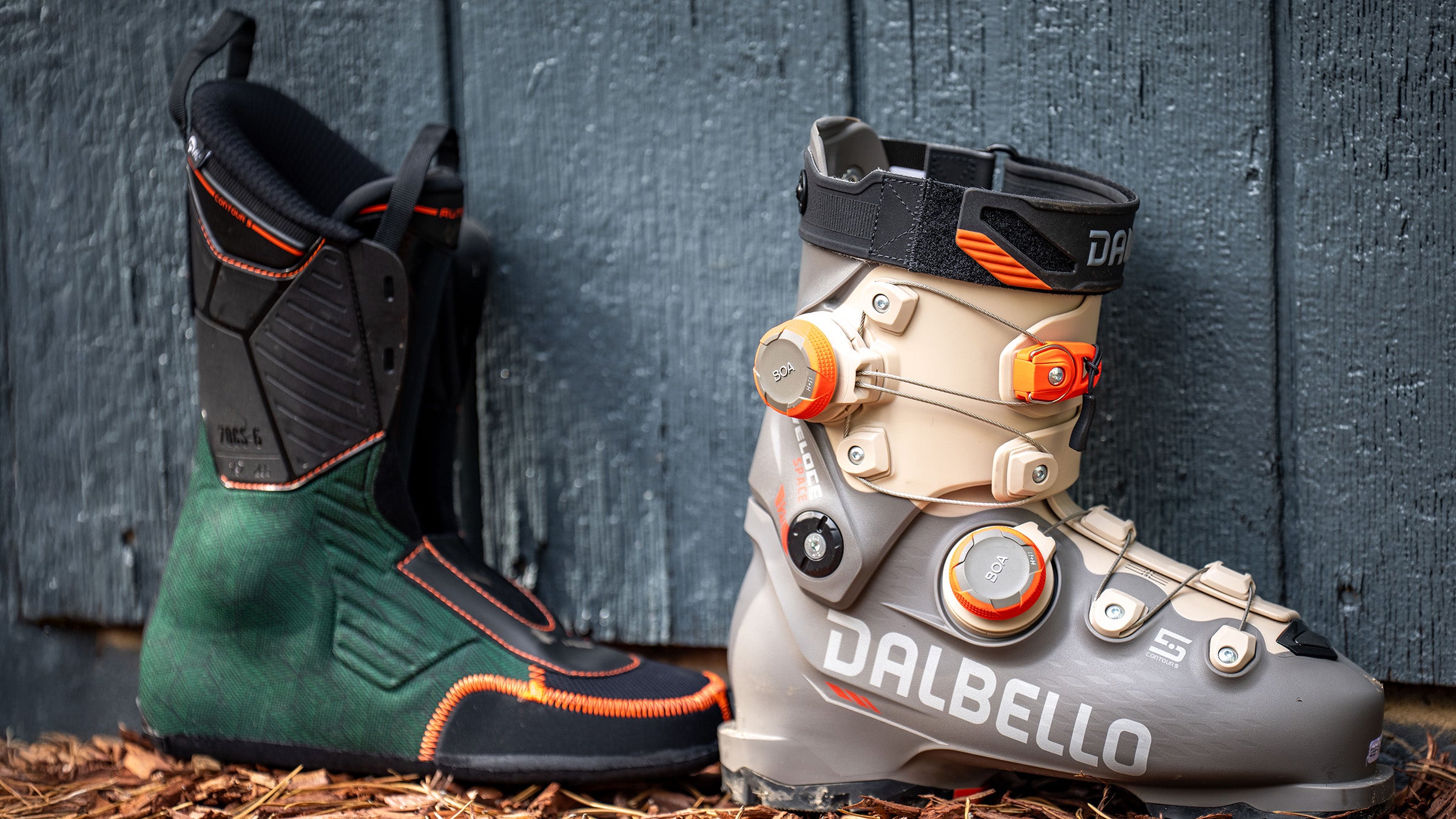
The industry reacted with a flurry of experimentation. We saw the rapid expansion of the technology: dual-BOA systems in the K2 Cortex, and the emergence of the "Mullet BOA"—a nickname affectionately applied to boots like the Nordica Speedmachine 130S, which featured a BOA dial on the cuff but retained traditional buckles on the lower shell. It was a period of frantic, creative, and sometimes confusing engineering.
Chronology of a Disruption
- 2023: The "Big Bang" launch of H+i1 lower-cuff integration across multiple brands.
- 2024: The market settles; initial consumer feedback reveals a split between those who love the precision fit and those who fear cable failure in extreme cold.
- 2025: The "Correction Phase." Brands begin to curate their lineups, moving away from putting BOA on every model and toward specific, targeted applications.
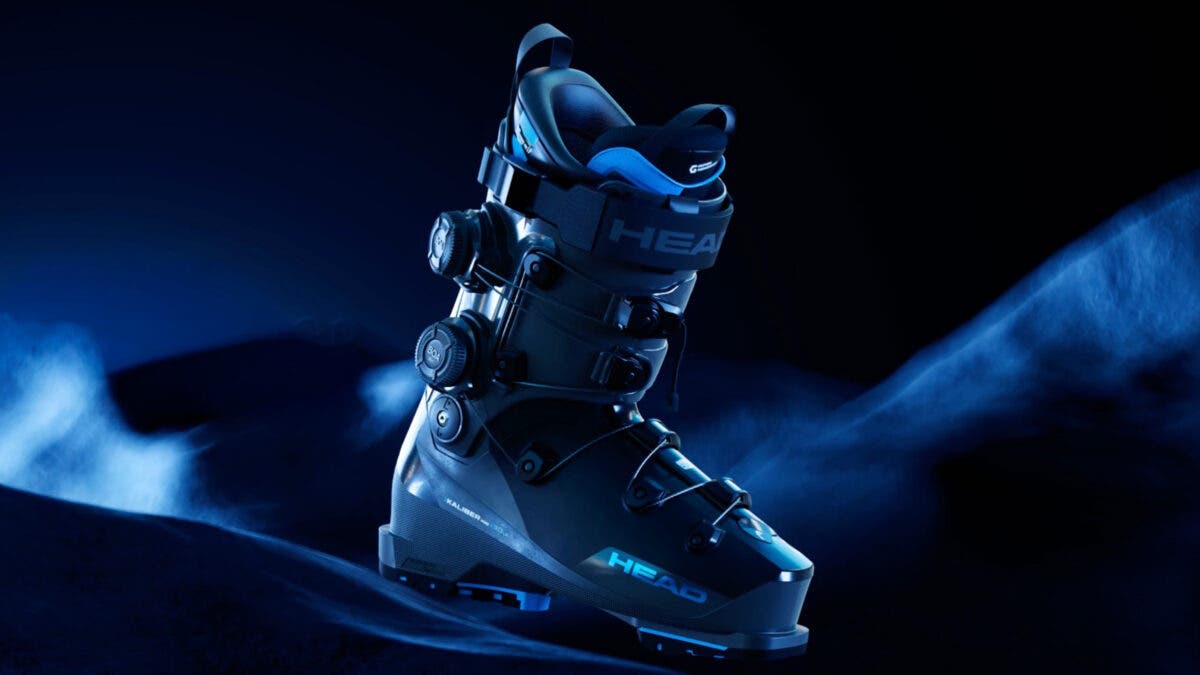
- 2026: The debut of the Head Kaliber Pro LV, signaling a shift toward hybrid configurations and refined, high-performance, race-oriented experimentation.
Supporting Data and Market Realities
If one walks into a high-end ski shop in the United States today, the dominance of BOA-clad boots is not as total as the 2023 press releases might have predicted. We are witnessing a market correction remarkably similar to the "rocker" craze of the mid-2000s. Just as manufacturers initially over-applied rocker to every ski shape before realizing that camber still had a place, boot brands are now taking a more restrained, strategic approach to dial integration.
The economic reality of the industry also plays a massive role. Developing a new ski boot mold is a million-dollar investment. Because a BOA-equipped boot requires a fundamentally different shell geometry than a buckle-based boot, brands cannot simply swap out parts. They are forced to make a "double investment" in manufacturing. This has led companies like Head to take a more conservative, thoughtful approach.
"At the moment, we’re starting to work into that more conservative approach," says Andrew Couperthwait, VP of U.S. winter sports at Head. "The adoption of BOA has homogenized a lot of the ‘meat’ of the market. Boots began to look the same. Now, we are asking where the dial truly adds value versus where a buckle is simply the better, more reliable solution."
Official Responses: A Qualified Success
When asked if the "BOA experiment" has been a success, the industry consensus is a nuanced "yes."
Dan Feeney remains optimistic, viewing the last three years as a mere warm-up. "It’s kind of crazy that it only launched three years ago," he says. "For us, there is still a massive amount of room to grow, particularly as we look toward the World Cup and the Freeride World Tour."
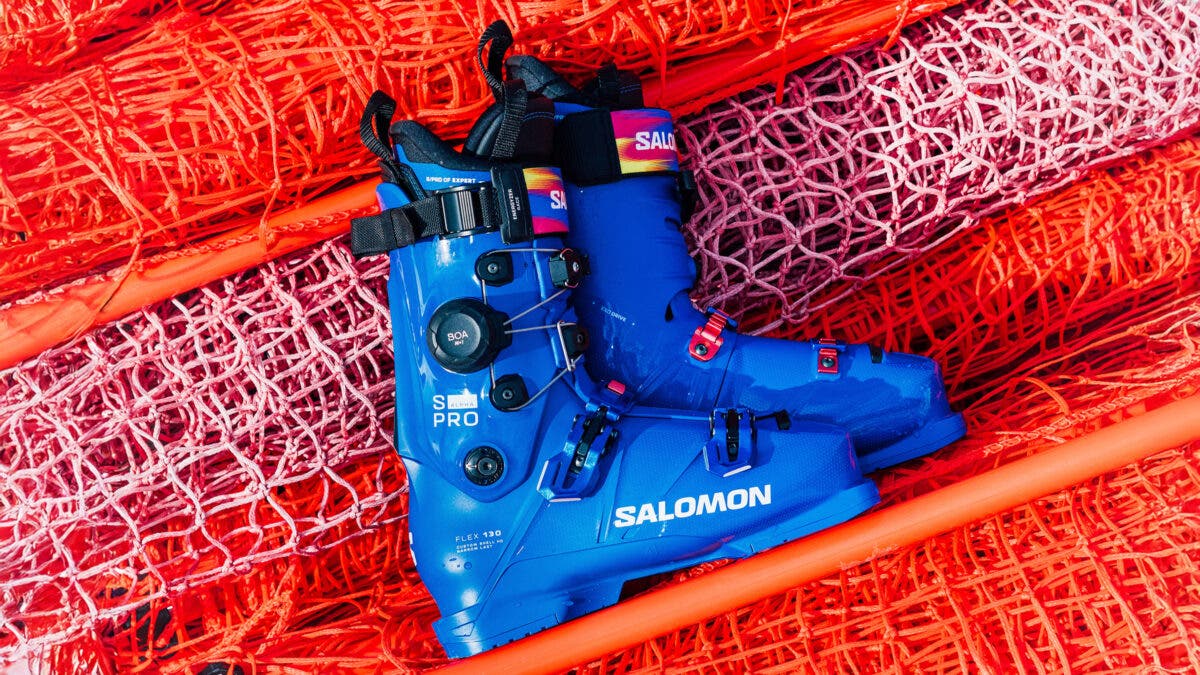
Andrew Couperthwait echoes this sentiment from a brand perspective. "It has been a success," he notes. "We are an industry that can get stuck in our ways. To bring outside technology in is always beneficial." Couperthwait highlights that the boot market has remained resilient despite erratic weather patterns in the American West, a trend he attributes in part to the excitement generated by new closure technology. "I don’t think anyone can say that BOA hasn’t helped boot sales over the last three years," he adds.
The Final Frontier: The World Cup
The most prominent "missing" piece of the BOA puzzle is the World Cup race circuit. While amateur racers and high-level recreational skiers have embraced the system, the world’s elite professionals remain the final, immovable object.
To a World Cup racer, equipment is a religion. A single, micro-second error can be the difference between a podium finish and obscurity. As Couperthwait points out, the industry relies on tried-and-true technology because it is battle-tested. "Look at the traction control technology in our speed skis—that’s technology we’ve been using for 25-plus years. It works, and it wins races. As long as it wins, it won’t go away."
The challenge for BOA is proving that their system can withstand the extreme lateral forces and aggressive "banging of the gates" that occurs at the highest level of the sport. However, the introduction of the Head Kaliber, which moves the lower dial to the upper cuff to prevent "booting out" during deep edge angles, suggests that the gap is narrowing.
Implications: The Future of the Boot Wall
So, where does this leave the consumer?
The "BOA revolution" did not make the four-buckle boot a relic; instead, it elevated the status of the closure system itself. Before 2023, the method by which a boot closed was largely treated as a commodity feature. Today, it is a primary selling point.
The most important takeaway for the average skier is that the "last"—the physical shape of the boot’s interior—remains king. As Couperthwait wisely concludes, "BOA is not the end-all-be-all. The last is still 100 percent the most important aspect of a boot fit. The integration of the liner into the shell is what determines success."
Looking forward, the integration of dial technology will likely become a tiered offering. We are moving toward a future where "performance" is defined by the specific needs of the skier: the micro-adjustability of a dial for the all-mountain cruiser, and the proven, bombproof reliability of buckles for the racer.
The dust has settled, and the industry is better for it. We haven’t seen the end of the buckle, but we have seen the end of the era where the boot industry was stagnant. The dials are here to stay, not necessarily as a replacement for everything that came before, but as a permanent, sophisticated addition to the toolkit of modern skiing. The revolution wasn’t about replacing the past; it was about forcing the future to arrive a little bit faster.

 Iffa Jayyana
 Azzam Bilal Chamdy
 Neng Nana
 Nana Wu
 Lina Hope

 Sagoh
Sagoh