
 Nana Muazin
By The Outdoor & Travel Desk
Updated November 6, 2026
Skiing has long held a reputation as an exclusive, budget-straining pastime. Between skyrocketing lift ticket prices that routinely cross the three-digit threshold, pricey equipment rentals, parking fees, and mandatory layers of technical apparel, a weekend on the slopes can quickly drain a bank account. Yet, for those who manage to navigate the financial hurdles of a winter vacation, another steep expense awaits at lunchtime.
For decades, a captive audience of hungry skiers has accepted inflated on-mountain food prices as an inevitable cost of doing business. A quick cafeteria burger, a lukewarm bowl of chili, and a fountain drink can easily set a single skier back $20 to $30. For families, a midday break can easily eclipse the cost of a tank of gas.
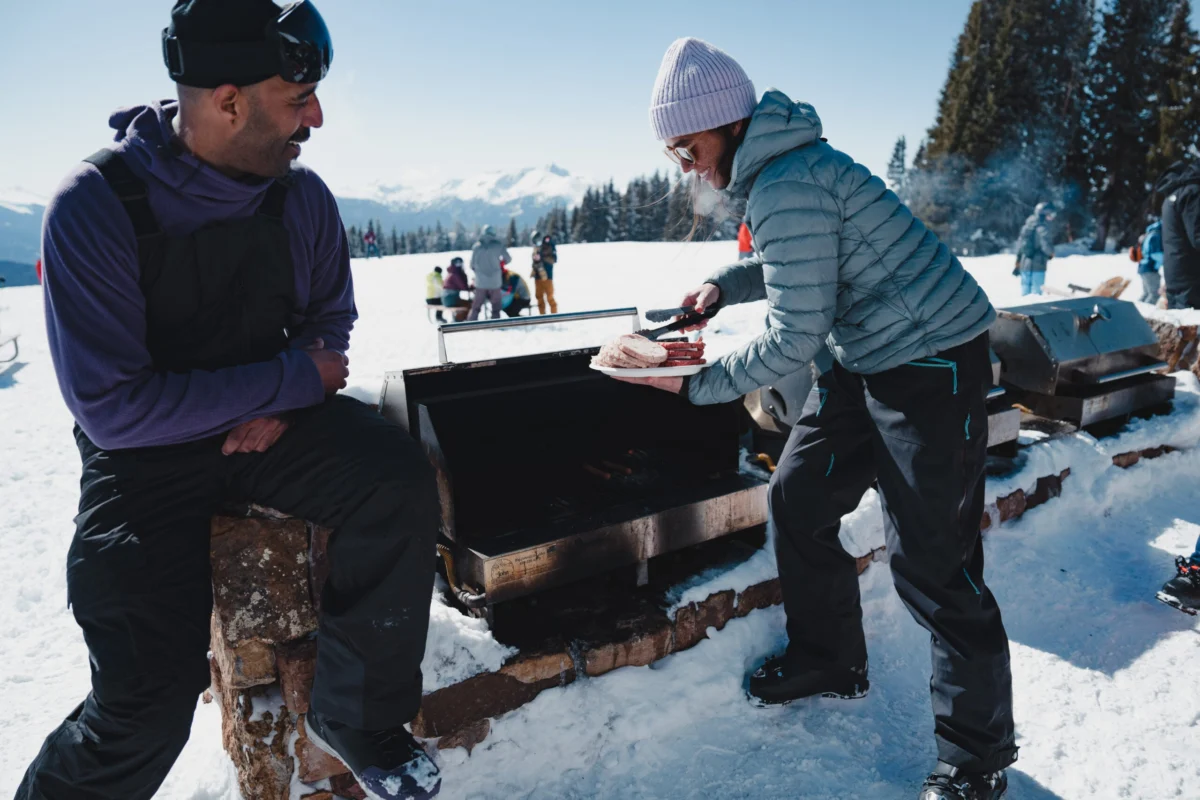
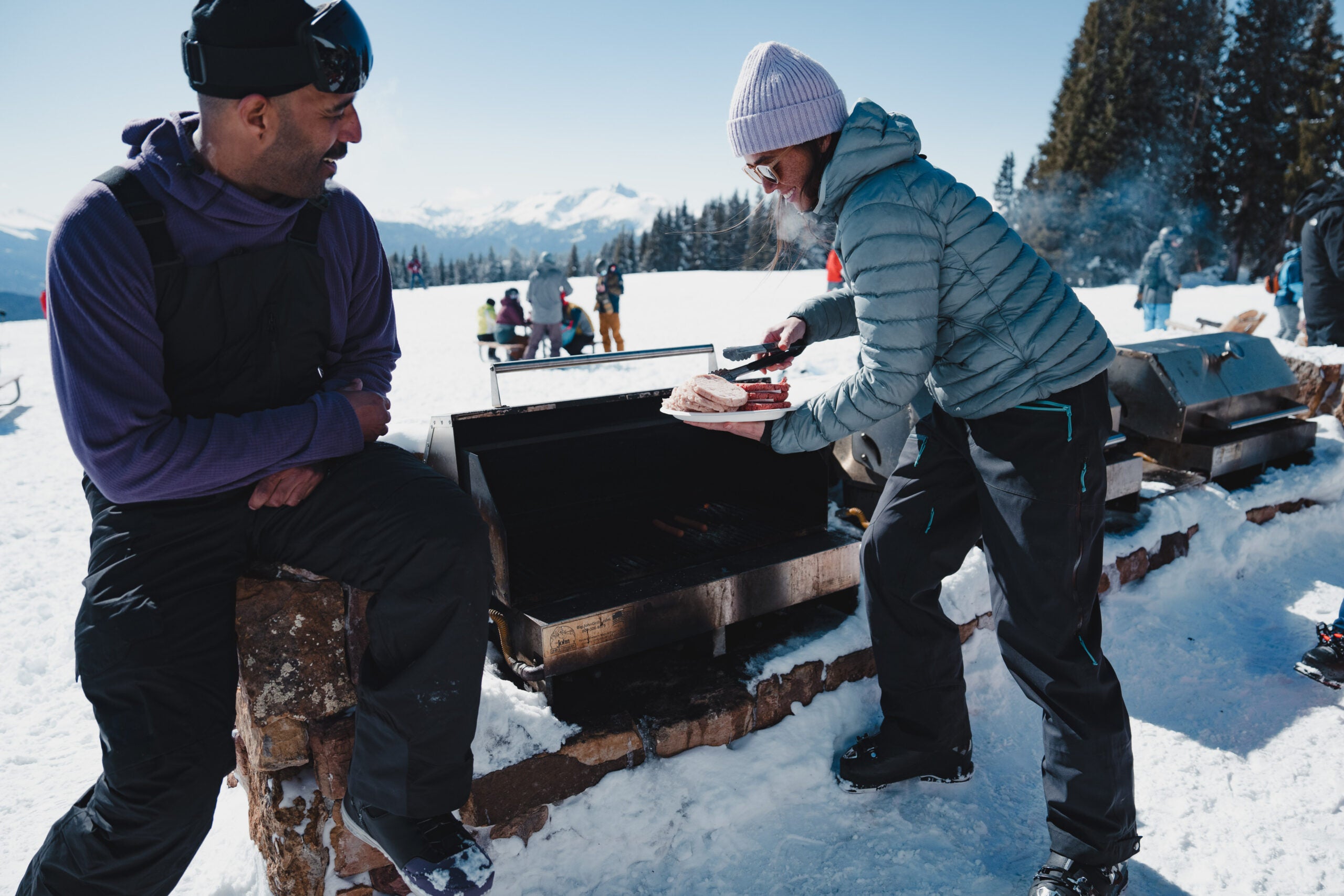
However, tucked away in the powder-filled bowls of Colorado’s world-famous Vail Ski Resort lies an open secret that is turning conventional ski resort economics on its head: public, slopeside grilling facilities. Instead of lining up at crowded cafeterias or paying a premium for sit-down dining, savvy skiers are packing raw meats, buns, and condiments into their backpacks, skinning or riding up to a designated mountain sanctuary, and cooking their own midday meals surrounded by the majestic peaks of the Rocky Mountains.
Main Facts: The Slopeside Cookout Phenomenon
At its core, the phenomenon is brilliantly simple. Rather than buying a pre-made meal, visitors to specific zones within major Colorado resorts can utilize public-access grilling stations to cook their own food.
The epicenter of this movement at Vail is Belle’s Camp, nestled high within the expansive, expert-friendly terrain of Blue Sky Basin. Here, skiers find a unique infrastructure that prioritizes community and DIY culture over corporate food-and-beverage sales. Equipped with indoor facilities and outdoor cooking areas, Belle’s Camp provides the stage, while the guests bring the menu.
The concept requires a bit of logistical forethought. Skiers must carefully select menu items that can withstand being transported in a backpack while navigating rugged mountain terrain. While hot dogs, pre-formed burger patties, and marinated chicken breasts are popular staples, some ambitious groups pack steaks or specialty sausages to elevate the experience. Condiments, utensils, and paper plates must also make the journey in a ski pack, requiring guests to pack efficiently and clean up meticulously after themselves.
While the primary catalyst for this trend is undeniably financial relief, those who participate frequently report that the culinary aspect is secondary to the atmosphere. Taking a two-hour pause from carving turns to stand around a hot grill in the crisp alpine air, sharing laughs with family and friends against a backdrop of snow-draped pines, transforms a standard ski day into an unforgettable alpine memory.
Chronology: How the DIY Mountain Lunch Evolved
To understand how public grilling survives—and thrives—within a multi-billion-dollar corporate ski resort empire, it helps to look at how mountain culture has shifted over time.
- The Early Era of Brown-Bagging: In the formative decades of recreational skiing, packing a lunch was standard operating procedure. Skiers routinely zipped peanut butter and jelly sandwiches into their jackets or left coolers in the parking lot to eat tailgating-style at the end of the day.
- The Commercialization of the Slopes: As ski resorts consolidated under major corporate umbrellas like Vail Resorts and Alterra Mountain Company, base villages and on-mountain chalets transformed into upscale culinary destinations. Cafeterias gave way to gourmet burger joints, gastropubs, and fine-dining establishments, pricing out the traditional brown-bag luncher from indoor seating areas.
- The Birth and Organic Growth of Belle’s Camp: When Blue Sky Basin was developed and opened at Vail, planners intentionally integrated community spaces that honored the pioneering, rustic spirit of Colorado skiing. Belle’s Camp was established not as a revenue-generating cafeteria, but as a gathering place.
- The Digital Age and Word-of-Mouth Boom: For years, Belle’s Camp remained a localized secret known primarily to Vail locals, ski instructors, and veteran visitors. However, with the rise of social media platforms like TikTok and Instagram, as well as digital ski culture communities, the word has spread. Today, sloped-side grilling has evolved from an underground local tradition into a celebrated bucket-list experience for visitors from across the globe.
Supporting Data: The Economics of Ski Country Dining
To fully appreciate the appeal of Belle’s Camp and similar areas, one must examine the stark financial reality of modern ski resort dining.
A standard on-mountain cafeteria lunch at a premier Colorado destination typically hovers around $20 to $25 per person for basic items like chicken tenders, fries, and a beverage. For those seeking a sit-down culinary experience, the prices escalate dramatically. At The 10th—Vail’s upscale, full-service restaurant perched at the top of Gondola One—diners can expect to pay $45 for a single Wagyu cheeseburger.
Consider the mathematics for a standard family of four:
- Traditional Cafeteria Lunch: $20–$25 per person = $80 to $100 before tax and tips.
- Full-Service Mountain Dining: $45+ per entrée plus drinks and appetizers = $180 to $250+.
- The DIY Grilling Alternative: A grocery store run yielding a pack of quality hot dogs, buns, sliced cheese, chips, and condiments = $15 to $20 total for the entire group.
By pivoting to a slopeside cookout, a family can save upwards of $150 to $200 on a single meal. Over a week-long vacation, these savings can easily offset the cost of an extra lift ticket or a high-end ski rental package.
Beyond cost, the nutritional and temporal benefits are notable. Instead of waiting in sprawling cafeteria lines, fighting for a rare indoor table, or eating a soggy sandwich on a freezing chairlift, grillers enjoy a hot, freshly cooked meal while seated comfortably at outdoor picnic tables or gathering around the hearth.
Official Responses: What Resort Leadership Says
It might seem counterintuitive for a major ski resort corporation to encourage guests to bypass its lucrative food and beverage outlets. However, resort leadership views Belle’s Camp not as a lost revenue stream, but as a vital component of guest satisfaction and mountain culture.
Kevin Delonay, Vail Mountain’s senior director of food and beverage, emphasizes that the camp fills a unique psychological and social niche that traditional restaurants simply cannot replicate.
"Belle’s Camp is meant to be a different kind of on-mountain dining experience," Delonay explains. "Guests bring their own food, gather with friends and family, and make lunch part of their day in Blue Sky Basin."
Delonay notes that the resort deliberately preserves this amenity because it fosters a sense of ownership and personal connection to the mountain. While Vail boasts dozens of venues where staff cook for the public, Belle’s Camp empowers visitors to curate their own experience.
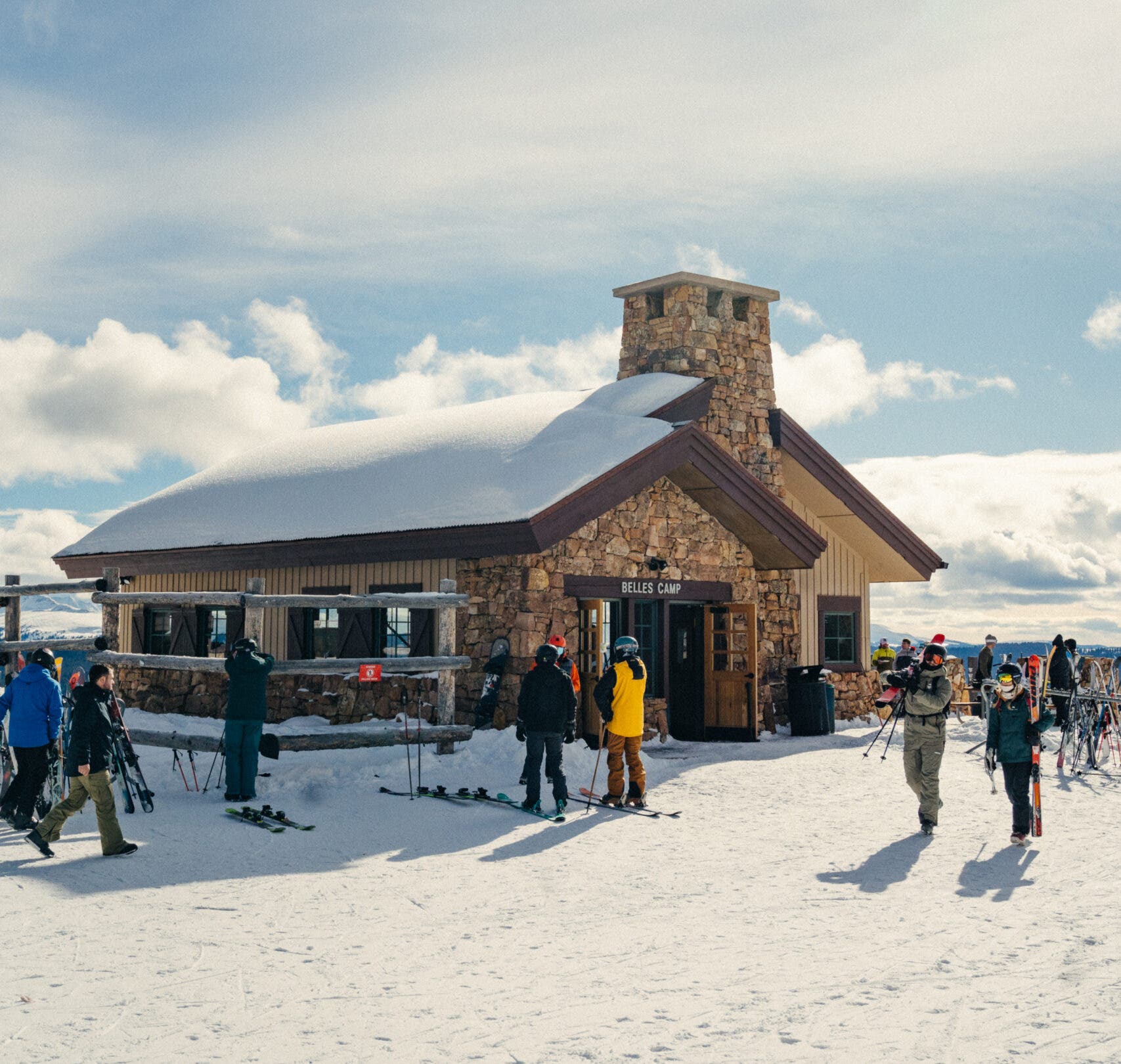
"There are plenty of places at Vail where we cook the meal for you," says Delonay. "Belle’s is special because we provide the setting and guests create the experience themselves."
Furthermore, Delonay attributes the enduring charm of the grills to their organic, grassroots expansion. Rather than launching massive marketing campaigns to promote the grills, the resort lets the community do the heavy lifting.
"Belle’s Camp has really grown through word of mouth, and I think that’s part of its charm," he notes. "People discover it, bring their friends back, and start their own traditions. We see everything from a simple lunch with friends to groups that really turn it into an occasion. That creativity is part of what makes Belle’s so much fun."
Implications: A Broader Trend Across Colorado Ski Country
Vail is not an isolated outlier in offering this unique amenity. The success of Belle’s Camp has highlighted a growing appetite among skiers for authentic, self-directed mountain experiences that break away from corporate commercialization.
Just a short drive away near the Continental Divide, Loveland Ski Area has similarly embraced the DIY ethos. Loveland features four distinct on-mountain cabins equipped with public propane grills, which are free for skiers and snowboarders to use. The resort actively encourages visitors to pack their own provisions, view the mountains not just as a commercial playground, but as a shared natural space where community traditions can take root.
What This Means for the Future of Ski Culture
- Pushback Against Overpriced Amenities: As resort consolidation continues to drive up the cost of a ski vacation, offerings like public grills serve as an essential pressure valve for middle-class families and budget-conscious enthusiasts.
- Emphasis on Experiential Travel: Modern travelers increasingly value authentic, interactive experiences over passive consumption. Cooking a burger over an open grill at 11,000 feet provides a memorable story that a cafeteria burger can never match.
- Mountain Stewardship: With increased awareness comes responsibility. Resorts that offer public grills rely heavily on the integrity of their guests to keep areas clean, manage waste properly, and respect property. The longevity of these programs depends entirely on the outdoor etiquette of the skiing community.
Tips for First-Time Slopeside Grillers
For those looking to try their hand at mountain grilling on their next Colorado ski trip, veterans recommend keeping a few golden rules in mind:
- Keep it Lightweight: Avoid glass containers and heavy cast-iron skillets. Opt for foil pans, pre-sliced ingredients, and meats vacuum-sealed for travel.
- Pack Out What You Pack In: Mountain environments are fragile. Ensure all trash, grease traps, and leftover food scraps are securely disposed of in designated receptacles or carried back down in your pack.
- Check Operating Hours: Grills are generally available during regular operating hours when Blue Sky Basin or the respective mountain zones are open, but severe weather or high winds can occasionally prompt temporary closures.
- Arrive Early or Be Patient: Peak lunchtime hours (12:00 PM to 1:30 PM) can see high demand for the grills. Timing your lunch slightly early or late can help you secure a spot without waiting.
Ultimately, the enduring popularity of places like Belle’s Camp proves a comforting truth about modern winter sports: amidst the corporate expansion of mega-resorts, the soul of skiing—defined by camaraderie, simple pleasures, and shared moments in the great outdoors—is still alive and well, sizzling over an open flame in the heart of the Rockies.

 Dwi Wanna
 Suro Senen

 Asro

 Basiran

 Ali Ikhwan
 Nana Wu