Basiran
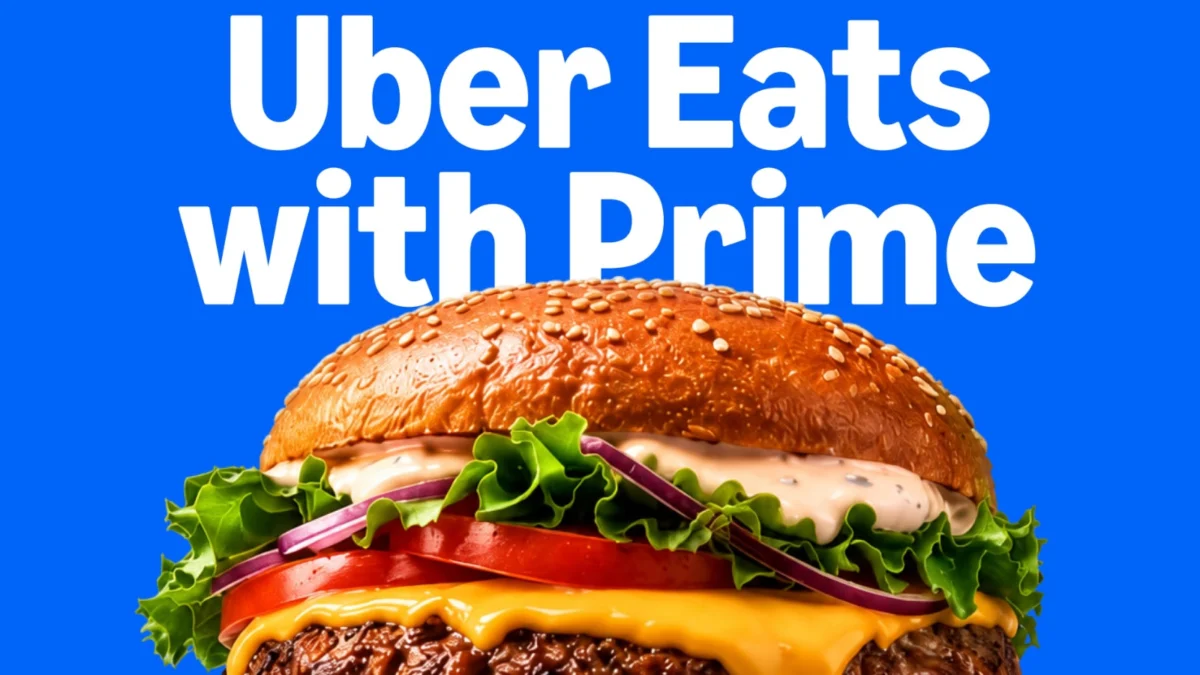
In a major shift for the logistics of digital convenience, Amazon has officially overhauled its food delivery strategy. Amazon Prime members in the United States now have access to a streamlined, integrated Uber Eats experience directly within the Amazon ecosystem. This strategic pivot marks the sunsetting of Amazon’s long-standing partnership with Grubhub and signals a deeper commitment to consolidating the "everything store" into a single, seamless user journey.
For the millions of subscribers who rely on Prime for everything from household staples to streaming media, this change promises a more cohesive experience, allowing them to order restaurant meals without ever navigating away from their primary shopping environment.
The Core Offering: A New Way to Order
The partnership introduces a fundamental change in how Prime members interact with restaurant delivery. Rather than acting as a mere referral service, Amazon has built a dedicated Uber Eats storefront directly into its website and mobile app.
Key Benefits for Prime Subscribers:
- Zero Delivery Fees: Prime members now enjoy $0 delivery fees on qualifying restaurant orders of $25 or more.
- Direct Integration: Users can browse menus, place orders, and track deliveries in real-time using existing Amazon account credentials.
- Promotional Savings: As an incentive to drive adoption, Amazon is offering $20 off each of the first two qualifying orders, totaling $40 in potential savings for new users of the platform.
- Convenience: There is no requirement to create or link a separate Uber Eats account; the entire transaction lifecycle is handled through the Amazon interface.
To activate the benefit, users must visit the Amazon Uber Eats storefront, sign into their account, and grant permission to enable the integration. Once enabled, the platform populates with local participating restaurants, allowing for both delivery and pickup options.
A Chronology of Amazon’s Delivery Evolution
To understand the significance of this move, one must look at the historical trajectory of Amazon’s attempts to capture the restaurant delivery market.
2022: The Grubhub Experiment
In 2022, Amazon initiated a partnership with Grubhub, offering Prime members a complimentary Grubhub+ membership. This was seen as a defensive move against the growing dominance of delivery platforms in the post-pandemic era. It provided members with free delivery and reduced service fees, but it still required users to interact with the Grubhub platform, maintaining a degree of friction between the two ecosystems.
2024: Solidifying the Perk
After a two-year trial, Amazon solidified the Grubhub partnership, signaling that food delivery had become a core component of the Prime value proposition. However, behind the scenes, market conditions were shifting. The competition between Uber Eats, DoorDash, and Grubhub had become increasingly cutthroat, with delivery platforms desperate for the massive, high-intent user base that Amazon commands.
Late 2024 to Present: The Pivot to Uber Eats
The transition to Uber Eats represents a move toward deeper technical integration. By embedding the storefront rather than simply offering a "membership perk," Amazon is exerting greater control over the user experience. This allows Amazon to capture more data on consumer habits, keeping users within their "walled garden" for a larger percentage of their daily digital activities.
Supporting Data: The Economics of the Deal
The financial structure of this deal is designed to minimize friction while maximizing the frequency of orders.
The $25 Threshold
Amazon has set a $25 minimum purchase requirement—calculated before taxes and service fees—to trigger the free delivery benefit. This threshold serves two purposes:

- Unit Economics: It ensures that the cost of delivery is balanced against a substantial enough order size to remain profitable for the restaurant and the delivery driver.
- Order Inflation: It nudges the average order value upward, benefiting the restaurant partners who have been struggling with thin margins on delivery platforms.
Promotional Mechanics
The current offer of $20 off the first two orders ($40 total) is a classic customer acquisition tactic. By lowering the barrier to entry for the first two interactions, Amazon is betting that the convenience of the integrated app will build habituation. The promotion is valid until November 18, 2026, giving members a significant window to acclimate to the new system.
Official Stance and Strategic Implications
While Amazon has not released a specific statement regarding the termination of the Grubhub agreement, industry analysts view the move as a consolidation of power.
"Amazon is clearly looking to optimize its Prime ecosystem," says retail analyst Marcus Thorne. "By moving from a Grubhub+ membership model to a native Uber Eats storefront, they are prioritizing UI/UX control. They don’t want their customers leaving the Amazon app. They want to be the starting point for every consumer transaction, whether it’s a pack of batteries or a Friday night dinner."
The "Walled Garden" Strategy
The primary implication for the consumer is the expansion of the Prime "walled garden." When a user tracks their food order through an Amazon push notification, they remain within the Amazon ecosystem. This increases the likelihood of "cross-shopping"—where a user might see an advertisement for a household product or a new show on Prime Video while waiting for their food.
Impact on Restaurant Partners
For restaurants, this integration is a double-edged sword. On one hand, the massive reach of Amazon Prime provides an unparalleled marketing engine. On the other hand, it places the restaurant another step removed from the consumer. Data ownership and direct marketing to customers become increasingly difficult when the transaction happens through an intermediary’s intermediary.
Challenges and Considerations
Despite the benefits, there are several hurdles that could affect the long-term viability of the partnership.
- Subscription Dependency: The benefit is strictly tied to Prime membership. Should a user cancel their Prime subscription, they immediately lose access to the free delivery, even if they have active orders. This creates a "lock-in" effect that is highly beneficial for Amazon but potentially frustrating for users who fluctuate their memberships.
- Service Fees and Taxes: While delivery fees are waived, service fees and taxes remain. Consumers often confuse "free delivery" with "zero cost," which can lead to dissatisfaction when final checkout totals are higher than expected.
- Technical Glitches: Integrating two massive, complex platforms like Amazon and Uber Eats is a monumental technical task. Users have historically reported issues with account syncing and tracking updates when third-party services are integrated into the Amazon app.
The Road Ahead: What’s Next?
The expiration date of the $40 promotional offer in November 2026 suggests that Amazon is viewing this as a long-term commitment. Unlike the Grubhub partnership, which felt like a peripheral perk, the Uber Eats integration feels like a permanent fixture.
Looking forward, we can expect to see:
- Increased Personalization: Using Amazon’s massive data sets, the Uber Eats storefront will likely begin to offer hyper-personalized restaurant recommendations based on a user’s purchase history.
- Voice Ordering: With the ubiquity of Alexa-enabled devices, it is highly probable that the next phase of this partnership will include robust voice-ordering capabilities, allowing users to reorder favorite meals by simply speaking to an Echo device.
- Competitive Responses: With Amazon and Uber Eats aligning their interests, competitors like DoorDash will be forced to double down on their own loyalty programs and partnerships to prevent further market share erosion.
Conclusion
The migration of Amazon Prime’s restaurant delivery benefit to Uber Eats is more than just a change in service providers; it is a declaration of intent. Amazon is signaling that it intends to be the central nervous system of modern consumer life. For the Prime member, this means unprecedented convenience at the cost of further dependency on a single corporate ecosystem. As of now, the deal provides clear, tangible value—provided you are willing to navigate your dinner choices through the world’s largest retailer.
For now, the promotion remains active, and the integration is live. As the retail and food delivery sectors continue to converge, consumers should expect further innovations that blur the line between shopping for goods and shopping for services. The convenience of today is setting the stage for the automated, integrated lifestyle of tomorrow.


 Ammar Sabilarrohman

 Layla Zulfa
 Ali Ikhwan
 Nana Wu

 Jia Lissa
 rifanmuazin