
 Siti Muinah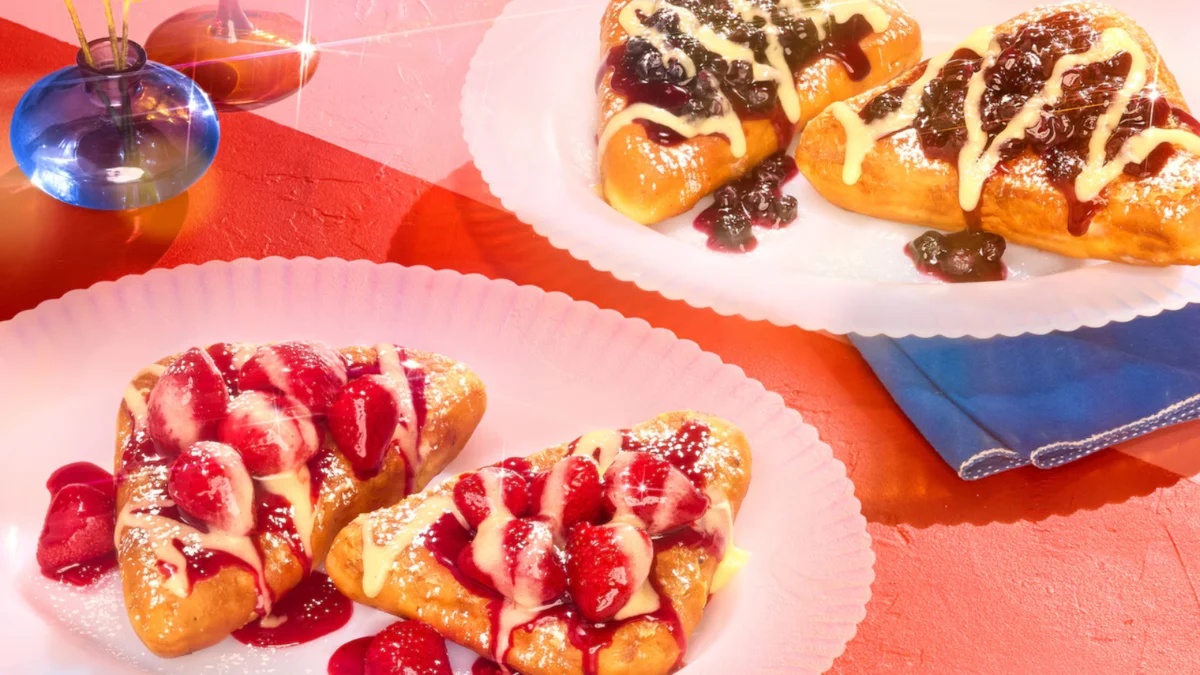
For breakfast enthusiasts and loyal patrons of the International House of Pancakes (IHOP), the six-year drought has finally ended. Following a relentless campaign of social media requests and direct customer feedback, the beloved Stuffed French Toast has officially returned to the menu at participating locations nationwide as of September 14.
The reintroduction of this fan-favorite item marks a significant shift in IHOP’s menu strategy, moving from the simplified offerings necessitated by the 2020 pandemic era toward a more indulgent, experience-driven breakfast model. This isn’t just a simple reinstatement of a legacy item; it is a re-engineered culinary event designed to satisfy a public that has been vocal about its cravings for over half a decade.
A Chronology of a Cult Classic
To understand the significance of this return, one must look at the history of the dish. First introduced to the national stage in 2003, the Stuffed French Toast was initially launched as a limited-time promotional offering. However, its popularity was so immediate and enduring that it quickly transitioned into a permanent fixture on the IHOP menu. For nearly two decades, it served as a flagship item for those seeking something more decadent than standard buttermilk pancakes.
The turning point came in 2020. As the restaurant industry faced unprecedented disruption, chains across the country were forced to streamline their operations to account for supply chain bottlenecks and labor shortages. During this period, IHOP pruned its menu, leading to the unfortunate removal of the Stuffed French Toast. While the chain pivoted to alternatives like the "Thick ’N Fluffy" French Toast, fans remained unconvinced.
For six years, the absence of the dish became a recurring theme in the digital discourse surrounding the brand. Whether on X (formerly Twitter), Facebook, or TikTok, the sentiment remained consistent: the people wanted their filling back. According to IHOP’s leadership, the clamor was impossible to ignore.
The Engineering of the "Perfect" Bite
When IHOP President Lawrence Kim decided to revisit the item, the goal was not merely to replicate the past but to improve upon it. During the development process, the R&D team at IHOP identified a central paradox: customers wanted more filling, but the structural integrity of the French toast was at risk of failure if overstuffed.
"The essence of Stuffed French Toast is the same, but it’s bigger and better," Kim stated in an interview with Nation’s Restaurant News. The team developed a proprietary injection process—a sophisticated culinary technique that allows the kitchen to distribute the sweet cream filling evenly throughout every inch of the bread without causing the delicate structure to "explode" under the heat of the griddle.
This focus on the "cream-to-toast ratio" is a testament to the brand’s commitment to consumer data. By listening to the specific feedback that customers wanted "more cream filling," the culinary team managed to modernize the production process to facilitate a more luxurious experience. The result is a richer, more substantial dish that justifies its own dedicated menu category, signaling that this is not just a side item, but a centerpiece of the breakfast experience.
Menu Variations and Culinary Experience
The returning lineup features two distinct flavor profiles, both grounded in the classic vanilla-cinnamon batter that defines the IHOP French toast experience.
- Strawberry Vanilla: This iteration features the signature sweet cream-filled toast topped with a generous portion of glazed strawberries and a drizzle of vanilla sauce. It appeals to those looking for a classic, fruity brightness to cut through the richness of the cream.
- Blueberry Vanilla: Mirroring the structure of its strawberry counterpart, this version swaps the red fruit for a classic blueberry topping, offering a more tart and earthy flavor profile that complements the vanilla notes of the cream.
Each order consists of two triangles, a nostalgic nod to the original 2003 presentation. The versatility of the item is a key component of its return; customers can order it as a standalone entrée, as a component of a larger "Combo" breakfast, or as a decadent add-on to other meals. This flexibility ensures that the item can fit into the various dining habits of IHOP’s diverse customer base, from the solo diner to the family seeking a treat.
The Strategy Behind the Reinstatement
The decision to bring back a discontinued item is a calculated move that speaks to the broader state of the restaurant industry in 2024. In an era where consumers are increasingly budget-conscious, major chains are competing for "share of stomach" by offering nostalgic comfort foods.

By officially labeling the Stuffed French Toast as the chain’s "most-requested discontinued item," IHOP is tapping into the psychology of scarcity. By validating the customer’s voice, the brand strengthens its community ties. As Lawrence Kim noted, his personal habit of asking cooks and guests what they missed most always led to the same answer. This "listening tour" approach is part of a larger, aggressive growth strategy.
This comeback is not an isolated event; it follows a series of aggressive promotions from IHOP, including the return of their "All You Can Eat" pancakes and the highly anticipated annual free pancake giveaway for National Pancake Day. These moves are designed to drive foot traffic and keep the brand at the top of the consumer’s mind in a saturated casual dining market.
The Industry Context: A War for Nostalgia
IHOP’s approach to menu management is notably different from that of its competitors. While other chains are experimenting with gamification—such as Taco Bell’s recent announcement that fans must win a golf tournament to influence the return of a discontinued item—IHOP has opted for a more direct, data-driven approach.
The industry is currently witnessing a trend where major fast-casual and casual dining chains are "raiding their own archives" to boost sales. The return of the Stuffed French Toast is a prime example of "re-release marketing," where the brand relies on the built-in customer loyalty of an older product rather than the uncertainty of launching a brand-new menu innovation.
However, this strategy carries its own risks. The expectations for a "returning" item are significantly higher than for a new one. Customers have a memory of how the product "should" taste, and any deviation can result in backlash. By investing in the new injection technology and increasing the amount of filling, IHOP is attempting to mitigate this risk by positioning the product as an upgrade rather than a copy.
Implications for Future Menu Development
What does the success of the Stuffed French Toast launch mean for the future of IHOP? If the early reception is any indication, the chain is likely to continue relying on its historical menu data to drive future promotions.
The creation of a "dedicated menu category" for this item suggests that IHOP views this not as a limited-time gimmick, but as a long-term anchor for their breakfast offerings. By elevating the product through better technology and higher-quality ingredients, the brand is positioning itself to compete with higher-end breakfast boutiques that have recently gained market share.
Furthermore, the public discourse surrounding this launch highlights the power of social media in shaping corporate strategy. When consumers realize that their requests—whether through comments on TikTok or in-person feedback—have tangible consequences, engagement levels increase. This creates a virtuous cycle of communication between the brand and the consumer, which is invaluable in an age of declining brand loyalty.
Conclusion: A Breakfast Win
The return of the Stuffed French Toast is more than just a win for the hungry patrons who have been waiting since 2020; it is a masterclass in modern menu management. By combining the nostalgia of a 20-year-old classic with the technical improvements demanded by modern palates, IHOP has successfully bridged the gap between its heritage and its future.
As the industry continues to evolve, the ability to balance operational efficiency with customer desire will be the defining trait of successful restaurant chains. For now, IHOP has found that balance, proving that sometimes the best way to move forward is to look back—and add a little extra cream filling along the way. Whether you are a long-time fan who remembers the 2003 launch or a new customer curious about the hype, the return of the Stuffed French Toast serves as a reminder that in the world of comfort food, the voice of the customer remains the ultimate ingredient for success.


 Jia Lissa
 Muslim
 Dwi Wanna
 Nana Wu
 Lina Hope
 Reynand Wu
 Basiran