
 rifanmuazin
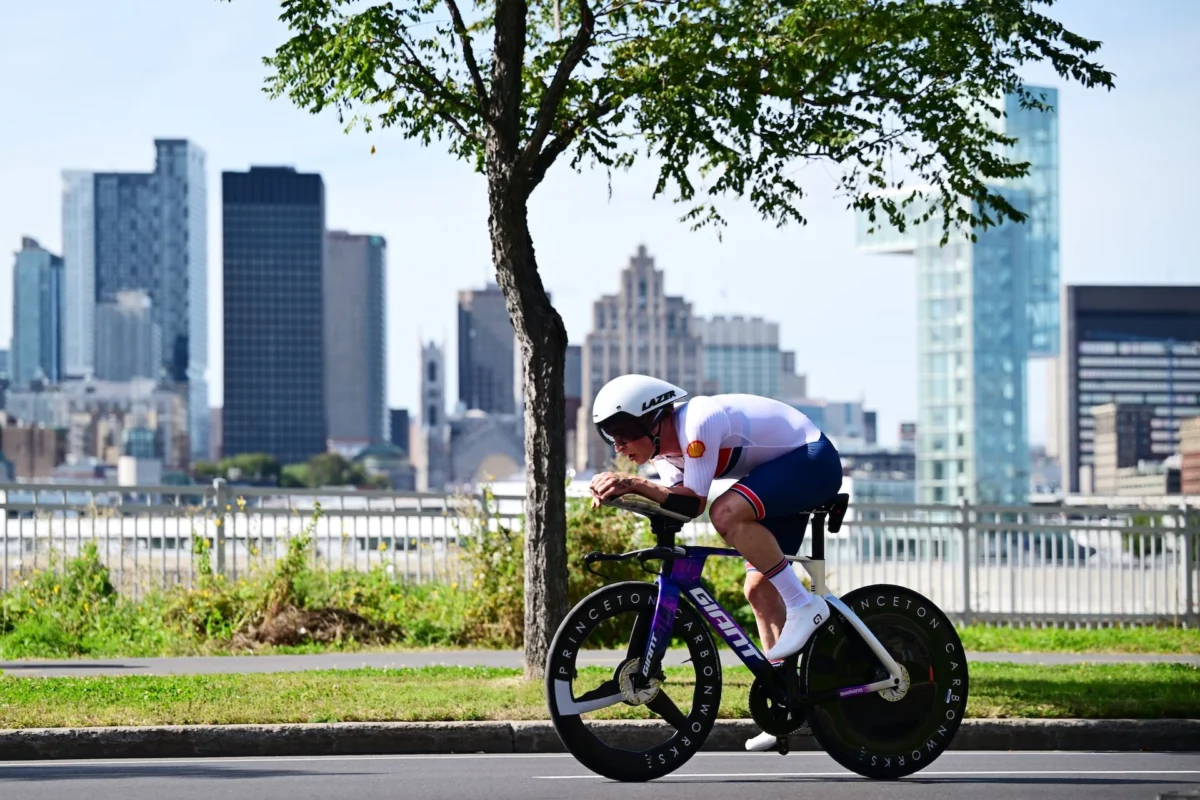
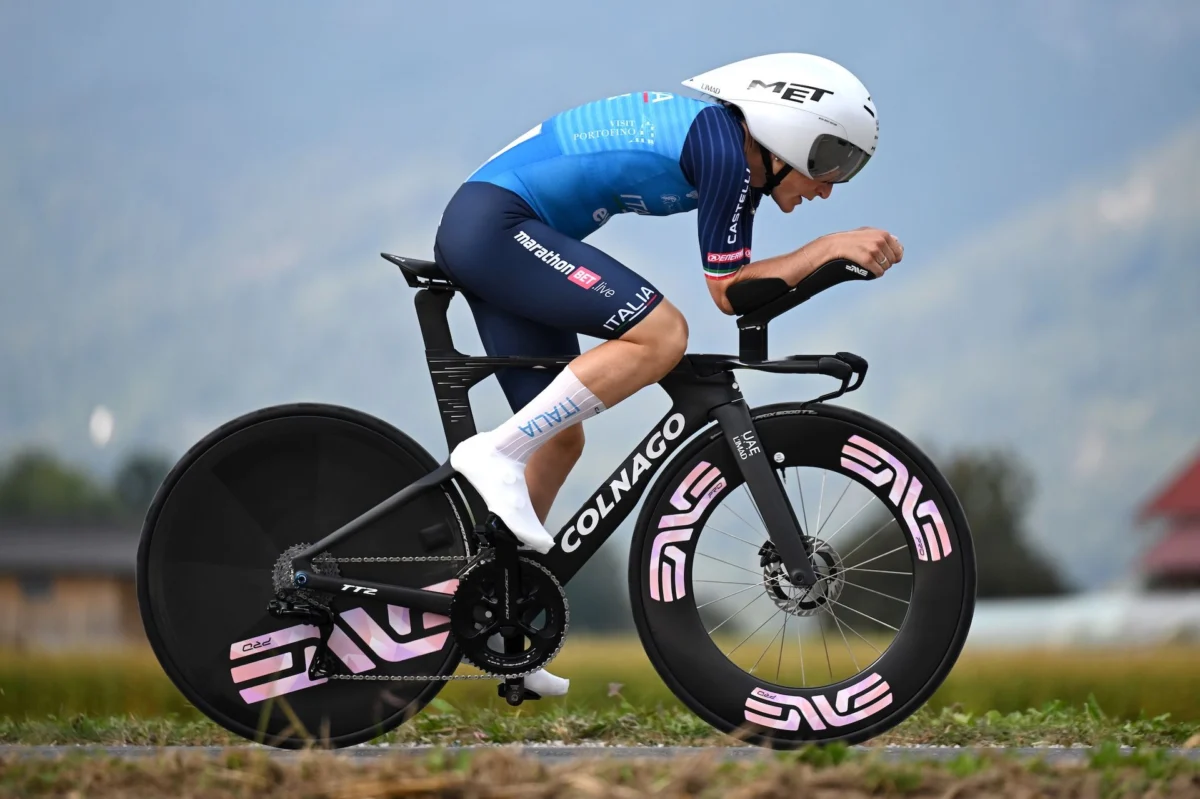
MONTREAL — For the better part of a year, Great Britain’s Ben Wiggins had a single, fixed coordinate circled on his calendar: Montreal. As the reigning British under-23 time trial national champion, the young powerhouse had spent months visualizing the course, refining his aerodynamic position, and tailoring his grueling training blocks specifically for the U23 men’s time trial at the UCI Road World Championships.
Yet, when the dust settled on a crisp Monday afternoon in Canada, the outcome bore no resemblance to the script Wiggins had written for himself. He did not step onto the top step of the podium. He did not secure a silver or bronze keepsake. He even missed the coveted top-ten threshold by a painfully slim margin, finishing eleventh.
Standing in the mixed zone after the race, visibly drained and searching for words to match his frustration, the British talent could only shake his head. When pressed by reporters on what exactly went wrong out on the demanding Canadian circuit, Wiggins offered a candid and bewildered response, repeating several times: "To be honest, I have no idea."
Main Facts: A Disappointing Outing on a Coveted Stage
The marquee event had been billed as one of the definitive tests of the U23 calendar, bringing together the world’s most promising young cycling prodigies. For Wiggins, the stakes were exceptionally high. Carrying the weight of a formidable cycling lineage and his status as the current British U23 TT champion, expectations were justifiably high within the Great Britain camp.
- The Target: Montreal was highlighted by Wiggins and his coaches 12 months prior as the primary objective of his season.
- The Result: An 11th-place finish, which narrowly kept him out of the top ten.
- The Reaction: Complete bewilderment from the rider himself, who admitted that his physical sensations did not align with the subpar performance on the clock.
Despite meticulously preparing every variable—from equipment choices to pacing strategies—Wiggins found himself unable to extract the power and speed required to contend with the world’s best. The race served as a stark reminder of how unpredictable elite sports can be, where months of targeted preparation can unravel over the course of a single afternoon due to factors that defy immediate explanation.
Chronology of a Miscarried Mission
Months of Anticipation
The journey to Montreal began long before the starting ramp was ever constructed. Ever since the UCI awarded the championships to the historic Canadian city, Wiggins earmarked the race as the cornerstone of his developmental trajectory. As he transitioned through the early-season races and claimed his national title, every interval session, wind-tunnel test, and altitude camp was filtered through the lens of peaking on this exact Monday.
Race Day Execution
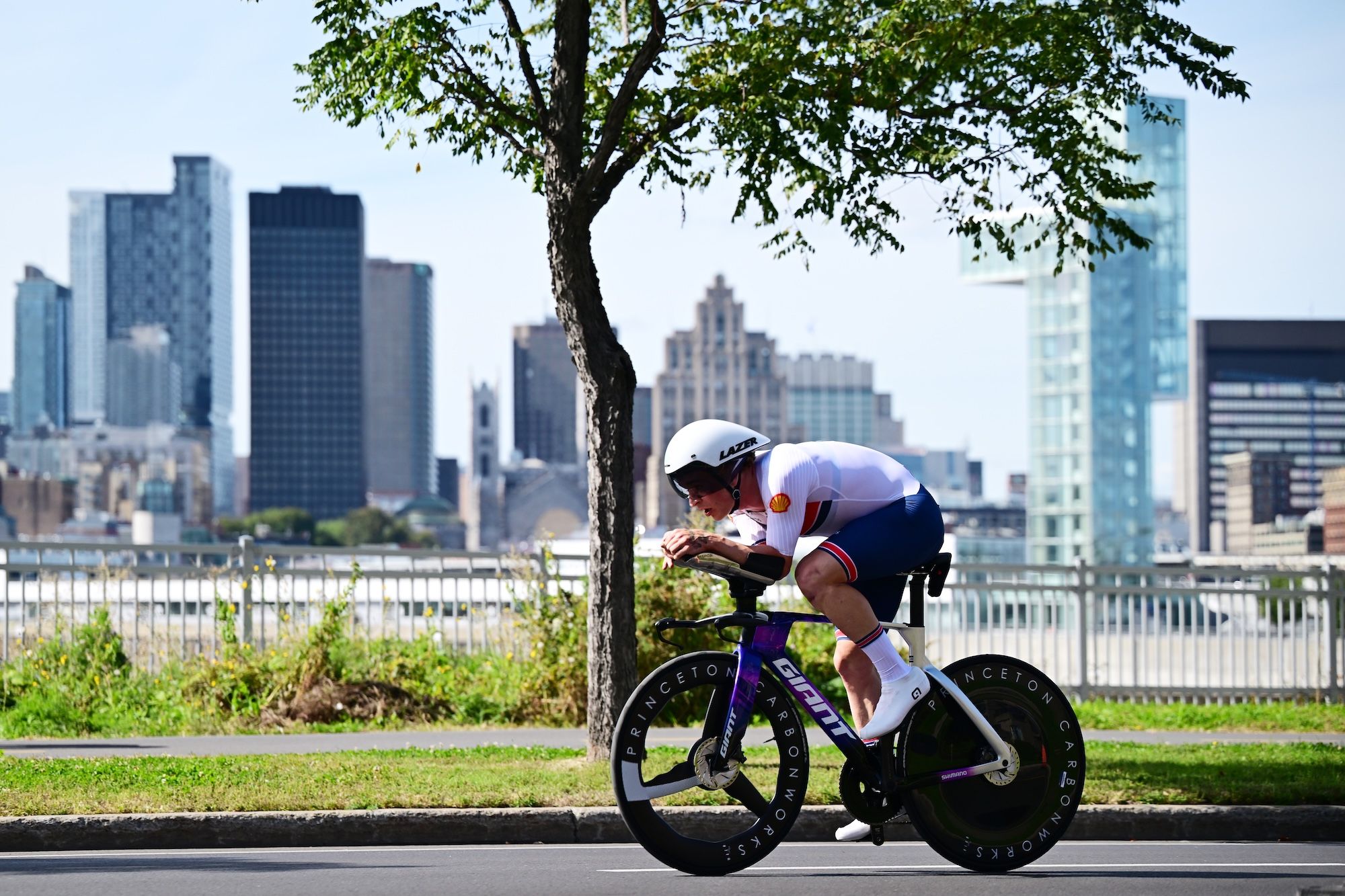
As the afternoon session got underway, conditions on the Montreal circuit were technical and demanding. The course featured a blend of rolling terrain, sharp corners, and crosswind sections that required absolute precision.
- The Start: Wiggins rolled off the ramp with high focus, executing his warm-up routine precisely as planned.
- The Mid-Race Checks: Early splits showed him struggling to find the fluid cadence that usually defines his performances against the clock. While he fought valiantly through the technical sectors, the time gaps began to stretch unfavourably.
- The Finish: Crossing the line, the unofficial timing boards confirmed the bad news. He was out of medal contention, and as subsequent riders finished, he was pushed down to 11th place—one agonizing spot outside the top tier.
Supporting Data and Context
Wiggins’ performance in Montreal highlights the brutal nature of modern time-trialling, where margins for error are measured in fractions of a second per kilometre. In the elite U23 ranks, the gap between winning and finishing outside the top ten often comes down to minute physiological variances or microscopic aerodynamic inefficiencies.
- The British Pedigree: Ben Wiggins carries a famous surname in cycling, but he has steadily forged his own reputation through grit, tactical intelligence, and raw horsepower. His British U23 title was earned through a dominant display of pacing and sustained power output.
- The Course Profile: The Montreal circuit is notoriously relentless. Unlike flat, out-and-back time trials where pacing is mathematically straightforward, the rolling topography of Montreal demands constant micro-accelerations out of corners and sustained climbing power, punishing any rider who experiences even a minor dip in form.
The depth of the U23 field means that an off-day—even by a mere two or three percent—is severely punished. Without a mechanical failure or an obvious crash to blame, Wiggins’ inability to pinpoint a specific physical or tactical breakdown adds a layer of psychological frustration to an already disappointing result.
Official Responses and Team Atmosphere
The atmosphere within the Great Britain setup post-race was one of quiet disbelief. Support staff and coaches conducted immediate debriefs, analyzing power files, heart rate data, and aerodynamic drag numbers to see if the data could explain what the rider’s legs could not.
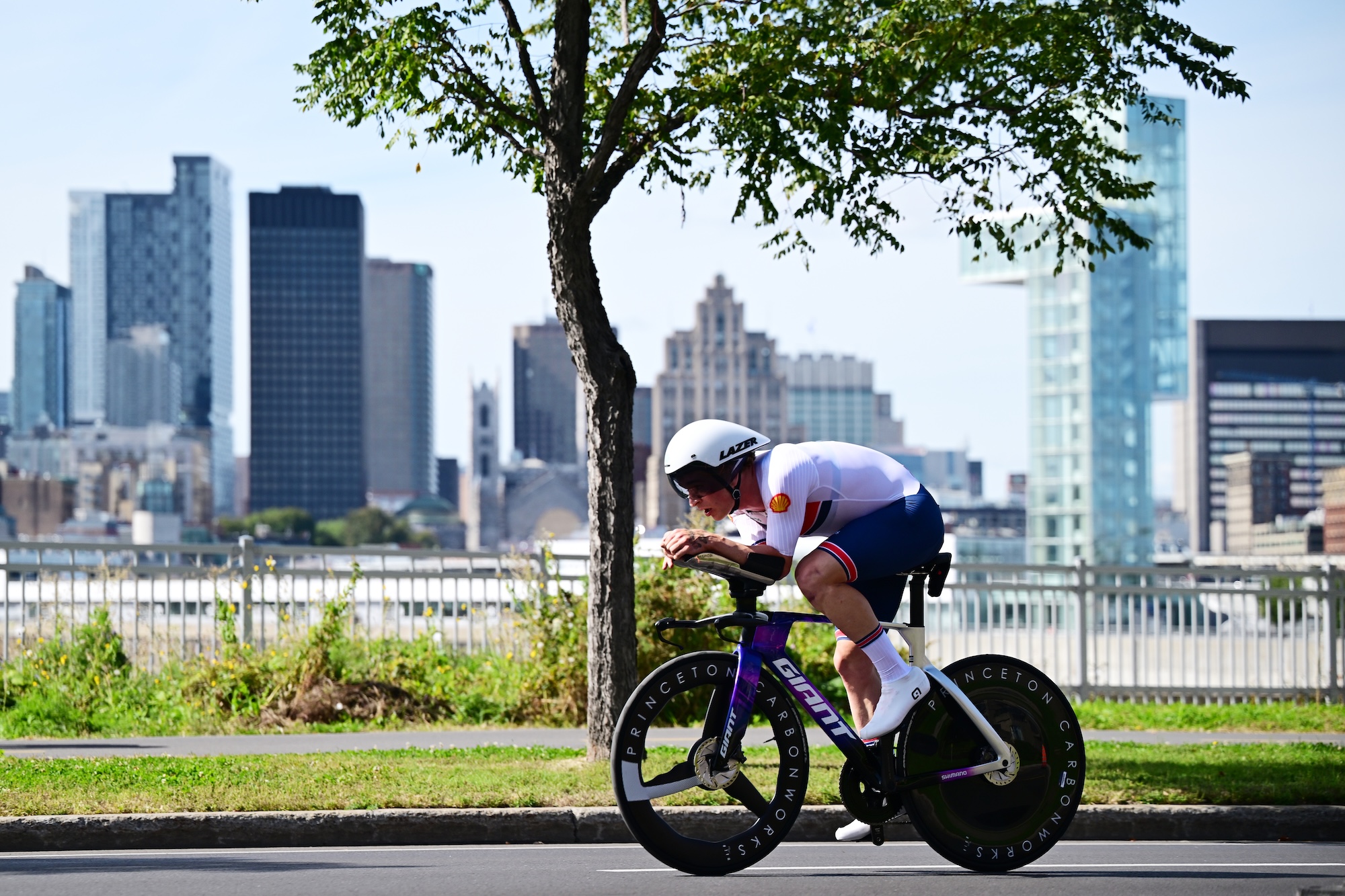
- The Rider’s Perspective: "To be honest, I have no idea," Wiggins reiterated when asked if he felt flat from the gun or if fatigue caught up to him mid-course. His honesty underscored the psychological toll of putting everything into a single target, only to miss the mark entirely.
- The Coaching Stance: Behind the scenes, performance directors emphasized the long-term developmental nature of the U23 category. While the immediate sting of defeat is sharp, the overarching goal for riders of Wiggins’ caliber remains progression toward the WorldTour level. Staff noted that analyzing the power files in the coming days would likely reveal subtle physiological red flags—whether related to tapering, heat adaptation, or hidden fatigue—that were not immediately obvious on the road.
Implications for the Future
While missing the top ten at the World Championships is a bitter pill to swallow for a rider of Wiggins’ ambition, the long-term implications of the race extend far beyond a single afternoon in Quebec.
1. Psychological Resilience
How a young athlete responds to a baffling setback often defines the trajectory of their career. Rather than letting the Montreal time trial derail his confidence, Wiggins faces a critical learning curve in processing unexplainable bad days. Elite cycling is littered with champions who endured crushing disappointments before mastering the art of the championship peak.
2. Analytical Deep-Dive
The data collected from Wiggins’ power meter and physiological monitors during the race will undergo intense scrutiny. Sports scientists within the British Cycling federation will comb through the files to look for anomalies in pacing distribution, cadence drop-offs, or metabolic output. Understanding why his body didn’t respond on race day will be crucial for preventing similar occurrences in future international championships.
3. Career Trajectory
At the U23 level, results at World Championships serve as vital auditions for major professional squads. Despite the setback in Montreal, Wiggins’ broader palmarès—highlighted by his national title and stellar development results—ensures he remains one of the most promising young prospects in the international peloton.
As the calendar turns toward the remainder of the season and preparations begin for future campaigns, Ben Wiggins leaves Montreal with more questions than answers. Yet, in the unforgiving world of professional cycling, the search for those answers will undoubtedly fuel his hunger for redemption on the global stage.

 Nana Muazin
 Jia Lissa

 Suro Senen

 Asro

 Iffa Jayyana
 Dwi Wanna