
 Muslim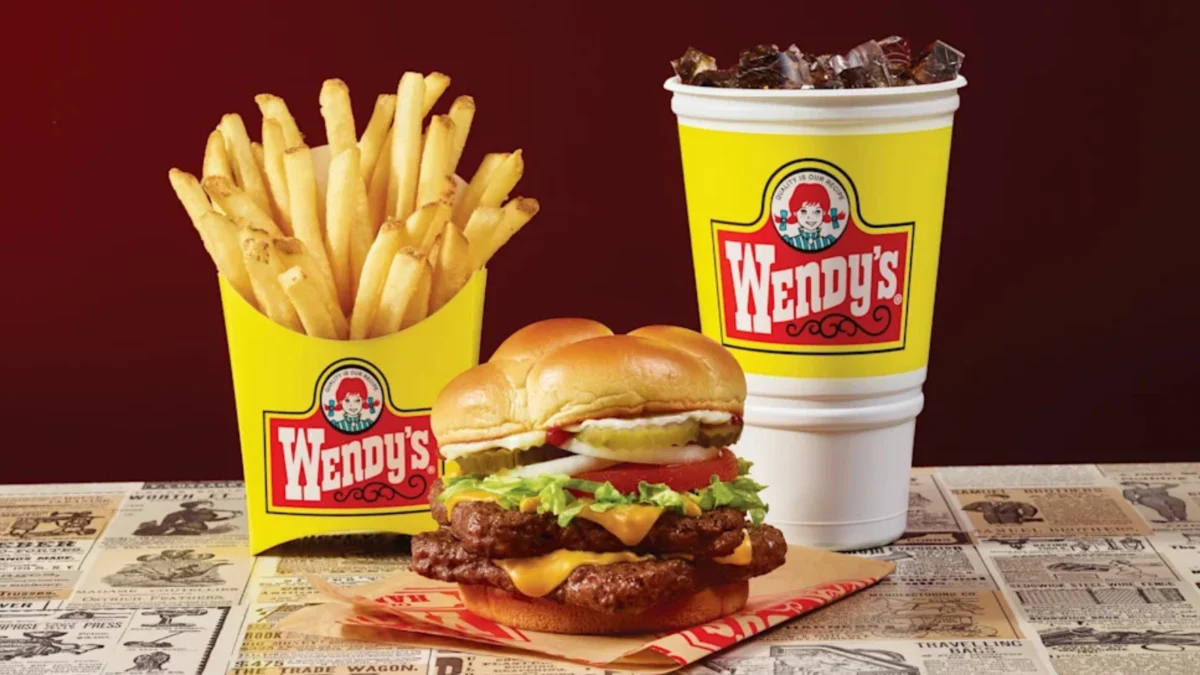
In a move that promises to transport millions of diners back to the formative years of the American fast-food landscape, Wendy’s has officially announced the return of its iconic, vibrant yellow packaging. After years of sustained pressure from a vocal and nostalgic fanbase, the burger giant is retiring the modern, minimalist red-and-white aesthetic in favor of the sunny, classic design that defined the brand for decades. Starting September 28, 2026, customers nationwide will begin to see their burgers, nuggets, fries, and Frostys served in the same yellow-hued boxes and cups that once signaled a trip to the restaurant in the late 20th century.
This decision marks a significant pivot in brand strategy, moving away from contemporary sleekness to embrace the deep-seated emotional equity associated with the company’s heritage. As the fast-food industry navigates a crowded marketplace, Wendy’s is betting that the power of nostalgia is the most effective tool to foster deeper customer loyalty.
The Chronology of an Icon: From Columbus to the Modern Day
The history of the Wendy’s brand is inextricably linked to the visual identity it established upon its inception. When Dave Thomas opened the first Wendy’s restaurant in Columbus, Ohio, in 1969, the brand was anchored by a distinct color palette. The bright, energetic yellow packaging served as a beacon for hungry diners, becoming a permanent fixture of the brand’s visual vocabulary for the better part of the 20th century.
For decades, the yellow cups and wrappers were more than just containers; they were identifiers of a specific era of dining. However, as the retail and food service landscape shifted toward the early 2000s, Wendy’s, like many of its competitors, opted to "refresh" its image. The brand transitioned toward a more modern, red-and-white color scheme, intended to reflect contemporary design trends and signal a streamlined approach to fast service.
While the red-and-white branding became the standard, a segment of the customer base never fully moved on. The yellow packaging remained a symbol of childhood nostalgia—a tangible link to school-day lunches, after-practice treats, and family weekend outings. Over the last several years, the volume of requests via social media and customer feedback channels for the return of the yellow branding reached a fever pitch, eventually forcing the corporate team to take notice. The rollout beginning in late September 2026 will continue through 2027, ensuring a comprehensive brand transition across thousands of locations.
Data and Sentiment: Why Nostalgia Sells
The decision to revert to legacy branding is not merely a sentimental whim; it is a calculated response to data-driven insights regarding consumer behavior. Market analysts have observed a clear trend across the food and beverage industry: consumers are increasingly seeking "comfort" brands. In an era of rapid technological advancement and economic uncertainty, the familiarity of a brand’s history provides a psychological safety net.
Tariq Hassan, Wendy’s Chief Marketing and Customer Growth Officer, emphasized that the demand was unprecedented. "Fans asked. Constantly," Hassan stated in an interview with USA Today. "It’s one of the most requested things we’ve ever had come back."
The data supports the efficacy of this strategy. Surveys conducted by market research firms have consistently shown that Gen X and Millennial consumers, who grew up during the peak of the yellow-packaging era, have a higher "brand affinity" when exposed to retro-aesthetic triggers. By tapping into this, Wendy’s is effectively lowering the barrier to purchase; the packaging acts as a cue that reminds the consumer of the joy they experienced during previous, simpler interactions with the brand.
Official Perspectives: The Power of Emotional Connection
Corporate branding often focuses on efficiency, logistics, and visual cleanliness. However, Wendy’s leadership is acknowledging that there is a "soft" asset that cannot be measured by traditional KPIs: the emotional connection to the customer.
"Like any brand, Wendy’s has refreshed its look and feel over time, and our packaging evolved along with it," Hassan explained. "But that kind of emotional connection is powerful, and you can’t design it into packaging. It’s created in those special moments and something all brands hope to earn: a meaningful place in people’s lives."
This philosophy suggests a shift in how Wendy’s views its role in the community. By validating the customers’ memories of family celebrations over a Frosty or the casual, carefree nature of a late-night meal with friends, the company is positioning itself as a companion in the customer’s life story rather than just a provider of sustenance. This branding strategy—often referred to as "Heritage Marketing"—leverages the "warm glow" effect of nostalgia to make the brand feel more human and accessible.

The Industry Context: A Broader Movement
Wendy’s is not acting in a vacuum. The industry has seen a broader, coordinated movement toward the "retro-revival." This trend recognizes that the "modernization" efforts of the 2010s often resulted in a sterile, homogenized dining experience that alienated customers who valued the character of their local establishments.
One of the most notable examples of this trend is the active restoration of vintage Pizza Hut locations. Franchisees have been working to bring back the "Classic 80s" aesthetic, complete with the iconic red-roof architecture, red plastic cups, checkered tablecloths, and, in some cases, original arcade machines. These locations have reported increased foot traffic, proving that consumers are willing to go out of their way to experience a "time capsule" dining environment.
Similarly, Wendy’s has been experimenting with legacy-themed initiatives, such as the recent, quiet revival of the infamous nine-patty "T-Rex Burger" as a limited-time eating challenge. These moves, combined with the new packaging, signal that the company is no longer afraid to lean into its "cult" status and its history, even if that history is slightly unconventional.
Implications: What This Means for the Future of Fast Food
The return of the yellow packaging carries several long-term implications for the fast-food sector:
1. The Death of Sterile Branding
The era of hyper-minimalism, which dominated the early 2010s, may be nearing its end. As consumers reject corporate sameness, we are likely to see more brands mining their archives for visual elements that convey authenticity and warmth.
2. Operational Challenges and Supply Chain Logistics
Implementing a rebrand, even a temporary or retro one, is a massive logistical undertaking. From updating packaging suppliers to ensuring consistent application across thousands of franchise-owned locations, the move requires significant coordination. Wendy’s phased rollout, which extends into 2027, indicates a strategic approach to managing supply chain costs and inventory turnover.
3. Customer Engagement as a Development Tool
This move proves that direct, aggressive customer feedback can change corporate policy. By listening to the "constant" requests of its fans, Wendy’s has successfully turned its marketing strategy into a community-led initiative, which in turn builds deeper brand loyalty. Customers who feel heard are far more likely to become brand evangelists.
4. Competitive Differentiation
In a market saturated with burger chains offering near-identical menus, brand personality becomes the primary differentiator. Wendy’s is effectively using its history as a competitive moat. While other chains struggle to define their identity in a crowded digital space, Wendy’s is doubling down on what makes it unique—its specific, tangible past.
Conclusion: A Sunny Future for a Retro Look
The return of Wendy’s yellow packaging is more than a change in ink on a cardboard box. It is a strategic acknowledgment that the brand’s history is its greatest asset. In a world that is moving faster than ever, the promise of a "classic" experience—a yellow cup, a hot burger, and a familiar, nostalgic atmosphere—is an incredibly valuable commodity.
As the roll-out begins this September, Wendy’s is inviting its customers to take a step back in time. For the consumer, it is a chance to reconnect with the simple joys of a childhood meal. For the company, it is a masterclass in modern marketing, proving that sometimes, to move forward, you have to look back. Whether this leads to a permanent shift in branding or remains a long-term campaign, the message is clear: Wendy’s is embracing its roots, and its customers are more than ready to join the journey back to the yellow-packaged days of the past.

 Jia Lissa
 Siti Muinah
 Dwi Wanna
 Nana Wu
 Lina Hope
 Reynand Wu
 Basiran