
 Nana
Nana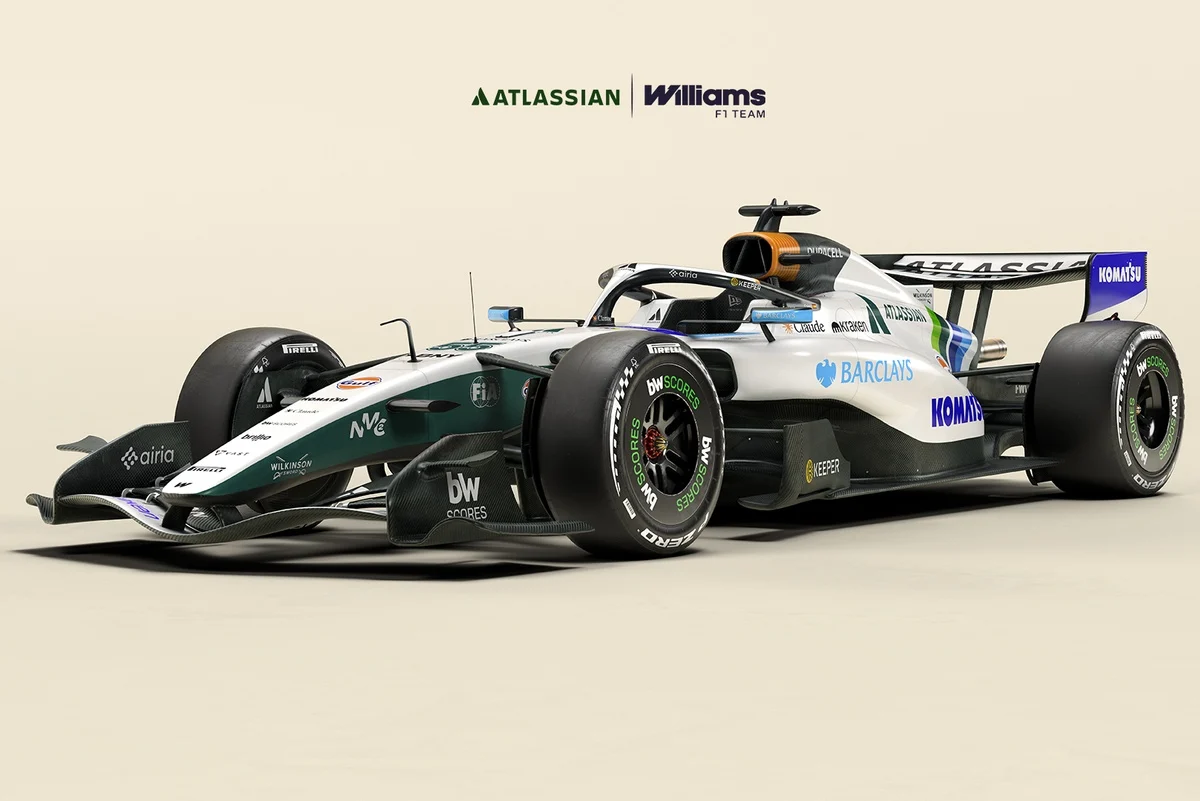
MADRID — Formula 1 is a sport perpetually obsessed with the future, constantly chasing marginal gains through computational fluid dynamics, wind tunnel iterations, and cutting-edge materials. Yet, every so often, the paddock takes a collective glance in the rearview mirror to honor its rich tapestry. Williams Racing has chosen precisely this path ahead of the upcoming Spanish Grand Prix, lifting the veil on a stunning, one-off heritage livery for its FW48 challenger that pays direct homage to the iconic championship-winning machine of 1981.
Revealed to an adoring crowd of thousands during a vibrant fan event at Madrid’s central Plaza de Callao on Tuesday evening, the Grove-based squad’s striking white, green, and navy blue color scheme instantly transports fans back more than four decades. Beyond its undeniable aesthetic appeal, the livery serves a dual purpose: celebrating a golden era of Williams dominance while formally building anticipation for Formula 1’s grand return to the Spanish capital—a city that has not hosted a Grand Prix since Alan Jones and Carlos Reutemann took to the nearby Circuito de Jarama in 1981.
With the sport preparing to inaugurate the state-of-the-art Madring circuit for the 2026 season, Williams has engineered a masterclass in motorsport storytelling, bridging the gap between its illustrious past and its aggressive modern-day restructuring efforts.
Main Facts: The FW48 Heritage Transformation
The centerpiece of Williams’ Spanish Grand Prix weekend is undoubtedly the FW48 car, which will ditch its standard contemporary livery in favor of the unmistakable aesthetic of the FW07C.
For the duration of the race weekend culminating on Sunday, September 13, the FW48 will sport a crisp white base accented by deep navy blue and vibrant green pinstriping and block lettering. This exact color palette defined the FW07C during the 1981 Formula 1 World Championship—a season where Williams secured the constructors’ title through the combined brilliance and consistency of drivers Alan Jones and Carlos Reutemann.
The special visual overhaul is not confined solely to the car’s carbon-composite bodywork. In a comprehensive nod to authenticity, both Williams race drivers—home hero Carlos Sainz and his teammate Alex Albon—will wear bespoke, retro-styled race suits matching the 1981-inspired theme throughout the weekend. Furthermore, the team garage, pit equipment, and digital branding assets will adopt the vintage aesthetic, creating an immersive historical ecosystem within the modern paddock.
The project has been brought to life in close collaboration with the team’s title sponsor, Atlassian, whose branding has been seamlessly integrated into the historical color scheme without disrupting the vintage visual harmony.
Chronology: Bridging Decades of Motorsport History
To fully understand the significance of Williams’ tribute at this juncture, one must look at the timeline connecting 1981 to the present day and beyond.
June 21, 1981: The Last Madrid Grand Prix
The historical anchor of this weekend’s livery traces back to the 1981 Spanish Grand Prix, held at the Circuito de Jarama, located just north of Madrid. Driving the revolutionary ground-effect Williams FW07C, legendary Australian driver Alan Jones and Argentine ace Carlos Reutemann faced fierce competition on the narrow, undulating 3.4-kilometer track. Though Gilles Villeneuve famously drove a tactical masterclass to win that race in his Ferrari—holding off a desperate train of four cars for the final laps—Williams ultimately won the ultimate war that season, clinching the Constructors’ World Championship. Little did the motorsport world know at the time, Jarama would mark the final chapter of Formula 1 racing in the Spanish capital for decades, as the sport subsequently consolidated its Spanish presence in Catalonia at the Circuit de Barcelona-Catalunya.
Tuesday, Evening: The Plaza de Callao Reveal
Fast-forward more than 44 years to Tuesday evening. The heart of modern Madrid stood still as thousands of passionate motorsport enthusiasts gathered in the iconic Plaza de Callao. Against the backdrop of towering digital billboards and the vibrant hum of the Spanish metropolis, Williams pulled the covers off the FW48. The roar of the crowd confirmed what team executives had hoped: the fusion of 1980s heritage with contemporary Formula 1 design language struck an immediate, emotional chord with the Spanish public.
Sunday, September 13: The Grand Prix Weekend
The operational timeline culminates on Sunday, September 13, when the red lights go out for the Spanish Grand Prix. While the current 2026 championship calendar features the traditional Catalan venue, the psychological and cultural focus of the paddock is firmly anchored on Madrid’s impending arrival. Williams’ temporary aesthetic transformation acts as a living, breathing museum piece running at 200 miles per hour on the asphalt, reminding competitors and fans alike of the historic roots underpinning modern Grand Prix racing.
Supporting Data: The Anatomy of a Heritage Project
Transforming a modern, highly regulated Formula 1 car into a vintage-inspired masterpiece requires a staggering amount of logistical coordination, regulatory compliance, and marketing alignment.
- The FW07C Legacy: Designed by Patrick Head and Adrian Newey’s precursor, Frank Dernie, the Williams FW07 family is widely regarded as one of the most mechanically elegant and competitive cars in F1 history. The ‘C’ variant utilized ground-effect tunnels and a Ford-Cosworth DFV V8 engine, delivering unmatched reliability and cornering speeds that brought Williams its second consecutive Constructors’ Championship in 1981.
- The Madring Circuit Metrics: The catalyst for this Madrid-centric celebration is the upcoming debut of the "Madring" for the 2026 F1 season. Spanning a challenging 22-turn layout, the circuit is an innovative hybrid combining permanent racing infrastructure with public roadway sections, designed to maximize spectator engagement and high-speed racing spectacles.
- Commercial and Fan Integration: The project was executed under the banner of Atlassian, Williams’ title partner. Digital engagement metrics from the Tuesday evening reveal in Plaza de Callao surged past the team’s weekly baseline within the first hour, proving that heritage liveries remain one of the most potent engagement tools in modern sports marketing.
Official Responses: Team Leadership and Driver Perspectives
The emotional weight of the weekend was front and center during the official press declarations, with team principal James Vowles emphasizing that Williams’ future must be built upon a profound respect for its past.
"Our mission to get back to the front of the grid is drawn from, inspired by, and informed by everything we’ve done before," James Vowles stated during the Madrid unveiling. Vowles, who has overseen a meticulous, multi-year rebuilding phase at Grove focused on modernizing infrastructure and operational culture, noted the deep symbolism of the livery.
"I am incredibly proud to celebrate that through Atlassian’s special livery, connecting the team we were at Jarama with the team we are becoming today through focused collaboration, improved technological innovation, and real creativity. The car looks fantastic, and I cannot wait to see it lapping around Madrid."
For local hero Carlos Sainz, the weekend carries profound personal significance. As a driver who has spent his life chasing glory on the international stage, racing under the umbrella of a Madrid-themed celebration represents a full-circle moment in his professional life.
"It’s a big race for me this week—my first true home race in Madrid, and it’s been even more special seeing this circuit come together over the past few months," said Sainz, who also serves as an official ambassador for the Madring project.
"It’s an honour to be bringing F1 back to Madrid where I drove a kart for the first time, and to race in front of the incredible home crowd. Putting on the matching race suit alongside Alex [Albon] makes it feel even more historic. We want to put on a show that honours this city’s incredible racing history."
Implications: Honoring History While Building the Future
While a one-off livery does not directly translate into tenths of a second gained on a race lap, the strategic and cultural implications of Williams’ Madrid activation extend far beyond the aesthetic realm.
First and foremost, the initiative is a masterclass in brand positioning. Formula 1 teams are increasingly operating as global lifestyle brands. By fusing the gritty, nostalgic charm of 1980s motorsport with the clean, corporate ambitions of modern partners like Atlassian, Williams continues to cement its identity as a historic heritage team with a fresh, forward-thinking outlook.
Secondly, the activation serves as an invaluable PR bridge for Formula 1’s expansion into Madrid. As the sport prepares to transition to the Madring circuit in 2026, building local equity, emotional investment, and historical continuity is vital. By reminding Spanish fans that Formula 1 has deep historical roots in Madrid—dating back to Jones and Reutemann at Jarama—Williams has positioned itself as a central protagonist in the capital’s grand motorsport renaissance.
As the FW48 rolls out of the Grove garage and onto the circuit this weekend dressed in its brilliant white, green, and navy blue armor, it will carry the hopes of a revitalized team. It is a rolling testament to the idea that to understand where you are going in Formula 1, you must first remember where you came from.

 Neng Nana
 Nana Wu
 Lina Hope
 Sagoh
Sagoh
 Iffa Jayyana