
 Nila Kartika Wati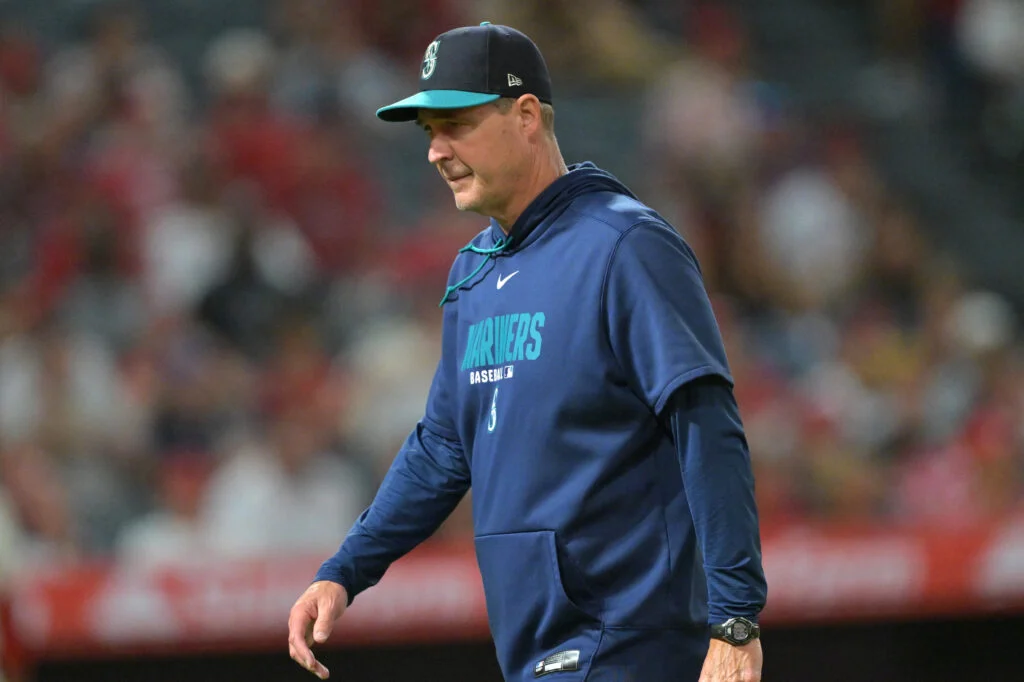
The Seattle Mariners are officially heading into the offseason in search of a new direction. In a move that brings a bittersweet conclusion to a tenure defined by both historic highs and profound recent frustrations, Dan Wilson will not return as the club’s manager for the 2027 season. The announcement, which had been anticipated following a week of growing speculation, was confirmed by the team just hours before the curtain closed on their 2026 campaign.
The Official Departure
The news broke mid-afternoon on the final day of the regular season, with reports from the Seattle Times confirming that Wilson had informed his players of the decision prior to the game. By 5:48 PM, Wilson addressed the media in a post-game press conference, officially confirming his departure.
While Wilson refrained from characterizing the nature of his exit—specifically whether it was a termination or the natural conclusion of a contract—he did note that the organization has already engaged in discussions regarding his potential transition into a different role within the front office. For a man who has served the Mariners organization as a player, a roving coordinator, and a special assistant for over a decade, the shift suggests that while his time in the dugout has ended, his institutional influence may persist in a different capacity.
A Tenure Defined by Volatility
To understand the gravity of this move, one must look at the meteoric rise and subsequent plateau of the Wilson era. Elevated to the full-time managerial position in August 2024 following the dismissal of Scott Servais, Wilson was an unconventional choice. He arrived without a resume of major league coaching experience, relying instead on his deep-seated history with the franchise and his reputation as a cerebral former catcher.
The initial results were nothing short of miraculous. Inheriting a team in need of a spark, Wilson oversaw a 21-13 surge to close out the 2024 season. That momentum carried into a historic 2025 campaign, where Wilson led the Mariners to 90 wins and the American League West crown. The team’s subsequent postseason run—a grueling seven-game battle against the Toronto Blue Jays in the ALCS—marked the deepest run in franchise history. At that moment, Wilson was heralded as the steady hand that had finally unlocked the team’s championship window.
However, the 2026 season proved to be a harsh reality check. Entering the final day of the season with a 75-86 record, the Mariners failed to capitalize on the championship expectations cultivated just one year prior. The sudden regression of a team that appeared primed for sustained success has left both the front office and the fanbase searching for answers.
Supporting Data: A Collapse Across the Board
The statistical decline of the 2026 Mariners was widespread, impacting virtually every facet of the roster. The team’s offensive output, which was expected to be a cornerstone of their success, stagnated. Key contributors such as Cal Raleigh and Josh Naylor saw their production drop precipitously, failing to provide the protection or the power needed to keep pace in a competitive division.
Even more concerning was the erosion of the team’s greatest strength: pitching. The rotation, which had consistently insulated the club from offensive droughts in previous years, uncharacteristically faltered. When the starters struggled, the bullpen—a historically reliable unit—failed to provide the necessary reinforcements.
The analytical frustration is compounded by the fact that the division was historically weak. With the AL West champion destined to finish with a winning percentage of no better than .500, a modest 82-win season would have been enough to secure a playoff berth. The Mariners’ inability to clear even that low bar highlights the depth of the systemic failure that characterized the 2026 campaign.
Accountability and Organizational Culture
As is common in professional sports, the burden of failure rarely rests solely on the manager. While Wilson was the face of the team’s struggles, reporting from MLB.com’s Daniel Kramer indicates that the problems in Seattle were deeply entrenched. Multiple sources within the organization—including players, coaching staff, and front-office personnel—suggested throughout the season that the club lacked a culture of accountability.
These sources noted that the issue appeared to stem from the top down. As the season reached its most critical junctions, the lack of urgency and accountability became increasingly apparent. While Wilson holds responsibility for the tone within the clubhouse, the finger-pointing has inevitably extended to the front office.
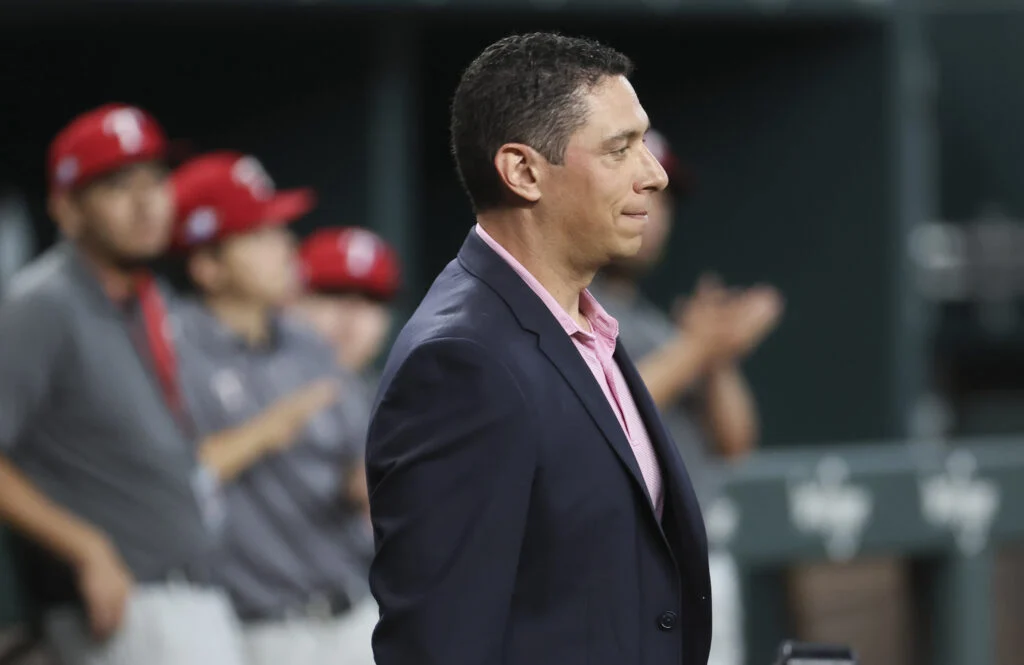
Jerry Dipoto, the president of baseball operations, now faces intense scrutiny regarding his roster construction. The acquisition of Brendan Donovan was intended to be the final piece of a championship puzzle, yet the veteran spent the vast majority of the season on the injured list, leaving the team without the depth or impact production they banked on. The failure to address these vulnerabilities has left Dipoto’s own tenure under a microscope, even as he is expected to return for 2027.
Implications for the Offseason
The departure of Wilson signals the beginning of a chaotic and high-stakes offseason for the Seattle front office. According to reports, while Dipoto and General Manager Justin Hollander are set to remain, and pitching coach Pete Woodworth and director of pitching strategy Trent Blank are slated for retention, the rest of the coaching staff faces significant uncertainty. Any incoming manager will, by necessity, demand the autonomy to construct their own bench and tactical support team.
The clock is ticking louder than ever. The looming December 1 deadline for a potential MLB lockout adds a layer of extreme pressure to the Mariners’ search. The team must identify a new leader, negotiate terms, and assemble a staff in a condensed timeframe. Furthermore, the organization finds itself at a crossroads: do they pursue a veteran "steady hand" to stabilize the locker room, or do they seek a fresh tactical mind to modernize the team’s approach?
Given the talent remaining on the roster, the job remains one of the more attractive openings in Major League Baseball. However, the next manager will walk into a high-pressure environment where the window for patience has slammed shut.
Conclusion: Looking Ahead
The Dan Wilson experiment serves as a cautionary tale for modern front offices: past history and clubhouse respect do not always translate to managerial longevity in the face of statistical decline. While Wilson’s contribution to the 2025 AL West title remains a permanent chapter in Mariners lore, the organization has decided that the current trajectory requires a fundamental change in philosophy.
As the Mariners close the book on 2026, the mandate for Dipoto and his staff is clear: they must find a leader who can not only manage the game on the field but also instill the accountability and grit that were so visibly absent during this year’s collapse. For the fans in the Pacific Northwest, the hope is that this change will not be another lateral move, but the necessary pivot to finally reach the summit that has remained just out of reach. The offseason is here, and for the Mariners, the stakes have never been higher.

 Siti Muinah
 Raul Delapena Setiawan
 Azzam Bilal Chamdy
 Suro Senen
 Laily UPN

 Lina Hope