
 rifanmuazin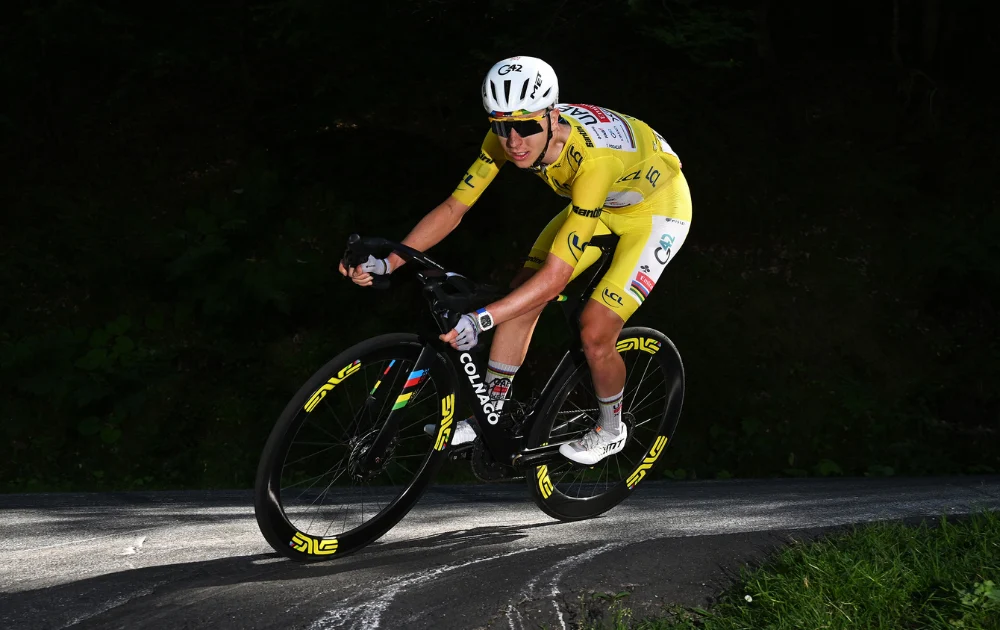
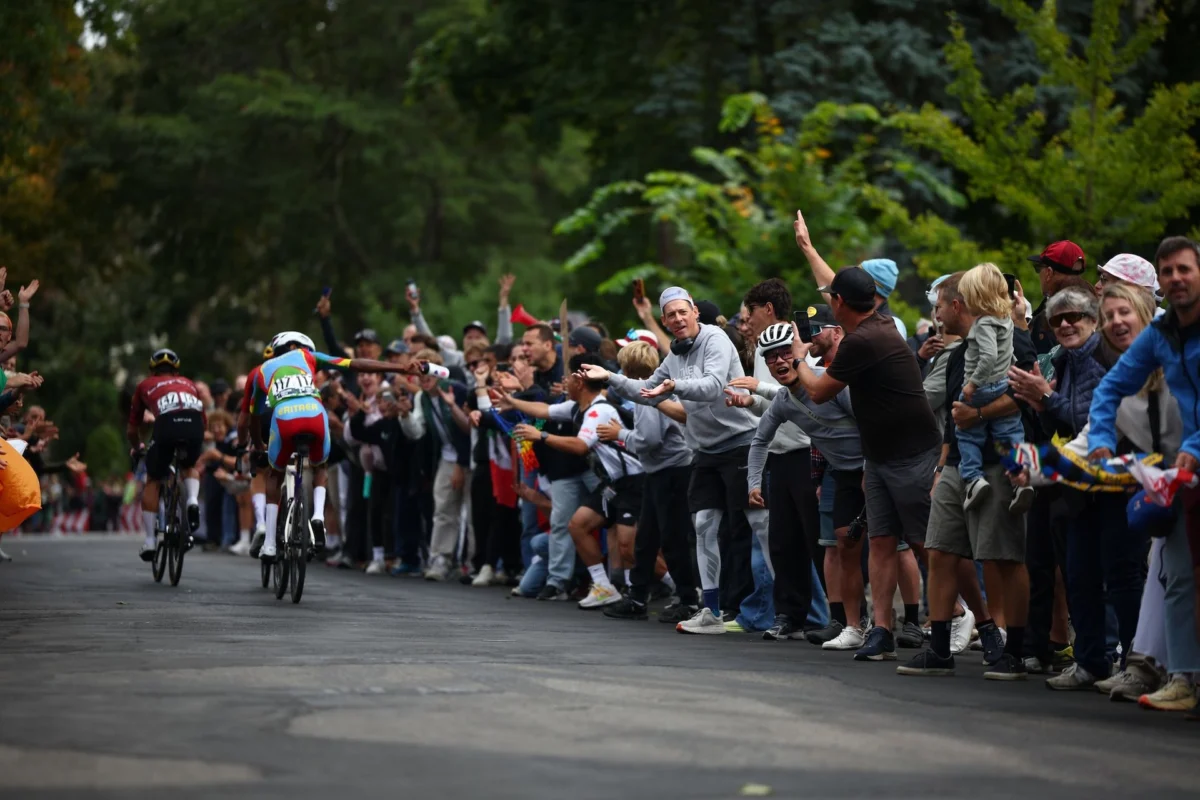
The 2026 Tour de France reaches a fever pitch today as the peloton tackles Stage 14, a brutal mountain test stretching from Mulhouse to Le Markstein Fellering. After the tactical fireworks of Stage 13, which saw Mauro Schmid clinch a hard-fought victory and British sensation Tom Pidcock surge into the top four of the General Classification (GC), the race shifts focus to the unforgiving terrain of the Vosges mountains. With three punishing Category 1 climbs on the menu, this stage represents a pivotal moment for any rider harboring dreams of standing on the podium in Paris.
Main Facts: The Battle for the Vosges
Stage 14 is widely regarded by pundits and team directors alike as a "make or break" day. The route is relentless, designed to expose any cracks in the armor of the current leaders. The stage profile begins with an immediate test of endurance, as the riders hit the base of the Grand Ballon—a formidable 21.5km ascent averaging 4.8%—just 14km after the neutralized start.
The drama will not stop there. The route continues to climb, testing the legs of the weary peloton with the Col du Page (9.8km at 4.7%), the iconic Ballon d’Alsace (8.9km at 6.9%), and the final, decisive Col du Haag (11.2km at 7.3%).
While Tadej Pogačar currently maintains a vice-like grip on the yellow jersey, his dominance is being scrutinized by a hungry pack of challengers. Jonas Vingegaard, trailing by a manageable 30 seconds, is expected to coordinate with his team to apply maximum pressure. Meanwhile, the emergence of riders like Remco Evenepoel, Juan Ayuso, Paul Seixas, and Florian Lipowitz has turned the battle for the final podium spots into a tactical chess match.
Chronology: The Road to Le Markstein
The intensity of this year’s Tour has been unprecedented, and the trajectory toward Stage 14 is a testament to the aggressive racing style defining the 2026 edition.
The Momentum of Stage 13
Yesterday, the cycling world witnessed a masterclass in breakaway execution. Mauro Schmid’s victory was a tactical triumph, but the real narrative was written behind him. Tom Pidcock’s daring move to escape the main peloton saw him leapfrog several seasoned GC contenders to secure fourth place overall. His performance serves as a warning to the leaders: the "traditional" hierarchy of the Tour is currently under siege by riders willing to gamble on long-range attacks.
Today’s Timeline
The stage is set to commence at 13:10 CET. The early ascent of the Grand Ballon will likely trigger an immediate selection, with "domestiques" forced to work early to control the gap. As the riders navigate the Col du Page and the Ballon d’Alsace, the cumulative fatigue from the previous two weeks will begin to manifest. The final showdown on the Col du Haag is expected to unfold between 16:30 and 17:38 CET, where Pogačar is widely tipped to make a move to solidify his lead—or potentially suffer his first major setback if his rivals can isolate him from his teammates.
Supporting Data: Technical Analysis of the Climbs
To understand the difficulty of today’s stage, one must look at the physiological toll these climbs take on the riders.
| Climb | Distance | Average Gradient | Category |
|---|---|---|---|
| Grand Ballon | 21.5km | 4.8% | 1 |
| Col du Page | 9.8km | 4.7% | 1 |
| Ballon d’Alsace | 8.9km | 6.9% | 1 |
| Col du Haag | 11.2km | 7.3% | 1 |
The sheer volume of climbing—over 50km of categorized ascents—means that pure power-to-weight ratios will be the deciding factor. The 7.3% gradient on the final Col du Haag is particularly significant; it is steep enough to prevent drafting from being an effective defensive strategy, forcing riders to rely entirely on their own aerobic capacity.
Official Responses and Tactical Implications
Team managers have been tight-lipped, but the tactical signals are clear. Pogačar’s team has signaled that they are not content to merely defend; they are looking to hunt stage wins to demoralize the opposition.
"We are racing to win every day," noted a representative from the leader’s camp. "The yellow jersey is the goal, but we respect the challenge posed by Vingegaard and the others. We expect them to attack us today."
Conversely, the camp of Jonas Vingegaard has hinted at a "total war" strategy. By utilizing riders like Ayuso and Seixas as tactical pawns, Vingegaard hopes to force Pogačar into a defensive position where he lacks the support of his teammates. Should this succeed, the 30-second gap could be erased in a single afternoon.
Implications for the General Classification
The repercussions of today’s results will be felt all the way to the final stage in Paris. If Pogačar extends his lead, he may effectively end the competition for the yellow jersey before the final week. However, if the chasing pack succeeds in isolating him, we may be looking at the most competitive Tour de France finish in over a decade.
For riders like Pidcock, the goal is survival and opportunistic gain. Maintaining his top-four position while the big names tear each other apart will be a monumental challenge, but his performance on Stage 13 suggests he has the form to stay in the mix.
How to Watch: Global Coverage Details
As the race moves through the Vosges, fans around the world have multiple ways to follow the action live.
Free-to-Air Options
- Australia: SBS on Demand offers comprehensive coverage with English commentary.
- France: France TV provides unparalleled access to the race.
- Belgium: RTBF Auvio is the home of live cycling in the region.
- Italy: RaiPlay offers full coverage for the cycling-obsessed nation.
- Spain: RTVE Play remains the go-to for Spanish fans.
- Netherlands: NOS provides full live streaming services.
Regional Broadcasting Details
- UK: TNT Sports 1 will broadcast live from 11:45 BST. For those unable to watch the live feed, Channel 5 will air a highlight package at 19:00 BST.
- USA: Peacock remains the exclusive home for the Tour, with live coverage and on-demand replays available to subscribers. NBC will also host a delayed broadcast at 3:00pm EDT.
- Canada: FloBikes is the primary provider, carrying the entire 2026 road racing calendar, including the full duration of the Tour.
Using a VPN to Access Coverage
For fans currently traveling or residing outside of their home region, geo-restrictions may prevent access to local streams. Using a reputable VPN, such as NordVPN, allows viewers to mask their IP address and connect to a server in their home country, unlocking the content they have already paid for or which is provided free-to-air.
Note: VPNs should be used in accordance with the terms of service of the streaming platforms. Always ensure your connection is secure when accessing public Wi-Fi networks during the race.
Conclusion: The Road Ahead
As the riders prepare for the neutral start in Mulhouse, the tension is palpable. Stage 14 is not just another day of racing; it is a crucible where the 2026 Tour de France will be defined. Will Pogačar continue his march toward victory, or will the Vosges mountains provide the stage for an epic shift in the leaderboard? The only way to find out is to tune in as the world’s greatest cyclists face the ultimate test of heart, lungs, and legs.

 Reynand Wu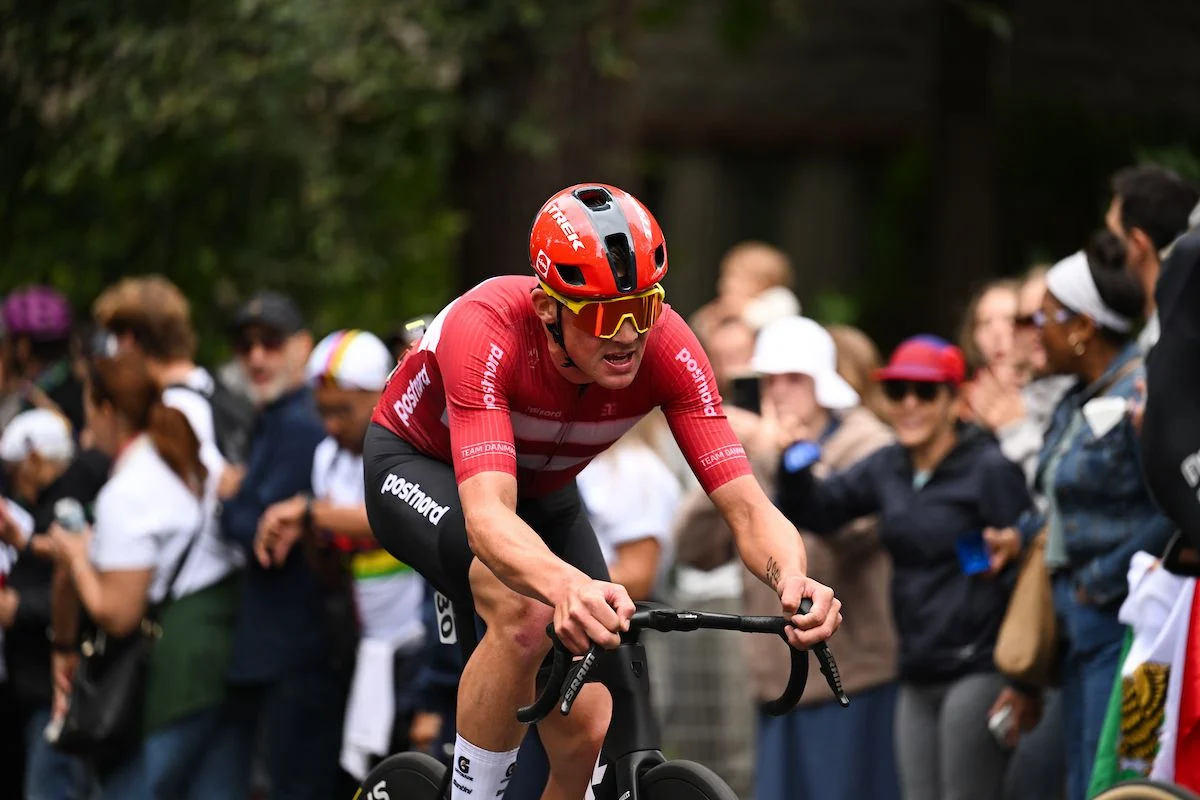
 Nana
Nana
 Neng Nana
 Nana Wu
 Lina Hope

 Sagoh
Sagoh
 Iffa Jayyana