
 Asep Darmawan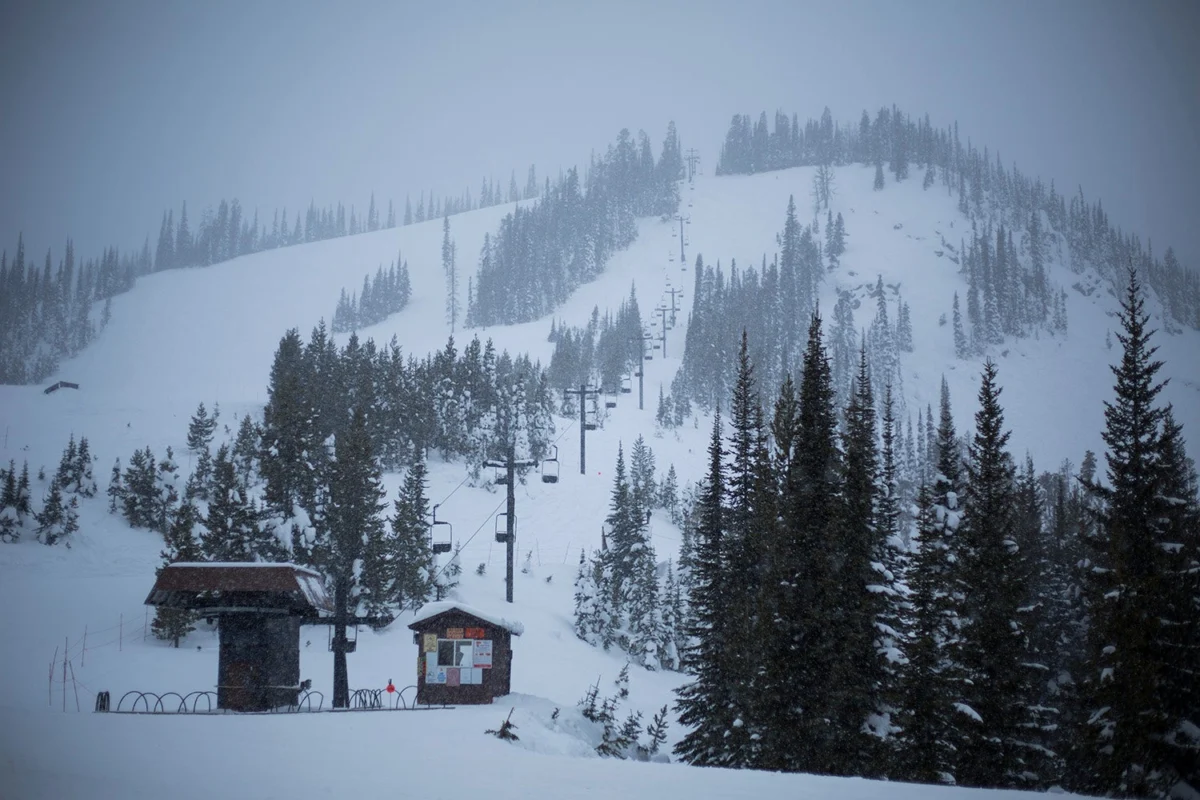
Updated September 9, 2026
For skiers, the winter season is an endless conversation about snow. It begins with nervous, obsessive analyses of long-range La Niña and El Niño forecasts in early autumn and ends in late spring with the melancholic tallying of still-spinning lifts and internet searches for high-altitude holdouts where turns can still be carved into June. Yet, this preoccupation with the white stuff has taken on a sharper, more anxious edge in recent years. As global winters grow noticeably shorter and snowfall patterns become increasingly erratic, the ski community finds itself grappling with a shifting reality: the winter canon is being rewritten by climate change.
Recent data paints an unvarnished picture of this transformation. A comprehensive report published by Climate Central, an independent climate research organization, reveals that the winter season has shortened by an average of nine days across 80 percent of U.S. cities since 1970. Furthermore, the organization found that 64 percent of U.S. weather stations are recording significantly less snowfall today than they did in the early 1970s.
In an era defined by shrinking winters and marginal shoulder seasons, it is easy to assume that artificial snowmaking has become an absolute prerequisite for survival in the modern ski industry. For decades, mechanical snow has allowed ski areas to bypass Mother Nature’s mood swings, open weeks ahead of schedule, and cushion their bottom lines during notoriously lean snow years. Major resort operators have poured astronomical sums into this insurance policy; Vail Resorts alone has invested more than $100 million in expanding its snowmaking infrastructure across its vast portfolio since 2015.
Yet, a fascinating counter-culture persists within the industry. Not every U.S. ski area possesses—or even desires—a network of high-pressure hydrants and sprawling compressor stations. For a dedicated handful of operators, natural snow remains the gold standard of skiing. Choosing to forgo snowmaking, however, comes with profound operational hurdles: it means accepting that opening days, holiday revenues, and closing dates are dictated entirely by the whims of the atmosphere.
How, then, are major U.S. ski areas without artificial snowmaking managing to thrive? Is it simply a matter of geographical fortune—blessed with exceptionally high elevations and microclimates that trap moisture? Do they rely on creative, old-school snow-farming techniques? Or have these destinations simply mastered the art of embracing uncertainty in a warming world? While countless small, community-owned rope-tows operate without snow systems, the true test of the all-natural philosophy lies among larger, well-known mountain resorts.
The Chronology of Artificial Snow: From Novelty to Necessity
To understand the boldness of the all-natural holdouts, one must look back at how mechanical snow transformed the North American landscape. Artificial snow was invented in the early 1950s in upstate New York, initially conceived as a desperate fix for low-altitude resorts suffering from unreliable winters. For the first few decades, snow guns were heavy, loud, inefficient novelties used sparingly on beginner slopes and main thoroughfares.
However, as climate pressures mounted through the late 1990s and 2000s, snowmaking evolved from a luxury marketing tool into an absolute operational necessity for corporate mega-resorts. Today’s computer-automated snow systems can turn ambient air and pressurized water into a blanket of white across entire mountain faces in a matter of hours, provided temperatures drop below 28 degrees Fahrenheit.
For the all-natural resorts, this technological revolution was largely bypassed. Bound by remote wilderness locations, strict environmental regulations, or a philosophical commitment to the purity of the sport, these mountains doubled down on their natural assets. Yet, as the 2020s progress, even some of these historic holdouts are beginning to eye artificial snow systems with cautious curiosity as climate volatility reaches unprecedented levels.
Supporting Data: The Shrinking Season and Rising Stakes
The operational tightrope walked by natural-snow resorts is underscored by hard meteorological data. The Climate Central metrics highlight a systemic shift across North America:
- Shorter Windows: Winter has contracted by an average of nine days across 80% of U.S. cities since 1970.
- Declining Totals: Nearly two-thirds (64%) of U.S. weather stations report a downward trend in cumulative seasonal snowfall.
- Temperature Anomalies: Prolonged autumn warmth frequently delays the onset of natural snowpacks, creating high-stakes countdowns for resorts that rely entirely on the first major cold storm cycles of November and December.
Despite these grim statistics, certain geographic pockets continue to receive staggering amounts of precipitation, allowing a select group of independent and regional resorts to defy the broader national trend.
Case Studies: Inside North America’s All-Natural Strongholds
Monarch Mountain, Colorado
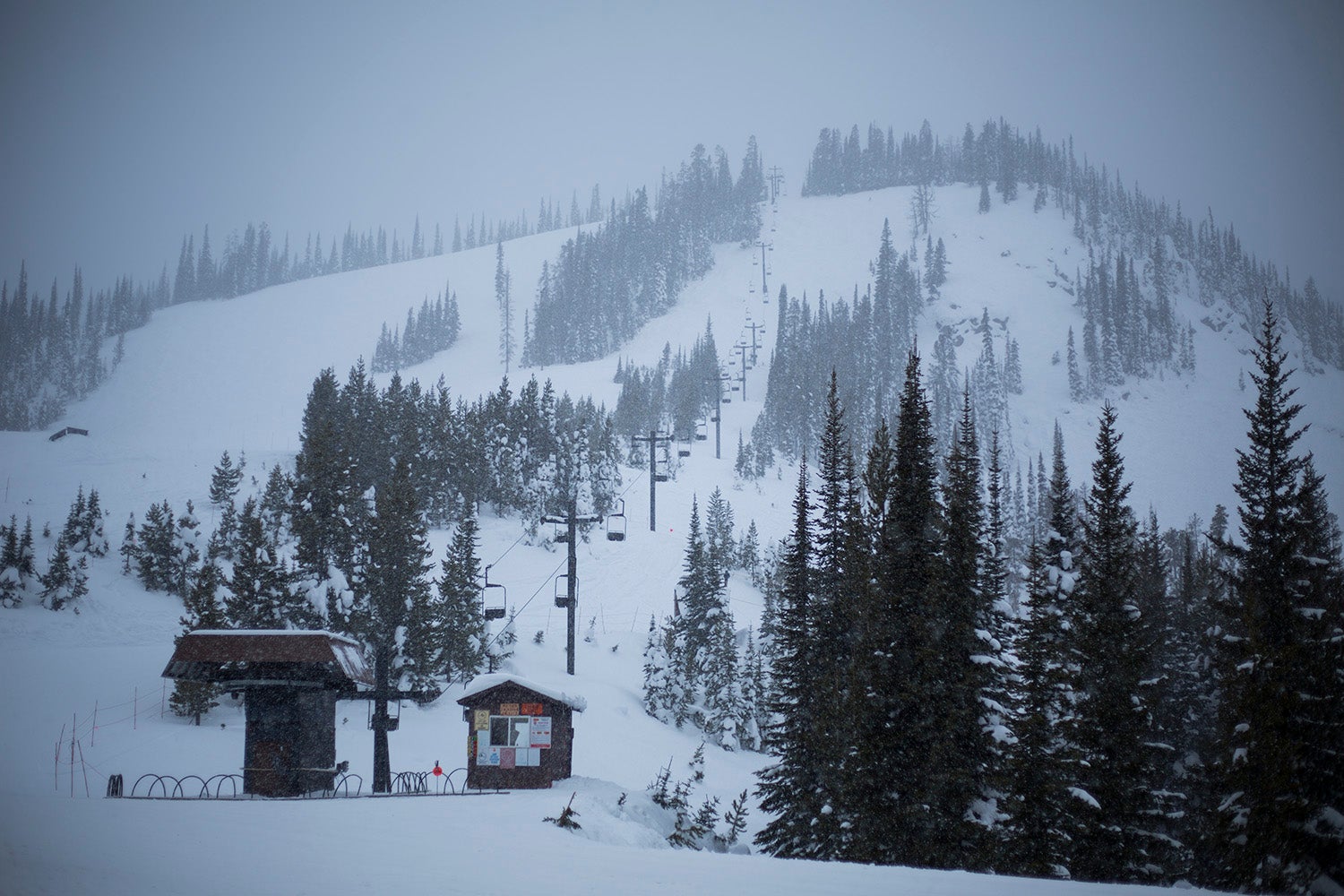
Nestled high along the Continental Divide, Monarch Mountain stands as one of the last commercial ski areas in Colorado that stubbornly relies 100 percent on natural snow. It is a badge of honor worn proudly by the resort’s leadership and local community.
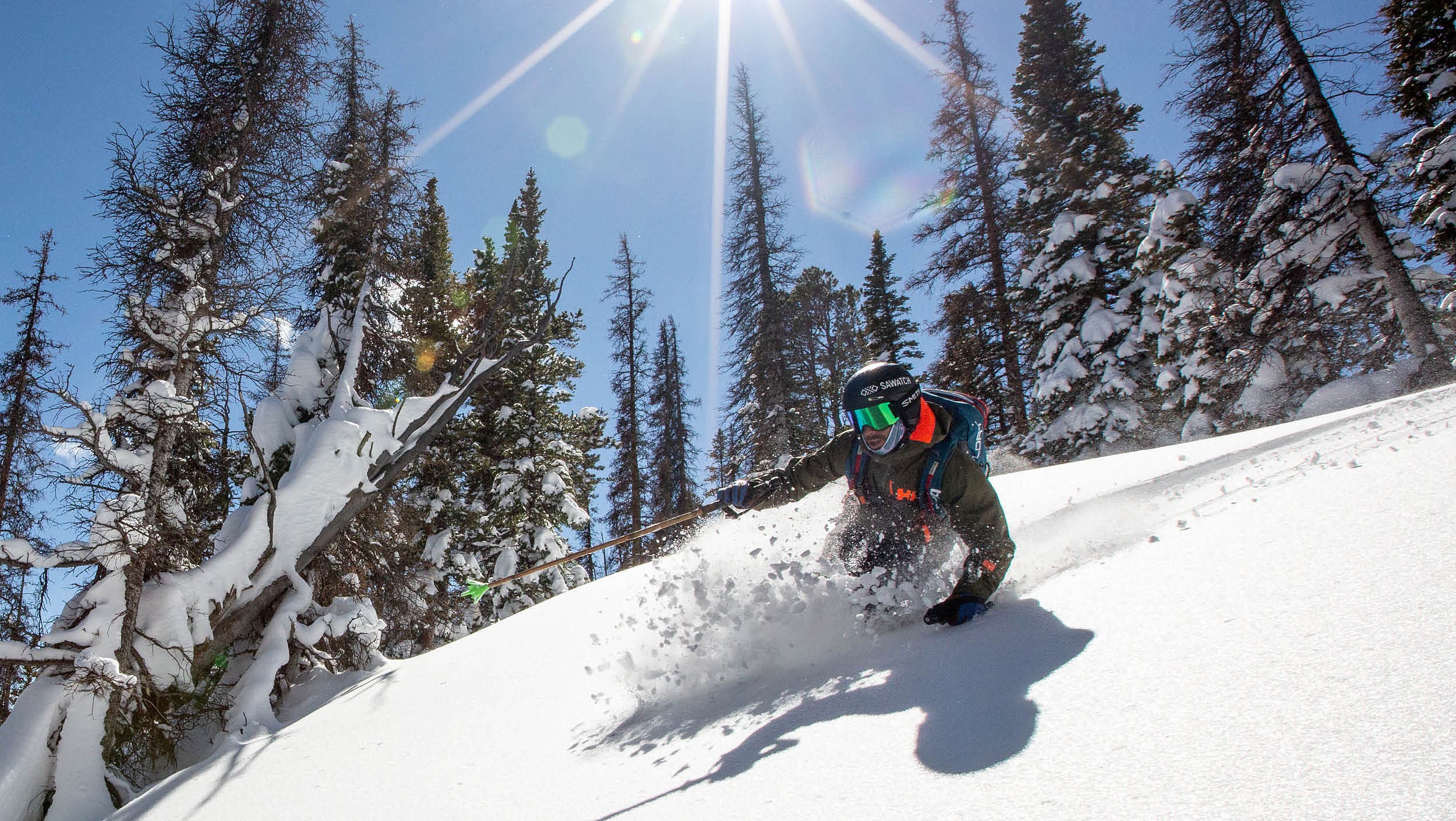
"We take great pride in offering an all-natural product and strongly believe that nothing is better than making turns down a trail covered in real snow," explained Scott Pressly, the former director of mountain operations, in a 2024 company blog post.
Monarch’s survival without snow guns is anchored by geography. Situated at a base elevation of 10,727 feet and peaking at 11,900 feet, the resort sits above the thermal belts where rain often replaces snow in lower-altitude ranges. Furthermore, many of Monarch’s primary trails face northeast, shielding the snowpack from the punishing rays of the high-altitude afternoon sun.
To maximize its natural bounty, Monarch employs traditional snow-farming tactics. Crews utilize strategic snow fencing to capture windblown powder across ridgelines, redistributing it onto open trails. Additionally, the resort gathers accumulated snow from its parking lots, trucking and moving it to cover high-traffic choke points around the base lodge and lower-mountain lifts.
Mt. Baker Ski Area, Washington
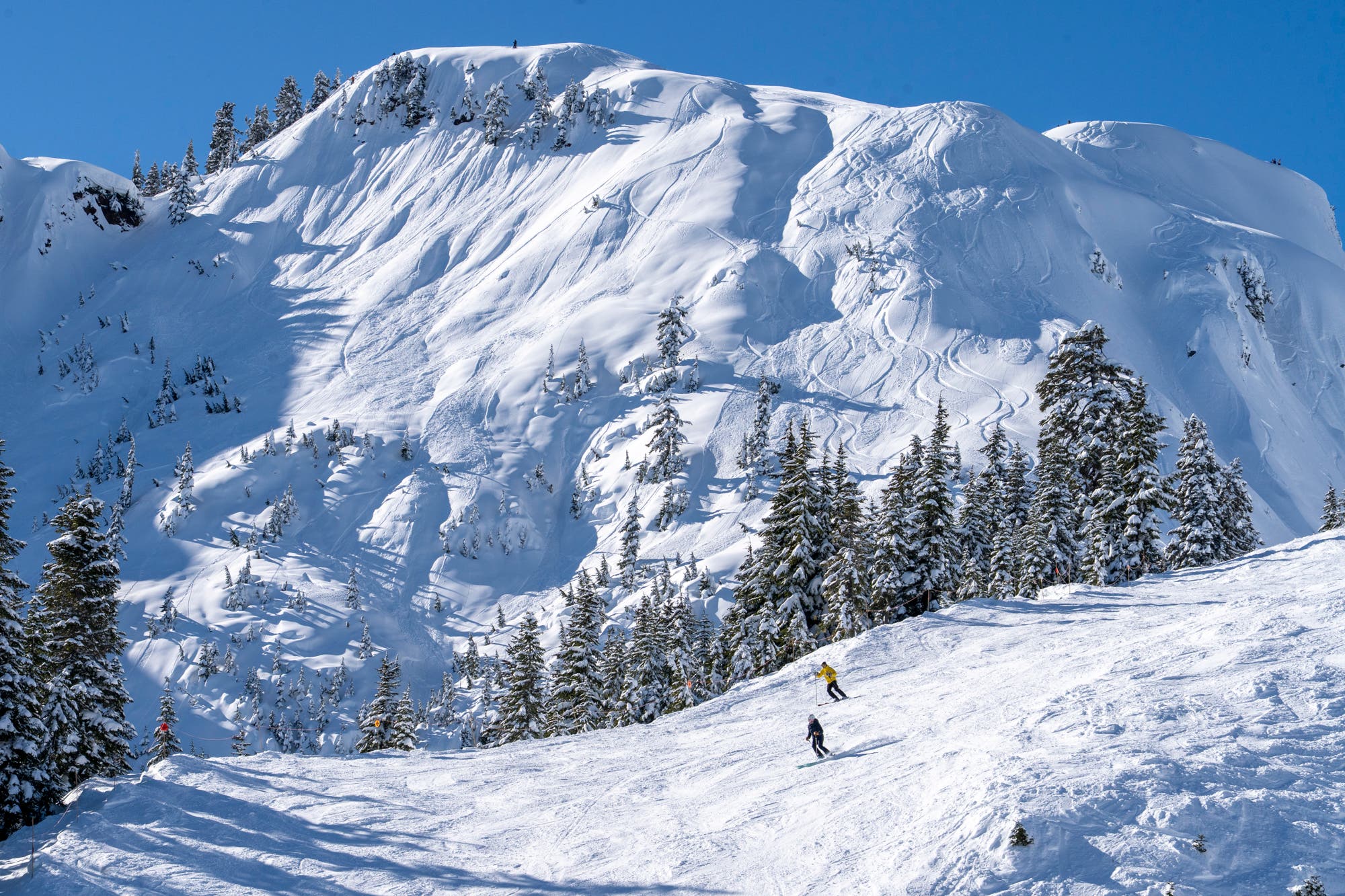
In the rugged Pacific Northwest, the Mt. Baker Ski Area commands legendary status. Independent, family-owned, and entirely off-grid, Baker’s raw terrain features dizzying chutes, intricate tree runs, and massive pillow lines. It also boasts a proud, uncompromising reliance on natural snow.
Baker’s gamble pays off because it sits in one of the wettest, snowiest microclimates on the planet. Moisture-laden storms roar inland directly from the Pacific Ocean. Combined with ideal freezing temperatures and a lack of intervening mountain ranges to block weather systems moving from the southwest, Mt. Baker regularly records staggering snow totals. While its annual average sits at an astonishing 688 inches, the mountain famously shattered records during the 1998–99 ski season by logging 1,140 inches of snow—a North American benchmark.
Mount Bohemia, Michigan
Proof that all-natural skiing is not exclusively a Western phenomenon, Mount Bohemia in Michigan’s Upper Peninsula claims the "deepest powder in the Midwest." Bohemia proudly rejects both snowmaking and grooming, offering an unadulterated, old-school backcountry experience within the boundaries of a lift-served resort.
Bohemia relies entirely on aggressive lake-effect snow generated by the icy waters of Lake Superior. However, with an average annual snowfall of roughly 273 inches—significantly lower than its Western counterparts—Bohemia is highly vulnerable to early-season droughts. It is not uncommon for the resort to delay its opening well into January or even February if early-winter storms fail to materialize.
Powder Mountain, Utah
Sprawling across roughly 5,000 skiable acres of lift-serviced, hike-to, and bus-accessed terrain, Powder Mountain is an enormous Utah playground. Despite operating on a scale that rivals corporate giants, "PowMow" markets itself heavily on its pure, unadulterated powder and lack of artificial intervention, leaning into the state’s famous "Greatest Snow on Earth" mantle.
Powder Mountain manages its snowpack not through man-made hydrants, but through strict crowd management. By capping daily ticket sales and limiting season pass volumes, the resort ensures that existing snow is preserved and tracked out at a much slower rate than its congested Wasatch neighbors.
Lost Trail Powder Mountain, Montana
Like Monarch Mountain, Lost Trail Powder Mountain sits directly astride the Continental Divide. Winter storms sweeping out of the northern Rockies routinely dump 300 to 350 inches of light, feather-dry powder across its slopes each season. This consistent, reliable supply of dry snow has allowed the family-owned resort to operate successfully for decades without a single snow gun.
Lost Trail pairs its geographic fortune with a unique operating schedule. The resort is typically open only from Thursday through Sunday. This mid-week closure gives fresh storm cycles several days to accumulate undisturbed. The result is its cult-favorite "Powder Thursdays," when eager skiers routinely arrive after a three-day weekend hiatus to find knee-deep, untouched powder fields waiting for them.
Official Responses and Strategic Shifts
While these five resorts have successfully carved out a niche as the guardians of all-natural skiing, the mounting pressures of a warming climate are forcing executive boards to re-evaluate their long-term strategies. The margin for error is shrinking rapidly.
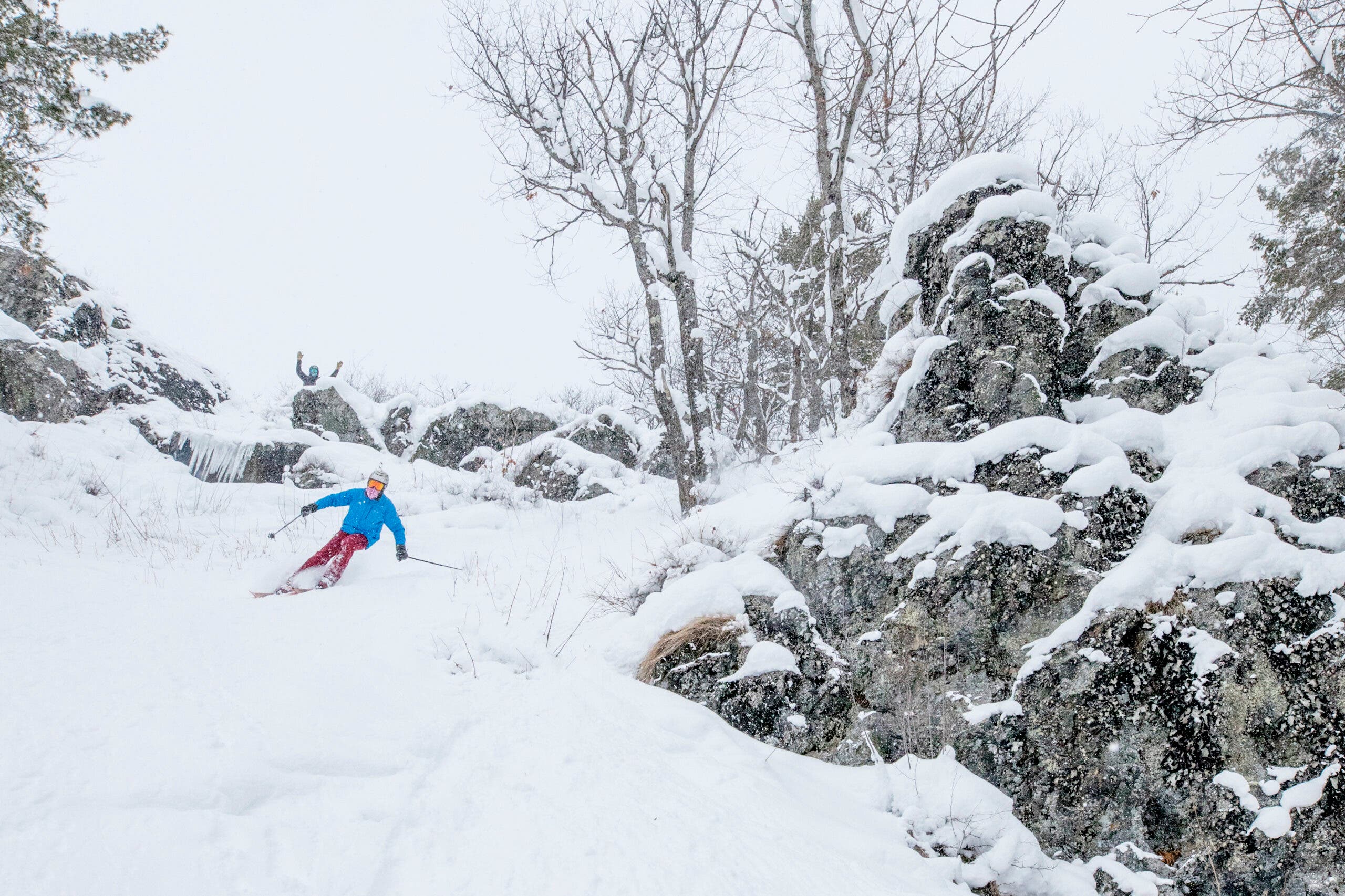
In Washington, Mt. Baker’s vulnerability was laid bare when unseasonably heavy rain washed away the snow base in its natural halfpipe, forcing the cancellation of its iconic Legendary Banked Slalom race.
Similarly, at Monarch Mountain, the writing is on the wall in official planning documents. While the resort continues to champion its all-natural status, its modern master development plan explicitly carves out space for a potential future snowmaking system, including designations for a water storage pond and a pumphouse.
At Powder Mountain, the leadership tone has shifted perceptibly. Kevin Mitchell, the resort’s general manager and chief operating officer, acknowledged that the philosophy of total abstinence may have an expiration date. Mitchell noted that the resort is actively "looking at expediting some of our projects, particularly a (snowmaking) system that would help us get open earlier."
Even Mount Bohemia, which briefly weighed a comprehensive snowmaking blueprint in January 2021 before ultimately opting to stick with 100 percent natural snow, faces constant existential calculations regarding its opening dates.
Implications for the Future of Skiing
The delicate balancing act performed by Monarch, Mt. Baker, Mount Bohemia, Powder Mountain, and Lost Trail highlights a profound philosophical crossroads for the ski industry at large.
For generations of purists, the soul of skiing is inextricably linked to the weather—to the anxious wait for a winter storm warning, the magic of waking up to fresh powder silently draping the pines, and the acceptance that the mountain is a wild, untamed environment. Artificial snowmaking, for all its economic utility, introduces an industrial, manufactured element to an experience rooted in communion with nature.
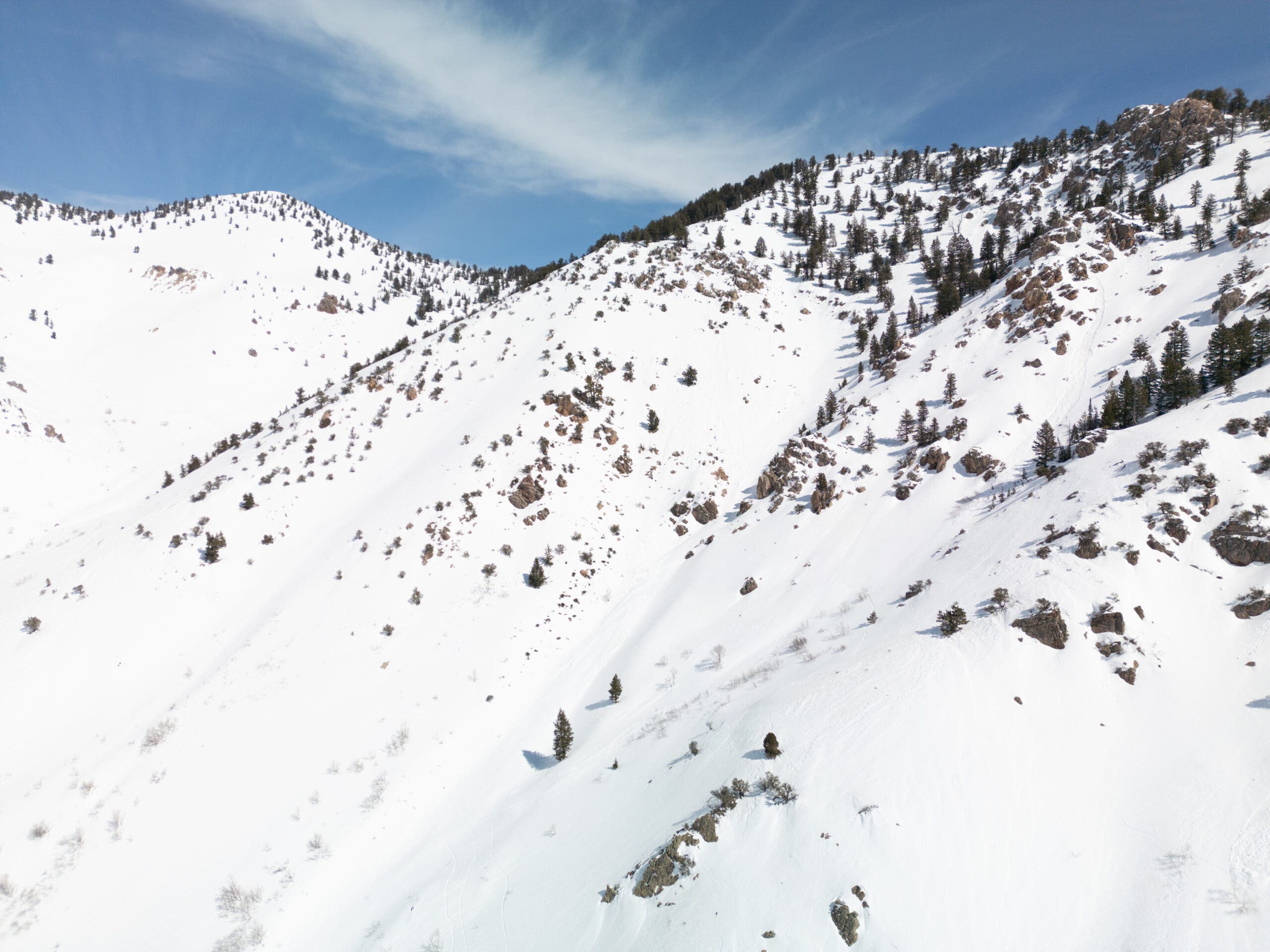
However, as climate change persistently compresses the winter window, the economic realities of running a modern ski resort—where payroll, maintenance, and capital investments must be paid regardless of whether a storm hits—will continue to test the resolve of all-natural operators.
For now, these independent and regional strongholds continue to prove that exceptional elevation, strategic terrain orientation, smart crowd management, and old-school snow farming can still conquer the elements. Whether they can hold out against the warming tide indefinitely remains the ultimate question hanging over the future of the sport. Until then, skiers will continue to watch the skies, crossing their fingers that the next cold front delivers the real thing.


 Asro
Asro
 Jia Lissa
 Suro Senen
 Nana Muazin

 Iffa Jayyana
 Dwi Wanna