
 Lina Irawan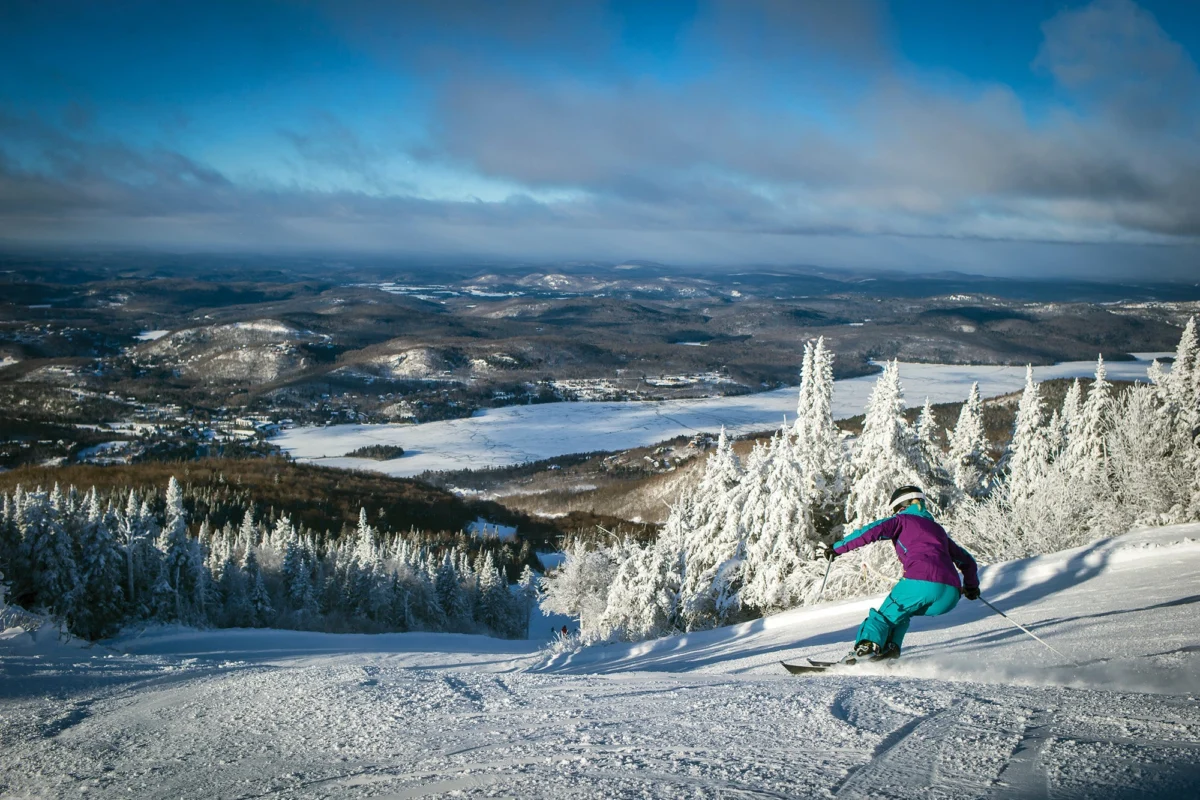
Published: September 9, 2026
Author: Industry Staff Report
If you want to understand where the sport of skiing is heading over the next decade, look past the glossy brochures highlighting steep chutes, untouched powder bowls, and high-speed luxury gondolas. Instead, look at the water pipes, the pump houses buried deep underground, the automated snow guns lining the trails, and the calculated investments being made in beginner progression zones.
For the upcoming winter season, Alterra Mountain Company—the parent conglomerate behind the ubiquitous Ikon Pass—is pumping more than $350 million into its portfolio of North American ski resorts. While marquee trail expansions and flashy base-area villages capture the headlines, the most consequential capital expenditures are happening far behind the scenes. These foundational, unglamorous upgrades will dictate not only how much skiing enthusiasts actually get to experience, but how reliable, sustainable, and enjoyable those days on the mountain will be in an era of unpredictable winter weather patterns.
Main Facts: The Scope of the Investment
The core of Alterra’s multi-million-dollar capital deployment centers on balancing high-visibility terrain growth with mission-critical infrastructure overhauls. Major components of the 2026–’27 investment strategy include:
- Tremblant’s Historic Expansion: Quebec’s premier destination resort is launching its largest terrain expansion in roughly 20 years, a multi-year master plan anchored by the upcoming Timber Summit development. In the immediate term, the resort is also debuting a dedicated, isolated beginner learning area at the base of Versant Soleil.
- Deer Valley’s Continued Evolution: Utah’s renowned resort is pushing forward with its massive “Expanded Excellence” initiative, adding another 200 skiable acres and seven new runs—bringing its grand total to 4,500 skiable acres and 32 chairlifts. The centerpiece for families and progression-focused skiers is the new Hail Peak Express pod.
- Aggressive Snowmaking Overhauls: Recognizing the volatility of early-season natural snowfall, Alterra is injecting millions into underground infrastructure, high-efficiency automated fan guns, and massive water reservoirs at resorts like Solitude, Winter Park, and Deer Valley.
Chronology: A Multi-Year Roadmap to 2027 and Beyond
The timeline of these developments reflects a strategic phasing by resort executives, balancing immediate guest satisfaction with long-term regional transformation.
- Early 2000s: Versant Soleil opens at Mont Tremblant, marking the last major terrain expansion the Quebec resort would see for over two decades.
- Recent Seasons: Deer Valley initiates its sweeping “Expanded Excellence” project, radically scaling up its footprint and introducing the East Village. Concurrently, regional properties like Solitude begin multi-year snowmaking improvement cycles, injecting over $5 million into modernizing delivery systems.
- Current Winter (2026–’27 Season):
- Alterra deploys its $350 million investment wave across North American holdings.
- Tremblant opens its new base-area beginner zone next to the Casino Express Gondola.
- Deer Valley expands to 4,500 skiable acres with the debut of the Hail Peak Express.
- Winter Park accelerates its multi-year, ground-up snowmaking rebuild—notably doubling capacity on Lower Hughes.
- Future Horizon (2027–’28 Season): Tremblant’s long-awaited Timber Summit terrain expansion—featuring 62 new acres, eight trails, and a high-speed chairlift—is officially scheduled to welcome its first skiers.
Supporting Data: The Numbers Behind the Blueprint
To fully grasp the magnitude of Alterra’s financial commitment, one must examine the specific metrics driving these resort developments:
- $350 Million: The total capital investment poured by Alterra Mountain Company into its North American ski areas for the upcoming winter season.
- $42.5 Million (CAD): The total estimated price tag for Tremblant’s master-plan expansion, which includes the upcoming Timber Summit terrain pod.
- 62 Acres & 8 Trails: The physical footprint of the upcoming Timber Summit expansion at Tremblant, representing a 10 percent boost in the resort’s overall hourly lift capacity.
- 4,500 Skiable Acres: Deer Valley’s new milestone metric, achieved by adding 200 fresh acres and seven runs for the 2026–’27 season, supported by a network of 32 chairlifts.
- 10 Million Gallons: The capacity of Deer Valley’s newly constructed reservoir, designed to feed the Summit Pump House and dramatically scale up the resort’s snowmaking capabilities.
- 80 to 90 Percent: The estimated percentage of water used for snowmaking at Deer Valley that successfully cycles back to its natural sources (the Jordanelle Reservoir and the Provo River) during the spring melt.
Official Responses: What Industry Leaders Are Saying
Resort executives and mountain operations managers emphasize that modern ski resort management requires a fundamental shift in perspective. Gone are the days when simply cutting a new trail and stringing a lift line was enough to guarantee success.
“If you want to know where skiing is headed, watch where the major ski resort corporations are spending their money,” notes resort operations analysts. While flashy amenities drive marketing campaigns, resort leadership acknowledges that customer retention hinges on foundational reliability.

Regarding Tremblant’s dual-pronged approach—balancing a massive, long-term expert terrain expansion with an immediate focus on first-timers—resort representatives stress the importance of cultivating the next generation of snowsports enthusiasts. By positioning a dedicated learning area at the base of Versant Soleil, next to the Casino Express Gondola, the resort is actively tackling industry-wide attrition rates among beginners.
On the snowmaking front, leadership across Utah and Colorado properties underline that sustainability and operational readiness go hand-in-hand. Winter Park management points out that rebuilding a snowmaking system from the ground up—utilizing automated fan guns and mobile units—is no longer a luxury, but an absolute necessity.
“A bigger mountain isn’t much use if it can’t open enough terrain early in the season,” resort spokespersons note, highlighting that predictable, machine-made snow has become the absolute bedrock of the modern guest experience. Furthermore, regarding environmental stewardship, Deer Valley has been keen to highlight its closed-loop water management goals, assuring local stakeholders that the vast majority of water pulled for early-season operations is safely returned to regional watersheds.
Implications: What This Means for the Future of Skiers
For the average skier holding an Ikon Pass or planning a destination vacation, these capital investments carry several profound implications:
1. The Elevation of the Beginner Experience
Historically, mega-resorts have funneled the vast majority of their budgets into expert terrain, high-speed quad lifts for advanced bowls, and luxury base-village real estate. Tremblant’s investment in a dedicated, crowd-isolated beginner zone signals a maturing industry strategy. By shielding first-time skiers from the intimidating hustle and bustle of main base areas, resorts can significantly improve conversion rates, turning one-time visitors into lifelong participants.
2. Climate Resilience as the Ultimate Amenity
As winters become increasingly volatile and natural snowfall patterns grow less reliable, the true differentiator for any ski area is its snow-readiness. The unglamorous millions spent on underground pipes, variable-frequency drive pumps, automated fan guns, and massive storage reservoirs like Deer Valley’s 10-million-gallon basin are, in reality, insurance policies against poor weather years. Skiers will increasingly judge resorts not just by their vertical drop or acreage, but by their ability to open terrain reliably by Thanksgiving or Christmas.
3. The Maturation of the Mega-Pass Era
As consolidated parent companies like Alterra continue to pour hundreds of millions of dollars annually into their network properties, the gap between independent resorts and mega-pass holdings widens. Destinations like Deer Valley and Tremblant are evolving into self-contained ecosystems capable of absorbing massive crowds while continuously expanding their physical footprints. However, this growth also places a premium on internal circulation—hence the careful design of pods like Deer Valley’s Hail Peak Express, which is specifically tailored to disperse crowds and give families dedicated, stress-free zones to play.
Ultimately, Alterra’s $350 million gamble proves that the future of skiing will not be won on marketing hype alone. It will be secured in the pump houses, sustained by efficient water stewardship, and enjoyed by generations of skiers—from the very first-timer on a gentle nursery slope to the expert carving down newly unlocked peaks.


 Asro
Asro
 Jia Lissa
 Suro Senen
 Nana Muazin

 Iffa Jayyana
 Dwi Wanna