
 Basiran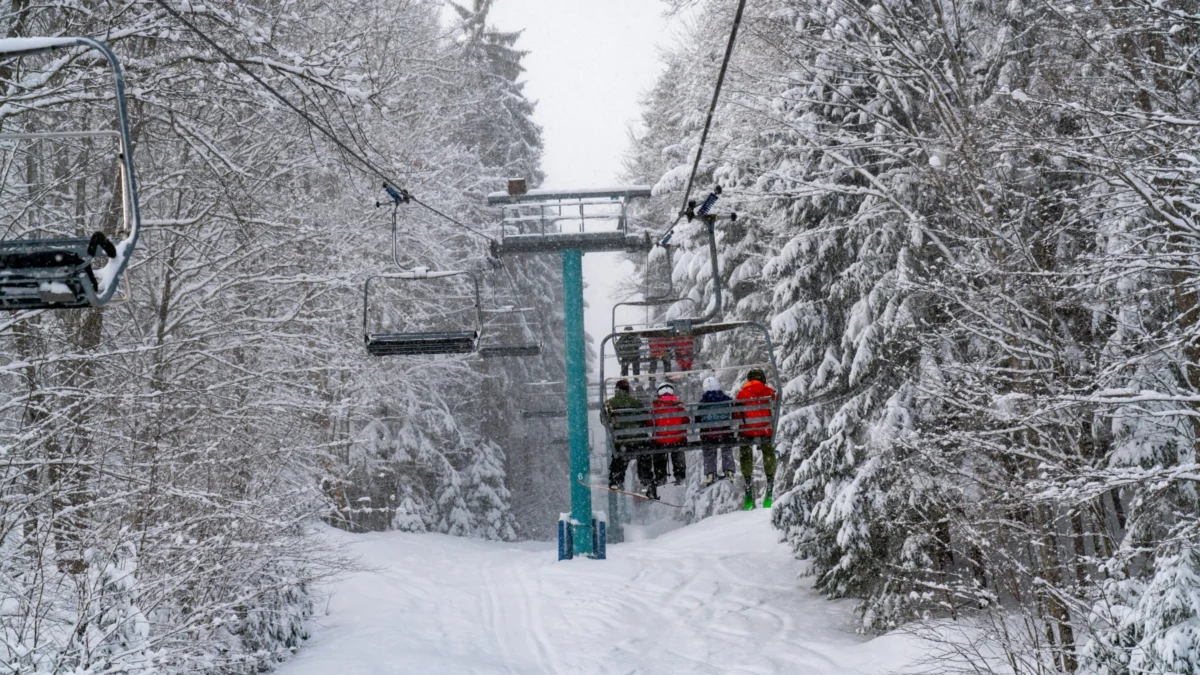
Nestled in the rolling hills of western New York, just a 45-minute drive from the bustling urban hub of Buffalo, lies an anomaly in the world of modern skiing: Holiday Valley Resort. For nearly 70 years, this independent, family-oriented destination has quietly cultivated a reputation as one of the most beloved ski resorts in North America. Recently ranked as the No. 4 resort in the East by Ski magazine readers, Holiday Valley has become the gold standard for what a community-focused, mid-sized mountain can achieve.
It is a place where "small but mighty" is not merely a marketing slogan, but a lived reality. By balancing the technical requirements of serious skiers with a laid-back, inclusive atmosphere, the resort has successfully sidestepped the "corporate consolidation" trend that has homogenized many of its larger counterparts.
Main Facts: A Portrait of Independence
Holiday Valley’s enduring success is rooted in its independence. While the ski industry has seen a massive consolidation of mountain resorts under a handful of major conglomerates, Holiday Valley remains a testament to the power of localized, thoughtful management.
The Terrain
- Vertical Drop: Just under 1,000 feet.
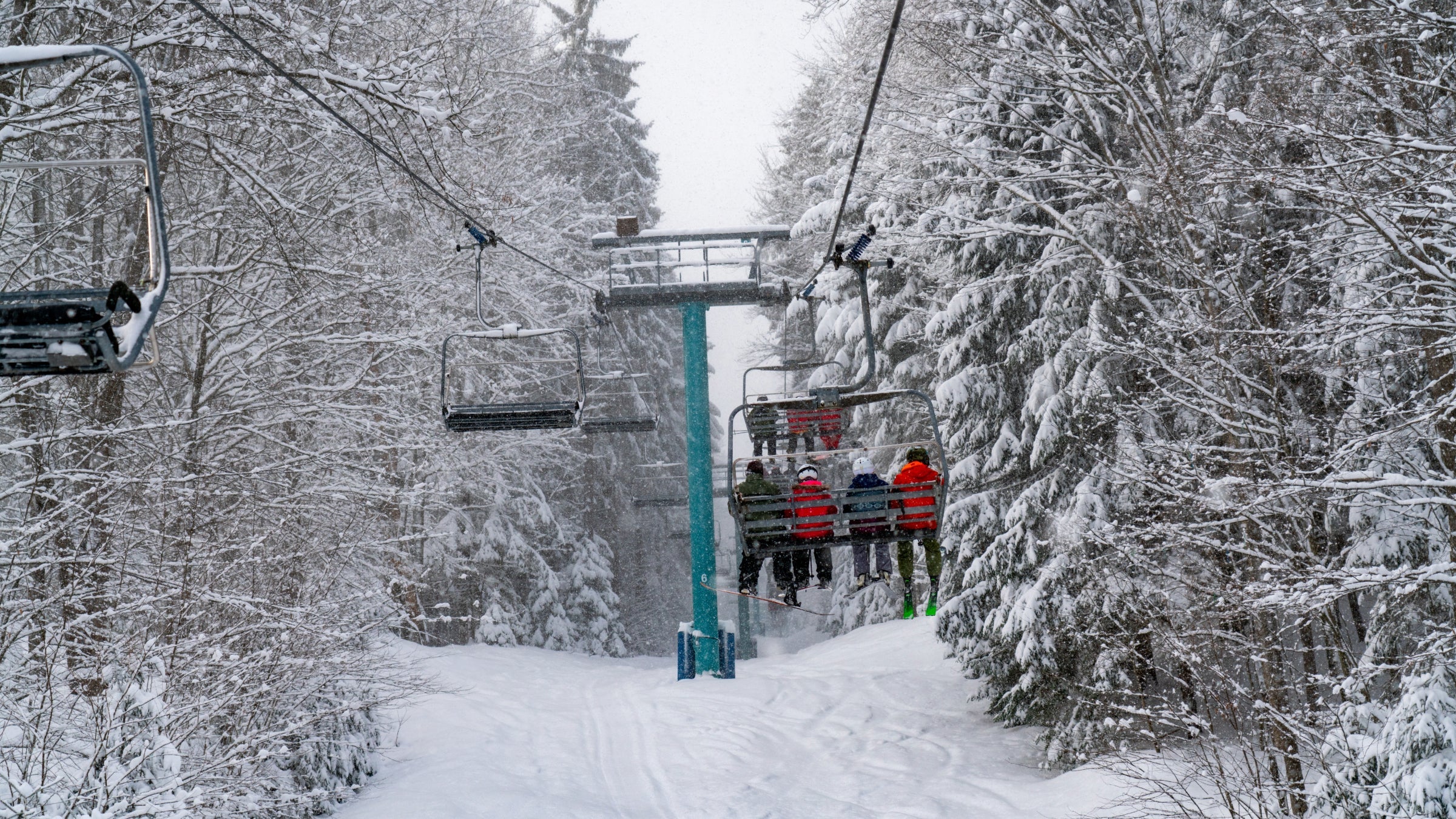
- Infrastructure: 13 modern, high-capacity lifts that keep lines moving even on peak weekends.
- The Run Count: 60 distinct trails, ranging from gentle, wide-open learning slopes to technical glades that challenge the most advanced riders.
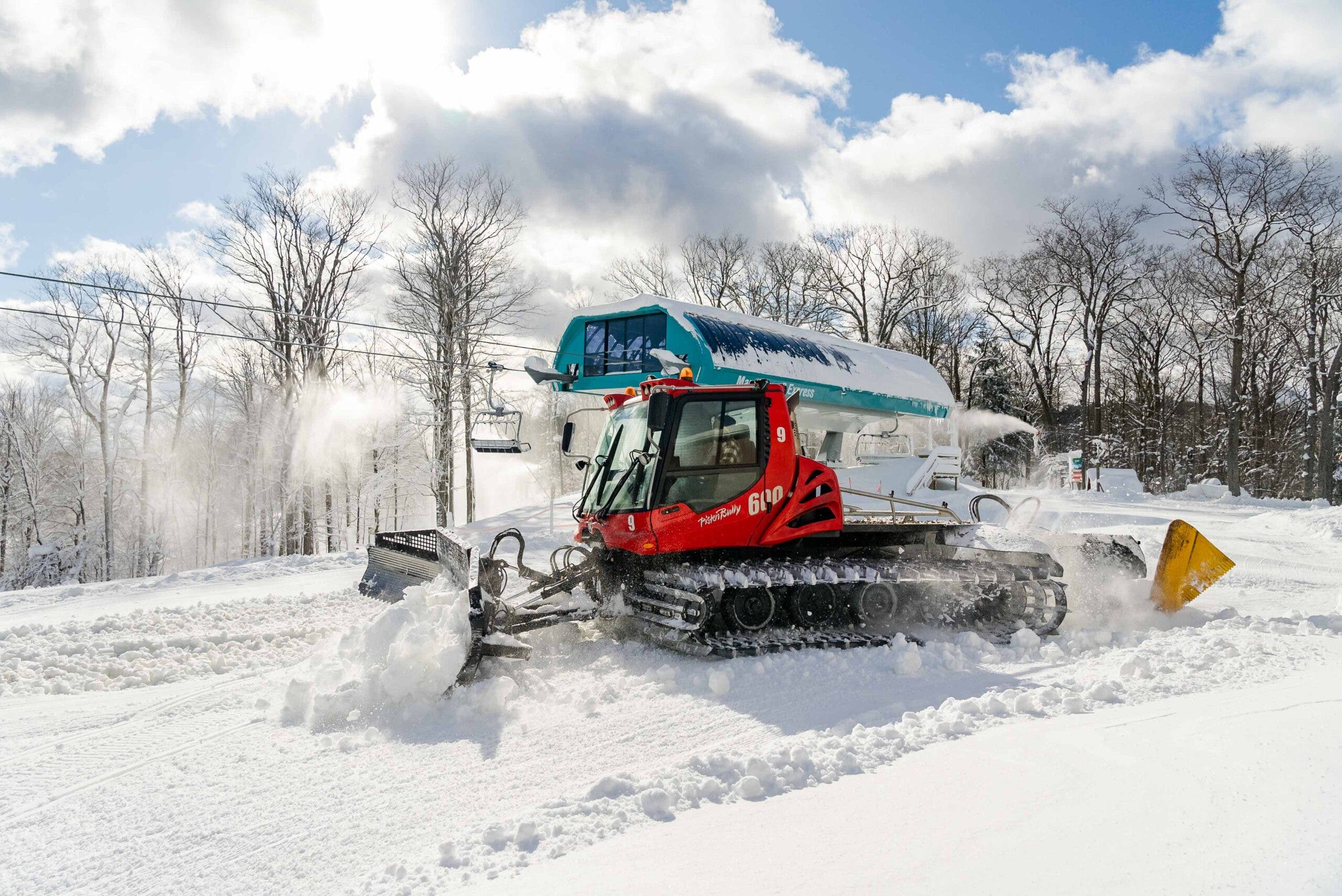
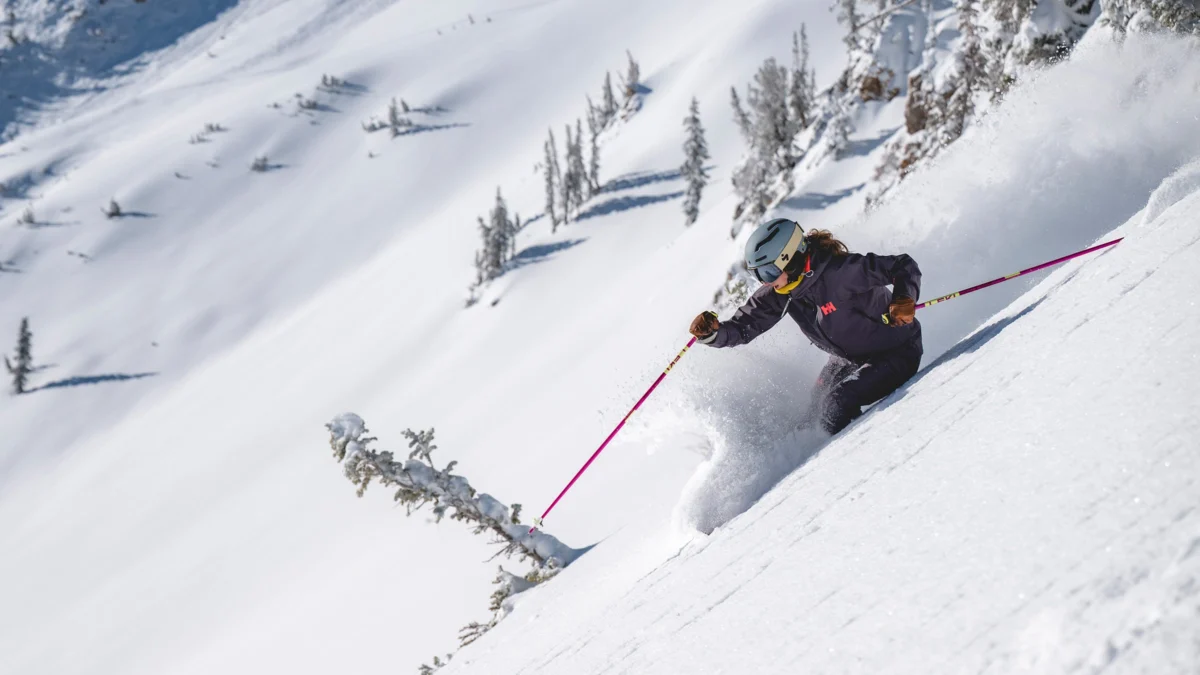
- Snow Management: Benefiting from the legendary lake-effect snow machine of the Great Lakes region, the resort pairs Mother Nature’s bounty with a world-class snowmaking and grooming team, ensuring that "hard pack" is a rarity and consistent, carvable snow is the standard.
What sets the mountain apart is its character. It does not try to be an Aspen or a Vail; instead, it embraces its identity as a welcoming, vibrant, and accessible home for skiers and snowboarders of all stripes.
A Chronology: Nearly Seven Decades of Growth
To understand the current status of Holiday Valley, one must look at its evolution from a local hill to a regional powerhouse.
- The Founding Era (1950s): Holiday Valley was founded on the vision of creating a space for the local community to enjoy winter sports. It began with modest infrastructure, but quickly gained a reputation for having a heart that was missing in larger, more commercialized areas.
- The Modernization Phase (1990s–2010s): Recognizing the need to be more than just a winter destination, the resort began an aggressive, multi-decade expansion. This included the construction of the Tamarack Club, the renovation of the Inn at Holiday Valley, and the development of the Sky High Adventure Park.
- The Four-Season Pivot (2015–Present): The resort effectively eliminated the concept of an "off-season." By investing in the Double Black Diamond golf course and summer-specific activities like mountain coasters and aerial parks, the resort transitioned into a year-round economic engine for the village of Ellicottville.
- The Recognition Era (2020–2026): As travelers began seeking authentic, smaller-scale experiences post-pandemic, Holiday Valley’s ranking climbed consistently. Its current status as a top-five Eastern resort marks the culmination of decades of steady, incremental improvement.
Supporting Data: The Anatomy of a Successful Resort
Data from the 2026 Resort Guide highlights why Holiday Valley continues to outperform much larger competitors. The metrics focus on three key pillars: Accessibility, Value, and Atmosphere.
Lift Efficiency
One of the most common complaints at mega-resorts is the "lift line penalty." Holiday Valley’s investment in 13 modern lifts means that even on the busiest Saturday in February, the wait times remain remarkably low. This results in a higher "ski-to-wait" ratio, where guests spend significantly more time on the slopes than in the lift corral.
Snow Reliability
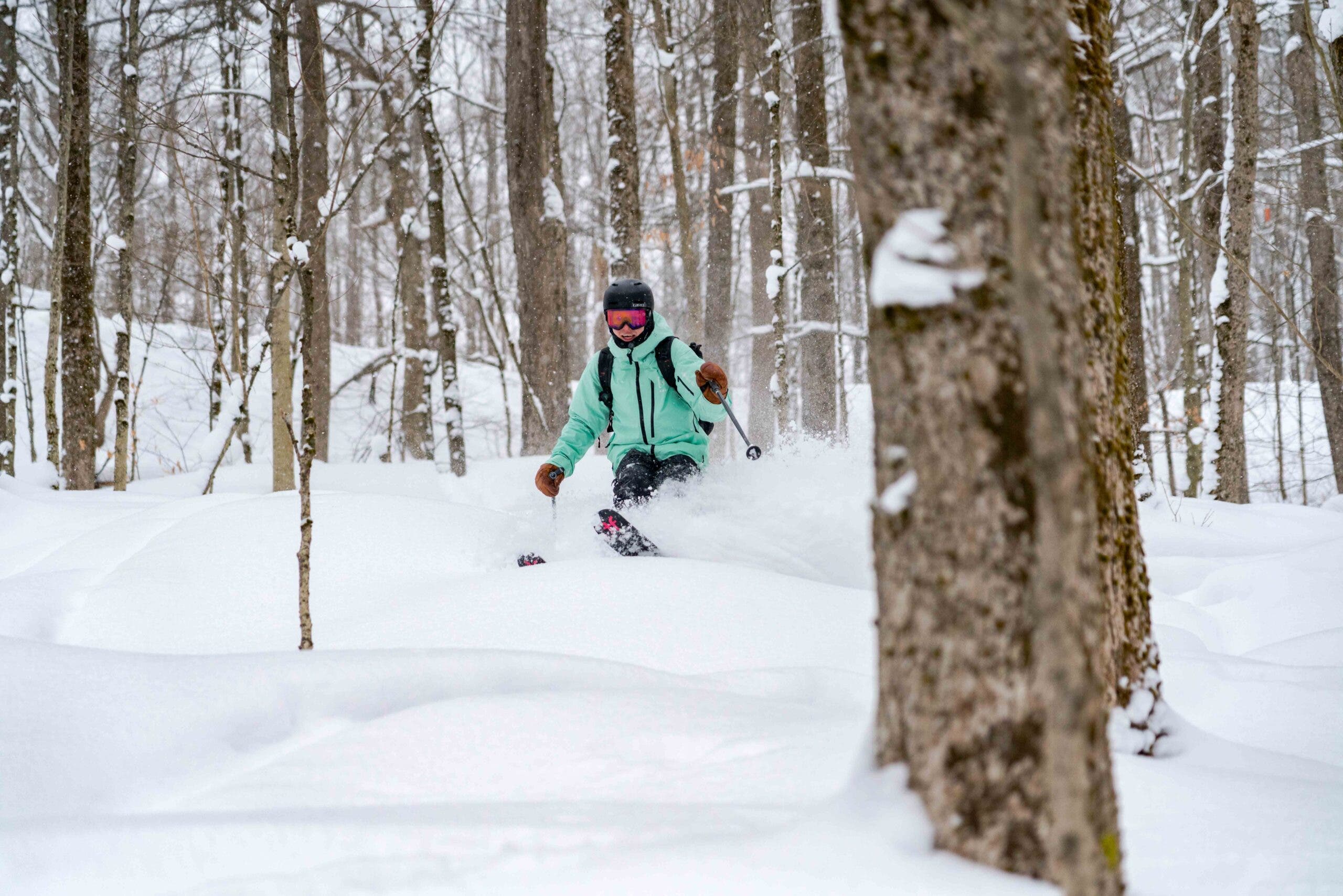
Proximity to Lake Erie provides the resort with a unique meteorological advantage. The lake-effect snow cycle often dumps deep, powder-like conditions on the mountain when other regional resorts are struggling with ice. The resort’s commitment to grooming—often cited as "surgical" by frequent visitors—ensures that these natural storms are preserved, creating a high-quality surface that appeals to both families and high-performance skiers.
The Village Synergy
The resort’s success is intrinsically linked to the village of Ellicottville. Unlike "resort islands" that are disconnected from local culture, Holiday Valley is integrated into the town. With a wealth of locally owned shops, independent restaurants, and vibrant nightlife, the village provides a cultural experience that enhances the athletic experience of the mountain.
Official Perspectives: The Spirit of the Valley
When asked about the secret to the resort’s longevity, management frequently points to the "Holiday Valley Family."
"We don’t view our guests as numbers in a database," says one resort official. "We view them as part of a legacy. Whether it’s a family that has been coming here for three generations or a first-timer renting gear for the first time, our goal is to foster an environment where people feel like they’ve found a home, not just a vacation rental."
This sentiment is echoed in the resort’s operational philosophy regarding its staff. By maintaining a high retention rate among employees, the resort ensures that the customer service remains personal and knowledgeable. This "friendly, laid-back atmosphere" is cited in nearly every positive review the resort receives, suggesting that the human element is just as important as the vertical drop.
The Broader Implications: Why It Matters
The success of Holiday Valley carries significant implications for the future of the outdoor recreation industry. It proves that the "bigger is better" model is not the only path to viability.
1. The Resilience of Independent Resorts
Holiday Valley demonstrates that independent resorts can thrive by focusing on the "Total Guest Experience." By providing a high-quality product that is unencumbered by the rigid policies of large, multi-mountain passes, they offer a sense of exclusivity and intimacy that the corporate giants struggle to replicate.
2. Economic Vitality for Small Towns
The resort serves as an economic anchor for Ellicottville. By attracting thousands of visitors annually, it supports a thriving ecosystem of small businesses, restaurants, and hospitality services. This model provides a blueprint for other mountain towns looking to revitalize their economies without losing their small-town character.
3. Sustainability and Community
Because the resort is locally invested, its commitment to the land is tangible. Whether through environmental stewardship of the trails or supporting local community events like the winter holiday markets and summer food festivals, Holiday Valley serves as a community hub. It suggests that when a business is deeply integrated into its surroundings, the surrounding community prospers in return.
Conclusion: A Must-Visit Destination
If you have yet to visit Holiday Valley, you are missing out on one of the most authentic, high-quality mountain experiences in North America. It is a place that defies the cynicism often associated with modern travel. Whether you are carving turns on the Tannenbaum run during a fresh lake-effect snowstorm, testing your limits on the aerial obstacle course in the summer, or enjoying a craft beer in the historic village of Ellicottville, you are part of something special.
Holiday Valley does not need to be the tallest mountain or the most famous resort. By remaining true to its roots and focusing on the simple joys of outdoor adventure, it has secured its place as a perennial favorite. For those in search of a mountain that feels like home, the valley is calling.

 Iffa Jayyana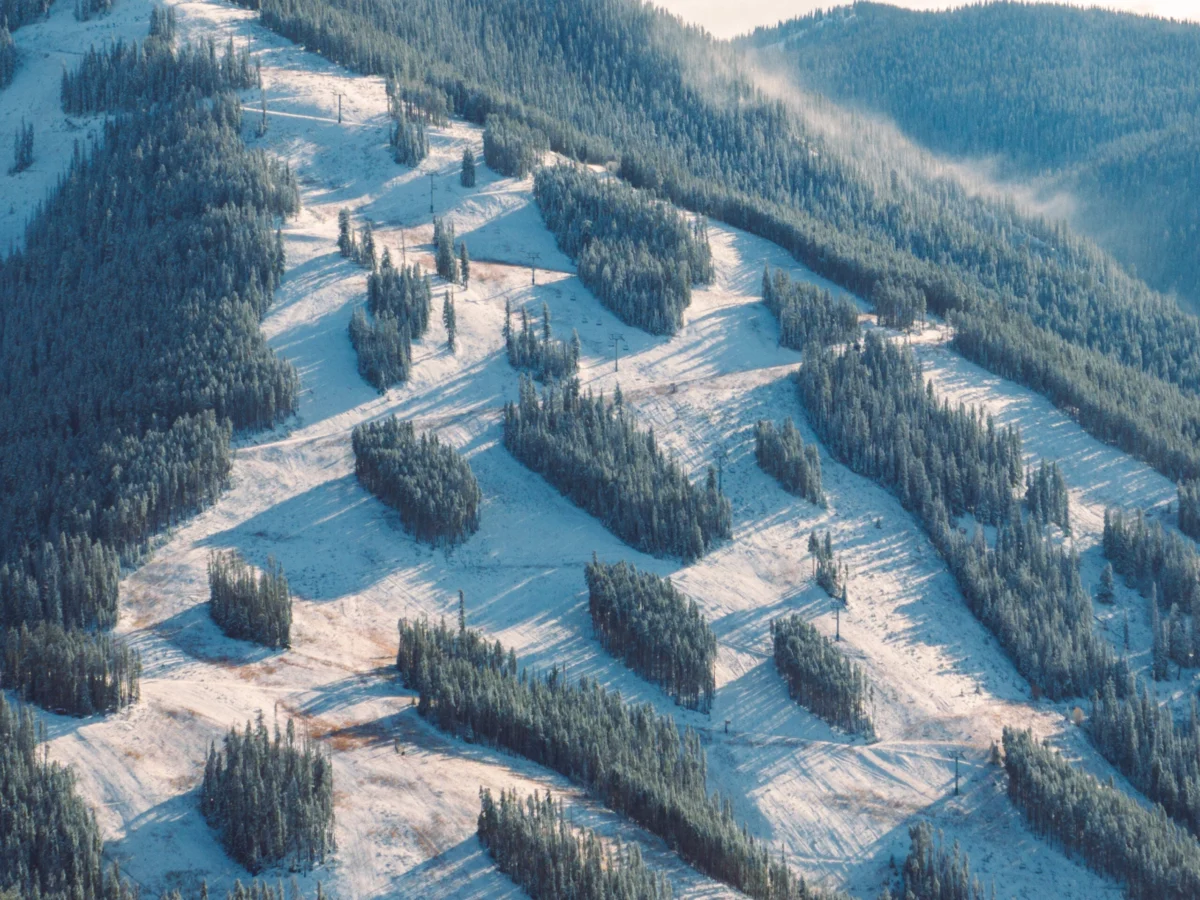
 Azzam Bilal Chamdy
 Neng Nana
 Nana Wu
 Lina Hope

 Sagoh
Sagoh