
 Iffa Jayyana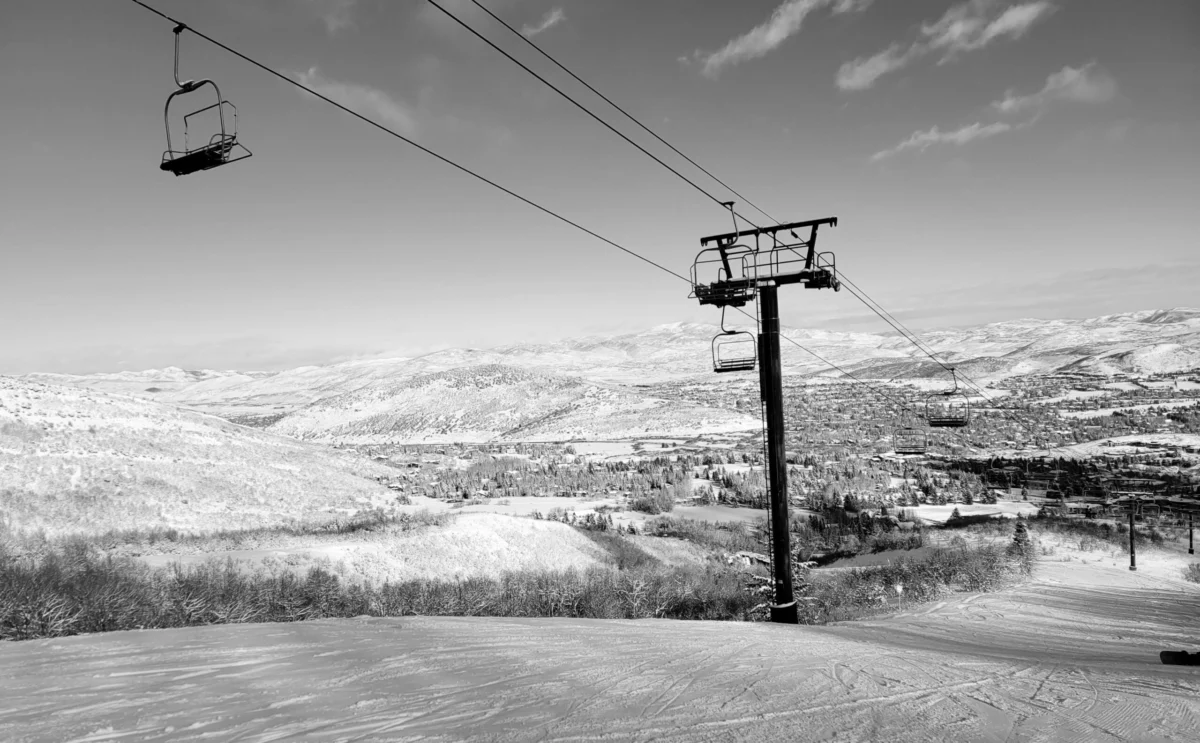
For the casual observer, a ski lift is merely a functional necessity—a cold, mechanical ride from base to peak. For the dedicated skier and the mountain operator, however, the lift is the heartbeat of the resort. A well-engineered chairlift does more than transport passengers; it dictates the flow of human traffic, defines the accessibility of technical terrain, and ultimately shapes the identity of the mountain itself.
As we head into the 2026-’27 winter season, North American resorts are embarking on an ambitious wave of infrastructure upgrades. From the high-stakes legal battles in Utah to engineering marvels on the glaciers of British Columbia, this year’s developments represent a pivot toward modernization, efficiency, and the expansion of the "skiable frontier."
The State of the Industry: Why Now?
The current trend of lift replacement is driven by a convergence of factors. Aging infrastructure, installed in the rapid expansion era of the 1970s and 80s, has reached the end of its viable lifespan. Simultaneously, a post-pandemic surge in resort visitation has forced operators to look beyond simple capacity increases toward "intelligent flow"—a strategy that prioritizes reducing bottleneck points and modernizing the guest experience.
For the 2026-’27 season, the industry is moving away from the "bigger is better" philosophy, focusing instead on surgical upgrades that solve long-standing operational headaches while providing access to previously underutilized terrain.
Chronology of Development: A Season of High Stakes
The path to these upgrades has been anything but smooth. The following timeline outlines the progression of this season’s most significant projects:
- 2022: Initial proposals for major upgrades at Park City and Homewood face stiff local opposition, triggering years of legal and community friction.
- 2024: Resorts shift strategy, focusing on environmental impact studies and community engagement to mitigate planning delays.
- May 2026: Park City receives tentative approval for its high-speed eight-pack, signaling a potential thaw in the regulatory gridlock.
- July 2026: Final environmental and administrative reviews conclude, with several projects—including Deer Valley’s Hail Peak and Powderhorn’s Wild West Express—entering the final stages of construction.
- August 2026: A critical decision on Park City’s appeal process remains the final hurdle for the season’s most anticipated infrastructure project.
Major Projects: Breaking Down the Infrastructure
The Battle for Park City: The Silverlode Express
Perhaps no project better illustrates the tension between modernization and local preservation than the proposed Silverlode Express at Park City. The plan, which seeks to replace the current six-pack with a high-speed eight-passenger lift, is designed to alleviate the notorious congestion at the resort’s lower elevations. By increasing hourly throughput, the resort aims to streamline the ski school experience and reduce wait times for beginners.
However, the project remains in a state of suspended animation. A group of local residents, citing concerns over "over-tourism" and environmental impact, has filed a persistent appeal. As of late July, the resort awaits a definitive ruling. If approved, it will be Utah’s first eight-pack, marking a significant milestone in regional lift technology.
Powder Mountain: Unlocking the DMI
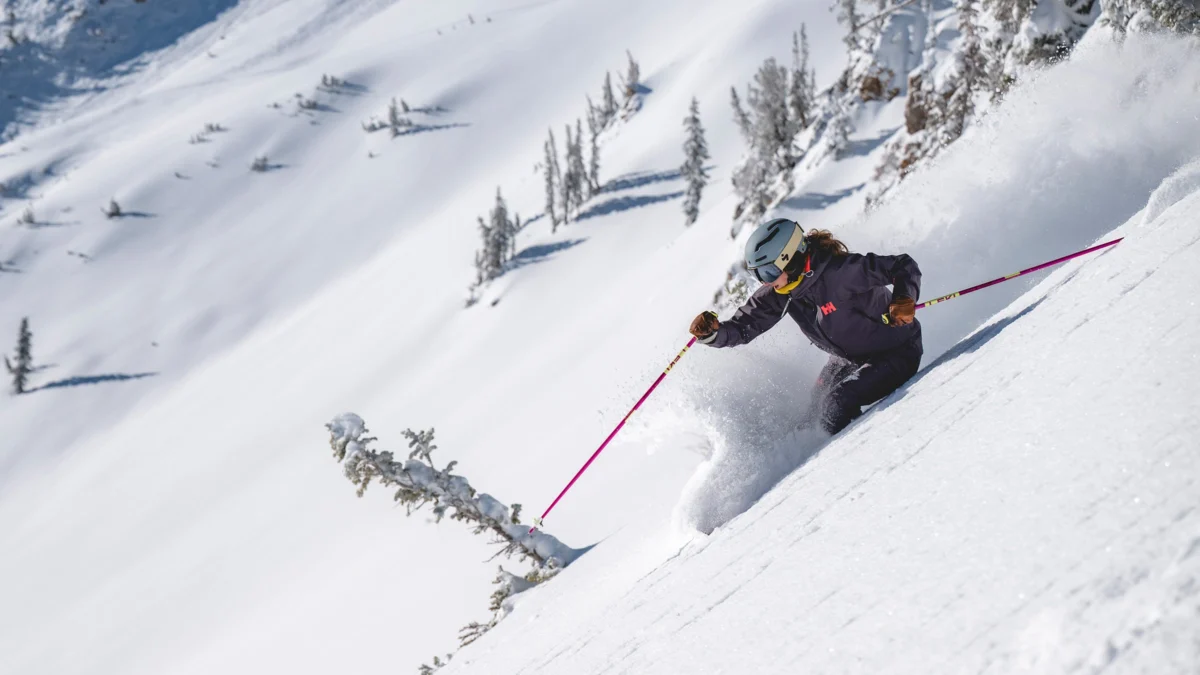
In contrast to the urban-adjacent struggles of Park City, Powder Mountain is leaning into its "backcountry-lite" ethos. As part of its multiyear renaissance, the resort is opening the "DMI" (Don’t Mention It) zone. This project features 1,000 acres of high-consequence, technical expert terrain. To access it, the resort is installing a fixed-grip triple lift manufactured by Skytrac, engineered specifically for extreme, steep-grade installations. This development cements Powder Mountain’s position as a sanctuary for purists who prioritize vertical challenge over base-area amenities.
Sun Valley: The Pursuit of Efficiency
Sun Valley continues its reputation for high-end, efficient lift systems. This winter, the focus is squarely on Bald Mountain. The replacement of the Lookout Express with a high-speed six-passenger chair is projected to slash ride times to a mere 8.5 minutes. Coupled with the conversion of the Christmas Lift from a fixed-grip quad to a high-speed variant, Sun Valley is effectively optimizing its uphill capacity to ensure that skiers spend more time on the snow and less time shivering in line.
Engineering on the Edge: Whistler’s Showcase Chair
At Whistler Blackcomb, the engineering team has achieved a feat of technical prowess. Replacing the historic Showcase T-bar on the Blackcomb Glacier with a fixed-grip quad required an unconventional approach: anchoring towers directly into exposed bedrock rather than the shifting glacier ice. This project is a victory for accessibility; by replacing a difficult T-bar, the resort opens its legendary glacier terrain to a significantly wider demographic of skiers, ensuring that the Blackcomb high-alpine experience is no longer gated by physical ability or specialized skills.
Homewood’s New Direction
Homewood Mountain Resort’s journey to its current state has been defined by existential uncertainty. After surviving rumors of a total conversion to a private, members-only club, the resort has reaffirmed its public commitment. Construction is currently underway for an eight-person gondola to replace the aging Madden triple. This project is the lynchpin of a new master plan that includes a mid-mountain lodge, aimed at creating a cohesive, modern flow from the base to the upper peaks.
Powderhorn’s 60th Anniversary Gift
Sometimes, the most impactful upgrades happen at smaller, regional hills. Powderhorn, celebrating its 60th anniversary, is replacing the 1972-era West End double with the "Wild West Express," a high-speed quad repurposed from Aspen Snowmass. This project serves as a model for sustainable growth—taking proven infrastructure and retrofitting it with modern electrical and mechanical systems. It represents a massive quality-of-life upgrade for local riders who have spent decades on a slow, cold chair.
Supporting Data: Impact and Capacity
The cumulative impact of these upgrades is substantial.
- Deer Valley Expansion: With the addition of the Hail Peak Express, Deer Valley adds 200 acres, bringing its total to 4,500 skiable acres. This is part of a larger, three-year, 11-lift expansion program.
- Time Savings: Across the board, the transition from fixed-grip to high-speed lifts is estimated to reduce average ride times by 35% to 50% at upgraded locations.
- Capacity: By moving from six-packs to eight-packs and replacing older triples/quads with modern high-speed equivalents, resorts are reporting an average increase in hourly uphill capacity of 15-20%.
Official Responses and Implications
Resort operators emphasize that these investments are not merely about moving people faster; they are about long-term sustainability. "The goal is to distribute the skier load more evenly across the mountain," says an industry analyst. "By opening new terrain like the DMI zone or improving capacity at the base, we reduce the ‘pressure cooker’ effect that leads to crowding."
However, the opposition in places like Park City underscores a critical implication for the industry: the social license to operate. As ski resorts grow, the relationship between the resort and the local community is becoming just as vital as the mechanical integrity of the lifts themselves.
Conclusion: Looking Ahead
The 2026-’27 season will be remembered as a year of "smart growth." While the headline-grabbing eight-packs and high-speed chairs steal the spotlight, the true story is the industry’s shift toward a more balanced, efficient, and accessible mountain experience. As the first snows of winter begin to fall, these new machines will begin their work, carrying the next generation of skiers toward new summits and familiar favorites alike. Whether through the preservation of local character or the bold expansion into technical terrain, the infrastructure of the future is being built today.

 Azzam Bilal Chamdy
 Neng Nana
 Nana Wu
 Lina Hope

 Sagoh
Sagoh