 Muslim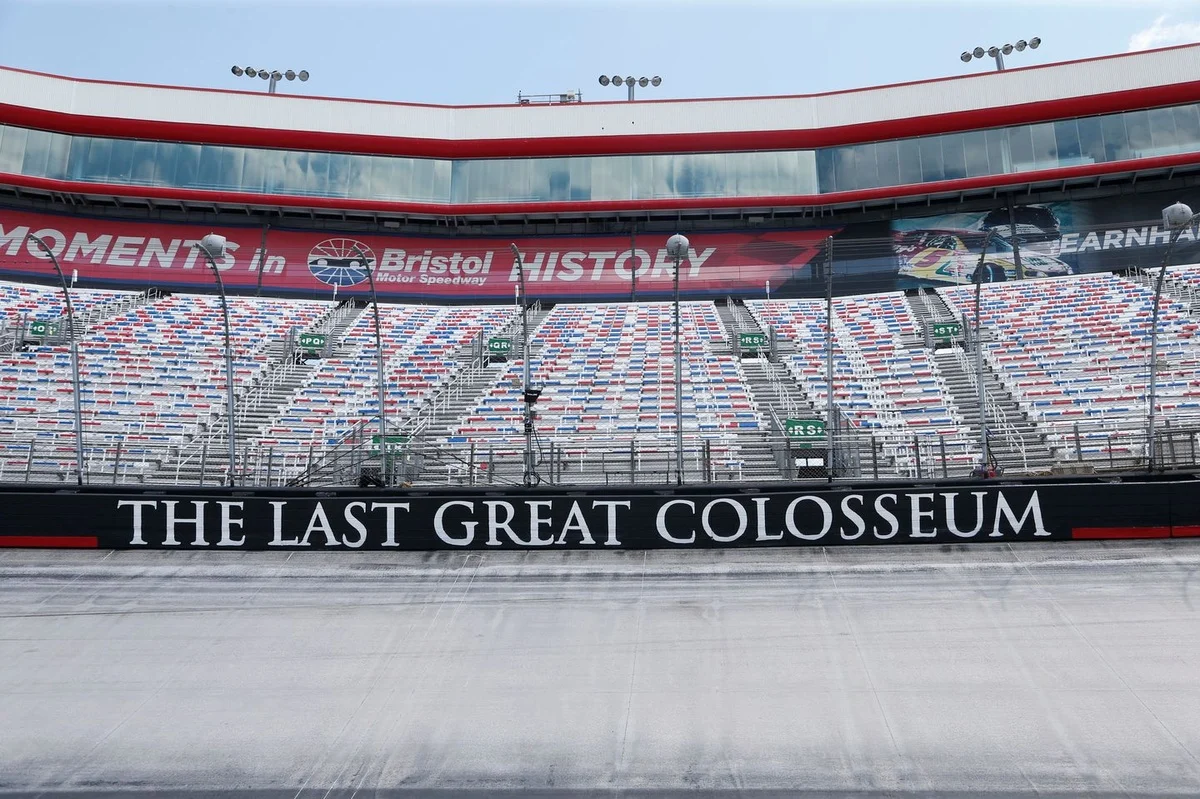
BRISTOL, Tenn. — Severe weather has once again disrupted the rhythm of the NASCAR Cup Series postseason. Torrential rain and dangerous lightning forced series officials to cancel time trials for both the premier Cup Series and the O’Reilly Series ahead of Saturday night’s grueling 500-lap elimination showdown at Bristol Motor Speedway.
With the track silenced by Mother Nature, NASCAR was forced to fall back on its standardized qualifying metric for the second time in just the opening three races of the Chase. The formula—designed to reward both season-long consistency and recent momentum—paved the way for red-hot driver Kyle Larson to inherit the coveted pole position.
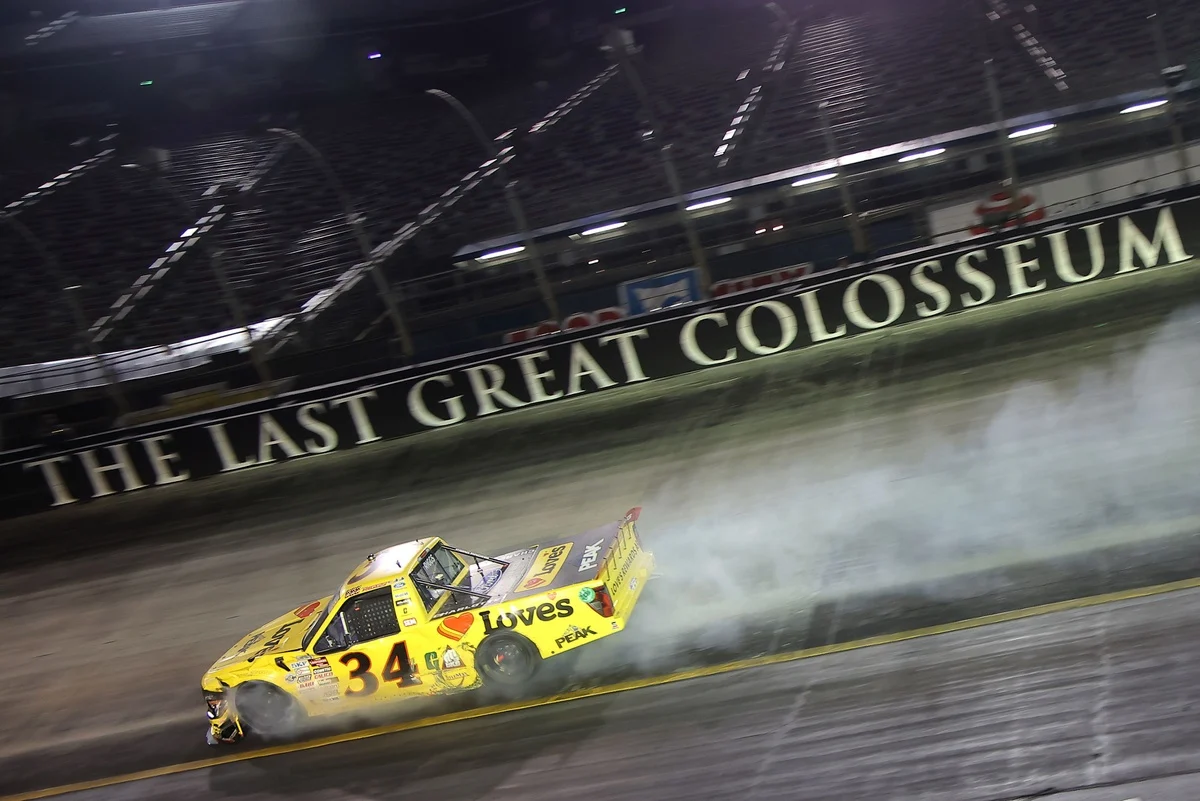
As the NASCAR paddock prepares for Saturday’s under-the-lights spectacle at "The Last Great Colosseum," the starting grid tells a story of stark contrasts. While regular-season front-runners and recent victors secured prime real estate at the head of the field, the chaotic attrition of last weekend’s race at World Wide Technology Raceway (Gateway) severely penalized several championship contenders, leaving them buried deep in traffic as they hunt for survival.
Main Facts: The Metric Decides the Grid as Larson Grabs the Pole
With time trials washed out, NASCAR implemented its proprietary starting metric to set the lineup for Saturday’s 500-lapper. The formula relies on a weighted mathematical average: 30 percent of the score is determined by the team’s position in the owner championship standings, while the remaining 70 percent is dictated by the entry’s finishing position in the most recent event.
The application of this formula smiled heavily upon Kyle Larson. Coming off a dominant victory last weekend at Gateway and sitting firmly in second place in the championship standings, Larson secured the pole position. He will lead the 36-car field to the green flag under the Bristol lights in his Hendrick Motorsports Chevrolet.
Sharing the front row with Larson will be Team Penske’s Joey Logano. Logano delivered a strong third-place finish at Gateway and currently sits seventh in the championship standings, earning him the outside pole.
Championship leader Denny Hamlin will start third, anchoring a formidable top-five group that also features Hendrick Motorsports’ William Byron in fourth and Spire Motorsports’ breakout star Carson Hocevar in fifth.
Meanwhile, Alex Bowman and Ross Chastain grabbed the sixth and seventh starting spots, respectively, establishing themselves as the highest-starting non-Chase drivers on the grid. The rest of the top ten is rounded out by Austin Cindric in eighth, Austin Dillon in ninth, and Bubba Wallace rounding out the top ten in tenth position.
Chronology: How Weather and Gateway’s Carnage Shaped Saturday’s Lineup
The sequence of events leading to Saturday night’s starting grid began days earlier at Gateway, cascaded through a chaotic race filled with a track-record number of cautions, and culminated in Friday’s weather-induced washout at Bristol.
Sunday, Gateway: The Catalyst for Chaos
The precursor to this weekend’s starting grid drama was a brutal, attrition-filled race at World Wide Technology Raceway. Drivers wrestled with slick conditions, tight aerodynamics, and aggressive playoff racing, resulting in a staggering 18 caution periods—a new track record.
The race of attrition took a massive toll on the playoff field. Mechanical failures, multi-car accidents, and late-race mistakes bit several major title contenders. Because the metric heavily weights the previous week’s finish (70%), the disastrous results at Gateway acted as an anchor on the starting positions for Bristol, where track position is traditionally paramount.
Friday, Bristol Motor Speedway: The Skies Open Up
As teams arrived at the half-mile concrete bullring in Thunder Valley, anticipation for traditional single-lap or multi-round qualifying was palpable. However, heavy storm cells moving through the region brought persistent rain and dangerous lightning strikes to Northeast Tennessee.
With safety protocols mandating the clearing of the grandstands and pit road during lightning strikes, and the concrete surface remaining saturated, NASCAR officials ultimately made the call to cancel qualifying sessions for both the Cup and O’Reilly series.
Friday Evening: The Numbers Crunch
Following the cancellation, NASCAR’s competition department ran the formula using the updated owner standings and the final finishing order from Gateway. The mathematical output was finalized and published, setting the starting lineup for Saturday night without a single car turning a lap against the clock.
Supporting Data: The Playoff Divide at Bristol
The contrast between the drivers starting near the front and those buried deep in the field highlights the immediate consequences of the metric system.
While Larson, Logano, and Hamlin enjoy clean air at the front of the pack, the five Chase drivers who failed to finish or suffered poor results at Gateway are facing an uphill battle on Saturday night. Because overtaking can be exceptionally difficult on the high-banked, tight confines of Bristol Motor Speedway, starting deep in the pack significantly increases the risk of early race involvement in wrecks.
Here is where notable Chase drivers will line up on Saturday:
- Kyle Larson: 1st (Pole)
- Joey Logano: 2nd
- Denny Hamlin: 3rd
- William Byron: 4th
- Tyler Reddick: 20th
- Chris Buescher: 23rd
- Chase Briscoe: 26th
- Chase Elliott: 27th
- Daniel Suárez: 28th
- Ryan Blaney: 29th (Lowest among Chase drivers)
The predicament facing reigning champion Ryan Blaney, popular driver Chase Elliott, and regular-season threat Tyler Reddick cannot be overstated. Starting outside the top 20 means these title contenders will spend the early laps fighting through traffic, burning their tires, and exposing their equipment to the dangers of the mid-pack.
Official Responses and Industry Perspectives
The reliance on the metric system continues to be a polarizing topic within the NASCAR garage, drawing mixed reactions from drivers, crew chiefs, and series executives.
NASCAR’s decision to cancel qualifying is rooted strictly in participant and fan safety. When severe weather threatens an active track, drying times and lightning delays can throw off broadcast windows and event schedules, particularly for Saturday night races operating under strict television curfews.
Speaking on the reality of starting deep in the field due to circumstances outside of a driver’s control, several competitors voiced their frustrations anonymously, while others chose to focus on the challenge ahead.
"When you have a weird race like Gateway with 18 cautions, you know the metric is going to throw some wild curveballs," noted a veteran crew chief within the playoff bubble. "If you had a bad day last week, you’re essentially getting penalized twice—once in the points, and now once with track position at a place where track position is everything."
Conversely, teams benefiting from the metric expressed relief. Joe Gibbs Racing and Hendrick Motorsports representatives acknowledged that while on-track qualifying is always preferred by purists, the metric provides a fair, transparent, and merit-based fallback that rewards teams for maintaining consistent baseline performance across the season.
Implications: Survival of the Fittest Under the Lights
Saturday night’s race at Bristol Motor Speedway is already one of the most anticipated events on the NASCAR calendar, renowned for intense bumper-to-bumper racing, heavy lapped traffic, and relentless pressure. With the introduction of this metric-derived starting grid, the stakes have been exponentially raised.
1. The Early-Race Charge
For drivers like Ryan Blaney (29th), Chase Elliott (27th), and Tyler Reddick (20th), the primary objective in Stage 1 will be survival paired with aggressive progression. Crew chiefs will likely lean toward setup adjustments aimed at long-run speed, allowing their drivers to carve through the field without destroying their equipment. However, waiting too long to move forward could trap a contender a lap down if a quick caution-free green-flag run unfolds.
2. The Comfort of Clean Air
Conversely, Kyle Larson and Joey Logano hold a massive strategic advantage. Starting on the front row allows them to dictate the pace, manage their tire wear away from the turbulent dirty air of mid-pack traffic, and avoid the chaotic bottlenecking that traditionally plagues turns 1 and 2 on the opening lap at Bristol.
3. Championship Momentum
With the Chase standings tightening, a victory at Bristol acts as a golden ticket, automatically advancing a driver to the next round. For Larson, starting on the pole provides the ideal platform to sweep the weekend—echoing the historical dominance seen in years past, such as Kyle Busch’s legendary Bristol sweep. But for drivers fighting out of the 20s, a mistake on the high banks could spell a catastrophic end to their championship aspirations.
As the sun sets over Thunder Valley, 36 drivers will strap in knowing that the weather made the start, but driver skill, pit strategy, and sheer endurance will write the finish. The green flag waves Saturday night at 500 laps—let the battle begin.

 Pevita Pearce
 Iffa Jayyana
 rifanmuazin
 Laily UPN
 Nana
Nana
 Asro
Asro